Iran responds strongly to US and Israeli airstrikes; new leader pledges to wage a protracted war.
2026-03-10 13:10:29
Amid the escalating tensions in the Middle East, Iran's Foreign Ministry and military leadership have issued a series of strong warnings, clearly stating their willingness to confront the United States and Israel at all costs and ruling out the possibility of a ceasefire in the short term. The rapid rise to power of the new Supreme Leader, Mojtaba Khamenei, has further solidified the Iranian regime's resilience and confrontational stance.
Despite suffering heavy losses from 10 consecutive days of airstrikes by the US and Israel, the Iranian leadership has demonstrated strong control and fighting spirit, which has heightened concerns about the protracted war and global energy security.
The following is a detailed analysis from multiple perspectives, including official Iranian statements, regime resilience, and the prospects of war.
An Iranian Foreign Ministry spokesman publicly warned on Tuesday (March 10) that oil tankers transiting the Strait of Hormuz must exercise extreme caution given the current insecure situation. He emphasized that Iran will fight the United States and Israel at all costs and is preparing for all scenarios, including a possible ground invasion.
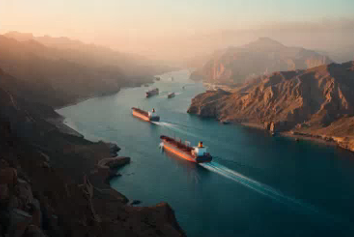
This statement directly targets the Strait of Hormuz, a vital global energy transport chokepoint that carries about one-fifth of the world's oil and liquefied natural gas shipments and is now almost completely disrupted due to the conflict.
When asked why Iran attacked civilian infrastructure in Gulf states, a spokesperson stated that Iran was simply defending its country from aggressors. He added that, under international law, any military bases, facilities, and assets used in any form to aid an aggressor are considered legitimate targets. This response highlights Iran's strategic intention to expand the war to a regional scale, using the attacks on Gulf state facilities to contain US and Israeli forces and increase the economic costs for its adversaries to sustain the war.
Furthermore, the Iranian Foreign Ministry spokesperson explicitly ruled out the possibility of an immediate ceasefire. He stated that the United States covets Iran's oil reserves and seeks to weaken and divide Iran; as long as the attacks continue, it is meaningless for Iran to discuss anything other than defense and retaliation against its enemies. This stance further reinforces Iran's unwillingness to compromise.
Following 10 days of punitive airstrikes by the United States and Israel, the Iranian leadership, though severely weakened, is demonstrating through various means that it remains in control and capable of continuing the fight. While senior political figures have reduced their public appearances, they continue to release messages regularly, reflecting the latest developments and showcasing unity and a stance of resistance.
The Iranian military continues to strike high-value targets across a broad front covering the Arab Gulf states and Israel. Although the number of missile launches is less than at the beginning of the war, the pace has stabilized, and hundreds of drones continue to be launched at targets such as oil facilities, airports, and embassies.
Security forces remain heavily deployed in Iranian cities, and the large-scale protests that shook the regime in January have not been repeated. The internal workings of the Iranian leadership are highly opaque, making it difficult for outsiders to accurately assess its situation. However, clear evidence suggests that the expectations of the US and Israel for a rapid collapse of the regime have not yet been realized.
A person familiar with military operations and a foreign diplomat responsible for Iranian affairs said there were no signs of serious rifts or institutional collapse in Tehran. The diplomat added that the Iranian regime's goal appears to be to hold out, allowing the consequences of war to accumulate until Trump is forced to back down.
One key reason why Iranian leaders have been able to withstand immense military pressure is that they have been preparing for a new war since suffering heavy losses in the 12-day war with Israel and the United States last June. Mohsen Sazegara, one of the founders of Iran's paramilitary Islamic Revolutionary Guard Corps and now in exile in the United States, stated, "They were prepared long ago. Even as their military capabilities and infrastructure are being destroyed, they believe that the enemy cannot destroy the regime through airstrikes alone."
The election of Mojtaba Khamenei, the hardline son of Iran's late Supreme Leader Ali Khamenei, as the new Supreme Leader is seen as the clearest sign of regime continuity. Iran's political and religious institutions have rallied around the new leader, with officials publicly swearing allegiance.
Iranian National Security Leader Ali Larijani said over the weekend that Iran would continue a war on a wide front. In a televised interview from a secret location, he said, "The countries in the region either stop the US from using its territory against Iran, or we will take matters into our own hands."
In response to US President Trump's remarks, Iranian Islamic Revolutionary Guard Corps spokesman Naini stated that Iran now possesses "more powerful and more numerous" missiles. Naini said Trump lied, claiming that Iran's missile launches had decreased or even ceased operations; however, Iran now possesses more powerful and numerous missiles than at the beginning of the war, aimed directly at US and Israeli bases. He added that the US president's claim that Iranian armed forces were no longer capable was an attempt to evade war pressure and avoid creating desperation among US troops.
In a previous interview, Trump stated that the war was "basically a done deal," citing severe damage to the Iranian navy, air force, and communications systems. He claimed that Iran had few missiles left, drones and manufacturing plants destroyed, and militarily, Iran had nothing left. However, the Iranian military, through these statements, attempted to refute the US narrative and demonstrate that it still possesses a strong retaliatory capability.
The U.S. government has ordered the evacuation of non-emergency government employees from Saudi Arabia, citing increased risks from armed conflicts, terrorism, and missile and drone attacks in Yemen and Iran, according to the U.S. Embassy in Riyadh.
This marks the first time the United States has issued such an evacuation order to Saudi Arabia since the outbreak of the war. This move reflects the rising risk of conflict spillover and growing U.S. concerns about the regional security situation.
The intensity and pattern of the Iranian attacks suggest a clear strategic coordination, targeting U.S. diplomatic and military sites, energy and transportation infrastructure, and Iranian Kurdish groups. In Oman, Iranian forces targeted facilities supplying fuel to U.S. forces, and an Arab official assessed that the Iranian command structure remains operational.
The US-Israel joint operational strategy is based on forcing the regime to collapse or surrender by “decapitating” the Iranian leadership and destroying its infrastructure, but the multi-layered power center design of the Iranian state apparatus makes it more enduring.
Although airstrikes failed to stop security forces from patrolling and setting up checkpoints, the government prevented a popular uprising by blocking communications and threatening potential protesters. The Islamic Revolutionary Guard Corps' intelligence service texted millions of mobile phone users, stating that street protests would be seen as examples of direct cooperation with the enemy. Commander Salar Abnoush warned parents last week not to let their children go to the streets: "If they show sympathy for the enemy, we have orders to kill them without mercy."
Ali Vaez, director of the Iran program at the International Crisis Group, said: “Resilience should not be mistaken for strength. The regime appears fragile but has not collapsed. It relies less on legitimacy than on repression, institutional discipline, and a consensus among the elite that the situation is now at a critical juncture.”
In conclusion , under the leadership of its new leader Mojtaba Khamenei, Iran has demonstrated strong resilience and strategic composure, maintaining a confrontational stance through diplomatic warnings, military retaliation, and internal control. Despite the devastating damage inflicted by the US-Israeli airstrikes, the regime has not shown signs of collapse; instead, it has expanded the conflict to the regional level, increasing global energy and economic pressures.
Whether the war can continue and what the cost will be depends on the next development of the game between the parties, and the international community needs to be highly vigilant against further deterioration of the situation.
Despite suffering heavy losses from 10 consecutive days of airstrikes by the US and Israel, the Iranian leadership has demonstrated strong control and fighting spirit, which has heightened concerns about the protracted war and global energy security.
The following is a detailed analysis from multiple perspectives, including official Iranian statements, regime resilience, and the prospects of war.
Iran's Foreign Ministry warns of risks to passage through the Strait of Hormuz
An Iranian Foreign Ministry spokesman publicly warned on Tuesday (March 10) that oil tankers transiting the Strait of Hormuz must exercise extreme caution given the current insecure situation. He emphasized that Iran will fight the United States and Israel at all costs and is preparing for all scenarios, including a possible ground invasion.
This statement directly targets the Strait of Hormuz, a vital global energy transport chokepoint that carries about one-fifth of the world's oil and liquefied natural gas shipments and is now almost completely disrupted due to the conflict.
When asked why Iran attacked civilian infrastructure in Gulf states, a spokesperson stated that Iran was simply defending its country from aggressors. He added that, under international law, any military bases, facilities, and assets used in any form to aid an aggressor are considered legitimate targets. This response highlights Iran's strategic intention to expand the war to a regional scale, using the attacks on Gulf state facilities to contain US and Israeli forces and increase the economic costs for its adversaries to sustain the war.
Furthermore, the Iranian Foreign Ministry spokesperson explicitly ruled out the possibility of an immediate ceasefire. He stated that the United States covets Iran's oil reserves and seeks to weaken and divide Iran; as long as the attacks continue, it is meaningless for Iran to discuss anything other than defense and retaliation against its enemies. This stance further reinforces Iran's unwillingness to compromise.
The regime demonstrates resilience and sustained combat capability.
Following 10 days of punitive airstrikes by the United States and Israel, the Iranian leadership, though severely weakened, is demonstrating through various means that it remains in control and capable of continuing the fight. While senior political figures have reduced their public appearances, they continue to release messages regularly, reflecting the latest developments and showcasing unity and a stance of resistance.
The Iranian military continues to strike high-value targets across a broad front covering the Arab Gulf states and Israel. Although the number of missile launches is less than at the beginning of the war, the pace has stabilized, and hundreds of drones continue to be launched at targets such as oil facilities, airports, and embassies.
Security forces remain heavily deployed in Iranian cities, and the large-scale protests that shook the regime in January have not been repeated. The internal workings of the Iranian leadership are highly opaque, making it difficult for outsiders to accurately assess its situation. However, clear evidence suggests that the expectations of the US and Israel for a rapid collapse of the regime have not yet been realized.
A person familiar with military operations and a foreign diplomat responsible for Iranian affairs said there were no signs of serious rifts or institutional collapse in Tehran. The diplomat added that the Iranian regime's goal appears to be to hold out, allowing the consequences of war to accumulate until Trump is forced to back down.
One key reason why Iranian leaders have been able to withstand immense military pressure is that they have been preparing for a new war since suffering heavy losses in the 12-day war with Israel and the United States last June. Mohsen Sazegara, one of the founders of Iran's paramilitary Islamic Revolutionary Guard Corps and now in exile in the United States, stated, "They were prepared long ago. Even as their military capabilities and infrastructure are being destroyed, they believe that the enemy cannot destroy the regime through airstrikes alone."
The election of Mojtaba Khamenei, the hardline son of Iran's late Supreme Leader Ali Khamenei, as the new Supreme Leader is seen as the clearest sign of regime continuity. Iran's political and religious institutions have rallied around the new leader, with officials publicly swearing allegiance.
Iranian National Security Leader Ali Larijani said over the weekend that Iran would continue a war on a wide front. In a televised interview from a secret location, he said, "The countries in the region either stop the US from using its territory against Iran, or we will take matters into our own hands."
The Revolutionary Guard countered Trump's remarks, emphasizing its enhanced missile capabilities.
In response to US President Trump's remarks, Iranian Islamic Revolutionary Guard Corps spokesman Naini stated that Iran now possesses "more powerful and more numerous" missiles. Naini said Trump lied, claiming that Iran's missile launches had decreased or even ceased operations; however, Iran now possesses more powerful and numerous missiles than at the beginning of the war, aimed directly at US and Israeli bases. He added that the US president's claim that Iranian armed forces were no longer capable was an attempt to evade war pressure and avoid creating desperation among US troops.
In a previous interview, Trump stated that the war was "basically a done deal," citing severe damage to the Iranian navy, air force, and communications systems. He claimed that Iran had few missiles left, drones and manufacturing plants destroyed, and militarily, Iran had nothing left. However, the Iranian military, through these statements, attempted to refute the US narrative and demonstrate that it still possesses a strong retaliatory capability.
The escalation of US security measures and concerns about a protracted war.
The U.S. government has ordered the evacuation of non-emergency government employees from Saudi Arabia, citing increased risks from armed conflicts, terrorism, and missile and drone attacks in Yemen and Iran, according to the U.S. Embassy in Riyadh.
This marks the first time the United States has issued such an evacuation order to Saudi Arabia since the outbreak of the war. This move reflects the rising risk of conflict spillover and growing U.S. concerns about the regional security situation.
The intensity and pattern of the Iranian attacks suggest a clear strategic coordination, targeting U.S. diplomatic and military sites, energy and transportation infrastructure, and Iranian Kurdish groups. In Oman, Iranian forces targeted facilities supplying fuel to U.S. forces, and an Arab official assessed that the Iranian command structure remains operational.
The US-Israel joint operational strategy is based on forcing the regime to collapse or surrender by “decapitating” the Iranian leadership and destroying its infrastructure, but the multi-layered power center design of the Iranian state apparatus makes it more enduring.
Although airstrikes failed to stop security forces from patrolling and setting up checkpoints, the government prevented a popular uprising by blocking communications and threatening potential protesters. The Islamic Revolutionary Guard Corps' intelligence service texted millions of mobile phone users, stating that street protests would be seen as examples of direct cooperation with the enemy. Commander Salar Abnoush warned parents last week not to let their children go to the streets: "If they show sympathy for the enemy, we have orders to kill them without mercy."
Ali Vaez, director of the Iran program at the International Crisis Group, said: “Resilience should not be mistaken for strength. The regime appears fragile but has not collapsed. It relies less on legitimacy than on repression, institutional discipline, and a consensus among the elite that the situation is now at a critical juncture.”
In conclusion , under the leadership of its new leader Mojtaba Khamenei, Iran has demonstrated strong resilience and strategic composure, maintaining a confrontational stance through diplomatic warnings, military retaliation, and internal control. Despite the devastating damage inflicted by the US-Israeli airstrikes, the regime has not shown signs of collapse; instead, it has expanded the conflict to the regional level, increasing global energy and economic pressures.
Whether the war can continue and what the cost will be depends on the next development of the game between the parties, and the international community needs to be highly vigilant against further deterioration of the situation.
- Risk Warning and Disclaimer
- The market involves risk, and trading may not be suitable for all investors. This article is for reference only and does not constitute personal investment advice, nor does it take into account certain users’ specific investment objectives, financial situation, or other needs. Any investment decisions made based on this information are at your own risk.