UBS moved its forecast for the Reserve Bank of Australia's rate hike forward to May from August; hawkish comments from Bullock boosted market expectations.
2026-03-18 10:29:28
According to APP, UBS has moved its forecast for another Reserve Bank of Australia (RBA) rate hike forward to May, from August. UBS Chief Economist George Tharenou stated explicitly that despite this week's rate hike being based on a 5-4 vote, they have decided to bring forward the timing. Governor Bullock's hawkish comments at the press conference following the rate decision indicate that RBA staff are expected to recommend a rate hike at the next meeting in May. A similar divided vote is likely at the next meeting.
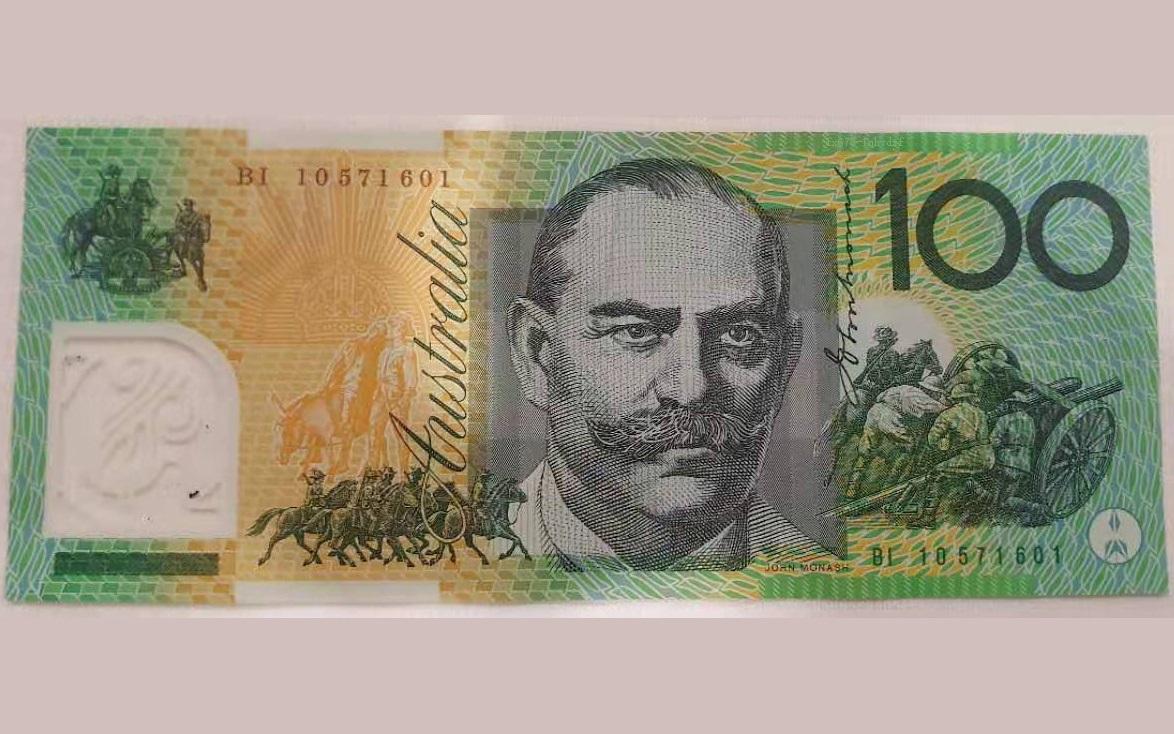
Latest data shows that the Reserve Bank of Australia (RBA) raised its cash rate target by 25 basis points to 4.10% at its March meeting by a 5-4 vote. This marks the first time since 2023 that the RBA has raised rates twice in a row, reflecting its concern about persistent inflationary pressures. The rate had already been raised to 3.85% at its February meeting, and this decision signifies a clear continuation of the tightening cycle.
In his latest analysis, George Tharenou further pointed out, "Governor Block's tone at the press conference was hawkish enough, suggesting that staff may recommend a rate hike at the May meeting." He added that upside risks to interest rates could push the cash rate to 4.60%, while downside risks are keeping it at 4.10%; to sufficiently slow GDP growth and raise the unemployment rate, interest rates need to remain "higher and longer." This forward-looking adjustment far exceeded initial market expectations, highlighting that uncertainty surrounding the policy path is rapidly narrowing.
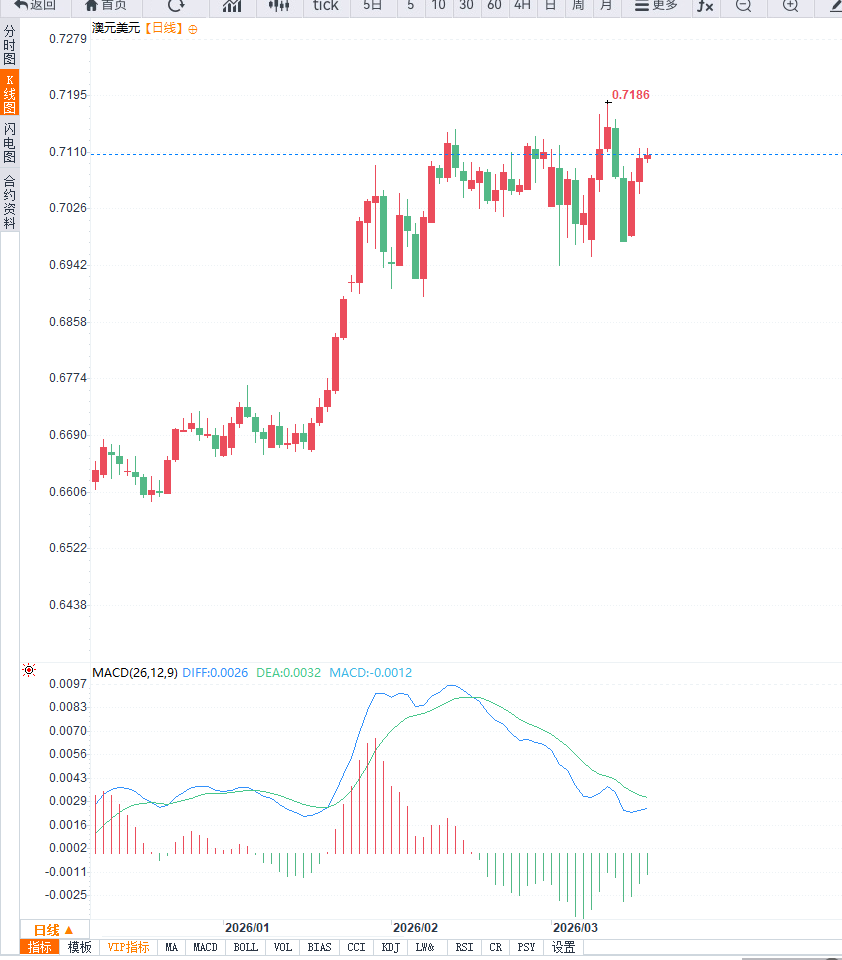
In-depth analysis reveals that this week's 5-4 divisive vote itself sent a strong signal: a majority of members were concerned about the risk of rising inflation, while a minority were more focused on the pressure of slowing economic growth. Coupled with Bullock's hawkish remarks, the market quickly priced in a significantly increased probability of a May rate hike. This would not only push up the Australian dollar's short-term exchange rate but could also dampen housing loan demand and slow consumer spending, while simultaneously helping to anchor inflation expectations and prevent a price spiral. It is reasonable to speculate that if similar divisions continue at the May meeting, the Reserve Bank of Australia may implement two tightening measures totaling 50 basis points this year, cumulatively pushing interest rates to higher levels, which would also have spillover effects on global commodity pricing and Asia-Pacific trading partners.
On the other hand, if inflation data unexpectedly falls or the job market weakens significantly, this forward forecast still has room for revision. However, the current hawkish tone has dominated the market narrative, and investors need to pay close attention to the April inflation report and the May meeting minutes to determine whether policy will be further "higher and longer".
Editor's Summary
The Reserve Bank of Australia's divergent rate hikes and UBS's forward-shifted forecasts have reinforced tightening expectations. While uncertainty surrounding the interest rate path remains, hawkish signals have significantly raised the market's pricing threshold. Future trends will depend on the interplay between inflation and growth data, with policy transparency becoming a key variable.
Frequently Asked Questions
Q1: Why did the Reserve Bank of Australia raise interest rates to 4.10% this week by a 5-4 vote?
A: This decision stemmed from concerns about persistent inflation risks. Volatile oil prices and resilient domestic demand led most members to believe that current interest rates were insufficient to bring inflation back to the target median within a reasonable timeframe. A minority, however, worried that economic growth was showing signs of weakness and that excessively rapid tightening could trigger an unnecessary recession. The close 5-4 vote reflected intense debate within the committee, highlighting that policy is at a balance between "cautious tightening" and "avoiding over-tightening," against the backdrop of the first consecutive rate hikes since 2023.
Q2: Why did UBS Chief Economist George Tharenou move his rate hike forecast from August to May?
A: The main basis is the hawkish tone of Governor Bullock at the press conference following the decision, which clearly hinted that staff would recommend a rate hike at the May meeting. George Tharenou believes that the 5-4 split this week does not affect the overall direction, but rather shows that there is still an internal consensus on raising rates. He emphasized that interest rates need to be "higher and longer" to effectively curb demand, and pointed out that the upside risk could reach 4.60%. This shift reflects a rapid adjustment driven by data, much earlier than the market's previous general expectation for August.
Q3: In what specific ways are Brock’s hawkish remarks manifested?
A: In the press conference, she emphasized that "it remains uncertain whether financial conditions are sufficiently restrictive to bring inflation back to the target median," and refused to rule out the possibility of further action. She also pointed out that recent data has given the committee a clearer understanding of the inflation path. These statements were interpreted as indirect endorsement of a May rate hike, far exceeding neutral wording, and quickly boosted market expectations for a divergent vote at the next meeting, directly supporting UBS's forecast adjustment.
Q4: What are the potential impacts of the May interest rate hike on the Australian economy and the Australian dollar?
A: In the short term, this could further push up the Australian dollar exchange rate, benefiting exporters but increasing import costs; rising housing loan interest rates will suppress consumption and investment, and the unemployment rate may rise slowly to alleviate wage pressures. In the long term, it will help stabilize inflation, but excessive tightening could drag down GDP growth. Overall, this will strengthen the "higher and longer" policy framework, having a ripple effect on capital flows and commodity demand from trading partners in the Asia-Pacific region.
Q5: How does the market view this change in forecasts and future uncertainties?
A: Traders have quickly priced in a rising probability of a May rate hike, leading to a short-term strengthening of the Australian dollar against the US dollar. However, the "dovish" interpretation of the 5-4 vote has limited gains. If April data continues to show sticky inflation, UBS's path will be validated; conversely, if employment data deteriorates significantly, forecasts may be pushed back again. Investors should pay attention to the meeting minutes and the inflation report, as this event reminds the market that central bank decision-making is shifting from "data-dependent" to "signal-guided," significantly increasing volatility.
Latest data shows that the Reserve Bank of Australia (RBA) raised its cash rate target by 25 basis points to 4.10% at its March meeting by a 5-4 vote. This marks the first time since 2023 that the RBA has raised rates twice in a row, reflecting its concern about persistent inflationary pressures. The rate had already been raised to 3.85% at its February meeting, and this decision signifies a clear continuation of the tightening cycle.
In his latest analysis, George Tharenou further pointed out, "Governor Block's tone at the press conference was hawkish enough, suggesting that staff may recommend a rate hike at the May meeting." He added that upside risks to interest rates could push the cash rate to 4.60%, while downside risks are keeping it at 4.10%; to sufficiently slow GDP growth and raise the unemployment rate, interest rates need to remain "higher and longer." This forward-looking adjustment far exceeded initial market expectations, highlighting that uncertainty surrounding the policy path is rapidly narrowing.
In-depth analysis reveals that this week's 5-4 divisive vote itself sent a strong signal: a majority of members were concerned about the risk of rising inflation, while a minority were more focused on the pressure of slowing economic growth. Coupled with Bullock's hawkish remarks, the market quickly priced in a significantly increased probability of a May rate hike. This would not only push up the Australian dollar's short-term exchange rate but could also dampen housing loan demand and slow consumer spending, while simultaneously helping to anchor inflation expectations and prevent a price spiral. It is reasonable to speculate that if similar divisions continue at the May meeting, the Reserve Bank of Australia may implement two tightening measures totaling 50 basis points this year, cumulatively pushing interest rates to higher levels, which would also have spillover effects on global commodity pricing and Asia-Pacific trading partners.
On the other hand, if inflation data unexpectedly falls or the job market weakens significantly, this forward forecast still has room for revision. However, the current hawkish tone has dominated the market narrative, and investors need to pay close attention to the April inflation report and the May meeting minutes to determine whether policy will be further "higher and longer".
Editor's Summary
The Reserve Bank of Australia's divergent rate hikes and UBS's forward-shifted forecasts have reinforced tightening expectations. While uncertainty surrounding the interest rate path remains, hawkish signals have significantly raised the market's pricing threshold. Future trends will depend on the interplay between inflation and growth data, with policy transparency becoming a key variable.
Frequently Asked Questions
Q1: Why did the Reserve Bank of Australia raise interest rates to 4.10% this week by a 5-4 vote?
A: This decision stemmed from concerns about persistent inflation risks. Volatile oil prices and resilient domestic demand led most members to believe that current interest rates were insufficient to bring inflation back to the target median within a reasonable timeframe. A minority, however, worried that economic growth was showing signs of weakness and that excessively rapid tightening could trigger an unnecessary recession. The close 5-4 vote reflected intense debate within the committee, highlighting that policy is at a balance between "cautious tightening" and "avoiding over-tightening," against the backdrop of the first consecutive rate hikes since 2023.
Q2: Why did UBS Chief Economist George Tharenou move his rate hike forecast from August to May?
A: The main basis is the hawkish tone of Governor Bullock at the press conference following the decision, which clearly hinted that staff would recommend a rate hike at the May meeting. George Tharenou believes that the 5-4 split this week does not affect the overall direction, but rather shows that there is still an internal consensus on raising rates. He emphasized that interest rates need to be "higher and longer" to effectively curb demand, and pointed out that the upside risk could reach 4.60%. This shift reflects a rapid adjustment driven by data, much earlier than the market's previous general expectation for August.
Q3: In what specific ways are Brock’s hawkish remarks manifested?
A: In the press conference, she emphasized that "it remains uncertain whether financial conditions are sufficiently restrictive to bring inflation back to the target median," and refused to rule out the possibility of further action. She also pointed out that recent data has given the committee a clearer understanding of the inflation path. These statements were interpreted as indirect endorsement of a May rate hike, far exceeding neutral wording, and quickly boosted market expectations for a divergent vote at the next meeting, directly supporting UBS's forecast adjustment.
Q4: What are the potential impacts of the May interest rate hike on the Australian economy and the Australian dollar?
A: In the short term, this could further push up the Australian dollar exchange rate, benefiting exporters but increasing import costs; rising housing loan interest rates will suppress consumption and investment, and the unemployment rate may rise slowly to alleviate wage pressures. In the long term, it will help stabilize inflation, but excessive tightening could drag down GDP growth. Overall, this will strengthen the "higher and longer" policy framework, having a ripple effect on capital flows and commodity demand from trading partners in the Asia-Pacific region.
Q5: How does the market view this change in forecasts and future uncertainties?
A: Traders have quickly priced in a rising probability of a May rate hike, leading to a short-term strengthening of the Australian dollar against the US dollar. However, the "dovish" interpretation of the 5-4 vote has limited gains. If April data continues to show sticky inflation, UBS's path will be validated; conversely, if employment data deteriorates significantly, forecasts may be pushed back again. Investors should pay attention to the meeting minutes and the inflation report, as this event reminds the market that central bank decision-making is shifting from "data-dependent" to "signal-guided," significantly increasing volatility.
- Risk Warning and Disclaimer
- The market involves risk, and trading may not be suitable for all investors. This article is for reference only and does not constitute personal investment advice, nor does it take into account certain users’ specific investment objectives, financial situation, or other needs. Any investment decisions made based on this information are at your own risk.