The closure of the Strait of Hormuz has triggered a supply crisis for multiple commodities, with OCBC Bank predicting aluminum prices will rise to $3,500 in the second quarter.
2026-03-18 11:22:24
According to the APP report, OCBC Bank's research department In a recent report, Jonathan Ng pointed out that aluminum prices are expected to remain high in the short term due to continued supply constraints. Aluminum prices have remained firm overall this year, with the recent further rise primarily driven by strong market concerns about disruptions to the Middle East supply chain. The Strait of Hormuz is currently effectively closed. This strait is not only a vital chokepoint for global energy product transportation but also a key logistical route for fertilizers and aluminum. Therefore, prolonged transportation disruptions will simultaneously impact a variety of commodities.
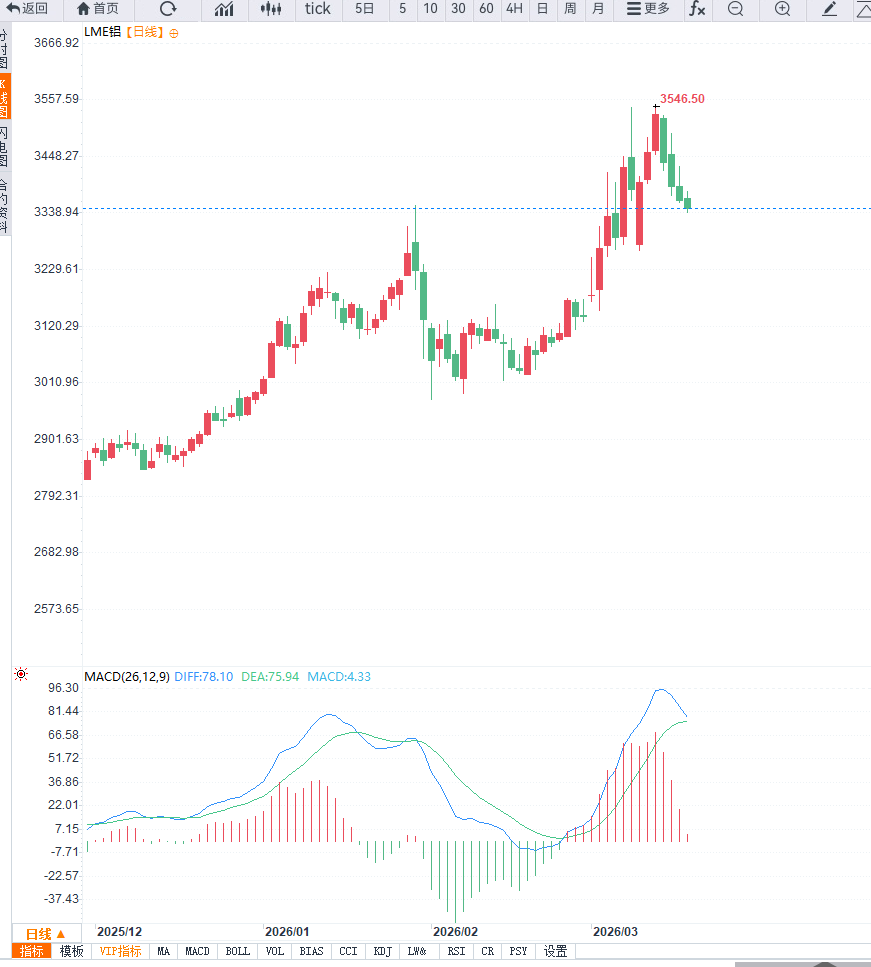
The latest LME data shows that as of March 17, aluminum prices closed at around $3,370 per ton, a significant increase from the beginning of the month, reflecting that geopolitical risk premiums are gradually being reflected in pricing. Jonathan Ng emphasized that supply-side bottlenecks are not a short-term phenomenon, and if the disruption continues, aluminum prices are expected to reach $3,500 per ton in the second quarter, a forecast that still represents an upside of about 4% from current levels.
From an in-depth analysis perspective, the closure of the Strait of Hormuz directly cuts off the maritime transport routes for aluminum-related raw materials and finished products. The global aluminum industry chain is highly dependent on efficient logistics, and this impacts everything from alumina imports to finished product exports. Simultaneously, disruptions to fertilizer (urea, etc.) transport will further increase agricultural input costs, creating a cross-product linkage effect. It is reasonable to speculate that if the disruption lasts for several months, the daily supply gap could reach tens of thousands of tons, far exceeding initial market expectations, directly supporting aluminum prices at high levels. Coupled with news of production cuts by producers in regions like Bahrain's Alba due to tensions, supply-side pressure will be even more pronounced. While production in non-Asian major aluminum-producing countries is expected to increase slightly, it will be difficult to fully fill the gap in the short term.
On the other hand, while demand faces macroeconomic uncertainties, signs of industrial recovery (such as in the semiconductor and automotive sectors) continue to provide support. Traders generally believe that if geopolitical risks do not ease significantly, the downside for aluminum prices is limited, and the probability of testing the $3,500 level is high; conversely, if the market gradually recovers, prices may experience a phase of correction. However, overall, supply chain restructuring will drive market repricing risks, and the high-level trading pattern is likely to continue in the second quarter.
Editor's Summary : The supply disruptions caused by the closure of the Strait of Hormuz have pushed aluminum prices into high levels, and OCBC Bank's forecasts further confirm the dominant role of geopolitical factors. Future price movements will depend on the pace of conflict easing and the speed of logistical recovery; investors need to continuously monitor regional developments and inventory data.
Frequently Asked Questions
Q1: Why does the closure of the Strait of Hormuz directly affect aluminum prices rather than being limited to energy products?
A: This strait handles approximately 20% of global oil and gas transportation and is also a crucial shipping route for aluminum raw materials (such as alumina) and finished products. Some aluminum-related logistics in the Middle East rely on this passage; its closure has led to soaring freight rates, skyrocketing insurance costs, and even ship rerouting, resulting in a sharp reduction in actual supply. Coupled with the simultaneous disruption to fertilizer transportation, this has increased costs on both the industrial and agricultural demand sides, creating a multi-commodity resonance effect that directly pushes up the risk premium for aluminum prices.
Q2: How will prolonged transportation disruptions affect other bulk commodities such as fertilizers?
A: The Hormuz is not only an energy chokepoint but also a key export route for fertilizers such as urea and sulfur. Disruptions will drive up agricultural production costs, indirectly impacting food prices; simultaneously, disruptions to aluminum and semiconductor raw materials will affect the high-tech supply chain. The simultaneous shortage of multiple commodities will amplify global inflationary pressures, creating a cross-market, interconnected price increase rather than an isolated event.
Q3: What are the supporting factors for the short-term high aluminum prices given the constraints on the supply side?
A: Besides geopolitical disruptions, factors such as proactive production cuts by regional producers, accelerated inventory reduction, and resilient demand from downstream industries have contributed to the price increase. While major Asian countries are leading aluminum producers, import dependence remains, making it difficult to fully hedge in the short term. Driven by market anxieties, speculative buying has further pushed up prices, and a significant correction is unlikely in the second quarter.
The latest LME data shows that as of March 17, aluminum prices closed at around $3,370 per ton, a significant increase from the beginning of the month, reflecting that geopolitical risk premiums are gradually being reflected in pricing. Jonathan Ng emphasized that supply-side bottlenecks are not a short-term phenomenon, and if the disruption continues, aluminum prices are expected to reach $3,500 per ton in the second quarter, a forecast that still represents an upside of about 4% from current levels.
From an in-depth analysis perspective, the closure of the Strait of Hormuz directly cuts off the maritime transport routes for aluminum-related raw materials and finished products. The global aluminum industry chain is highly dependent on efficient logistics, and this impacts everything from alumina imports to finished product exports. Simultaneously, disruptions to fertilizer (urea, etc.) transport will further increase agricultural input costs, creating a cross-product linkage effect. It is reasonable to speculate that if the disruption lasts for several months, the daily supply gap could reach tens of thousands of tons, far exceeding initial market expectations, directly supporting aluminum prices at high levels. Coupled with news of production cuts by producers in regions like Bahrain's Alba due to tensions, supply-side pressure will be even more pronounced. While production in non-Asian major aluminum-producing countries is expected to increase slightly, it will be difficult to fully fill the gap in the short term.
On the other hand, while demand faces macroeconomic uncertainties, signs of industrial recovery (such as in the semiconductor and automotive sectors) continue to provide support. Traders generally believe that if geopolitical risks do not ease significantly, the downside for aluminum prices is limited, and the probability of testing the $3,500 level is high; conversely, if the market gradually recovers, prices may experience a phase of correction. However, overall, supply chain restructuring will drive market repricing risks, and the high-level trading pattern is likely to continue in the second quarter.
Editor's Summary : The supply disruptions caused by the closure of the Strait of Hormuz have pushed aluminum prices into high levels, and OCBC Bank's forecasts further confirm the dominant role of geopolitical factors. Future price movements will depend on the pace of conflict easing and the speed of logistical recovery; investors need to continuously monitor regional developments and inventory data.
Frequently Asked Questions
Q1: Why does the closure of the Strait of Hormuz directly affect aluminum prices rather than being limited to energy products?
A: This strait handles approximately 20% of global oil and gas transportation and is also a crucial shipping route for aluminum raw materials (such as alumina) and finished products. Some aluminum-related logistics in the Middle East rely on this passage; its closure has led to soaring freight rates, skyrocketing insurance costs, and even ship rerouting, resulting in a sharp reduction in actual supply. Coupled with the simultaneous disruption to fertilizer transportation, this has increased costs on both the industrial and agricultural demand sides, creating a multi-commodity resonance effect that directly pushes up the risk premium for aluminum prices.
Q2: How will prolonged transportation disruptions affect other bulk commodities such as fertilizers?
A: The Hormuz is not only an energy chokepoint but also a key export route for fertilizers such as urea and sulfur. Disruptions will drive up agricultural production costs, indirectly impacting food prices; simultaneously, disruptions to aluminum and semiconductor raw materials will affect the high-tech supply chain. The simultaneous shortage of multiple commodities will amplify global inflationary pressures, creating a cross-market, interconnected price increase rather than an isolated event.
Q3: What are the supporting factors for the short-term high aluminum prices given the constraints on the supply side?
A: Besides geopolitical disruptions, factors such as proactive production cuts by regional producers, accelerated inventory reduction, and resilient demand from downstream industries have contributed to the price increase. While major Asian countries are leading aluminum producers, import dependence remains, making it difficult to fully hedge in the short term. Driven by market anxieties, speculative buying has further pushed up prices, and a significant correction is unlikely in the second quarter.
- Risk Warning and Disclaimer
- The market involves risk, and trading may not be suitable for all investors. This article is for reference only and does not constitute personal investment advice, nor does it take into account certain users’ specific investment objectives, financial situation, or other needs. Any investment decisions made based on this information are at your own risk.