Experts say the largest energy crisis in history, coupled with a looming private credit crisis, is causing a massive influx of funds into physical goods.
2026-03-18 11:18:32
Amid escalating conflicts between the US and Israel and Iran, and the paralysis of shipping in the Strait of Hormuz, the International Energy Agency (IEA) has officially defined the current global energy crisis as the largest supply disruption in the history of the oil market. This shock has triggered a "monetary fracture," forcing global funds to rapidly shift from paper assets to physical commodities.
Sean Lusk, co-director of commercial hedging at Walsh Trading, warned that if the conflict drags on beyond mid-April, its spillover effects will be significantly amplified, causing a systemic shock to U.S. Treasury yields, the stock market, precious metals, and even the overall economy.
The IEA confirmed that global oil production in March fell sharply by approximately 8 million barrels per day compared to February. Despite a record-breaking global release of 400 million barrels from strategic reserves led by the United States, disruptions to refined product supplies remain extremely severe.
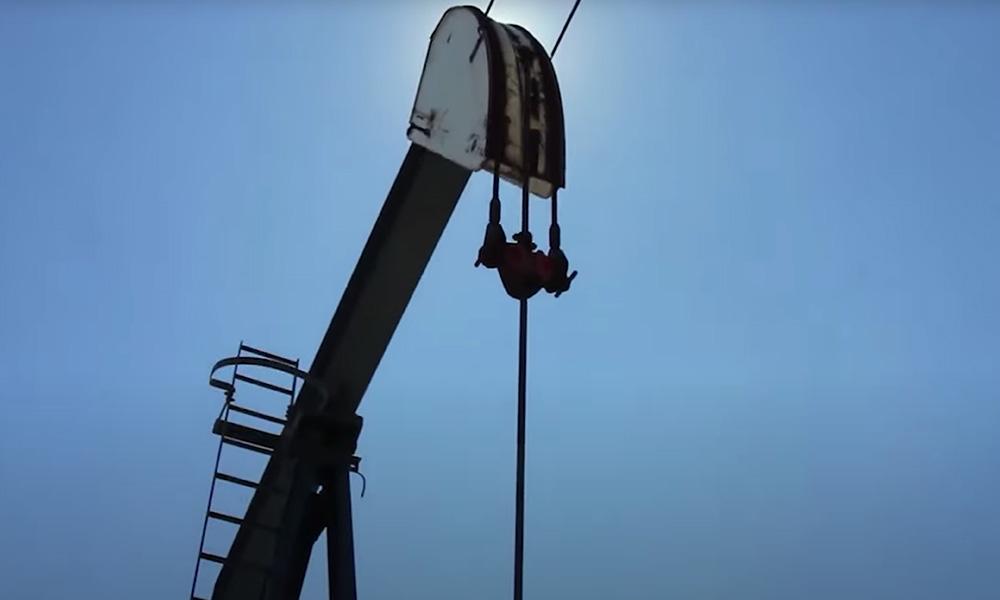
Lasker points out that targeted attacks on Middle Eastern infrastructure mean supply chain trust will take at least 60 to 90 days to rebuild. This logistical squeeze is most dangerously evident in the agricultural sector: urea fertilizer prices have surged 28% in two weeks, and diesel prices have broken through $5 per gallon, just as American farmers enter the planting season.
Lasker stated that this "sticky inflation" will transmit the impact from gas stations to supermarket bills, potentially forcing the Federal Reserve to adopt a hawkish reset, reducing its expectation of rate cuts throughout the year from three to zero, or even turning to rate hikes .
He warned, " This is not a short-term shock, but a chain reaction that extends from the energy sector to the consumer sector. "
In addition to the energy crisis, a major crisis is brewing in the $1.7 trillion private credit market.
Morgan Stanley predicted on March 17 that the default rate on direct loans could rise to 8% as artificial intelligence disrupts the software industry, which accounts for about 26% of the portfolios of many business development companies.
" The real private credit purgatory is heating up now ," Lasker said. He specifically mentioned the 70% plunge in subprime lender Goeasy, calling it a "contagious trade" and saying that insurers will ultimately be the "last ones holding the bag" for credit risk.
This turmoil has already manifested in the market: Morgan Stanley and Cliffwater LLC were recently forced to impose redemption caps on their multi-billion dollar private debt funds due to redemption requests exceeding quarterly limits.
The U.S. national debt surpassed $38.86 trillion this month, with interest payments now accounting for about 17% of total federal spending.
Lasker believes that gold's current performance does not reflect simple macro-level safe-haven demand, but rather "the depletion of the paper credit system itself."
He asked, "Is gold no longer just a hedge against policy mistakes, but a hedge against policies that deliberately erode real debt?" He pointed out that governments are getting caught up in "financial repression," which involves deliberately keeping interest rates below inflation to monetize debt.
Diesel costs have risen 70% since December, severely squeezing gold mining profit margins and potentially causing mining stocks to pull back 20%-30% before a sustainable rebound.
In the face of a multipolar world, Lasker suggests that investors turn to companies that control real assets.
He is particularly bullish on uranium, believing its price could double in the next 2-3 years due to production lagging significantly behind demand. He also favors the "undervalued" natural gas and coal sectors, specifically recommending Core Natural Resources (CNR) for its high free cash flow yield and its key role in powering AI data centers.
Lasker concluded, " In a market like this, the story isn't just about price, but about access, trust, and who still believes in paper debt. " He believes that the current seemingly calm pricing of forward futures may be hiding greater volatility and opportunities in the coming months.
Investors need to be wary of rapidly changing narratives and pay close attention to developments in the Strait of Hormuz, actual oil price movements, and the Fed's response to inflation. Short-term corrections may intensify, but if the conflict becomes protracted, gold's value as a strategic asset for hedging against inflation and currency risks will be gradually reassessed.
Lasker's view serves as a reminder to the market that the current seemingly calm forward pricing may be foreshadowing a larger systemic revaluation window in the coming months.
Sean Lusk, co-director of commercial hedging at Walsh Trading, warned that if the conflict drags on beyond mid-April, its spillover effects will be significantly amplified, causing a systemic shock to U.S. Treasury yields, the stock market, precious metals, and even the overall economy.
Energy crisis spillover: from gas stations to supermarket bills
The IEA confirmed that global oil production in March fell sharply by approximately 8 million barrels per day compared to February. Despite a record-breaking global release of 400 million barrels from strategic reserves led by the United States, disruptions to refined product supplies remain extremely severe.
Lasker points out that targeted attacks on Middle Eastern infrastructure mean supply chain trust will take at least 60 to 90 days to rebuild. This logistical squeeze is most dangerously evident in the agricultural sector: urea fertilizer prices have surged 28% in two weeks, and diesel prices have broken through $5 per gallon, just as American farmers enter the planting season.
Lasker stated that this "sticky inflation" will transmit the impact from gas stations to supermarket bills, potentially forcing the Federal Reserve to adopt a hawkish reset, reducing its expectation of rate cuts throughout the year from three to zero, or even turning to rate hikes .
He warned, " This is not a short-term shock, but a chain reaction that extends from the energy sector to the consumer sector. "
Private lending "purgatory": A $1.7 trillion market crisis looms
In addition to the energy crisis, a major crisis is brewing in the $1.7 trillion private credit market.
Morgan Stanley predicted on March 17 that the default rate on direct loans could rise to 8% as artificial intelligence disrupts the software industry, which accounts for about 26% of the portfolios of many business development companies.
" The real private credit purgatory is heating up now ," Lasker said. He specifically mentioned the 70% plunge in subprime lender Goeasy, calling it a "contagious trade" and saying that insurers will ultimately be the "last ones holding the bag" for credit risk.
This turmoil has already manifested in the market: Morgan Stanley and Cliffwater LLC were recently forced to impose redemption caps on their multi-billion dollar private debt funds due to redemption requests exceeding quarterly limits.
Gold: A Systemic Judgment on the Collapse of the Paper Credit System
The U.S. national debt surpassed $38.86 trillion this month, with interest payments now accounting for about 17% of total federal spending.
Lasker believes that gold's current performance does not reflect simple macro-level safe-haven demand, but rather "the depletion of the paper credit system itself."
He asked, "Is gold no longer just a hedge against policy mistakes, but a hedge against policies that deliberately erode real debt?" He pointed out that governments are getting caught up in "financial repression," which involves deliberately keeping interest rates below inflation to monetize debt.
Diesel costs have risen 70% since December, severely squeezing gold mining profit margins and potentially causing mining stocks to pull back 20%-30% before a sustainable rebound.
Investor's Handbook: A Tactical Shift Towards Controlling Real Assets
In the face of a multipolar world, Lasker suggests that investors turn to companies that control real assets.
He is particularly bullish on uranium, believing its price could double in the next 2-3 years due to production lagging significantly behind demand. He also favors the "undervalued" natural gas and coal sectors, specifically recommending Core Natural Resources (CNR) for its high free cash flow yield and its key role in powering AI data centers.
Lasker concluded, " In a market like this, the story isn't just about price, but about access, trust, and who still believes in paper debt. " He believes that the current seemingly calm pricing of forward futures may be hiding greater volatility and opportunities in the coming months.
Investors need to be wary of rapidly changing narratives and pay close attention to developments in the Strait of Hormuz, actual oil price movements, and the Fed's response to inflation. Short-term corrections may intensify, but if the conflict becomes protracted, gold's value as a strategic asset for hedging against inflation and currency risks will be gradually reassessed.
Lasker's view serves as a reminder to the market that the current seemingly calm forward pricing may be foreshadowing a larger systemic revaluation window in the coming months.
- Risk Warning and Disclaimer
- The market involves risk, and trading may not be suitable for all investors. This article is for reference only and does not constitute personal investment advice, nor does it take into account certain users’ specific investment objectives, financial situation, or other needs. Any investment decisions made based on this information are at your own risk.