March 19th Financial Breakfast: The Federal Reserve maintains interest rates, gold prices fall as the battle for the $4800 mark intensifies, supply disruption risks escalate sharply, and oil prices rise by nearly 3%.
2026-03-19 07:24:29
On Thursday (March 19, Beijing time) in early Asian trading, spot gold was trading around $4,831 per ounce. Gold prices fell nearly 4% on Wednesday, hitting a more than one-month low of $4,804.71 per ounce at one point. The Federal Reserve kept interest rates unchanged as expected, but said inflation remained high and predicted only one more rate cut this year. Chairman Powell acknowledged the significant uncertainty brought about by the war with Iran, leading to a stronger dollar and suppressing demand for gold as a safe haven. US crude oil rose nearly 3%, trading around $98.30 per barrel, due to a sharp escalation in the risk of energy supply disruptions in the Middle East.

U.S. stocks closed sharply lower on Wednesday, with the Dow Jones Industrial Average falling 1.63%, the S&P 500 dropping 1.36% to a near four-month low, and the Nasdaq Composite declining 1.46%. The decline was attributed to the Federal Reserve keeping interest rates unchanged as expected, but with the latest forecasts indicating only one rate cut this year, policymakers remained cautious in assessing the economic risks posed by the Middle East conflict.
Meanwhile, reports of attacks on Iranian oil facilities drove Brent crude up by more than 5%, exacerbating market concerns about recurring inflation and an economic slowdown. Earlier data showed that the February PPI rose 3.4% year-on-year, exceeding expectations and further reinforcing tightening expectations.
In terms of individual stocks, Micron Technology's revenue exceeded expectations but it fell slightly in after-hours trading, AMD rose 1.6%, Nvidia fell 0.8%, while Lululemon and Macy's rose 3.8% and 4.7% respectively due to positive earnings.
Gold prices fell sharply on Wednesday, with spot gold dropping nearly 4% to $4,818.83 an ounce, hitting a more than one-month low during the session. The Federal Reserve kept interest rates unchanged as expected, but stated that inflation remained high and predicted only one more rate cut this year. Chairman Powell acknowledged the significant uncertainty caused by the Iran war, leading to a stronger dollar and suppressing demand for gold as a safe haven.
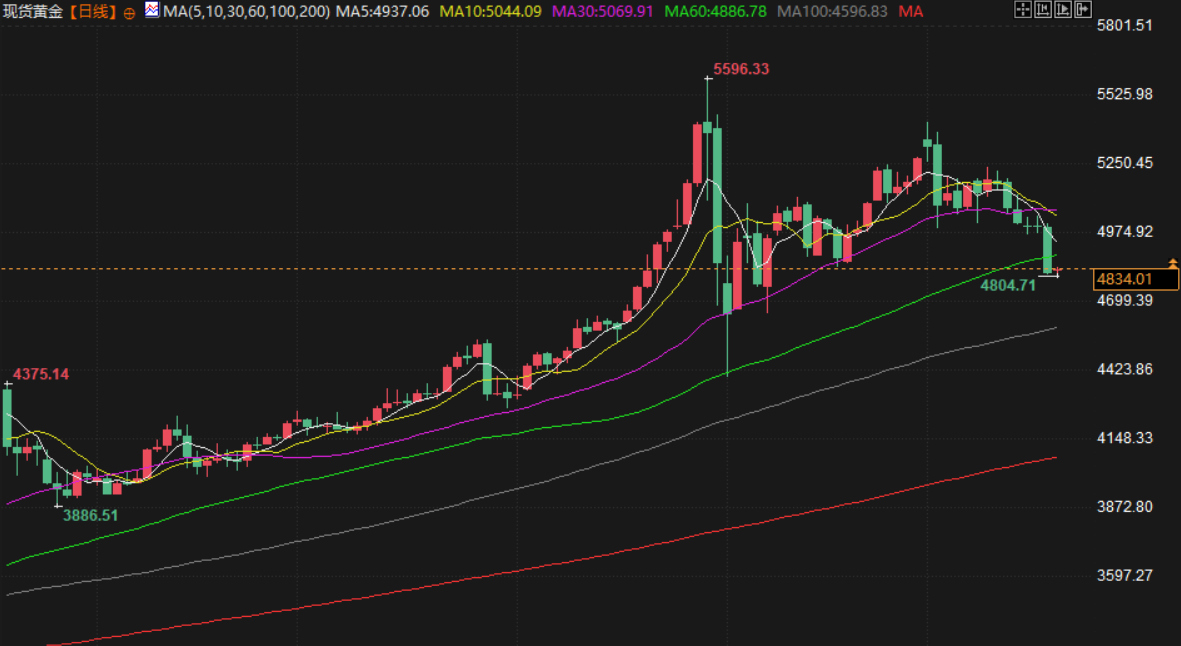
Independent traders pointed out that the Federal Reserve's wait-and-see attitude failed to provide a boost to gold, which has recently been performing as a riskier asset.
Meanwhile, the attack on Iran's Pars gas field escalated the Middle East conflict sharply, keeping oil prices high, while the unexpectedly strong US PPI in February exacerbated inflation concerns. Spot silver, platinum, and palladium fell by 4.2%, 3.9%, and 6.1%, respectively.
Oil prices rose 4% on Wednesday, with Brent crude futures settling at $107.38 a barrel, having risen as high as $109.95 during the session, marking the second consecutive day above $100. WTI crude futures rose 0.1% to $96.32, but the discount to Brent crude was the largest since May 2019.
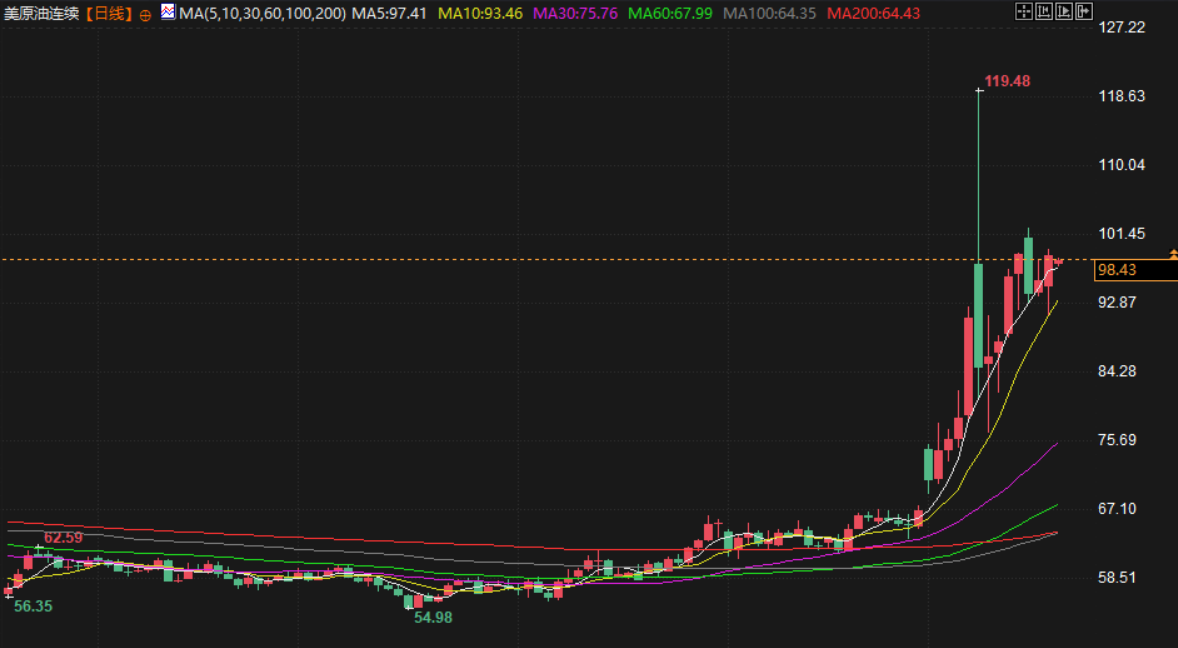
Iran’s Revolutionary Guard threatened to attack Gulf energy facilities in retaliation for the attack on the Pars gas field, and then the Ras Raffan industrial city in Qatar was attacked by missiles and severely damaged, drastically escalating the risk of energy supply disruptions in the Middle East.
Analysts point out that the attack on Iran's South Pars gas field directly pushed up oil and gas prices, while the disruption of shipping through the Strait of Hormuz is expected to reduce total Middle Eastern oil production by 7 million to 10 million barrels per day.
To alleviate soaring oil prices, the Trump administration announced a 60-day suspension of the Jones Act and a temporary lifting of federal emissions restrictions on summer-grade gasoline. On the data front, the EIA reported that U.S. crude oil inventories increased by 6.2 million barrels last week, exceeding expectations.
The dollar index rose 0.51% to 100.0 on Wednesday, mainly boosted by the Federal Reserve's hawkish interest rate decision. The Fed kept interest rates unchanged as expected, but its latest forecasts indicate only one rate cut this year, and policymakers are assessing the economic impact of the Middle East conflict on inflation.
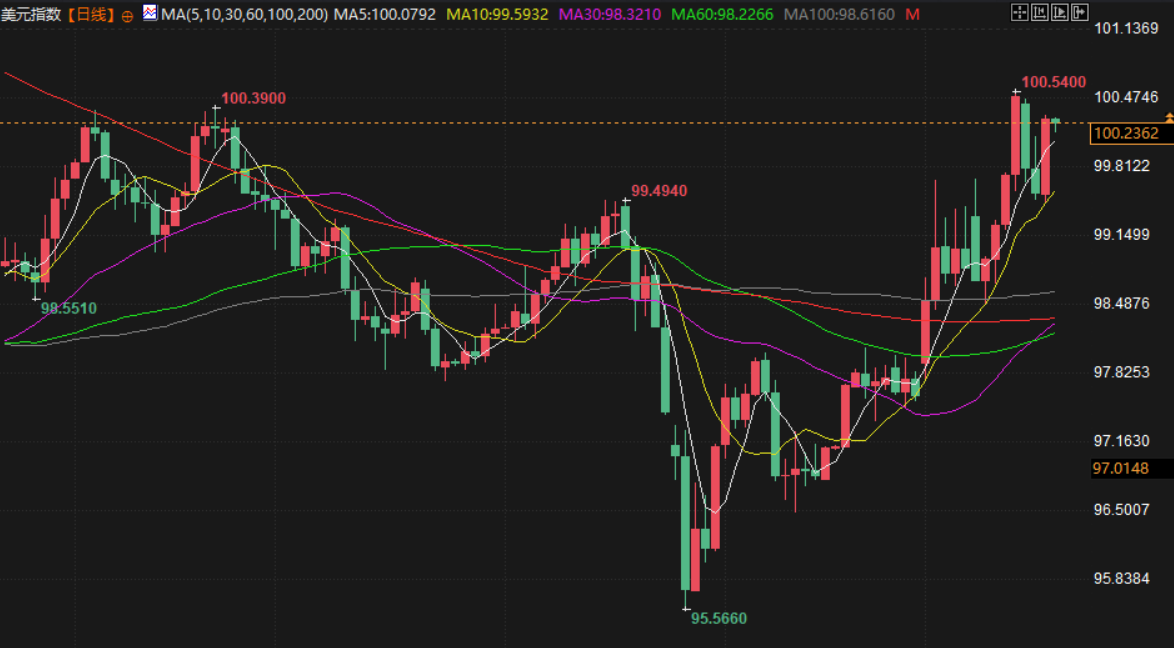
Corpay strategists noted that the latest forecasts signal a slowdown in economic growth and higher inflation than in December. The dollar has strengthened overall since the outbreak of the Middle East conflict three weeks ago, hitting a 10-month high last week.
In major currency pairs, the US dollar rose 0.92% against the Swiss franc to 0.792 francs, the euro fell 0.5% to $1.148, the Japanese yen fell 0.43% to 159.7 yen, approaching the intervention range, and the British pound fell 0.46% to $1.3292. Analysts believe that the Federal Reserve has not changed its expectations for interest rate direction, and the yield on US Treasury bonds is higher than it was several months ago, which is beneficial to the US dollar.
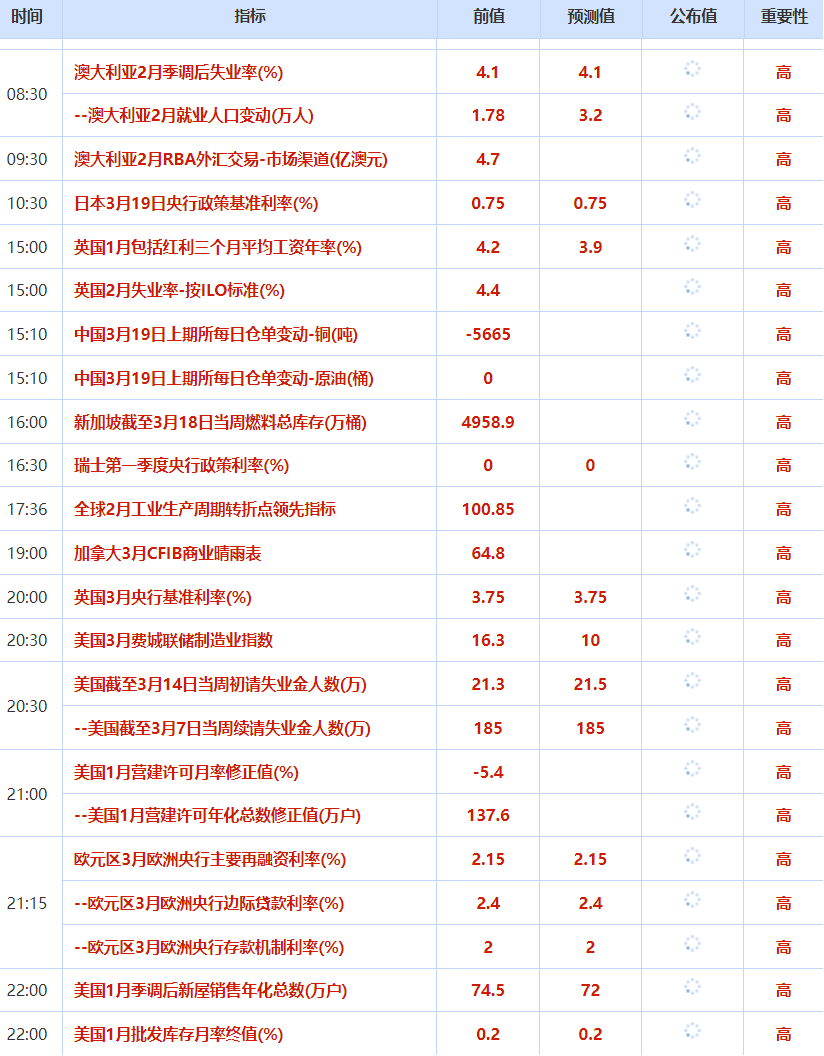
On the data front, the US PPI rose 0.7% month-on-month in February, exceeding expectations. The market is now focused on the interest rate decisions of the European Central Bank, the Bank of England, and the Bank of Japan this week.
The probability of the Federal Reserve keeping interest rates unchanged in April has risen to 100%, while expectations for a rate cut in June have cooled significantly . According to the latest data from CME's "FedWatch," the market now expects a 100% probability of the Fed keeping interest rates unchanged at its April meeting, while the probability of a 25 basis point rate cut has dropped to 0%. This means that expectations for a rate cut in the short term have completely disappeared. For the June meeting, the probability of a cumulative 25 basis point rate cut is only 11.2%, while the probability of keeping rates unchanged is 88.8%, indicating that market expectations for a mid-year rate cut have also significantly weakened. This expectation is a significant drop from a few weeks ago. Recent surges in oil prices have exacerbated inflation concerns, coupled with continued strong US economic data, prompting the market to postpone its judgment on the timing of the first rate cut. Fed officials generally maintain a hawkish stance, and the market will continue to focus on subsequent inflation data and policy signals.
US media: Trump wants Israel to postpone further strikes on Iranian energy facilities.
According to the Wall Street Journal, U.S. officials said that following Israel's attack on a key Iranian gas field on Wednesday, Trump hopes to refrain from further strikes against Iranian energy facilities. Officials stated that Trump was aware of the Israeli strike on the South Pars gas field beforehand and supported the action as a signal to Tehran regarding Iran's potential blockade of the Strait of Hormuz. Officials indicated that Trump believes Iran has received this message and currently opposes further attacks on Iranian energy infrastructure. However, they also noted that this depends on Iran's future actions in the Strait of Hormuz, and Trump may again remain open to striking more Iranian energy facilities.
Iran strikes US military bases and Kurdish armed bases in Iraq
On the night of the 18th local time, the Iranian Islamic Revolutionary Guard Corps issued a statement saying that its missile forces launched missile attacks on the US military base in Salam, Sulaymaniyah province, and a Kurdish armed base in Zagoya, Sulaymaniyah province. (CCTV News)
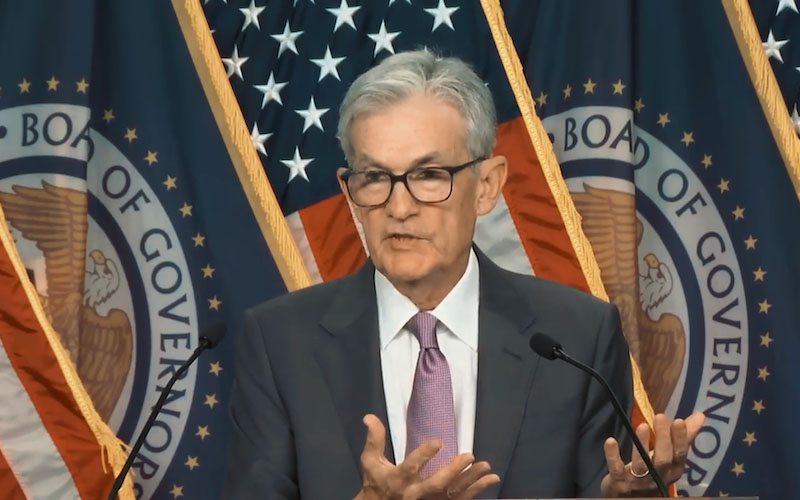
"The Fed's mouthpiece": Powell's actions constrain Trump's ability to "unleash his power" at the Fed.
According to Nick Timiraos, a mouthpiece for the Federal Reserve, Fed Chairman Jerome Powell stated that he will continue to serve as Fed chairman if a successor is not identified before his term ends on May 15. This is his most direct statement to date regarding the upcoming leadership transition at the Fed. Powell further stated that he will not leave the Fed Board of Governors as long as the Justice Department's investigation into him continues. Powell indicated that he has not yet decided whether he will continue to serve on the Fed Board if the investigation concludes and a successor is appointed. It is currently confirmed that Powell can serve on the Fed Board until 2028 after his term as chairman ends. Powell's decision has a significant impact on Trump's ability to restructure the Fed. If Powell remains on the Board, Trump will lose someone he could have personally appointed. Currently, three of the seven members of the Fed Board of Governors are appointed by Trump.
Powell stated that he is prepared to remain in his current position temporarily after his term as Federal Reserve Chairman ends.
The Federal Reserve concluded its two-day monetary policy meeting on the 18th, announcing that it would maintain the target range for the federal funds rate at 3.5% to 3.75%. Fed Chairman Jerome Powell stated that from September to December of last year, the Fed lowered the policy rate by 0.75 percentage points, bringing it back into the reasonable range of the neutral interest rate projections. However, the impact of the evolving situation in the Middle East on the US economy remains uncertain. In the short term, rising energy prices will push up overall inflation, but it is too early to judge the breadth and duration of its potential economic impact. Powell also stated that, according to the median forecast of participants, the appropriate level for the federal funds rate will be 3.4% by the end of this year and 3.1% by the end of next year, a forecast consistent with that of December of last year. However, Powell emphasized that, as always, these individual forecasts are uncertain and do not represent the Committee's plans or decisions. Monetary policy does not have a predetermined path; the Fed will make decisions at each meeting. Powell will end his term as Fed Chairman in May of this year. Powell stated that if a successor is not confirmed by the end of his term as Federal Reserve Chairman, he will continue to serve as "interim chairman" until a successor is formally confirmed. (CCTV News)
Iranian president says attacks on Iranian energy infrastructure could trigger a chain reaction.
On March 18 local time, Iranian President Peskhov issued a statement condemning the attacks on Iran's energy infrastructure, saying that such acts of aggression would not bring any benefit to the enemy or its supporters, but would instead complicate the situation and could trigger uncontrollable chain reactions that could affect the entire world. (CCTV News)
Iranian Parliament Speaker Says Energy Infrastructure Attacks Have Escalated the Confrontation to a New Stage
On March 18 local time, Iranian Parliament Speaker Mohammad Ghalibaf posted on social media, stating, "The enemy wants to cover up their defeats on the battlefield by attacking infrastructure." He emphasized that the current rule is "an eye for an eye," and the confrontation between the two sides has escalated to a new stage. Earlier that day, Iranian sources reported that the South Pars 3-6 gas refinery in Bushehr province was attacked by US and Israeli drones. Iran subsequently warned that US-related oil facilities would be on par with US military bases and would be subjected to heavy artillery fire. (CCTV News)
Spain announces release of strategic oil reserves
The Spanish government announced on the 17th that it would partially release its national strategic oil reserves to cope with the impact on the energy market caused by the blockade of the Strait of Hormuz following the US-Israeli military strikes against Iran. At a press conference on the 17th, the Spanish government stated that the cabinet had approved the release of 11.5 million barrels of oil reserves that day. This oil will be released to the market in batches. The first batch of 3.75 million barrels will be released over 15 days, with the remaining release depending on how the situation develops. (Xinhua)
Iran will launch a full-scale attack on relevant US oil facilities.
Iranian Islamic Revolutionary Guard Corps Navy Commander Tansiri warned today (March 18) that Iran is now treating US-related oil facilities the same as US military bases and will launch a full-scale attack. He urged workers at the facilities and nearby residents to seek refuge. (CCTV International News)
The U.S. Department of Defense is seeking $200 billion in funding for the war against Iraq.
According to The Washington Post, senior U.S. government officials say the Pentagon has asked the White House to approve a congressional budget request exceeding $200 billion to fund a war with Iran. This request, far exceeding the cost of the current large-scale government airstrikes, is almost certain to face resistance from lawmakers opposed to the conflict. The request aims to urgently boost the production capacity of key weapons, which have been heavily depleted in the past three weeks. Some White House officials believe the Pentagon's request is unlikely to be approved by Congress. Sources say the Pentagon has submitted several funding proposals of varying sizes in the past two weeks. This work is being led by Deputy Secretary of Defense Steven Feinberg, whose team has developed a series of funding plans intended to quickly alleviate the Pentagon's ammunition shortage. Senator Tom Cotton, chairman of the Senate Intelligence Committee and a Republican, is also pushing for the inclusion of additional funding for the intelligence community in the final proposal. (CCTV)
Cell "delivery" safely and efficiently: Chinese scientists develop novel mitochondrial capsule transplantation technology.
Reporters learned from the Guangzhou Institutes of Biomedicine and Health, Chinese Academy of Sciences, that the institute, in collaboration with Guangzhou Medical University and other institutions, has recently developed a novel and highly efficient mitochondrial capsule transplantation technology. This technology achieves a first internationally in the safe and efficient "delivery" of healthy mitochondria to cells and tissues by "packaging" them into vesicles. This mitochondrial capsule transplantation technology can improve symptoms of diseases such as Parkinson's disease and mitochondrial DNA deletion syndrome. This research proposes a new "organelle therapy" strategy in the field of regenerative medicine, opening up new treatment avenues for many diseases caused by mitochondrial dysfunction, such as mitochondrial genetic diseases and neurodegenerative diseases. The relevant findings were published on March 18 in the international academic journal *Cell*. (CCTV News)
Key Focus Today
stock market
U.S. stocks closed sharply lower on Wednesday, with the Dow Jones Industrial Average falling 1.63%, the S&P 500 dropping 1.36% to a near four-month low, and the Nasdaq Composite declining 1.46%. The decline was attributed to the Federal Reserve keeping interest rates unchanged as expected, but with the latest forecasts indicating only one rate cut this year, policymakers remained cautious in assessing the economic risks posed by the Middle East conflict.
Meanwhile, reports of attacks on Iranian oil facilities drove Brent crude up by more than 5%, exacerbating market concerns about recurring inflation and an economic slowdown. Earlier data showed that the February PPI rose 3.4% year-on-year, exceeding expectations and further reinforcing tightening expectations.
In terms of individual stocks, Micron Technology's revenue exceeded expectations but it fell slightly in after-hours trading, AMD rose 1.6%, Nvidia fell 0.8%, while Lululemon and Macy's rose 3.8% and 4.7% respectively due to positive earnings.
Gold Market
Gold prices fell sharply on Wednesday, with spot gold dropping nearly 4% to $4,818.83 an ounce, hitting a more than one-month low during the session. The Federal Reserve kept interest rates unchanged as expected, but stated that inflation remained high and predicted only one more rate cut this year. Chairman Powell acknowledged the significant uncertainty caused by the Iran war, leading to a stronger dollar and suppressing demand for gold as a safe haven.
Independent traders pointed out that the Federal Reserve's wait-and-see attitude failed to provide a boost to gold, which has recently been performing as a riskier asset.
Meanwhile, the attack on Iran's Pars gas field escalated the Middle East conflict sharply, keeping oil prices high, while the unexpectedly strong US PPI in February exacerbated inflation concerns. Spot silver, platinum, and palladium fell by 4.2%, 3.9%, and 6.1%, respectively.
oil market
Oil prices rose 4% on Wednesday, with Brent crude futures settling at $107.38 a barrel, having risen as high as $109.95 during the session, marking the second consecutive day above $100. WTI crude futures rose 0.1% to $96.32, but the discount to Brent crude was the largest since May 2019.
Iran’s Revolutionary Guard threatened to attack Gulf energy facilities in retaliation for the attack on the Pars gas field, and then the Ras Raffan industrial city in Qatar was attacked by missiles and severely damaged, drastically escalating the risk of energy supply disruptions in the Middle East.
Analysts point out that the attack on Iran's South Pars gas field directly pushed up oil and gas prices, while the disruption of shipping through the Strait of Hormuz is expected to reduce total Middle Eastern oil production by 7 million to 10 million barrels per day.
To alleviate soaring oil prices, the Trump administration announced a 60-day suspension of the Jones Act and a temporary lifting of federal emissions restrictions on summer-grade gasoline. On the data front, the EIA reported that U.S. crude oil inventories increased by 6.2 million barrels last week, exceeding expectations.
Foreign exchange market
The dollar index rose 0.51% to 100.0 on Wednesday, mainly boosted by the Federal Reserve's hawkish interest rate decision. The Fed kept interest rates unchanged as expected, but its latest forecasts indicate only one rate cut this year, and policymakers are assessing the economic impact of the Middle East conflict on inflation.
Corpay strategists noted that the latest forecasts signal a slowdown in economic growth and higher inflation than in December. The dollar has strengthened overall since the outbreak of the Middle East conflict three weeks ago, hitting a 10-month high last week.
In major currency pairs, the US dollar rose 0.92% against the Swiss franc to 0.792 francs, the euro fell 0.5% to $1.148, the Japanese yen fell 0.43% to 159.7 yen, approaching the intervention range, and the British pound fell 0.46% to $1.3292. Analysts believe that the Federal Reserve has not changed its expectations for interest rate direction, and the yield on US Treasury bonds is higher than it was several months ago, which is beneficial to the US dollar.
On the data front, the US PPI rose 0.7% month-on-month in February, exceeding expectations. The market is now focused on the interest rate decisions of the European Central Bank, the Bank of England, and the Bank of Japan this week.
International News
The probability of the Federal Reserve keeping interest rates unchanged in April has risen to 100%, while expectations for a rate cut in June have cooled significantly . According to the latest data from CME's "FedWatch," the market now expects a 100% probability of the Fed keeping interest rates unchanged at its April meeting, while the probability of a 25 basis point rate cut has dropped to 0%. This means that expectations for a rate cut in the short term have completely disappeared. For the June meeting, the probability of a cumulative 25 basis point rate cut is only 11.2%, while the probability of keeping rates unchanged is 88.8%, indicating that market expectations for a mid-year rate cut have also significantly weakened. This expectation is a significant drop from a few weeks ago. Recent surges in oil prices have exacerbated inflation concerns, coupled with continued strong US economic data, prompting the market to postpone its judgment on the timing of the first rate cut. Fed officials generally maintain a hawkish stance, and the market will continue to focus on subsequent inflation data and policy signals.
US media: Trump wants Israel to postpone further strikes on Iranian energy facilities.
According to the Wall Street Journal, U.S. officials said that following Israel's attack on a key Iranian gas field on Wednesday, Trump hopes to refrain from further strikes against Iranian energy facilities. Officials stated that Trump was aware of the Israeli strike on the South Pars gas field beforehand and supported the action as a signal to Tehran regarding Iran's potential blockade of the Strait of Hormuz. Officials indicated that Trump believes Iran has received this message and currently opposes further attacks on Iranian energy infrastructure. However, they also noted that this depends on Iran's future actions in the Strait of Hormuz, and Trump may again remain open to striking more Iranian energy facilities.
Iran strikes US military bases and Kurdish armed bases in Iraq
On the night of the 18th local time, the Iranian Islamic Revolutionary Guard Corps issued a statement saying that its missile forces launched missile attacks on the US military base in Salam, Sulaymaniyah province, and a Kurdish armed base in Zagoya, Sulaymaniyah province. (CCTV News)
"The Fed's mouthpiece": Powell's actions constrain Trump's ability to "unleash his power" at the Fed.
According to Nick Timiraos, a mouthpiece for the Federal Reserve, Fed Chairman Jerome Powell stated that he will continue to serve as Fed chairman if a successor is not identified before his term ends on May 15. This is his most direct statement to date regarding the upcoming leadership transition at the Fed. Powell further stated that he will not leave the Fed Board of Governors as long as the Justice Department's investigation into him continues. Powell indicated that he has not yet decided whether he will continue to serve on the Fed Board if the investigation concludes and a successor is appointed. It is currently confirmed that Powell can serve on the Fed Board until 2028 after his term as chairman ends. Powell's decision has a significant impact on Trump's ability to restructure the Fed. If Powell remains on the Board, Trump will lose someone he could have personally appointed. Currently, three of the seven members of the Fed Board of Governors are appointed by Trump.
Powell stated that he is prepared to remain in his current position temporarily after his term as Federal Reserve Chairman ends.
The Federal Reserve concluded its two-day monetary policy meeting on the 18th, announcing that it would maintain the target range for the federal funds rate at 3.5% to 3.75%. Fed Chairman Jerome Powell stated that from September to December of last year, the Fed lowered the policy rate by 0.75 percentage points, bringing it back into the reasonable range of the neutral interest rate projections. However, the impact of the evolving situation in the Middle East on the US economy remains uncertain. In the short term, rising energy prices will push up overall inflation, but it is too early to judge the breadth and duration of its potential economic impact. Powell also stated that, according to the median forecast of participants, the appropriate level for the federal funds rate will be 3.4% by the end of this year and 3.1% by the end of next year, a forecast consistent with that of December of last year. However, Powell emphasized that, as always, these individual forecasts are uncertain and do not represent the Committee's plans or decisions. Monetary policy does not have a predetermined path; the Fed will make decisions at each meeting. Powell will end his term as Fed Chairman in May of this year. Powell stated that if a successor is not confirmed by the end of his term as Federal Reserve Chairman, he will continue to serve as "interim chairman" until a successor is formally confirmed. (CCTV News)
Iranian president says attacks on Iranian energy infrastructure could trigger a chain reaction.
On March 18 local time, Iranian President Peskhov issued a statement condemning the attacks on Iran's energy infrastructure, saying that such acts of aggression would not bring any benefit to the enemy or its supporters, but would instead complicate the situation and could trigger uncontrollable chain reactions that could affect the entire world. (CCTV News)
Iranian Parliament Speaker Says Energy Infrastructure Attacks Have Escalated the Confrontation to a New Stage
On March 18 local time, Iranian Parliament Speaker Mohammad Ghalibaf posted on social media, stating, "The enemy wants to cover up their defeats on the battlefield by attacking infrastructure." He emphasized that the current rule is "an eye for an eye," and the confrontation between the two sides has escalated to a new stage. Earlier that day, Iranian sources reported that the South Pars 3-6 gas refinery in Bushehr province was attacked by US and Israeli drones. Iran subsequently warned that US-related oil facilities would be on par with US military bases and would be subjected to heavy artillery fire. (CCTV News)
Spain announces release of strategic oil reserves
The Spanish government announced on the 17th that it would partially release its national strategic oil reserves to cope with the impact on the energy market caused by the blockade of the Strait of Hormuz following the US-Israeli military strikes against Iran. At a press conference on the 17th, the Spanish government stated that the cabinet had approved the release of 11.5 million barrels of oil reserves that day. This oil will be released to the market in batches. The first batch of 3.75 million barrels will be released over 15 days, with the remaining release depending on how the situation develops. (Xinhua)
Iran will launch a full-scale attack on relevant US oil facilities.
Iranian Islamic Revolutionary Guard Corps Navy Commander Tansiri warned today (March 18) that Iran is now treating US-related oil facilities the same as US military bases and will launch a full-scale attack. He urged workers at the facilities and nearby residents to seek refuge. (CCTV International News)
The U.S. Department of Defense is seeking $200 billion in funding for the war against Iraq.
According to The Washington Post, senior U.S. government officials say the Pentagon has asked the White House to approve a congressional budget request exceeding $200 billion to fund a war with Iran. This request, far exceeding the cost of the current large-scale government airstrikes, is almost certain to face resistance from lawmakers opposed to the conflict. The request aims to urgently boost the production capacity of key weapons, which have been heavily depleted in the past three weeks. Some White House officials believe the Pentagon's request is unlikely to be approved by Congress. Sources say the Pentagon has submitted several funding proposals of varying sizes in the past two weeks. This work is being led by Deputy Secretary of Defense Steven Feinberg, whose team has developed a series of funding plans intended to quickly alleviate the Pentagon's ammunition shortage. Senator Tom Cotton, chairman of the Senate Intelligence Committee and a Republican, is also pushing for the inclusion of additional funding for the intelligence community in the final proposal. (CCTV)
Domestic News
Cell "delivery" safely and efficiently: Chinese scientists develop novel mitochondrial capsule transplantation technology.
Reporters learned from the Guangzhou Institutes of Biomedicine and Health, Chinese Academy of Sciences, that the institute, in collaboration with Guangzhou Medical University and other institutions, has recently developed a novel and highly efficient mitochondrial capsule transplantation technology. This technology achieves a first internationally in the safe and efficient "delivery" of healthy mitochondria to cells and tissues by "packaging" them into vesicles. This mitochondrial capsule transplantation technology can improve symptoms of diseases such as Parkinson's disease and mitochondrial DNA deletion syndrome. This research proposes a new "organelle therapy" strategy in the field of regenerative medicine, opening up new treatment avenues for many diseases caused by mitochondrial dysfunction, such as mitochondrial genetic diseases and neurodegenerative diseases. The relevant findings were published on March 18 in the international academic journal *Cell*. (CCTV News)
- Risk Warning and Disclaimer
- The market involves risk, and trading may not be suitable for all investors. This article is for reference only and does not constitute personal investment advice, nor does it take into account certain users’ specific investment objectives, financial situation, or other needs. Any investment decisions made based on this information are at your own risk.