













Attack on Iran's Pars gas field ignites fire, plunging the global oil and gas crisis into its most dangerous phase.
2026-03-19 09:36:37
As the conflict between the US, Israel, and Iran in the Middle East enters its most intense phase, the Pars gas field (Iranian portion), the world's largest gas field shared by Iran and Qatar, was heavily attacked on Wednesday. Gas tanks and refining facilities caught fire, and workers were evacuated. This is the first direct attack on a core energy production facility since the outbreak of the war, marking a full-scale escalation of the conflict from military targets to the global energy lifeline.
Iran immediately announced retaliatory strikes against oil and gas facilities throughout the Gulf region, listing several key targets in Saudi Arabia, the UAE, and Qatar, and warning personnel to evacuate immediately or face attacks within hours. Brent crude oil prices surged by about 5%, breaking through $108 per barrel, plunging the global energy market into extreme panic.
The Pars gas field is the Iranian side of the South Pars/North Dome gas field, and its reserves account for about 8% of the world's total natural gas reserves. It is Iran's most important natural gas production and export base.
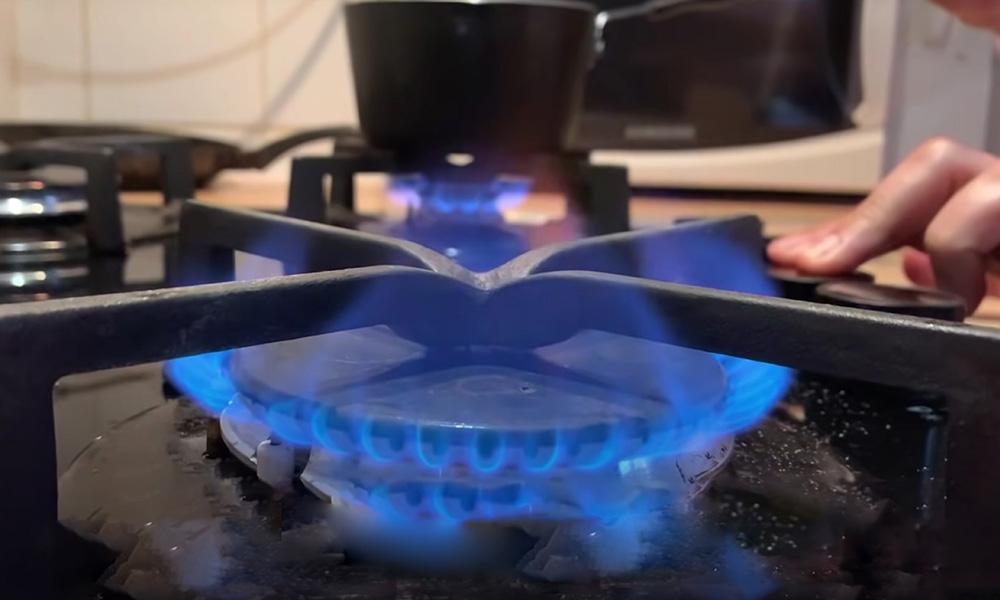
Iran's Fars News Agency reported that the attack caused fires in gas tanks and parts of the oil refining facilities. Although the fires were subsequently brought under control, they have already caused a severe disruption to production. Iranian state media confirmed that emergency responders have evacuated workers to safe areas and are working to extinguish the blaze.
Israeli media widely reported that the attack was carried out with the tacit approval of the United States, but neither country's government immediately claimed responsibility. The Israeli military did not respond to requests for comment.
Qatar's Ministry of Foreign Affairs strongly condemned the attack, calling it "dangerous and irresponsible" and a serious threat to global energy security. The United Arab Emirates also issued a statement of condemnation. As Qatar's most important military ally in the Middle East, and home to the region's largest US military base, the attack has heightened tensions among Gulf states.
Iran subsequently issued a strong statement, designating Saudi Arabia's Samref oil refinery and Jubail petrochemical complex, the UAE's Hossein gas field, and Qatar's Mesaid petrochemical complex, Mesaid Holding Company, and Ras Lafan oil refinery as "direct and legitimate targets," demanding the immediate evacuation of personnel from these sites. Iran stated that these facilities would be priority targets for attack in the coming hours.
For nearly three weeks prior to the conflict, the US and Israel had avoided directly striking Iranian energy production facilities in the Gulf region to prevent triggering a full-scale Iranian retaliation against neighboring countries' oil and gas industries. Now, this red line has been crossed, and global energy supplies face an unprecedented systemic threat.
The Strait of Hormuz, a vital waterway carrying 20% of the world's oil and liquefied natural gas, is effectively closed. Consumer countries had hoped that the preservation of production facilities would temporarily mitigate the disruption, but the attack on the gas field shattered that illusion.
Iran has confirmed that its Supreme Intelligence Chief, Esmail Khatib, was killed in an Israeli airstrike, a day after Ali Larijani, secretary of the Supreme National Security Council, his son Mortaza Larijani, deputy security affairs officer Alireza Bayat, and several other members of his entourage were killed.
Israeli Defense Minister Israel Katz stated, "No one in Iran is exempt; everyone is under the sights." He added that he and Prime Minister Netanyahu have authorized the military to target any senior Iranian official without additional approval should an intelligence and operational opportunity arise.
Israel launched simultaneous airstrikes across Lebanon, destroying multiple apartment buildings in downtown Beirut in one of the most devastating bombings of the Lebanese capital in decades. According to the Lebanese Ministry of Health, more than 800 people have been killed, while UN data indicates nearly one million have been displaced.
Iran's Islamic Revolutionary Guard Corps (IRGC) announced on Wednesday the 61st wave of Operation True Promise-4 in retaliation for the assassination of Larijani. The IRGC used Castle Destroyer and Imad missiles, as well as multiple independently targetable reentry vehicles (MIRVs) Khorramshahr-4 and Qader missiles, to strike more than 100 military and security targets in Tel Aviv. Iranian state media claimed the missiles hit their targets "without any interference," causing power outages in parts of Tel Aviv and resulting in more than 230 casualties.
The attack on the Pars gas field and Iran's threat of full-scale retaliation have pushed the global energy crisis to a tipping point. Brent crude oil prices surged to over $108, and stock markets plummeted in response.
Iran has blocked the Strait of Hormuz, and Qatar's LNG production capacity of 77 million tons per year has been disrupted due to an attack on facilities, further exacerbating the global natural gas supply shortage.
Asian countries are accelerating their shift to coal and nuclear power to cope with energy shortages.
Overall, the attack on the Pars gas field marks the escalation of the war between Iran and the Gulf states from military confrontation to a battle for energy survival. Iran has designated all energy facilities in the Gulf states as legitimate targets, and the global oil and gas supply faces an unprecedented risk of systemic collapse.
Israel's targeted killings of Iranian security leaders and its nationwide airstrikes in Lebanon have further escalated the conflict.
In the coming hours and weeks, whether Iran delivers on its promises of retaliation, the duration of the Straits blockade, and the level of coordination among major powers will directly determine global energy prices, inflation levels, and the prospects for economic stability.
Investors and governments need to be highly vigilant as this round of Middle East crisis has evolved into a "nuclear-level" event for the global energy and financial markets, and any misjudgment could trigger a chain of disasters.
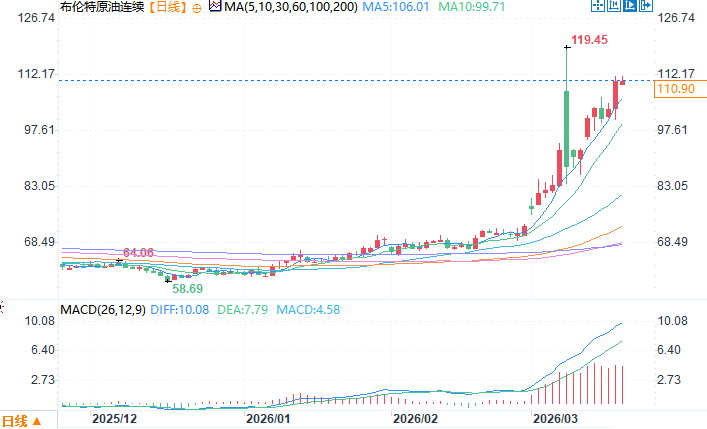
Brent crude oil daily chart source: EasyForex
At 9:36 AM Beijing time on March 19, Brent crude oil futures were trading at $110.90 per barrel.
Iran immediately announced retaliatory strikes against oil and gas facilities throughout the Gulf region, listing several key targets in Saudi Arabia, the UAE, and Qatar, and warning personnel to evacuate immediately or face attacks within hours. Brent crude oil prices surged by about 5%, breaking through $108 per barrel, plunging the global energy market into extreme panic.
Pars Gas Field Attacked: World's Largest Gas Field Becomes Direct Target for the First Time
The Pars gas field is the Iranian side of the South Pars/North Dome gas field, and its reserves account for about 8% of the world's total natural gas reserves. It is Iran's most important natural gas production and export base.
Iran's Fars News Agency reported that the attack caused fires in gas tanks and parts of the oil refining facilities. Although the fires were subsequently brought under control, they have already caused a severe disruption to production. Iranian state media confirmed that emergency responders have evacuated workers to safe areas and are working to extinguish the blaze.
Israeli media widely reported that the attack was carried out with the tacit approval of the United States, but neither country's government immediately claimed responsibility. The Israeli military did not respond to requests for comment.
Qatar's Ministry of Foreign Affairs strongly condemned the attack, calling it "dangerous and irresponsible" and a serious threat to global energy security. The United Arab Emirates also issued a statement of condemnation. As Qatar's most important military ally in the Middle East, and home to the region's largest US military base, the attack has heightened tensions among Gulf states.
Iran vows full retaliation: Gulf energy facilities are all within range.
Iran subsequently issued a strong statement, designating Saudi Arabia's Samref oil refinery and Jubail petrochemical complex, the UAE's Hossein gas field, and Qatar's Mesaid petrochemical complex, Mesaid Holding Company, and Ras Lafan oil refinery as "direct and legitimate targets," demanding the immediate evacuation of personnel from these sites. Iran stated that these facilities would be priority targets for attack in the coming hours.
For nearly three weeks prior to the conflict, the US and Israel had avoided directly striking Iranian energy production facilities in the Gulf region to prevent triggering a full-scale Iranian retaliation against neighboring countries' oil and gas industries. Now, this red line has been crossed, and global energy supplies face an unprecedented systemic threat.
The Strait of Hormuz, a vital waterway carrying 20% of the world's oil and liquefied natural gas, is effectively closed. Consumer countries had hoped that the preservation of production facilities would temporarily mitigate the disruption, but the attack on the gas field shattered that illusion.
The intelligence minister and security chief were assassinated in succession, and Israel launched airstrikes throughout Beirut.
Iran has confirmed that its Supreme Intelligence Chief, Esmail Khatib, was killed in an Israeli airstrike, a day after Ali Larijani, secretary of the Supreme National Security Council, his son Mortaza Larijani, deputy security affairs officer Alireza Bayat, and several other members of his entourage were killed.
Israeli Defense Minister Israel Katz stated, "No one in Iran is exempt; everyone is under the sights." He added that he and Prime Minister Netanyahu have authorized the military to target any senior Iranian official without additional approval should an intelligence and operational opportunity arise.
Israel launched simultaneous airstrikes across Lebanon, destroying multiple apartment buildings in downtown Beirut in one of the most devastating bombings of the Lebanese capital in decades. According to the Lebanese Ministry of Health, more than 800 people have been killed, while UN data indicates nearly one million have been displaced.
Iran launched the 61st wave of its "True Commitment-4" offensive, with missiles striking Tel Aviv.
Iran's Islamic Revolutionary Guard Corps (IRGC) announced on Wednesday the 61st wave of Operation True Promise-4 in retaliation for the assassination of Larijani. The IRGC used Castle Destroyer and Imad missiles, as well as multiple independently targetable reentry vehicles (MIRVs) Khorramshahr-4 and Qader missiles, to strike more than 100 military and security targets in Tel Aviv. Iranian state media claimed the missiles hit their targets "without any interference," causing power outages in parts of Tel Aviv and resulting in more than 230 casualties.
The global energy crisis has entered its most dangerous phase, with both oil prices and stock markets experiencing explosive growth.
The attack on the Pars gas field and Iran's threat of full-scale retaliation have pushed the global energy crisis to a tipping point. Brent crude oil prices surged to over $108, and stock markets plummeted in response.
Iran has blocked the Strait of Hormuz, and Qatar's LNG production capacity of 77 million tons per year has been disrupted due to an attack on facilities, further exacerbating the global natural gas supply shortage.
Asian countries are accelerating their shift to coal and nuclear power to cope with energy shortages.
Overall, the attack on the Pars gas field marks the escalation of the war between Iran and the Gulf states from military confrontation to a battle for energy survival. Iran has designated all energy facilities in the Gulf states as legitimate targets, and the global oil and gas supply faces an unprecedented risk of systemic collapse.
Israel's targeted killings of Iranian security leaders and its nationwide airstrikes in Lebanon have further escalated the conflict.
In the coming hours and weeks, whether Iran delivers on its promises of retaliation, the duration of the Straits blockade, and the level of coordination among major powers will directly determine global energy prices, inflation levels, and the prospects for economic stability.
Investors and governments need to be highly vigilant as this round of Middle East crisis has evolved into a "nuclear-level" event for the global energy and financial markets, and any misjudgment could trigger a chain of disasters.
Brent crude oil daily chart source: EasyForex
At 9:36 AM Beijing time on March 19, Brent crude oil futures were trading at $110.90 per barrel.
- Risk Warning and Disclaimer
- The market involves risk, and trading may not be suitable for all investors. This article is for reference only and does not constitute personal investment advice, nor does it take into account certain users’ specific investment objectives, financial situation, or other needs. Any investment decisions made based on this information are at your own risk.

