Powell stated that uncertainty is unprecedented, and the Federal Reserve predicts only one rate cut this year.
2026-03-19 15:18:08
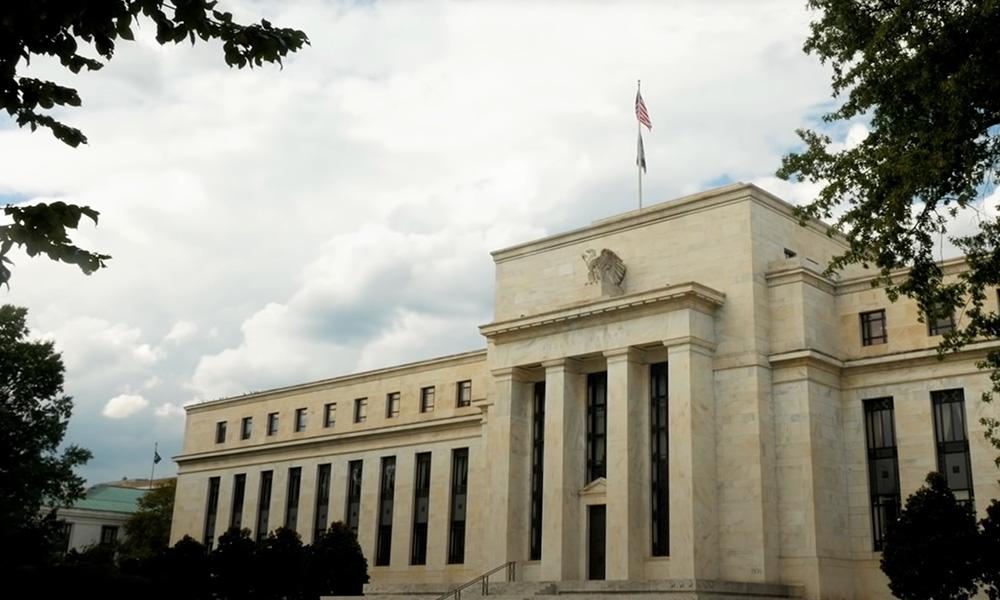
Amidst a full-blown escalation of conflict between the US and Israel in the Middle East and Iran, and the largest disruption to global energy supplies in history, the Federal Reserve concluded its two-day Federal Open Market Committee (FOMC) meeting on Wednesday, deciding to maintain the federal funds rate at 3.50%-3.75% for the second consecutive year. The Fed also raised its inflation forecast for this year and maintained its prediction of only one rate cut throughout the year.
Federal Reserve Chairman Jerome Powell admitted at the post-meeting press conference that the uncertainty brought about by the war in Iran makes the economic outlook "virtually unpredictable," and the Fed must make a difficult trade-off between the upside risks to inflation and the slowdown in economic growth.
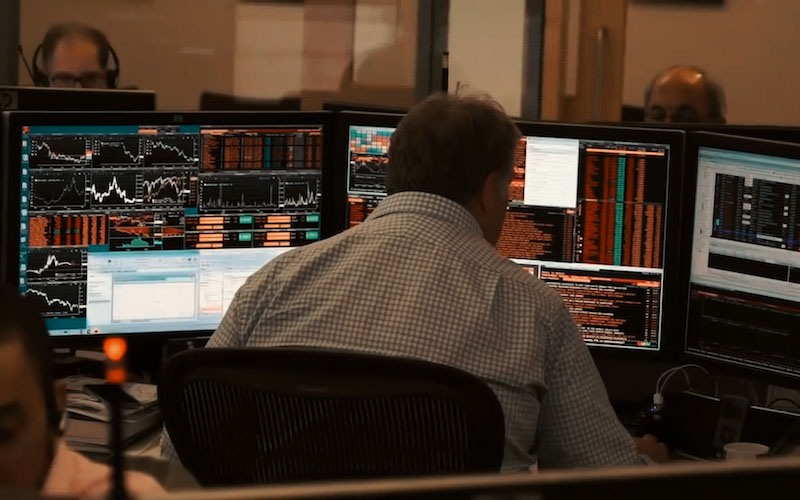
Market hopes for short-term easing have largely been dashed, and investors are turning to long-term bonds, commodities, and high-dividend stocks for safe haven.
The Federal Reserve made only minor adjustments in its post-meeting statement. The Summary of Economic Projections (SEP) and the "dot plot" showed that the core PCE inflation expectation was revised upward to 2.7% from 2.5% in December.
The dot plot shows that most officials still expect only one 25 basis point rate cut in 2026, with significant differences in the path in 2027, presenting an overall high degree of uncertainty.
"The market is caught in a multitude of reasons for tension and uncertainty, including what's happening at the Fed," said Mark Spindel, chief investment officer at Potomac River Capital. He added, "The Fed's threshold for further rate cuts is likely quite high."
Before the outbreak of the Iran-Iraq War, the market had anticipated an interest rate cut in June, followed by at least one more before the end of the year. However, the conflict caused oil prices to surge by more than 40%, with Brent crude breaking through $110 per barrel, significantly raising inflation expectations and forcing the market to postpone its expectations for interest rate cuts considerably.
Data from the London Stock Exchange Group (LSEG) shows that the market is currently pricing in only about 14 basis points of easing until December, far below the pre-war 55 basis points.
Powell repeatedly emphasized the current environment is fraught with uncertainty during the press conference.
He stated, "Nobody knows how big the economic impact will be; it could be bigger, it could be smaller, or it could be much bigger or much smaller than expected." He added that the Fed not only needs to assess the oil price shock but also the imported inflationary pressures from the slow progress of Trump's tariff policies.
Jack Ablin, chief investment officer at Cresset Capital, said: “Powell has not only pointed to the problem of high energy prices, but also tariffs… He is now really focused on inflation. I believe there will be more and more people who think they will not cut rates at all this year.”
Empower's chief investment strategist, Marta Norton, noted, "People were far ahead of the curve in anticipating Fed rate cuts, and now I think people have really pulled those expectations back. So if you're bullish on stocks because of monetary stimulus, this might not be the short-term catalyst you're looking for."
“Overall, this highlights a delicate balance,” said Brent Schutte, chief investment officer at Northwestern Mutual Wealth Management. “We haven’t made any progress on inflation, but the labor market remains weak and is actually showing signs of further weakness.”
The Federal Reserve's dual mandate requires achieving both full employment and price stability. Lowering interest rates helps support employment but could exacerbate inflation; maintaining high interest rates helps curb prices but could further weaken the job market. The Iran war, which caused energy prices to soar, has exacerbated this contradiction.
This meeting was Powell's penultimate interest rate meeting as chairman, and his remarks were closely watched.
Powell reiterated that he will remain on the board until a successor is confirmed and will not leave until the investigation into him concludes. He added that he will temporarily remain as "interim chairman" until his successor, Kevin Warsh, nominated by Trump, is confirmed by the Senate.
North Carolina Republican Senator Thom Tillis has pledged to block Warsh's nomination until the criminal investigation into Powell's Federal Reserve headquarters renovation project concludes. This means Powell may remain in office beyond May, and a significant shift in the Fed's policy path is unlikely in the short term.
Following the Federal Reserve meeting, the S&P 500 fell 1.4%, the dollar index rose, and the 10-year Treasury yield briefly climbed to 4.28%. Market hopes for further easing by the Fed cooled significantly, and investors began turning to long-term bonds, commodities, and high-dividend stocks for safe haven.
Ablin stated that stocks paying consistently growing dividends "could be a good safe haven" as investors prepare for an evolving landscape. Phil Blancato, chief market strategist at Osek, said, "Given robust inflation, I tend to overweight commodities, but I'm not optimistic about U.S. equities."
Overall , the energy shock triggered by the Iran war and rising inflation expectations forced the Federal Reserve to maintain a cautious stance at this week's policy meeting. Market hopes for a near-term rate cut have been largely dashed, and the Fed will face a difficult trade-off between upside risks to inflation and slowing economic growth.
Powell's final statements as chairman will have a significant impact on market expectations. If the Fed maintains its high-interest-rate stance and lowers expectations for rate cuts, the dollar and Treasury yields may strengthen further, while stocks and growth stocks will face greater pressure.
Investors need to closely monitor the Fed's assessment of inflation and employment, the latest developments in the Middle East, and the confirmation process for Warsh's nomination. These factors will directly determine the future direction of monetary policy and the global asset allocation landscape. In the short term, the Fed is highly likely to maintain interest rates, and the relative strength of the US dollar may continue. Meanwhile, the protracted risk of the Iran war will continue to inject high uncertainty into global financial markets.
Federal Reserve Chairman Jerome Powell admitted at the post-meeting press conference that the uncertainty brought about by the war in Iran makes the economic outlook "virtually unpredictable," and the Fed must make a difficult trade-off between the upside risks to inflation and the slowdown in economic growth.
Market hopes for short-term easing have largely been dashed, and investors are turning to long-term bonds, commodities, and high-dividend stocks for safe haven.
The Federal Reserve kept interest rates unchanged, leaving only one rate cut remaining in the dot plot.
The Federal Reserve made only minor adjustments in its post-meeting statement. The Summary of Economic Projections (SEP) and the "dot plot" showed that the core PCE inflation expectation was revised upward to 2.7% from 2.5% in December.
The dot plot shows that most officials still expect only one 25 basis point rate cut in 2026, with significant differences in the path in 2027, presenting an overall high degree of uncertainty.
"The market is caught in a multitude of reasons for tension and uncertainty, including what's happening at the Fed," said Mark Spindel, chief investment officer at Potomac River Capital. He added, "The Fed's threshold for further rate cuts is likely quite high."
Before the outbreak of the Iran-Iraq War, the market had anticipated an interest rate cut in June, followed by at least one more before the end of the year. However, the conflict caused oil prices to surge by more than 40%, with Brent crude breaking through $110 per barrel, significantly raising inflation expectations and forcing the market to postpone its expectations for interest rate cuts considerably.
Data from the London Stock Exchange Group (LSEG) shows that the market is currently pricing in only about 14 basis points of easing until December, far below the pre-war 55 basis points.
Powell: The impact of war is unpredictable; inflation and tariffs exert dual pressure.
Powell repeatedly emphasized the current environment is fraught with uncertainty during the press conference.
He stated, "Nobody knows how big the economic impact will be; it could be bigger, it could be smaller, or it could be much bigger or much smaller than expected." He added that the Fed not only needs to assess the oil price shock but also the imported inflationary pressures from the slow progress of Trump's tariff policies.
Jack Ablin, chief investment officer at Cresset Capital, said: “Powell has not only pointed to the problem of high energy prices, but also tariffs… He is now really focused on inflation. I believe there will be more and more people who think they will not cut rates at all this year.”
Empower's chief investment strategist, Marta Norton, noted, "People were far ahead of the curve in anticipating Fed rate cuts, and now I think people have really pulled those expectations back. So if you're bullish on stocks because of monetary stimulus, this might not be the short-term catalyst you're looking for."
The Federal Reserve is caught in a dilemma as weak employment and persistent inflation coexist.
“Overall, this highlights a delicate balance,” said Brent Schutte, chief investment officer at Northwestern Mutual Wealth Management. “We haven’t made any progress on inflation, but the labor market remains weak and is actually showing signs of further weakness.”
The Federal Reserve's dual mandate requires achieving both full employment and price stability. Lowering interest rates helps support employment but could exacerbate inflation; maintaining high interest rates helps curb prices but could further weaken the job market. The Iran war, which caused energy prices to soar, has exacerbated this contradiction.
Powell's term countdown continues, Walsh's succession still faces obstacles.
This meeting was Powell's penultimate interest rate meeting as chairman, and his remarks were closely watched.
Powell reiterated that he will remain on the board until a successor is confirmed and will not leave until the investigation into him concludes. He added that he will temporarily remain as "interim chairman" until his successor, Kevin Warsh, nominated by Trump, is confirmed by the Senate.
North Carolina Republican Senator Thom Tillis has pledged to block Warsh's nomination until the criminal investigation into Powell's Federal Reserve headquarters renovation project concludes. This means Powell may remain in office beyond May, and a significant shift in the Fed's policy path is unlikely in the short term.
Market reaction: Stocks sold off, and the dollar and US Treasury yields rose.
Following the Federal Reserve meeting, the S&P 500 fell 1.4%, the dollar index rose, and the 10-year Treasury yield briefly climbed to 4.28%. Market hopes for further easing by the Fed cooled significantly, and investors began turning to long-term bonds, commodities, and high-dividend stocks for safe haven.
Ablin stated that stocks paying consistently growing dividends "could be a good safe haven" as investors prepare for an evolving landscape. Phil Blancato, chief market strategist at Osek, said, "Given robust inflation, I tend to overweight commodities, but I'm not optimistic about U.S. equities."
Overall , the energy shock triggered by the Iran war and rising inflation expectations forced the Federal Reserve to maintain a cautious stance at this week's policy meeting. Market hopes for a near-term rate cut have been largely dashed, and the Fed will face a difficult trade-off between upside risks to inflation and slowing economic growth.
Powell's final statements as chairman will have a significant impact on market expectations. If the Fed maintains its high-interest-rate stance and lowers expectations for rate cuts, the dollar and Treasury yields may strengthen further, while stocks and growth stocks will face greater pressure.
Investors need to closely monitor the Fed's assessment of inflation and employment, the latest developments in the Middle East, and the confirmation process for Warsh's nomination. These factors will directly determine the future direction of monetary policy and the global asset allocation landscape. In the short term, the Fed is highly likely to maintain interest rates, and the relative strength of the US dollar may continue. Meanwhile, the protracted risk of the Iran war will continue to inject high uncertainty into global financial markets.
- Risk Warning and Disclaimer
- The market involves risk, and trading may not be suitable for all investors. This article is for reference only and does not constitute personal investment advice, nor does it take into account certain users’ specific investment objectives, financial situation, or other needs. Any investment decisions made based on this information are at your own risk.