The world's largest gas field was attacked, and Iran vowed to bomb the entire Gulf! Oil prices soared, and an energy tsunami was imminent.
2026-03-19 09:56:55
Iran accused Israel on Wednesday (March 18) of attacking its facilities at the South Pars gas field, a major escalation in the US-Israel war that sent oil prices soaring.
Iran then vowed to strike oil and gas targets throughout the Gulf region and launched missiles at Qatar and Saudi Arabia. South Pars, part of the world's largest natural gas reserves and shared with Qatar across the Gulf, was targeted by the attack, which directly threatens regional energy security and global supply stability.
During Thursday's Asian trading session, US crude oil prices fluctuated upwards and are currently trading around $98.00 per barrel, with a daily increase of about 2.6%.
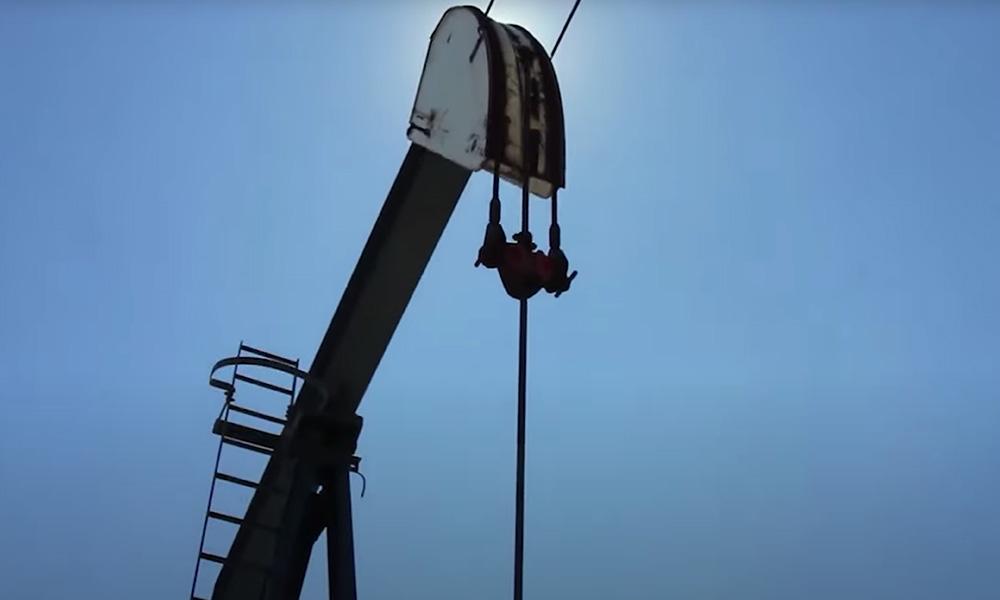
South Pars is the Iranian portion of the world's largest natural gas storage facility, shared by Iran and Qatar, a close ally of the United States. Iran's Fars News Agency reported that gas tanks and parts of the refinery were hit, and workers had been evacuated. State media later stated that the fire was under control.
Israel has not publicly acknowledged responsibility, but The Wall Street Journal, citing unnamed U.S. officials, reported that Trump knew about Israel's plan to attack the gas field beforehand and gave his support.
Qatar Energy, the country's state-owned oil giant, reported that the energy industrial city of Ras Raffan suffered "extensive damage" after being hit by Iranian missiles.
Qatar's Foreign Ministry condemned Israel's "dangerous and irresponsible" attack on Iran's South Pars facility, while also condemning Iran's "blatant violation" of international law and expelling two senior Iranian diplomats.
As the world's largest LNG exporter, Qatar is directly threatened by this attack on its energy export capacity and economic lifeline.
Saudi Arabia says it has intercepted and destroyed four ballistic missiles launched toward Riyadh on Wednesday, as well as a failed drone attack on a gas facility in the country’s east.
As the world's largest oil exporter, Saudi Arabia is extremely sensitive to its energy infrastructure. This successful interception demonstrates its air defense capabilities, but also highlights the continued presence of Iranian proxy networks and missile threats.
Iran listed several prominent regional oil and gas facilities as “direct and legitimate targets,” including: the Samref Refinery and Jubail Petrochemical Complex in Saudi Arabia, the Al Hosn Gas Field in the UAE, the Mesaieed Petrochemical Complex, Mesaieed Holding Company, and Ras Laffan in Qatar.
Iran has demanded the immediate evacuation of these facilities to avoid missile attacks. International law prohibits attacks on civilian energy infrastructure, but Iran views this as reciprocal retaliation for Israel's attack on South Pars.
The Wall Street Journal, citing unnamed U.S. officials, reported that Trump knew in advance about Israel's plan to attack the South Pars gas field and gave his support.
Israel has not publicly acknowledged responsibility, but French President Macron spoke with the Emir of Qatar and Trump on Thursday, calling for a "pause in attacks on civilian infrastructure," particularly water and energy facilities.
EU foreign policy chief Kaya Karas spoke with the Iranian foreign minister, stating that safe passage through the Straits of Hormuz is a priority for Europe and that he supports resolving the war through diplomacy.
The conflict has rapidly spread to neighboring countries, disrupting energy production and shipping across the region and now potentially causing lasting damage to its infrastructure. Oil and gas prices are fluctuating at high levels. Iran has effectively closed the Strait of Hormuz, which handles 20% of the world's oil and liquefied natural gas supplies.
Consumer countries hope that production infrastructure will be spared from damage, and that the disruption will be temporary, but the current situation is reigniting market panic.
Iran accused Israel of attacking the South Pars gas field (the Iranian portion of the world's largest reserves, shared with Qatar), a major escalation of the US-Israel war that led to a sharp rise in oil prices.
Iran subsequently launched missiles at Qatari and Saudi energy facilities. The Ras Raffarin industrial city, Qatar's energy hub, suffered extensive damage. Qatar condemned Israel and Iran and expelled Iranian diplomats. Saudi Arabia intercepted four ballistic missiles, thwarting a drone attack on its eastern gas facilities.
Iran has listed several energy targets in the Gulf and demanded their immediate evacuation. Trump was aware of and supported this beforehand, while Israel has not publicly acknowledged responsibility. Oil prices are fluctuating at high levels, exacerbating energy supply disruptions. Global inflationary and economic slowdown pressures continue to mount; investors should be wary of a new wave of panic triggered by escalating Iranian retaliation, and pay close attention to the resumption of navigation in the Strait and progress in international coordination.
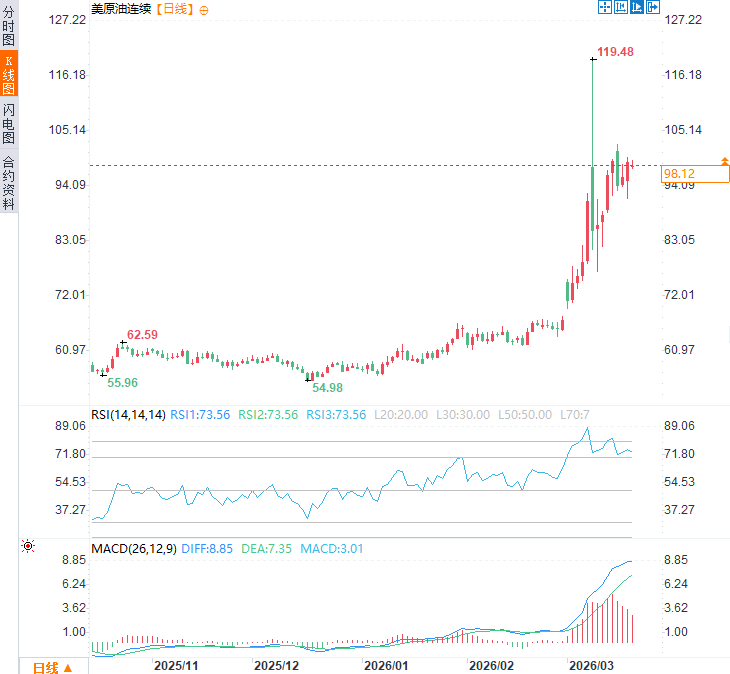
(US crude oil daily chart, source: FX678)
At 9:54 AM Beijing time, US crude oil futures were trading at $97.97 per barrel.
Iran then vowed to strike oil and gas targets throughout the Gulf region and launched missiles at Qatar and Saudi Arabia. South Pars, part of the world's largest natural gas reserves and shared with Qatar across the Gulf, was targeted by the attack, which directly threatens regional energy security and global supply stability.
During Thursday's Asian trading session, US crude oil prices fluctuated upwards and are currently trading around $98.00 per barrel, with a daily increase of about 2.6%.
Part of the world's largest natural gas field in Iran was attacked; Qatar will share the storage.
South Pars is the Iranian portion of the world's largest natural gas storage facility, shared by Iran and Qatar, a close ally of the United States. Iran's Fars News Agency reported that gas tanks and parts of the refinery were hit, and workers had been evacuated. State media later stated that the fire was under control.
Israel has not publicly acknowledged responsibility, but The Wall Street Journal, citing unnamed U.S. officials, reported that Trump knew about Israel's plan to attack the gas field beforehand and gave his support.
Ras Lafan industrial city suffered extensive damage; Qatar condemned Israel and Iran and expelled diplomats.
Qatar Energy, the country's state-owned oil giant, reported that the energy industrial city of Ras Raffan suffered "extensive damage" after being hit by Iranian missiles.
Qatar's Foreign Ministry condemned Israel's "dangerous and irresponsible" attack on Iran's South Pars facility, while also condemning Iran's "blatant violation" of international law and expelling two senior Iranian diplomats.
As the world's largest LNG exporter, Qatar is directly threatened by this attack on its energy export capacity and economic lifeline.
Intercepted four ballistic missiles, thwarting drone attack on eastern gas facilities.
Saudi Arabia says it has intercepted and destroyed four ballistic missiles launched toward Riyadh on Wednesday, as well as a failed drone attack on a gas facility in the country’s east.
As the world's largest oil exporter, Saudi Arabia is extremely sensitive to its energy infrastructure. This successful interception demonstrates its air defense capabilities, but also highlights the continued presence of Iranian proxy networks and missile threats.
Listing several Gulf energy targets, demanding immediate evacuation
Iran listed several prominent regional oil and gas facilities as “direct and legitimate targets,” including: the Samref Refinery and Jubail Petrochemical Complex in Saudi Arabia, the Al Hosn Gas Field in the UAE, the Mesaieed Petrochemical Complex, Mesaieed Holding Company, and Ras Laffan in Qatar.
Iran has demanded the immediate evacuation of these facilities to avoid missile attacks. International law prohibits attacks on civilian energy infrastructure, but Iran views this as reciprocal retaliation for Israel's attack on South Pars.
Trump was aware of and supported the agreement beforehand; Israel has not publicly acknowledged responsibility.
The Wall Street Journal, citing unnamed U.S. officials, reported that Trump knew in advance about Israel's plan to attack the South Pars gas field and gave his support.
Israel has not publicly acknowledged responsibility, but French President Macron spoke with the Emir of Qatar and Trump on Thursday, calling for a "pause in attacks on civilian infrastructure," particularly water and energy facilities.
EU foreign policy chief Kaya Karas spoke with the Iranian foreign minister, stating that safe passage through the Straits of Hormuz is a priority for Europe and that he supports resolving the war through diplomacy.
Oil prices fluctuated at high levels, and energy supply disruptions intensified.
The conflict has rapidly spread to neighboring countries, disrupting energy production and shipping across the region and now potentially causing lasting damage to its infrastructure. Oil and gas prices are fluctuating at high levels. Iran has effectively closed the Strait of Hormuz, which handles 20% of the world's oil and liquefied natural gas supplies.
Consumer countries hope that production infrastructure will be spared from damage, and that the disruption will be temporary, but the current situation is reigniting market panic.
Editor's Summary
Iran accused Israel of attacking the South Pars gas field (the Iranian portion of the world's largest reserves, shared with Qatar), a major escalation of the US-Israel war that led to a sharp rise in oil prices.
Iran subsequently launched missiles at Qatari and Saudi energy facilities. The Ras Raffarin industrial city, Qatar's energy hub, suffered extensive damage. Qatar condemned Israel and Iran and expelled Iranian diplomats. Saudi Arabia intercepted four ballistic missiles, thwarting a drone attack on its eastern gas facilities.
Iran has listed several energy targets in the Gulf and demanded their immediate evacuation. Trump was aware of and supported this beforehand, while Israel has not publicly acknowledged responsibility. Oil prices are fluctuating at high levels, exacerbating energy supply disruptions. Global inflationary and economic slowdown pressures continue to mount; investors should be wary of a new wave of panic triggered by escalating Iranian retaliation, and pay close attention to the resumption of navigation in the Strait and progress in international coordination.
(US crude oil daily chart, source: FX678)
At 9:54 AM Beijing time, US crude oil futures were trading at $97.97 per barrel.
- Risk Warning and Disclaimer
- The market involves risk, and trading may not be suitable for all investors. This article is for reference only and does not constitute personal investment advice, nor does it take into account certain users’ specific investment objectives, financial situation, or other needs. Any investment decisions made based on this information are at your own risk.