Interest Rate Decision Outlook: Can the Bank of England Avoid the Mistakes of 2022?
2026-03-19 17:30:54
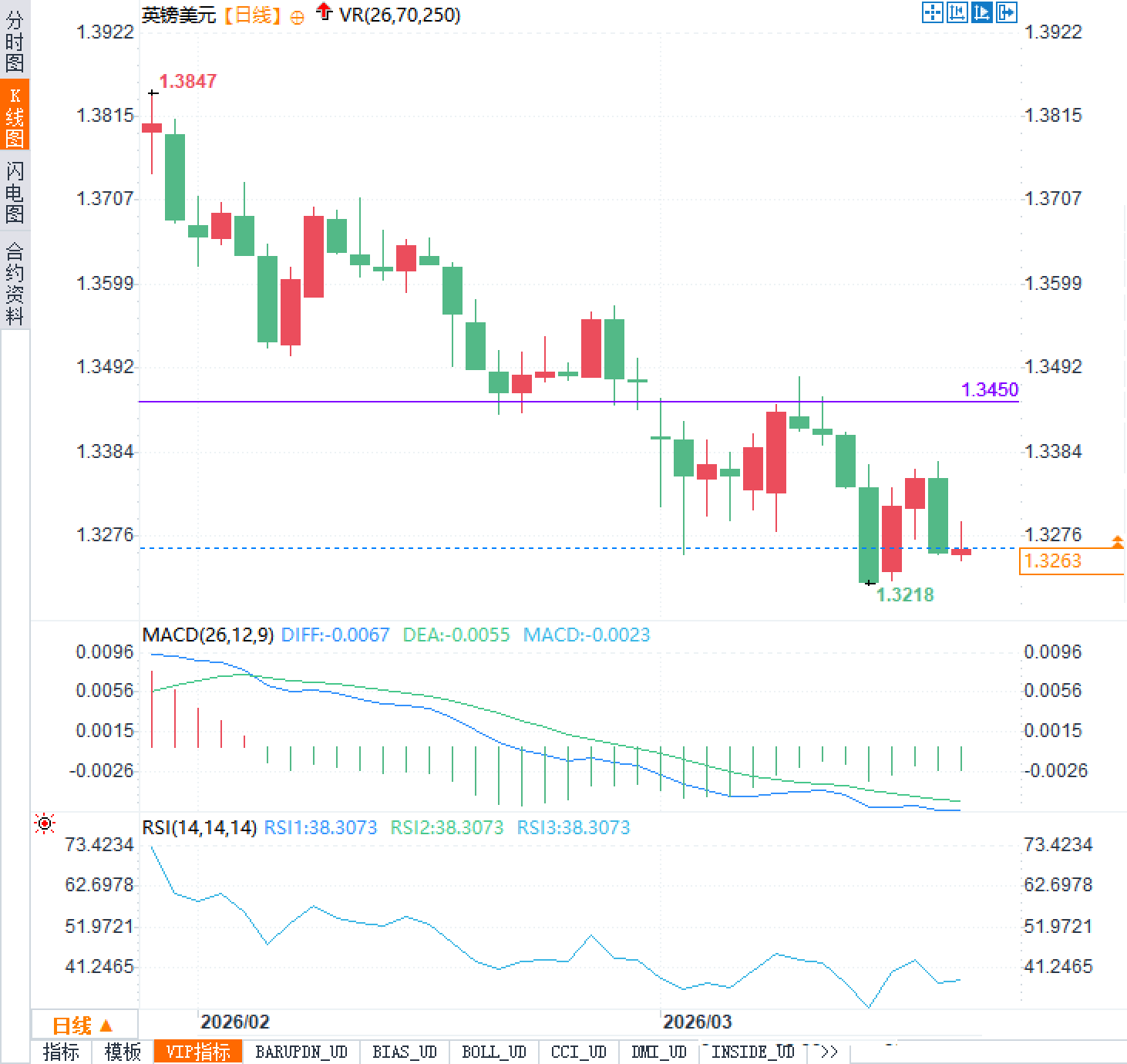
On Thursday, March 19th, the Bank of England will announce its interest rate decision at 8:00 PM. At this time, Brent crude oil prices, affected by the Middle East conflict, have risen to around $115 per barrel, a monthly increase of over 50%, completely reversing market expectations of an 80% rate cut at this meeting. The pound is hovering around 1.327 against the dollar, below its 200-day moving average. The latest inflation rate is 3%, while the UK economy shows signs of zero growth, and the unemployment rate has risen to 5.2%. This situation has traders closely watching how the central bank will balance the upward risks to inflation with the downward pressure on economic growth; policy signals may directly affect the pound's performance and related asset pricing.

Market expectations have reversed 180 degrees in just three weeks. Traders had previously widely bet on a 25 basis point rate cut to 3.50% at this meeting, but the probability has now plummeted to an extremely low level, with even a slight rate hike being discussed. This shift is unrelated to the Bank of England's own decisions, but stems entirely from the historic surge in energy prices caused by geopolitical conflicts. The Bank is expected to maintain the benchmark interest rate at 3.75% this time, assessing the dual impact of the prolonged conflict on inflation and growth. Traders should note that oil prices currently dominate the dollar's movement. If energy prices remain high, the dollar will be supported, further pressuring the pound; conversely, if oil prices fall, the pound may gain some breathing room.
The current economic environment in the UK is drastically different from that during the Russia-Ukraine conflict in 2022. At that time, the economy benefited from a post-pandemic rebound, with historically low unemployment, rapidly rising wages, and strong consumer spending, leading to a swift energy shock that translated into double-digit inflation and forced the central bank to aggressively tighten monetary policy. Now, the situation is reversed: January economic growth was zero, and the economy has remained sluggish for the past few months. The unemployment rate has risen to 5.2% and is projected to peak at 5.3% in 2026, with youth unemployment being particularly prominent. The job market shows that job search times are lengthening and becoming more difficult. This weak environment makes rising energy prices more of a threat to economic growth than simply inflationary pressure.
The following is a comparison of key indicators:
This difference means that if central banks focus too much on inflation risks, they may repeat the lesson of the conservatives' delayed adjustment in 2022, but at present, it is more important to prevent a slowdown in growth.
Bank of England Governor Andrew Bailey told lawmakers on February 24 that the March interest rate decision remained a "truly open question." At this meeting, the Monetary Policy Committee faces a core dilemma: whether to prioritize addressing rising inflation or to consider the weak economy. The central bank is likely to emphasize the uniqueness of the current energy shock—unlike the pure inflationary threat of 2022, high energy prices will further weaken the already fragile economy. The policy statement is expected to send a clear signal: the threshold for raising interest rates based on energy prices is extremely high, and tightening will not be easy even if inflation risks are tilted to the upside. Similar to the period of high energy prices in 2011, the Bank of England chose to support the economy rather than raise interest rates to avoid additional damage to consumer confidence and the housing market. Analysts believe that hinting at a possible interest rate hike would constitute a major policy mistake, especially considering that approximately 1.8 million fixed-rate mortgage holders will face refinancing in 2026; rising interest rates would directly depress consumer spending and worsen the economic outlook.
While this meeting is highly likely to keep interest rates unchanged, the statements regarding the impact of energy shocks on inflation forecasts and policy outlook will profoundly affect the pricing of the pound. Oil prices are currently dominating the market; sustained high levels will push up the dollar and put pressure on the pound, while lower levels will benefit a pound rebound. The pound/dollar exchange rate is already below its 200-day moving average, with long-term momentum pointing downwards, and potential support around 1.32. If the meeting's signals are dovish, emphasizing the fragility of economic growth, the pound's weakness may continue. Overall, oil prices remain the decisive variable, and traders need to closely monitor their fluctuations and their cascading effects on the dollar and the pound.
Expectations Reversal: From Middle East Conflicts to Dramatic Changes in Interest Rate Path
Market expectations have reversed 180 degrees in just three weeks. Traders had previously widely bet on a 25 basis point rate cut to 3.50% at this meeting, but the probability has now plummeted to an extremely low level, with even a slight rate hike being discussed. This shift is unrelated to the Bank of England's own decisions, but stems entirely from the historic surge in energy prices caused by geopolitical conflicts. The Bank is expected to maintain the benchmark interest rate at 3.75% this time, assessing the dual impact of the prolonged conflict on inflation and growth. Traders should note that oil prices currently dominate the dollar's movement. If energy prices remain high, the dollar will be supported, further pressuring the pound; conversely, if oil prices fall, the pound may gain some breathing room.
Differences in economic environment: A comparison between a weak economic environment in 2026 and a strong economic cycle in 2022.
The current economic environment in the UK is drastically different from that during the Russia-Ukraine conflict in 2022. At that time, the economy benefited from a post-pandemic rebound, with historically low unemployment, rapidly rising wages, and strong consumer spending, leading to a swift energy shock that translated into double-digit inflation and forced the central bank to aggressively tighten monetary policy. Now, the situation is reversed: January economic growth was zero, and the economy has remained sluggish for the past few months. The unemployment rate has risen to 5.2% and is projected to peak at 5.3% in 2026, with youth unemployment being particularly prominent. The job market shows that job search times are lengthening and becoming more difficult. This weak environment makes rising energy prices more of a threat to economic growth than simply inflationary pressure.
The following is a comparison of key indicators:
| index | Peak period in 2022 | Current time in 2026 |
|---|---|---|
| GDP growth | Strong recovery | Zero growth, sluggish |
| unemployment rate | historical low | 5.2%, continuing to rise |
| Energy shock properties | Strong demand amplifies inflation | Supply-side threats to growth |
| Inflation rate | Double-digit | 3% |
Policy Decisions: High Interest Rate Hike Threshold and Lessons from the 2011 Precedent
Bank of England Governor Andrew Bailey told lawmakers on February 24 that the March interest rate decision remained a "truly open question." At this meeting, the Monetary Policy Committee faces a core dilemma: whether to prioritize addressing rising inflation or to consider the weak economy. The central bank is likely to emphasize the uniqueness of the current energy shock—unlike the pure inflationary threat of 2022, high energy prices will further weaken the already fragile economy. The policy statement is expected to send a clear signal: the threshold for raising interest rates based on energy prices is extremely high, and tightening will not be easy even if inflation risks are tilted to the upside. Similar to the period of high energy prices in 2011, the Bank of England chose to support the economy rather than raise interest rates to avoid additional damage to consumer confidence and the housing market. Analysts believe that hinting at a possible interest rate hike would constitute a major policy mistake, especially considering that approximately 1.8 million fixed-rate mortgage holders will face refinancing in 2026; rising interest rates would directly depress consumer spending and worsen the economic outlook.
Exchange Rates and Asset Logic Driven by Oil Prices
While this meeting is highly likely to keep interest rates unchanged, the statements regarding the impact of energy shocks on inflation forecasts and policy outlook will profoundly affect the pricing of the pound. Oil prices are currently dominating the market; sustained high levels will push up the dollar and put pressure on the pound, while lower levels will benefit a pound rebound. The pound/dollar exchange rate is already below its 200-day moving average, with long-term momentum pointing downwards, and potential support around 1.32. If the meeting's signals are dovish, emphasizing the fragility of economic growth, the pound's weakness may continue. Overall, oil prices remain the decisive variable, and traders need to closely monitor their fluctuations and their cascading effects on the dollar and the pound.
Frequently Asked Questions
Question 1: Why is the Bank of England likely to keep interest rates unchanged at this meeting rather than adjust them immediately?
A: The UK economy is currently showing clear signs of weakness, with sluggish GDP growth and an unemployment rate rising to 5.2%. Approximately 1.8 million mortgages will need to be refinanced in 2026. While rising energy prices pose an upside risk to inflation, this is a supply-side shock and is unlikely to trigger a second inflationary spiral in an environment of insufficient demand. The central bank has chosen to observe the evolution of the conflict to avoid excessive policy intervention that could exacerbate downward economic pressure. At the same time, learning from the lagged lessons of 2022, it emphasizes that the threshold for raising interest rates is extremely high.
Question 2: What are the essential differences between this energy crisis and the one in 2022, and what are the implications for policy?
A: In 2022, the UK economy was strong, unemployment was low, and consumption was robust. The energy shock directly pushed up core inflation and amplified policy pressure. The opposite is true in 2026: the economy has been sluggish for some time, demand is not excessively high, and unemployment continues to rise. Similar to the period of high energy levels in 2011, the central bank is more inclined to support the fragile economy than tighten monetary policy to prevent a chain reaction of negative impacts on consumer confidence and the housing market. This determines that the current signals will lean towards a cautious wait-and-see approach.
Question 3: How do traders interpret the potential impact of this meeting on the pound exchange rate?
A: High oil prices are supporting a strong dollar, putting downward pressure on the pound. The pound/dollar pair may test the 1.32 support level. If the meeting emphasizes fragile economic growth rather than pressing inflation, the pound's weakness could intensify. Oil price movements remain the dominant factor; traders need to pay attention to its transmission effect on the dollar and its indirect impact on risk assets.
- Risk Warning and Disclaimer
- The market involves risk, and trading may not be suitable for all investors. This article is for reference only and does not constitute personal investment advice, nor does it take into account certain users’ specific investment objectives, financial situation, or other needs. Any investment decisions made based on this information are at your own risk.