Is Trump eyeing a potential successor to the Iranian parliament speaker signaling a turning point for oil prices?
2026-03-24 10:53:04
According to a recent report by Politico, the Trump administration is secretly assessing Iranian Parliament Speaker Mohammad Ghalibaf as a potential partner or even a future leader. This marks a shift in Trump's strategy from purely military pressure to ending the conflict through negotiations. The 64-year-old Ghalibaf has repeatedly threatened public retaliation against the United States and its allies, but at least some within the White House believe he is a viable option.
This is a key turning point for oil prices. It signifies a shift in US strategy towards Iran from a "surgical strike" to "political heart surgery." While the process remains risky (such as a backlash from Iranian hardliners), the market is reassessing the probability of the "worst-case scenario" (large-scale war). As long as the US continues its "tests," risk premiums in the crude oil market will continue to face pressure.
On Tuesday (March 24) during the Asian session, US crude oil prices fluctuated upwards and are currently trading around $91.36 per barrel, with a daily increase of about 3.6%.
Politico quoted government officials as saying, "He's a hot candidate." Although no final decision has been made, Kalibaf has been listed as one of the top candidates. Officials emphasized that testing is necessary and that things shouldn't be rushed. Kalibaf denied any negotiations with the US on Monday on the X platform, but White House officials dismissed his statement as a typical domestic political gesture.
This assessment suggests that the United States is attempting to find dialogue partners within the Iranian regime in order to de-escalate tensions in the Middle East.
Multiple officials revealed that the current phase is a "testing phase," aimed at figuring out who can rise to power, who wants to rise to power, and who is attempting to rise to power. Once someone emerges, their stance will be quickly tested; if they are too radical, they will be excluded. This strategy highlights the Trump administration's multi-pronged approach to Iran: retaining the military option while actively seeking partners.
In a recent post on the X platform, Kalibaf explicitly denied the allegations, stating, "There have been no negotiations with the United States. This fake news is designed to manipulate the financial and oil markets to help the United States and Israel escape their predicament." He emphasized that the Iranian people demand thorough punishment of the aggressors, and that all officials will stand firmly behind the Supreme Leader. This statement contrasts sharply with the Trump administration's assessment.
The Trump administration retains the power to purge radical factions while simultaneously pushing for regime change by cultivating potential allies. Officials say this is a two-pronged strategy: military gains provide leverage in negotiations, while testing multiple candidates ensures the most suitable candidate is found. If Kalibaf passes the test, the U.S. may accelerate the diplomatic process.
Analysts believe this move could open a new path to end the current conflict, but it also faces resistance from hardliners within Iran.
The Trump administration's designation of Kalibaf as a "hot option" signifies a clear shift from military action to negotiations. The Iranian parliament speaker's public denial highlights the differences between the two sides, both publicly and privately. While the White House's testing strategy is flexible, it faces the test of Iran's internal stance, and its future remains uncertain. The pricing logic of the crude oil market is undergoing a profound transformation from an "immediate war risk premium" to a "complex political game discount."
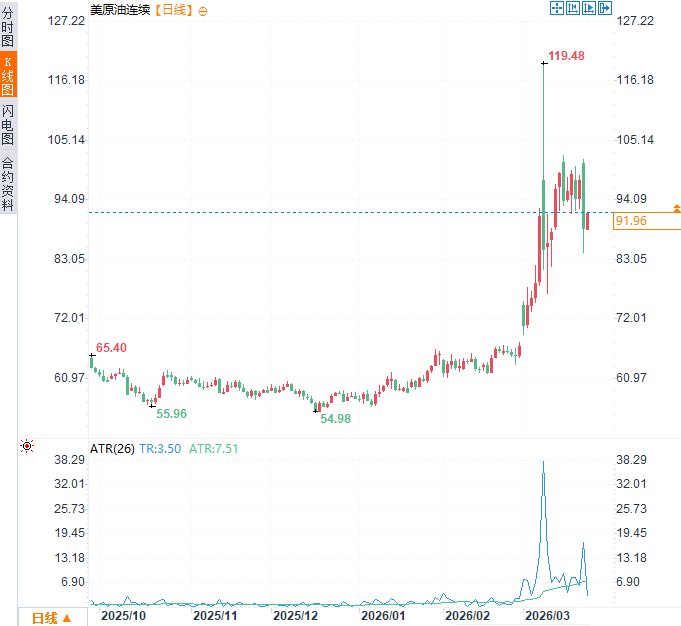
(US crude oil daily chart, source: FX678)
At 10:52 Beijing time, US crude oil futures were trading at $91.37 per barrel.
This is a key turning point for oil prices. It signifies a shift in US strategy towards Iran from a "surgical strike" to "political heart surgery." While the process remains risky (such as a backlash from Iranian hardliners), the market is reassessing the probability of the "worst-case scenario" (large-scale war). As long as the US continues its "tests," risk premiums in the crude oil market will continue to face pressure.
On Tuesday (March 24) during the Asian session, US crude oil prices fluctuated upwards and are currently trading around $91.36 per barrel, with a daily increase of about 3.6%.
Kalibaf potential partners
Politico quoted government officials as saying, "He's a hot candidate." Although no final decision has been made, Kalibaf has been listed as one of the top candidates. Officials emphasized that testing is necessary and that things shouldn't be rushed. Kalibaf denied any negotiations with the US on Monday on the X platform, but White House officials dismissed his statement as a typical domestic political gesture.
This assessment suggests that the United States is attempting to find dialogue partners within the Iranian regime in order to de-escalate tensions in the Middle East.
White House Testing Phase Strategy
Multiple officials revealed that the current phase is a "testing phase," aimed at figuring out who can rise to power, who wants to rise to power, and who is attempting to rise to power. Once someone emerges, their stance will be quickly tested; if they are too radical, they will be excluded. This strategy highlights the Trump administration's multi-pronged approach to Iran: retaining the military option while actively seeking partners.
Iranian Parliament Speaker Strongly Denies
In a recent post on the X platform, Kalibaf explicitly denied the allegations, stating, "There have been no negotiations with the United States. This fake news is designed to manipulate the financial and oil markets to help the United States and Israel escape their predicament." He emphasized that the Iranian people demand thorough punishment of the aggressors, and that all officials will stand firmly behind the Supreme Leader. This statement contrasts sharply with the Trump administration's assessment.
The flexible strategy of US regime change
The Trump administration retains the power to purge radical factions while simultaneously pushing for regime change by cultivating potential allies. Officials say this is a two-pronged strategy: military gains provide leverage in negotiations, while testing multiple candidates ensures the most suitable candidate is found. If Kalibaf passes the test, the U.S. may accelerate the diplomatic process.
Analysts believe this move could open a new path to end the current conflict, but it also faces resistance from hardliners within Iran.
Editor's Summary
The Trump administration's designation of Kalibaf as a "hot option" signifies a clear shift from military action to negotiations. The Iranian parliament speaker's public denial highlights the differences between the two sides, both publicly and privately. While the White House's testing strategy is flexible, it faces the test of Iran's internal stance, and its future remains uncertain. The pricing logic of the crude oil market is undergoing a profound transformation from an "immediate war risk premium" to a "complex political game discount."
(US crude oil daily chart, source: FX678)
At 10:52 Beijing time, US crude oil futures were trading at $91.37 per barrel.
- Risk Warning and Disclaimer
- The market involves risk, and trading may not be suitable for all investors. This article is for reference only and does not constitute personal investment advice, nor does it take into account certain users’ specific investment objectives, financial situation, or other needs. Any investment decisions made based on this information are at your own risk.