Barclays predicts that high oil prices will support a strong dollar in the short term, and the euro is expected to rise to 1.18 against the dollar in the next quarter.
2026-03-30 09:58:36
According to APP, Barclays believes the dollar will remain strong, supported by recent high energy prices, but anticipates broader weakness as tensions in the Middle East ease in a few months. They estimate that a 10% increase in oil prices would push the dollar up by 0.5% to 1.0%. However, the bank stated, "Based on our latest forecasts, geopolitical stability over the next three months, a shift in policy focus towards the US government's domestic agenda, and the new leadership at the Federal Reserve could mean some short-term weakness."

Current market data shows that Brent crude oil prices have risen above $115 per barrel, while WTI crude oil remains around $102 per barrel, providing direct support for the US dollar. High energy prices not only push up inflation expectations but also strengthen the dollar's appeal as a safe-haven asset, especially when global supply chains are disrupted by geopolitical factors. However, Barclays emphasizes that once the situation in the Middle East gradually stabilizes, a decline in energy prices will quickly weaken this support. Coupled with the shift in US policy focus to domestic affairs and changes in the leadership of the Federal Reserve, the risk of a medium-term correction in the dollar has increased significantly. The bank's latest forecast indicates that the euro/dollar exchange rate is expected to reach 1.18 in the next quarter, a significant increase from the current level of around 1.15, implying that the dollar will enter a period of relative weakness.
This assessment aligns closely with the dynamics of the global commodity market. While high energy prices are beneficial to the US dollar in the short term, in the long run they increase business costs and suppress economic growth, thus providing the Federal Reserve with more room to shift towards easing. The new Fed leadership may place greater emphasis on domestic employment and growth targets rather than simply suppressing inflation, further opening a window for a weaker dollar. Investors should be wary that once signs of geopolitical easing become clear, the dollar index may fall rapidly, thereby benefiting major non-US currencies such as the euro.
The bank added that this week's market focus will be on job openings and labor force turnover surveys, retail sales data, the Institute for Supply Management (ISM) manufacturing index, and the latest March jobs report. These data will directly reflect the resilience of the US economy and the path of inflation, providing key clues for judging the Fed's next move.
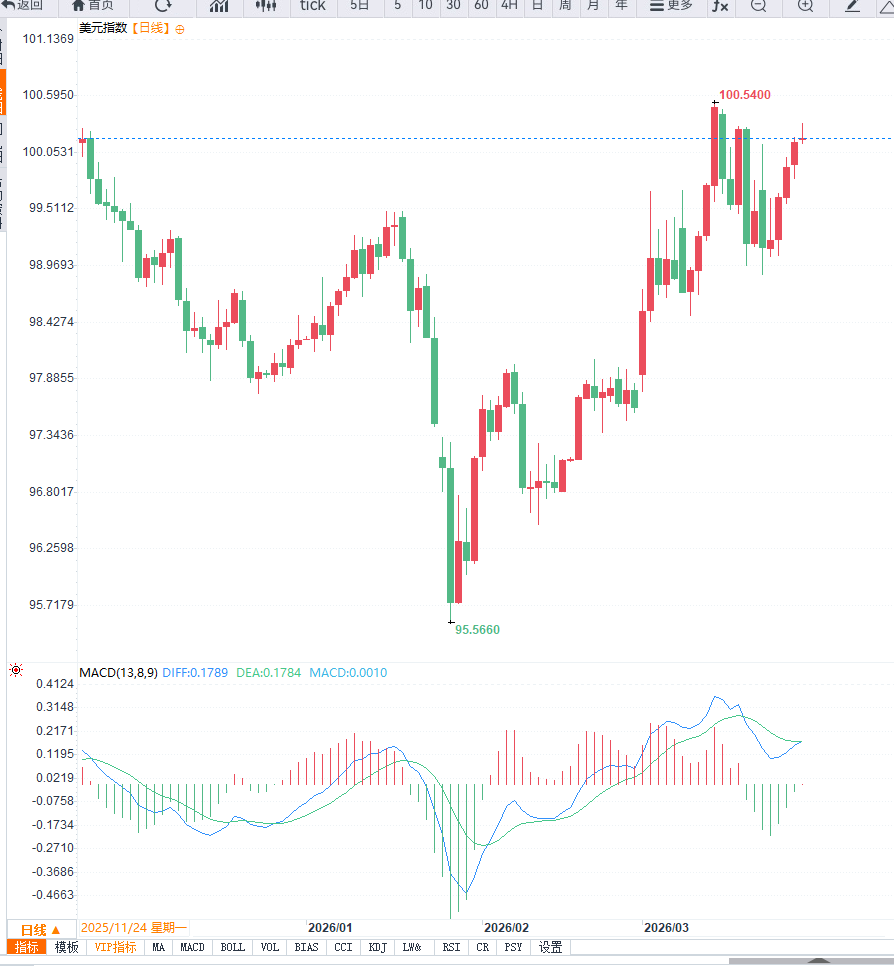
Editor's Summary <br />Barclays' latest analysis highlights the dual impact of energy prices and geopolitics on the dollar's trajectory. In the short term, high oil prices provide strong support for the dollar, but in the medium to long term, as tensions ease and the policy environment changes, downward pressure on the dollar will gradually emerge. Market participants need to closely monitor this week's US economic data and Middle East developments to accurately grasp the pace of exchange rate fluctuations.
Current market data shows that Brent crude oil prices have risen above $115 per barrel, while WTI crude oil remains around $102 per barrel, providing direct support for the US dollar. High energy prices not only push up inflation expectations but also strengthen the dollar's appeal as a safe-haven asset, especially when global supply chains are disrupted by geopolitical factors. However, Barclays emphasizes that once the situation in the Middle East gradually stabilizes, a decline in energy prices will quickly weaken this support. Coupled with the shift in US policy focus to domestic affairs and changes in the leadership of the Federal Reserve, the risk of a medium-term correction in the dollar has increased significantly. The bank's latest forecast indicates that the euro/dollar exchange rate is expected to reach 1.18 in the next quarter, a significant increase from the current level of around 1.15, implying that the dollar will enter a period of relative weakness.
This assessment aligns closely with the dynamics of the global commodity market. While high energy prices are beneficial to the US dollar in the short term, in the long run they increase business costs and suppress economic growth, thus providing the Federal Reserve with more room to shift towards easing. The new Fed leadership may place greater emphasis on domestic employment and growth targets rather than simply suppressing inflation, further opening a window for a weaker dollar. Investors should be wary that once signs of geopolitical easing become clear, the dollar index may fall rapidly, thereby benefiting major non-US currencies such as the euro.
The bank added that this week's market focus will be on job openings and labor force turnover surveys, retail sales data, the Institute for Supply Management (ISM) manufacturing index, and the latest March jobs report. These data will directly reflect the resilience of the US economy and the path of inflation, providing key clues for judging the Fed's next move.
Editor's Summary <br />Barclays' latest analysis highlights the dual impact of energy prices and geopolitics on the dollar's trajectory. In the short term, high oil prices provide strong support for the dollar, but in the medium to long term, as tensions ease and the policy environment changes, downward pressure on the dollar will gradually emerge. Market participants need to closely monitor this week's US economic data and Middle East developments to accurately grasp the pace of exchange rate fluctuations.
- Risk Warning and Disclaimer
- The market involves risk, and trading may not be suitable for all investors. This article is for reference only and does not constitute personal investment advice, nor does it take into account certain users’ specific investment objectives, financial situation, or other needs. Any investment decisions made based on this information are at your own risk.