A giant oil tanker was attacked and caught fire off the coast of Dubai; Trump issued his strongest warning yet.
2026-03-31 14:41:39
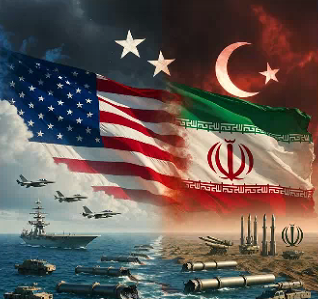
As the conflict with Iran continues to escalate, a giant oil tanker loaded with crude oil was attacked by a drone and caught fire in waters near Dubai. US President Trump immediately issued his strongest warning yet, stating that if Iran continues to block the Strait of Hormuz, the US will completely destroy Iran's energy facilities, oil wells, and key export hubs.
This event further heightened global energy tensions, with domestic gasoline retail prices in the United States breaking the $4 per gallon mark for the first time in more than three years, and market concerns about the protracted conflict intensifying significantly.
On Monday (March 30), the Kuwaiti-flagged supertanker Al-Salmi was attacked by a drone off the coast of Dubai and subsequently caught fire. The tanker was carrying approximately 2 million barrels of crude oil, with a cargo value exceeding $200 million at current market prices.
The Kuwait News Agency first reported the attack. The shipowner, Kuwait Oil Company, stated that it was assessing the damage and warned of a potential oil spill. Dubai authorities later confirmed that the fire was under control and that there were no casualties.
This attack is the latest in a series of missile or drone strikes against merchant ships in the Persian Gulf and Strait of Hormuz since the U.S.-Israel military action against Iran began on February 28.
Following the attack, US President Trump quickly issued a stern warning via social media. He stated that the US is negotiating with a "more rational regime" in Iran to end the conflict, but if an agreement is not reached soon for any reason and the Strait of Hormuz is not immediately reopened to navigation, the US will take extreme measures.
Trump wrote, "We will end our 'wonderful' stay in Iran by bombing and utterly destroying all of Iran's power plants, oil wells, and Kharg Island." He also threatened to attack Iran's desalination plants. This statement indicates that while seeking a diplomatic solution, the United States has retained the option of significantly escalating military action.
Iran's stance remains firm. Iranian Foreign Ministry spokesman Esmaeil Baghaei stated that Iran had received peace proposals from the United States through intermediaries, but he bluntly called these proposals "impractical, illogical, and excessive." He added that Iran is under military aggression and all efforts are focused on self-defense.
Meanwhile, the United States continues its strategy of "talking while pressuring." White House Press Secretary Karoline Leavitt stated that Trump hopes to reach an agreement with Tehran before the April 6 deadline. She added that negotiations with Iran are progressing, but Iran's public statements are inconsistent with its private messages.
Two U.S. officials revealed that thousands of soldiers from the U.S. Army's elite 82nd Airborne Division have begun arriving in the Middle East, further expanding military options, including the possible deployment of ground troops inside Iran.
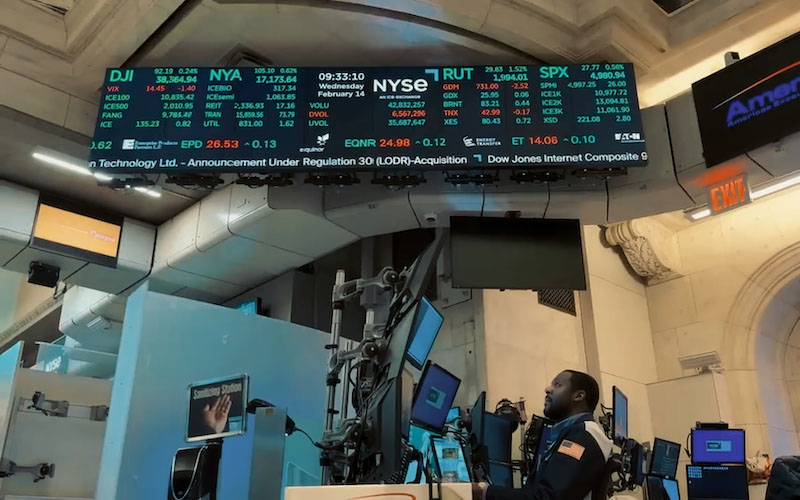
Following the attacks, crude oil prices briefly surged again, and the rapid rise in oil and fuel prices has begun to impact the daily lives of ordinary American families. Data from GasBuddy, an oil price tracking agency, shows that on Monday, the average retail price of gasoline across the United States broke through $4 per gallon for the first time in more than three years.
This change has brought new political pressure to Trump and his Republican Party ahead of the November midterm elections.
Overall, the Iranian attack on the oil tanker marks a further spread of the conflict to merchant ships and the energy supply chain, while Trump's strong warnings indicate that the United States is trying to use maximum pressure to force Iran to open the Strait of Hormuz.
Although both sides have stated that negotiations are ongoing, military operations and signs of troop buildup suggest that the likelihood of a de-escalation in the short term remains low. The global energy market is under increasing pressure as a result of this event, with heightened oil price volatility becoming the most prominent economic risk.
Trump's latest statements clearly demonstrate a "pressure-for-talk" strategy. On the one hand, he exerts maximum military pressure on Iran through extreme threats (destroying power plants, oil wells, Kharg Island, and desalination plants) to force Tehran to open the Strait of Hormuz as soon as possible and restore global oil shipping routes. On the other hand, he simultaneously emphasizes that "significant progress has been made" and that "an agreement is very likely," leaving room for negotiations. This two-pronged approach both appeases domestic hawks and preserves leeway for a final diplomatic compromise.
In reality, Trump hopes to reach an agreement before the April 6 deadline to avoid a protracted conflict that could drag down the US economy and the midterm elections. However, if Iran refuses to compromise, he is prepared to escalate military action to demonstrate a tough stance.
The impact on oil prices is characterized by a short-term upward push but a high degree of uncertainty in the medium term:
In the short term: Tanker attacks and Trump's threats directly stimulated market panic, making Brent crude oil prices prone to rapid increases. The risk of disruption to the global energy supply chain has been further amplified, and domestic gasoline prices in the United States have already broken through key psychological barriers.
Medium term: If a breakthrough is achieved in negotiations before April 6 and navigation in the Strait resumes, oil prices are expected to see a significant correction; however, if the conflict continues or escalates, attacks on Iranian energy facilities will lead to a long-term global supply gap, and Brent crude oil may remain above $110 per barrel, or even challenge historical records.
Investors should closely monitor the progress of negotiations before April 6 and Iran's actual response. The probability of increased short-term volatility in oil prices, but a relatively strong medium-term trend, is high.
This event further heightened global energy tensions, with domestic gasoline retail prices in the United States breaking the $4 per gallon mark for the first time in more than three years, and market concerns about the protracted conflict intensifying significantly.
Tanker attacks trigger new supply chain disruptions
On Monday (March 30), the Kuwaiti-flagged supertanker Al-Salmi was attacked by a drone off the coast of Dubai and subsequently caught fire. The tanker was carrying approximately 2 million barrels of crude oil, with a cargo value exceeding $200 million at current market prices.
The Kuwait News Agency first reported the attack. The shipowner, Kuwait Oil Company, stated that it was assessing the damage and warned of a potential oil spill. Dubai authorities later confirmed that the fire was under control and that there were no casualties.
This attack is the latest in a series of missile or drone strikes against merchant ships in the Persian Gulf and Strait of Hormuz since the U.S.-Israel military action against Iran began on February 28.
Trump issues strongest warning
Following the attack, US President Trump quickly issued a stern warning via social media. He stated that the US is negotiating with a "more rational regime" in Iran to end the conflict, but if an agreement is not reached soon for any reason and the Strait of Hormuz is not immediately reopened to navigation, the US will take extreme measures.
Trump wrote, "We will end our 'wonderful' stay in Iran by bombing and utterly destroying all of Iran's power plants, oil wells, and Kharg Island." He also threatened to attack Iran's desalination plants. This statement indicates that while seeking a diplomatic solution, the United States has retained the option of significantly escalating military action.
Iran responds strongly; the US engages in negotiations while simultaneously increasing troop deployments.
Iran's stance remains firm. Iranian Foreign Ministry spokesman Esmaeil Baghaei stated that Iran had received peace proposals from the United States through intermediaries, but he bluntly called these proposals "impractical, illogical, and excessive." He added that Iran is under military aggression and all efforts are focused on self-defense.
Meanwhile, the United States continues its strategy of "talking while pressuring." White House Press Secretary Karoline Leavitt stated that Trump hopes to reach an agreement with Tehran before the April 6 deadline. She added that negotiations with Iran are progressing, but Iran's public statements are inconsistent with its private messages.
Two U.S. officials revealed that thousands of soldiers from the U.S. Army's elite 82nd Airborne Division have begun arriving in the Middle East, further expanding military options, including the possible deployment of ground troops inside Iran.
Soaring oil and fuel prices are impacting American households.
Following the attacks, crude oil prices briefly surged again, and the rapid rise in oil and fuel prices has begun to impact the daily lives of ordinary American families. Data from GasBuddy, an oil price tracking agency, shows that on Monday, the average retail price of gasoline across the United States broke through $4 per gallon for the first time in more than three years.
This change has brought new political pressure to Trump and his Republican Party ahead of the November midterm elections.
Summarizing the current situation: The risk of escalation of conflict coexists with diplomatic efforts.
Overall, the Iranian attack on the oil tanker marks a further spread of the conflict to merchant ships and the energy supply chain, while Trump's strong warnings indicate that the United States is trying to use maximum pressure to force Iran to open the Strait of Hormuz.
Although both sides have stated that negotiations are ongoing, military operations and signs of troop buildup suggest that the likelihood of a de-escalation in the short term remains low. The global energy market is under increasing pressure as a result of this event, with heightened oil price volatility becoming the most prominent economic risk.
Analysis of Trump's true intentions and their impact on oil prices
Trump's latest statements clearly demonstrate a "pressure-for-talk" strategy. On the one hand, he exerts maximum military pressure on Iran through extreme threats (destroying power plants, oil wells, Kharg Island, and desalination plants) to force Tehran to open the Strait of Hormuz as soon as possible and restore global oil shipping routes. On the other hand, he simultaneously emphasizes that "significant progress has been made" and that "an agreement is very likely," leaving room for negotiations. This two-pronged approach both appeases domestic hawks and preserves leeway for a final diplomatic compromise.
In reality, Trump hopes to reach an agreement before the April 6 deadline to avoid a protracted conflict that could drag down the US economy and the midterm elections. However, if Iran refuses to compromise, he is prepared to escalate military action to demonstrate a tough stance.
The impact on oil prices is characterized by a short-term upward push but a high degree of uncertainty in the medium term:
In the short term: Tanker attacks and Trump's threats directly stimulated market panic, making Brent crude oil prices prone to rapid increases. The risk of disruption to the global energy supply chain has been further amplified, and domestic gasoline prices in the United States have already broken through key psychological barriers.
Medium term: If a breakthrough is achieved in negotiations before April 6 and navigation in the Strait resumes, oil prices are expected to see a significant correction; however, if the conflict continues or escalates, attacks on Iranian energy facilities will lead to a long-term global supply gap, and Brent crude oil may remain above $110 per barrel, or even challenge historical records.
Investors should closely monitor the progress of negotiations before April 6 and Iran's actual response. The probability of increased short-term volatility in oil prices, but a relatively strong medium-term trend, is high.
- Risk Warning and Disclaimer
- The market involves risk, and trading may not be suitable for all investors. This article is for reference only and does not constitute personal investment advice, nor does it take into account certain users’ specific investment objectives, financial situation, or other needs. Any investment decisions made based on this information are at your own risk.