The presidents of two major U.S. regional Federal Reserve banks warned of rising inflation, suggesting the Fed may be inclined to exercise caution.
2026-04-07 09:57:41
In addition to the International Monetary Fund, the Federal Reserve System in the United States has also issued a strong warning about the current economic situation.
Both Cleveland Fed President Hammac and Chicago Fed President Goolsbee have made it clear that inflation is a far more serious problem than employment. This statement underscores their firm stance of supporting maintaining or tightening monetary policy, rather than loosening it.
The Middle East wars have driven up energy prices, while a sluggish US job market has further exacerbated economic uncertainty.
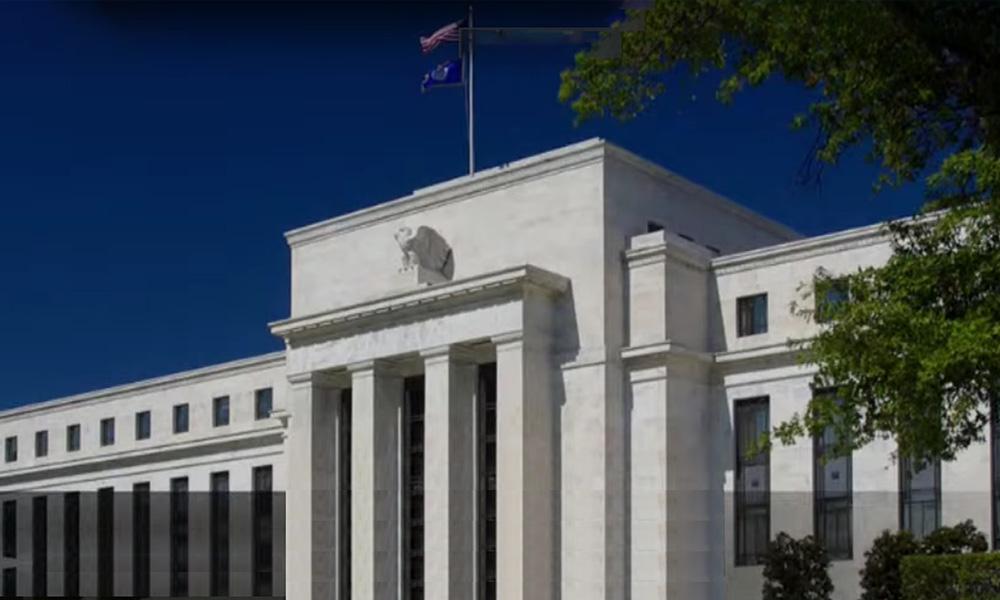
On April 1, the two Federal Reserve presidents were asked to assess the current economic situation using a four-color system, where red represents an emergency situation where "the house is on fire" and green represents an ideal situation where "everything is great".
Goolsby stated that the current inflation situation is at least at the orange level, and could even turn "red." He pointed out, "I was optimistic that we would return to the 2% inflation rate track, but my God, recently the situation is turning from orange to red." He further explained that the impact of tariffs pushing up prices should have gradually subsided, but it hasn't really subsided, and now it's compounded by a new round of stagflation caused by the Middle East war, making this a truly worrying time.
Hammark also expressed deep concern about inflation. She pointed out that the US inflation rate has been above the target level for five consecutive years and has been basically flat for the past two years. She described it as, "It is definitely a brighter, more vivid orange, I don't know if it's burnt orange or burnt ochre, my crayon box is a bit old."
Two days later, the U.S. Department of Labor released its March jobs report, showing that nonfarm payrolls increased at the highest rate since Trump began his second term in January of last year, while the unemployment rate fell to 4.3%. This decline in the unemployment rate was mainly due to a large number of workers leaving the labor market.
Hammark stated that the best indicator for her is actually the unemployment rate, which is currently near her projected full employment level. While this is a fragile balance, she believes the overall outlook is shifting from yellow to green, or perhaps yellowish-green. She humorously likened it to "or actually, like 'Diet Mountain Dew,'" a favorite drink of one of her Fed colleagues at the interest rate-setting table.
Hammark's assessment of the financial system is relatively optimistic. She stated that despite the stock market decline since the outbreak of the Iran-Iraq War, the financial system is generally in the green, and from a financial stability perspective, the economic situation remains good.
Goolsby took a more cautious approach. He rated the labor market "yellow," citing the current situation of low hiring and low layoffs, primarily due to persistent uncertainty. Regarding the financial system, he was satisfied with the payment system but slightly concerned about asset prices. He noted, "There are indeed a lot of bubbles in asset prices." It's unclear whether these are driven by productivity or are bubbles about to burst. He added, "Perhaps this falls under the 'yellow' category? You'll never hear me use the term 'yellow-green'."
The statements from the two Federal Reserve presidents jointly sent a clear signal: given persistent inflationary pressures, the Fed prefers to maintain a cautious monetary policy stance rather than rushing to ease it. The combined effect of rising energy prices and a sluggish job market has made the economic outlook highly uncertain.
Overall , the latest warnings from the two Federal Reserve presidents indicate that the inflation alarm has been raised from orange and there is a risk of further deterioration. The impact of the Middle East war on global supply chains and energy markets is being transmitted to the US economy through multiple channels. If inflation fails to fall effectively, the Fed's decision-making space will further narrow, and the global economy may face stagflation pressures for a longer period.
Investors and policy observers need to closely monitor subsequent economic data and the Federal Reserve's next move to address potential risks and challenges.
Both Cleveland Fed President Hammac and Chicago Fed President Goolsbee have made it clear that inflation is a far more serious problem than employment. This statement underscores their firm stance of supporting maintaining or tightening monetary policy, rather than loosening it.
The Middle East wars have driven up energy prices, while a sluggish US job market has further exacerbated economic uncertainty.
Inflation Outlook Worrying: From Orange Alert to Potentially Turning Red
On April 1, the two Federal Reserve presidents were asked to assess the current economic situation using a four-color system, where red represents an emergency situation where "the house is on fire" and green represents an ideal situation where "everything is great".
Goolsby stated that the current inflation situation is at least at the orange level, and could even turn "red." He pointed out, "I was optimistic that we would return to the 2% inflation rate track, but my God, recently the situation is turning from orange to red." He further explained that the impact of tariffs pushing up prices should have gradually subsided, but it hasn't really subsided, and now it's compounded by a new round of stagflation caused by the Middle East war, making this a truly worrying time.
Hammark also expressed deep concern about inflation. She pointed out that the US inflation rate has been above the target level for five consecutive years and has been basically flat for the past two years. She described it as, "It is definitely a brighter, more vivid orange, I don't know if it's burnt orange or burnt ochre, my crayon box is a bit old."
The job market is in a fragile balance.
Two days later, the U.S. Department of Labor released its March jobs report, showing that nonfarm payrolls increased at the highest rate since Trump began his second term in January of last year, while the unemployment rate fell to 4.3%. This decline in the unemployment rate was mainly due to a large number of workers leaving the labor market.
Hammark stated that the best indicator for her is actually the unemployment rate, which is currently near her projected full employment level. While this is a fragile balance, she believes the overall outlook is shifting from yellow to green, or perhaps yellowish-green. She humorously likened it to "or actually, like 'Diet Mountain Dew,'" a favorite drink of one of her Fed colleagues at the interest rate-setting table.
There are disagreements in the assessment of the state of the financial system.
Hammark's assessment of the financial system is relatively optimistic. She stated that despite the stock market decline since the outbreak of the Iran-Iraq War, the financial system is generally in the green, and from a financial stability perspective, the economic situation remains good.
Goolsby took a more cautious approach. He rated the labor market "yellow," citing the current situation of low hiring and low layoffs, primarily due to persistent uncertainty. Regarding the financial system, he was satisfied with the payment system but slightly concerned about asset prices. He noted, "There are indeed a lot of bubbles in asset prices." It's unclear whether these are driven by productivity or are bubbles about to burst. He added, "Perhaps this falls under the 'yellow' category? You'll never hear me use the term 'yellow-green'."
Policy orientation and future risk outlook
The statements from the two Federal Reserve presidents jointly sent a clear signal: given persistent inflationary pressures, the Fed prefers to maintain a cautious monetary policy stance rather than rushing to ease it. The combined effect of rising energy prices and a sluggish job market has made the economic outlook highly uncertain.
Overall , the latest warnings from the two Federal Reserve presidents indicate that the inflation alarm has been raised from orange and there is a risk of further deterioration. The impact of the Middle East war on global supply chains and energy markets is being transmitted to the US economy through multiple channels. If inflation fails to fall effectively, the Fed's decision-making space will further narrow, and the global economy may face stagflation pressures for a longer period.
Investors and policy observers need to closely monitor subsequent economic data and the Federal Reserve's next move to address potential risks and challenges.
- Risk Warning and Disclaimer
- The market involves risk, and trading may not be suitable for all investors. This article is for reference only and does not constitute personal investment advice, nor does it take into account certain users’ specific investment objectives, financial situation, or other needs. Any investment decisions made based on this information are at your own risk.