Japan's economy faces severe challenges due to its heavy reliance on Middle Eastern oil.
2026-04-07 12:17:19
Global energy crises often serve as a severe stress test, exposing deep-seated structural vulnerabilities in global supply chains that have long been overlooked. The weaknesses revealed by these crises extend far beyond fuel supply, causing systemic shocks to industrial manufacturing, trade routes, and food security.
A prime example is Germany, which has found itself in a predicament due to its energy policies over the past decades. Prior to the outbreak of the Russia-Ukraine conflict in 2022, successive German governments implemented energy policies that significantly increased the country's dependence on Russian oil and gas. These policies were primarily driven by economic considerations, the need for cheap energy, and the belief in promoting political change through economic cooperation. Germany's "energy transition" policy aimed to simultaneously phase out nuclear power and coal while vigorously developing renewable energy. By 2021, 55% of Germany's natural gas imports came from Russia, making Germany extremely vulnerable to energy supply shocks.
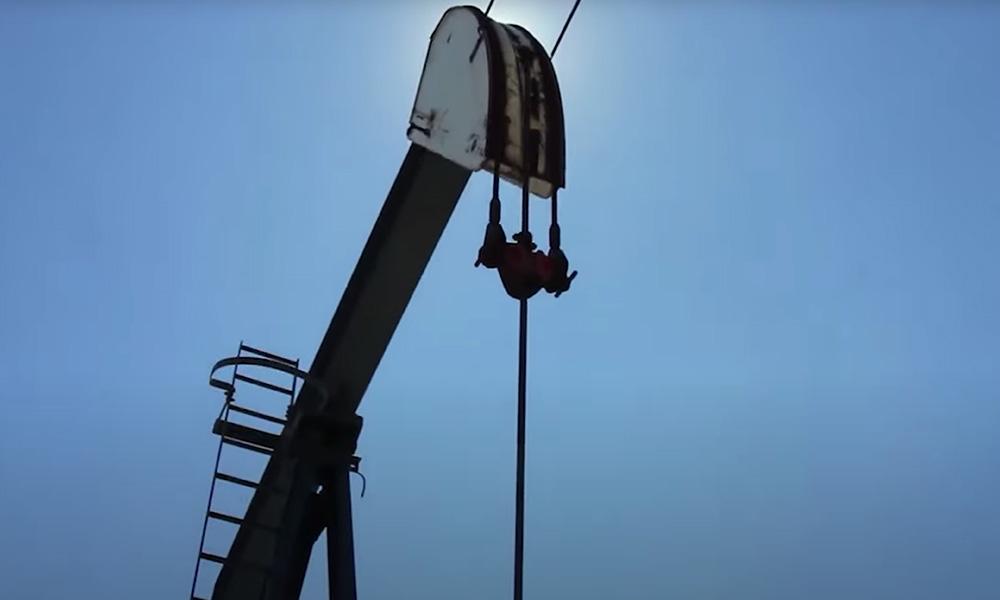
Today, Japan faces a similar predicament. For decades, to secure its domestic energy supply, Japan has deeply integrated itself into the Gulf region's energy system, a strategy that was once highly effective due to the region's abundant and inexpensive fossil fuels. Before the current Middle East conflict, over 90% of Japan's crude oil and approximately 11% of its liquefied natural gas came from the Middle East, with Saudi Arabia and the United Arab Emirates being its main suppliers. This meant that the vast majority of Japan's crude oil imports had to pass through Middle Eastern waters. In fact, Japan's dependence on Middle Eastern energy products even exceeded Germany's and Europe's pre-war dependence on Russian natural gas.
Iran and its allies' de facto blockade of the Strait of Hormuz has effectively cut off approximately 95% of Japan's Middle Eastern oil imports, plunging the Japanese economy and financial markets into severe turmoil.
The Nikkei 225 index fell by double digits in the initial weeks following the outbreak of the conflict, becoming one of the hardest-hit indicators. Meanwhile, business confidence in Japan's service sector has fallen to its lowest level since the pandemic began.
The International Monetary Fund predicts that Japan's economic growth rate will be only 0.8% in 2026, and if the fuel crisis persists, the economy could contract by as much as 3%. Furthermore, due to a significant increase in liquefied natural gas import costs, Japanese household electricity bills are expected to increase by approximately 15,000 yen (about US$95) per month starting in April 2026. These figures clearly demonstrate that the Middle East conflict has inflicted multiple blows on the Japanese economy through energy channels.
Faced with energy supply shortages, the Japanese government quickly implemented a number of emergency measures.
Starting March 16, the government began releasing national and private oil reserves, with a planned total release of up to 90 million barrels, enough to meet domestic supply needs for about 45 to 50 days. This is the largest strategic oil reserve release operation in Japanese history.
The government also reinstated the national subsidy mechanism to stabilize gasoline prices, and after gasoline prices surged to a record high of over 190 yen per liter in mid-March, it set a national average gasoline price cap of 170 yen per liter. Similar subsidy measures also apply to fuel products such as diesel, heavy oil, and kerosene.
At the same time, Japan is reducing its immediate reliance on oil-fired power generation, significantly increasing the utilization rate of coal-fired power plants, and securing coal supplies from Australia and Indonesia. The government has even approved some older, inefficient coal-fired power plants to operate for another year starting in April 2026 to alleviate pressure on power supply.
The Japanese government and private oil companies are making every effort to find alternative oil sources outside the Middle East to bypass the Strait of Hormuz.
Japan is contacting suppliers in Central Asia, South America, and Canada, and is also in talks with Venezuela, a former supplier.
Following high-level discussions with the United States, Japan is exploring plans to jointly boost Alaskan oil production. Japan plans to invest in Alaskan oil infrastructure, including the construction of loading facilities to facilitate the transport of Alaskan crude, as part of a $550 billion bilateral investment plan between the two countries. In comparison, Alaskan oil takes only about 12 days to reach Japan, while shipping from the Middle East takes more than 20 days, a time advantage of significant strategic importance.
In the long term, Tokyo is taking several measures to reduce its over-reliance on Middle Eastern energy.
First, the transition to renewable energy is once again receiving high priority, including accelerating the development of offshore wind and solar power to improve energy self-sufficiency. The government has set an ambitious target of achieving 50% renewable energy in the electricity mix by 2040. A major policy adjustment allows for the development of offshore wind power in the Exclusive Economic Zone, aiming to increase the share of wind power in the electricity mix from the current 1% to 8% by 2040. Meanwhile, starting in fiscal year 2027, subsidies for large-scale ground-mounted solar power generation will be phased out to encourage rooftop solar development and address land use issues.
Furthermore, Japan is vigorously promoting the use of nuclear energy, a significant shift from its previous policy stance. Under its latest seventh strategic energy plan, Japan is moving from reducing its reliance on nuclear energy to maximizing its utilization, including extending the service life of reactors to over 40 years and developing a new generation of reactors.
In January of this year, Tokyo Electric Power Company (TEPCO) restarted Unit 6 of the Kashiwazaki-Kariwa Nuclear Power Plant, the world's largest nuclear power plant, after it had been shut down for 15 years following the 2011 Fukushima nuclear accident. This restart is expected to increase the Tokyo area's electricity supply by approximately 2% and significantly reduce liquefied natural gas imports.
Currently, Japan has successfully restarted about half of its 33 operational reactors, and the government has launched a new funding program to accelerate the restart process.
Overall , the energy crisis triggered by the Middle East conflict is becoming a comprehensive test of Japan's energy security and economic resilience. It has not only exposed the structural risks of long-term reliance on a single energy import channel but also forced Japan to seek a balance between short-term emergency measures and long-term energy structure transformation. This event serves as a reminder to countries worldwide that in a complex geopolitical environment, policies that over-rely on energy supplies from a specific region can have unbearable costs. Japan's response and its effectiveness will provide important lessons for other energy-importing countries and highlight the importance of diversifying energy sources and enhancing self-sufficiency.
If the Strait of Hormuz crisis continues, the pressure on the Japanese economy may increase further, and the global energy market will continue to be profoundly affected.
A prime example is Germany, which has found itself in a predicament due to its energy policies over the past decades. Prior to the outbreak of the Russia-Ukraine conflict in 2022, successive German governments implemented energy policies that significantly increased the country's dependence on Russian oil and gas. These policies were primarily driven by economic considerations, the need for cheap energy, and the belief in promoting political change through economic cooperation. Germany's "energy transition" policy aimed to simultaneously phase out nuclear power and coal while vigorously developing renewable energy. By 2021, 55% of Germany's natural gas imports came from Russia, making Germany extremely vulnerable to energy supply shocks.
Today, Japan faces a similar predicament. For decades, to secure its domestic energy supply, Japan has deeply integrated itself into the Gulf region's energy system, a strategy that was once highly effective due to the region's abundant and inexpensive fossil fuels. Before the current Middle East conflict, over 90% of Japan's crude oil and approximately 11% of its liquefied natural gas came from the Middle East, with Saudi Arabia and the United Arab Emirates being its main suppliers. This meant that the vast majority of Japan's crude oil imports had to pass through Middle Eastern waters. In fact, Japan's dependence on Middle Eastern energy products even exceeded Germany's and Europe's pre-war dependence on Russian natural gas.
Iran and its allies' de facto blockade of the Strait of Hormuz has effectively cut off approximately 95% of Japan's Middle Eastern oil imports, plunging the Japanese economy and financial markets into severe turmoil.
The Nikkei index plummeted, and economic growth prospects were significantly downgraded.
The Nikkei 225 index fell by double digits in the initial weeks following the outbreak of the conflict, becoming one of the hardest-hit indicators. Meanwhile, business confidence in Japan's service sector has fallen to its lowest level since the pandemic began.
The International Monetary Fund predicts that Japan's economic growth rate will be only 0.8% in 2026, and if the fuel crisis persists, the economy could contract by as much as 3%. Furthermore, due to a significant increase in liquefied natural gas import costs, Japanese household electricity bills are expected to increase by approximately 15,000 yen (about US$95) per month starting in April 2026. These figures clearly demonstrate that the Middle East conflict has inflicted multiple blows on the Japanese economy through energy channels.
The Japanese government responded urgently by releasing large quantities of oil reserves and stabilizing oil prices.
Faced with energy supply shortages, the Japanese government quickly implemented a number of emergency measures.
Starting March 16, the government began releasing national and private oil reserves, with a planned total release of up to 90 million barrels, enough to meet domestic supply needs for about 45 to 50 days. This is the largest strategic oil reserve release operation in Japanese history.
The government also reinstated the national subsidy mechanism to stabilize gasoline prices, and after gasoline prices surged to a record high of over 190 yen per liter in mid-March, it set a national average gasoline price cap of 170 yen per liter. Similar subsidy measures also apply to fuel products such as diesel, heavy oil, and kerosene.
At the same time, Japan is reducing its immediate reliance on oil-fired power generation, significantly increasing the utilization rate of coal-fired power plants, and securing coal supplies from Australia and Indonesia. The government has even approved some older, inefficient coal-fired power plants to operate for another year starting in April 2026 to alleviate pressure on power supply.
Actively seek alternative energy sources and strengthen international cooperation
The Japanese government and private oil companies are making every effort to find alternative oil sources outside the Middle East to bypass the Strait of Hormuz.
Japan is contacting suppliers in Central Asia, South America, and Canada, and is also in talks with Venezuela, a former supplier.
Following high-level discussions with the United States, Japan is exploring plans to jointly boost Alaskan oil production. Japan plans to invest in Alaskan oil infrastructure, including the construction of loading facilities to facilitate the transport of Alaskan crude, as part of a $550 billion bilateral investment plan between the two countries. In comparison, Alaskan oil takes only about 12 days to reach Japan, while shipping from the Middle East takes more than 20 days, a time advantage of significant strategic importance.
Long-term strategic adjustment: Accelerating the development of renewable energy and nuclear energy
In the long term, Tokyo is taking several measures to reduce its over-reliance on Middle Eastern energy.
First, the transition to renewable energy is once again receiving high priority, including accelerating the development of offshore wind and solar power to improve energy self-sufficiency. The government has set an ambitious target of achieving 50% renewable energy in the electricity mix by 2040. A major policy adjustment allows for the development of offshore wind power in the Exclusive Economic Zone, aiming to increase the share of wind power in the electricity mix from the current 1% to 8% by 2040. Meanwhile, starting in fiscal year 2027, subsidies for large-scale ground-mounted solar power generation will be phased out to encourage rooftop solar development and address land use issues.
Furthermore, Japan is vigorously promoting the use of nuclear energy, a significant shift from its previous policy stance. Under its latest seventh strategic energy plan, Japan is moving from reducing its reliance on nuclear energy to maximizing its utilization, including extending the service life of reactors to over 40 years and developing a new generation of reactors.
In January of this year, Tokyo Electric Power Company (TEPCO) restarted Unit 6 of the Kashiwazaki-Kariwa Nuclear Power Plant, the world's largest nuclear power plant, after it had been shut down for 15 years following the 2011 Fukushima nuclear accident. This restart is expected to increase the Tokyo area's electricity supply by approximately 2% and significantly reduce liquefied natural gas imports.
Currently, Japan has successfully restarted about half of its 33 operational reactors, and the government has launched a new funding program to accelerate the restart process.
Overall , the energy crisis triggered by the Middle East conflict is becoming a comprehensive test of Japan's energy security and economic resilience. It has not only exposed the structural risks of long-term reliance on a single energy import channel but also forced Japan to seek a balance between short-term emergency measures and long-term energy structure transformation. This event serves as a reminder to countries worldwide that in a complex geopolitical environment, policies that over-rely on energy supplies from a specific region can have unbearable costs. Japan's response and its effectiveness will provide important lessons for other energy-importing countries and highlight the importance of diversifying energy sources and enhancing self-sufficiency.
If the Strait of Hormuz crisis continues, the pressure on the Japanese economy may increase further, and the global energy market will continue to be profoundly affected.
- Risk Warning and Disclaimer
- The market involves risk, and trading may not be suitable for all investors. This article is for reference only and does not constitute personal investment advice, nor does it take into account certain users’ specific investment objectives, financial situation, or other needs. Any investment decisions made based on this information are at your own risk.