Trump takes drastic measures! The US's "economic rage" leads to a blockade of Iran, potentially forcing the Strait of Hormuz to reopen.
2026-04-17 11:35:52
Amidst the current tensions in the Middle East, the United States is pursuing a bold economic strategy to exert unprecedented pressure on Iran through a maritime blockade. The core logic behind this action is that sustained economic hardship could ultimately force Tehran to reopen the Strait of Hormuz and abandon its nuclear program, thus avoiding a more direct military confrontation. This strategy is seen as a turning point in the Trump administration's shift from military means to economic pressure, drawing widespread attention in global energy markets and the geopolitical landscape.
The United States has significantly strengthened its maritime blockade against Iran, initially focusing on ships entering and leaving Iranian ports, but quickly expanding its scope to cover all "shadow fleets" serving Iranian oil exports. The Pentagon has made it clear that the U.S. Navy is prepared to board and inspect these ships anywhere in the world. This expansion aims to accelerate the actual impact of the blockade on the Iranian economy, while providing more opportunities to intercept ships that may be carrying Iranian economic or military supplies.
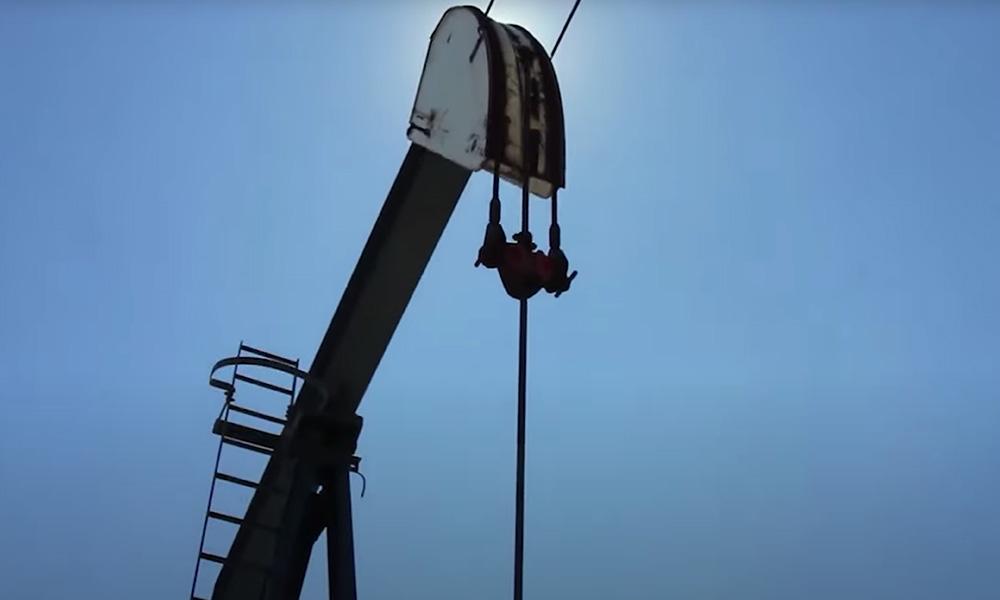
With the blockade in place, crude oil exports from Iranian ports have essentially come to a standstill. The country will lose a significant portion of its oil revenues, which have been the lifeblood of its economy. Once onshore storage facilities reach their capacity limits, Iran could be forced to shut down some oil wells within weeks. This prospect is costly and highly destructive, as halting pressurized extraction in mature reservoirs disrupts sophisticated underground systems, causing water to rush into wellbores, heavy sediments to clog rock pores, and potentially leading to a permanent decline in production or rendering some wells economically unviable.
The U.S. government has named this operation "Economic Fury" as a complement to the broader "Epic Fury" military operation. The U.S. Treasury Department has decided not to extend the short-term waiver allowing the sale of sanctioned Iranian oil, which is set to expire soon. In addition, the Treasury Department has imposed sanctions on more than 20 individuals, companies, and vessels operating an illicit oil smuggling network run by the Iranian elite, and threatened further measures against banks worldwide that have provided aid to Tehran. Chairman of the Joint Chiefs of Staff General Dan Kane emphasized that the blockade applies to all vessels entering or leaving Iranian ports, regardless of nationality, including any vessels flying the Iranian flag or attempting to provide material support to Iran.
Analysis by industry tracking firms such as Vortexa, Kpler, and Energy Aspects indicates that Iran may reach what the industry calls "storage capacity exhaustion" within two to three weeks, meaning that its underground oil extraction will have virtually no storage space left. Iran's onshore oil storage facilities have a total capacity of approximately 120 million barrels, and are currently more than half full. At the current rate of export disruptions, this space will be depleted in less than three weeks.
While precise data on the size of Iran's oil facilities is not entirely transparent, some analysts believe Tehran may have some flexibility. Satellite imagery currently shows three tankers, each capable of carrying approximately 5 million barrels of oil, loading at Kharg Island, Iran's oil export hub. Furthermore, Vortexa estimates that Iran has approximately 160 million barrels of oil loaded in tankers at sea, some of which are floating outside the Gulf, closer to Asian buyers. This means that even after production cuts begin, Iran may still be able to continue selling some oil for several weeks, providing a buffer.
However, these buffers will quickly disappear if the blockade remains in effect. A senior analyst on Iran at the consulting firm Eurasia Group points out that Iran does have some leeway, but time is not on its side. Max Mezlish, a former U.S. sanctions official and current researcher at the Foundation for the Defense of Democracy (FDD), a Washington think tank that advocates a hardline policy towards Iran, bluntly stated, "It's hard to see how Iran can economically withstand all this in the long run."
Despite facing immense pressure, Iran has so far responded relatively restrained to the blockade. Tehran may believe it can endure the pain of a prolonged oil production shutdown as much as it could withstand a military strike or the loss of its top leadership. The country has historically demonstrated remarkable resilience under severe sanctions; last year, despite years of sanctions and a domestic currency crisis, its crude oil sales still exceeded any year since 2018, largely relying on a clandestine network of "shadow fleets" to circumvent sanctions and finding independent refinery buyers in China willing to purchase at discounted prices.
Iran's potential options include restarting the war or fulfilling its threat to use its Houthi proxy in Yemen to block the Bab el-Mandeb Strait in the Red Sea. This strait, a major route for Saudi Arabia's oil exports, has remained relatively open during the conflict. Alternatively, Iran might send oil tankers loaded with oil to force their way through the Strait of Hormuz, compelling the situation to escalate into direct confrontation. Richard Brownes, co-founder and geopolitics director at Energy Aspects, argues that simply resorting to a blockade is unlikely to force the Iranian regime to quickly yield in negotiations, as it is a regime with buffers and a long history of adapting to economic pressure.
It is worth noting that Iranian crude oil production has shown some resilience. According to Kpler data, its oil exports in March were approximately 1.87 million barrels per day, roughly the same as the same period last year. This situation has given Tehran an unexpected wartime benefit from the surge in global oil prices, with the temporary suspension of US sanctions further boosting profits. Before the war, Iranian oil was traded at a significant discount to the Brent crude benchmark, while recently some shipments have even seen rare premiums. Researchers at Rezid Energy describe this as "the key asymmetry of the crisis": the closure of the Strait of Hormuz would be devastating for Gulf oil-producing countries that rely on open shipping, but relatively less disruptive for Iran, which had already shifted to a "dark fleet" and adapted to the sanctions channels.
Essentially, Trump, having previously failed to force Iran to open the Strait of Hormuz through direct military means, is now turning to economic strikes to achieve his goal. This action is like a ticking clock; the longer the blockade lasts, the greater the pressure on Iran's oil industry. Its intention is to eliminate Iran's control over the Strait of Hormuz and, through economic leverage, force Tehran to agree to a deal.
However, this gamble is not without risk. For a regime accustomed to surviving in a sanctions environment, this blow may not be fatal. Tankers that successfully cross the blockade, even if still trapped in the Gulf region, can postpone the deadline for their storage tanks to run out. If the blockade fails to completely cut off Iran's export routes, Tehran may continue to maintain a degree of resilience.
Overall, the US has demonstrated its determination to accelerate the resolution of the conflict through economic means via its "economic rage" campaign. The success of this strategy depends on the strength of the blockade, Iran's resilience, and the international community's response. The global energy market is closely watching developments, as the stability of the Strait of Hormuz is directly related to the security of the world's oil supply. If economic pressure ultimately forces Iran to concede, it will mark a major turning point in the Middle East's geopolitical landscape; conversely, a prolonged standoff could lead to broader economic and security consequences. The situation continues to evolve rapidly, and future negotiations may determine the ultimate outcome of this game.
Escalation of the lockdown and its direct impact
The United States has significantly strengthened its maritime blockade against Iran, initially focusing on ships entering and leaving Iranian ports, but quickly expanding its scope to cover all "shadow fleets" serving Iranian oil exports. The Pentagon has made it clear that the U.S. Navy is prepared to board and inspect these ships anywhere in the world. This expansion aims to accelerate the actual impact of the blockade on the Iranian economy, while providing more opportunities to intercept ships that may be carrying Iranian economic or military supplies.
With the blockade in place, crude oil exports from Iranian ports have essentially come to a standstill. The country will lose a significant portion of its oil revenues, which have been the lifeblood of its economy. Once onshore storage facilities reach their capacity limits, Iran could be forced to shut down some oil wells within weeks. This prospect is costly and highly destructive, as halting pressurized extraction in mature reservoirs disrupts sophisticated underground systems, causing water to rush into wellbores, heavy sediments to clog rock pores, and potentially leading to a permanent decline in production or rendering some wells economically unviable.
The U.S. government has named this operation "Economic Fury" as a complement to the broader "Epic Fury" military operation. The U.S. Treasury Department has decided not to extend the short-term waiver allowing the sale of sanctioned Iranian oil, which is set to expire soon. In addition, the Treasury Department has imposed sanctions on more than 20 individuals, companies, and vessels operating an illicit oil smuggling network run by the Iranian elite, and threatened further measures against banks worldwide that have provided aid to Tehran. Chairman of the Joint Chiefs of Staff General Dan Kane emphasized that the blockade applies to all vessels entering or leaving Iranian ports, regardless of nationality, including any vessels flying the Iranian flag or attempting to provide material support to Iran.
Iran's oil industry faces a "storage tank depletion" crisis.
Analysis by industry tracking firms such as Vortexa, Kpler, and Energy Aspects indicates that Iran may reach what the industry calls "storage capacity exhaustion" within two to three weeks, meaning that its underground oil extraction will have virtually no storage space left. Iran's onshore oil storage facilities have a total capacity of approximately 120 million barrels, and are currently more than half full. At the current rate of export disruptions, this space will be depleted in less than three weeks.
While precise data on the size of Iran's oil facilities is not entirely transparent, some analysts believe Tehran may have some flexibility. Satellite imagery currently shows three tankers, each capable of carrying approximately 5 million barrels of oil, loading at Kharg Island, Iran's oil export hub. Furthermore, Vortexa estimates that Iran has approximately 160 million barrels of oil loaded in tankers at sea, some of which are floating outside the Gulf, closer to Asian buyers. This means that even after production cuts begin, Iran may still be able to continue selling some oil for several weeks, providing a buffer.
However, these buffers will quickly disappear if the blockade remains in effect. A senior analyst on Iran at the consulting firm Eurasia Group points out that Iran does have some leeway, but time is not on its side. Max Mezlish, a former U.S. sanctions official and current researcher at the Foundation for the Defense of Democracy (FDD), a Washington think tank that advocates a hardline policy towards Iran, bluntly stated, "It's hard to see how Iran can economically withstand all this in the long run."
Iran's resilience and potential countermeasures
Despite facing immense pressure, Iran has so far responded relatively restrained to the blockade. Tehran may believe it can endure the pain of a prolonged oil production shutdown as much as it could withstand a military strike or the loss of its top leadership. The country has historically demonstrated remarkable resilience under severe sanctions; last year, despite years of sanctions and a domestic currency crisis, its crude oil sales still exceeded any year since 2018, largely relying on a clandestine network of "shadow fleets" to circumvent sanctions and finding independent refinery buyers in China willing to purchase at discounted prices.
Iran's potential options include restarting the war or fulfilling its threat to use its Houthi proxy in Yemen to block the Bab el-Mandeb Strait in the Red Sea. This strait, a major route for Saudi Arabia's oil exports, has remained relatively open during the conflict. Alternatively, Iran might send oil tankers loaded with oil to force their way through the Strait of Hormuz, compelling the situation to escalate into direct confrontation. Richard Brownes, co-founder and geopolitics director at Energy Aspects, argues that simply resorting to a blockade is unlikely to force the Iranian regime to quickly yield in negotiations, as it is a regime with buffers and a long history of adapting to economic pressure.
It is worth noting that Iranian crude oil production has shown some resilience. According to Kpler data, its oil exports in March were approximately 1.87 million barrels per day, roughly the same as the same period last year. This situation has given Tehran an unexpected wartime benefit from the surge in global oil prices, with the temporary suspension of US sanctions further boosting profits. Before the war, Iranian oil was traded at a significant discount to the Brent crude benchmark, while recently some shipments have even seen rare premiums. Researchers at Rezid Energy describe this as "the key asymmetry of the crisis": the closure of the Strait of Hormuz would be devastating for Gulf oil-producing countries that rely on open shipping, but relatively less disruptive for Iran, which had already shifted to a "dark fleet" and adapted to the sanctions channels.
The underlying intentions and uncertain prospects of US strategy
Essentially, Trump, having previously failed to force Iran to open the Strait of Hormuz through direct military means, is now turning to economic strikes to achieve his goal. This action is like a ticking clock; the longer the blockade lasts, the greater the pressure on Iran's oil industry. Its intention is to eliminate Iran's control over the Strait of Hormuz and, through economic leverage, force Tehran to agree to a deal.
However, this gamble is not without risk. For a regime accustomed to surviving in a sanctions environment, this blow may not be fatal. Tankers that successfully cross the blockade, even if still trapped in the Gulf region, can postpone the deadline for their storage tanks to run out. If the blockade fails to completely cut off Iran's export routes, Tehran may continue to maintain a degree of resilience.
Overall, the US has demonstrated its determination to accelerate the resolution of the conflict through economic means via its "economic rage" campaign. The success of this strategy depends on the strength of the blockade, Iran's resilience, and the international community's response. The global energy market is closely watching developments, as the stability of the Strait of Hormuz is directly related to the security of the world's oil supply. If economic pressure ultimately forces Iran to concede, it will mark a major turning point in the Middle East's geopolitical landscape; conversely, a prolonged standoff could lead to broader economic and security consequences. The situation continues to evolve rapidly, and future negotiations may determine the ultimate outcome of this game.
- Risk Warning and Disclaimer
- The market involves risk, and trading may not be suitable for all investors. This article is for reference only and does not constitute personal investment advice, nor does it take into account certain users’ specific investment objectives, financial situation, or other needs. Any investment decisions made based on this information are at your own risk.