Walsh vs. Powell: The FOMC Power Shift
2026-04-22 20:59:32
On Wednesday, April 22, major U.S. stock indexes saw slight corrections. The Dow Jones Industrial Average closed at 49,149 points, down approximately 0.59%; the S&P 500 closed at 7,064 points, down approximately 0.63%; and the Nasdaq Composite closed at 24,260 points, down approximately 0.59%. The 10-year U.S. Treasury yield hovered around 4.28%. The Federal Reserve maintained its target range for the federal funds rate at 3.5% to 3.75%, with the effective interest rate at approximately 3.64%.
The latest economic indicators show that the U.S. Consumer Price Index (CPI) rose 3.3% year-on-year in March, the Personal Consumption Expenditures (PCE) deflator was approximately 2.8%, the unemployment rate remained stable at around 4.4%, and GDP growth is projected to be around 2.2% in 2026. Against this macroeconomic backdrop, the confirmation hearing of Federal Reserve Chairman nominee Kevin Warsh before the Senate Banking Committee the previous day became the focus of market attention, as his statements directly relate to the continuity of the monetary policy framework and the potential direction of adjustments.
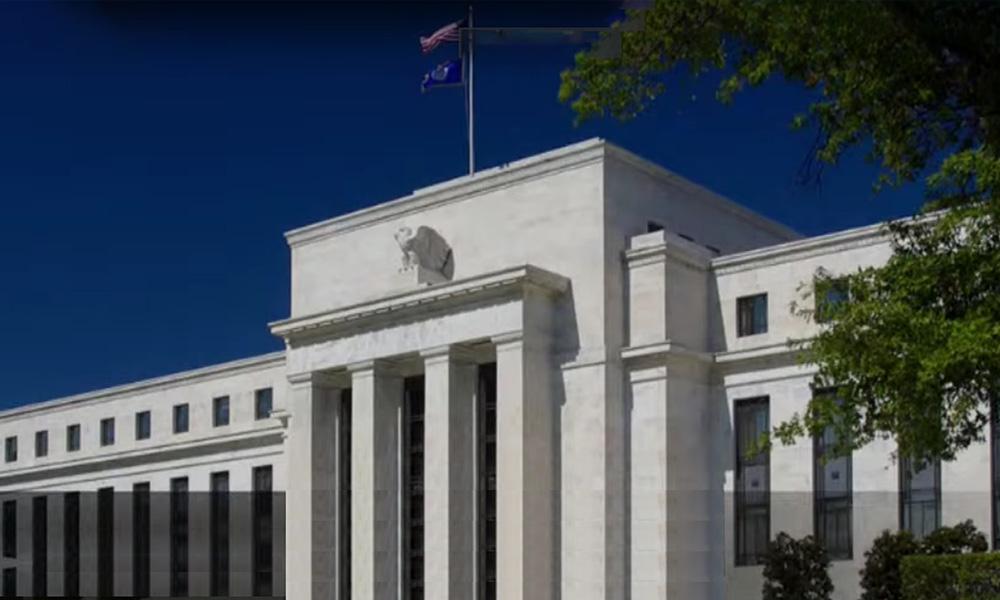
Warsh's testimony was relatively mild. He downplayed public discussions about the central bank's independence and did not explicitly express support for his future colleagues. This stance suggests that he may struggle to quickly garner support within the Federal Open Market Committee (FOMC) in pushing for changes to the monetary policy framework. The Fed's decision-making mechanism relies heavily on collective judgment, and the chairman's actual influence stems from his ability to guide compromise based on evidence. Without sufficient internal support, any structural reforms will face significant resistance. Warsh only expressed respect for the judicial process and offered no further reassurance regarding the investigation, which failed to alleviate the concerns of policymakers and staff.
Warsh's stance has shifted significantly across different economic cycles. In 2010, during a deep recession with unemployment nearing 10%, he explicitly warned of inflation risks and emphasized the need for prudent policy. By November 2025, facing potential price pressures, he had turned to calling for a substantial reduction in borrowing costs. This shift in perspective reflects a reassessment of the current situation but has also sparked discussions in the market about policy consistency. The table below compares his views at key periods:
This evolution highlights the complexity of balancing the dual mandates of monetary policymaking. Traders, when assessing FOMC meetings, should focus on how such stances are integrated into the overall framework, avoiding over-reliance on a single signal.
The Federal Reserve's balance sheet currently stands at approximately $6.71 trillion. Warsh has long advocated for a gradual reduction in this size to decrease market distortions and reduce the central bank's footprint. His historical viewpoint is cautious about large-scale asset purchases, arguing that their long-term impact needs to be examined. The slimming process involves the natural rollover of maturing assets and potential proactive adjustments, but requires majority support from the FOMC. Insufficient internal consensus could lead to volatility in liquidity transmission efficiency and the shape of the yield curve. Synchronized reforms of regulatory policies and communication strategies also rely on collective coordination; any hasty implementation could amplify market uncertainty. In contrast, current Chairman Powell has recently emphasized data-driven decision-making and viewed some external actions as pretexts for political pressure, while also clarifying that he will continue to fulfill his governorship until 2028, further increasing the variables regarding policy continuity.
The Warsh hearings failed to demonstrate sufficient cohesion within the FOMC, posing a direct challenge to future adjustments to the monetary policy framework. Central bank independence is a crucial pillar for maintaining market confidence, and any perceived external pressure could affect the effectiveness of expectation management. Powell's long tenure as a governor may maintain some continuity in decision-making, but it will also test the coordination skills of the new leadership. Overall, potential changes to the balance sheet, regulatory framework, and communication strategies will need to be implemented gradually through multiple rounds of meetings. Traders will continue to monitor the discussions on the balance sheet adjustment path in the meeting minutes to grasp the actual pace of policy transmission.
The latest economic indicators show that the U.S. Consumer Price Index (CPI) rose 3.3% year-on-year in March, the Personal Consumption Expenditures (PCE) deflator was approximately 2.8%, the unemployment rate remained stable at around 4.4%, and GDP growth is projected to be around 2.2% in 2026. Against this macroeconomic backdrop, the confirmation hearing of Federal Reserve Chairman nominee Kevin Warsh before the Senate Banking Committee the previous day became the focus of market attention, as his statements directly relate to the continuity of the monetary policy framework and the potential direction of adjustments.
The nomination hearings highlight the test of consensus.
Warsh's testimony was relatively mild. He downplayed public discussions about the central bank's independence and did not explicitly express support for his future colleagues. This stance suggests that he may struggle to quickly garner support within the Federal Open Market Committee (FOMC) in pushing for changes to the monetary policy framework. The Fed's decision-making mechanism relies heavily on collective judgment, and the chairman's actual influence stems from his ability to guide compromise based on evidence. Without sufficient internal support, any structural reforms will face significant resistance. Warsh only expressed respect for the judicial process and offered no further reassurance regarding the investigation, which failed to alleviate the concerns of policymakers and staff.
An Analysis of the Evolution of Warsh's Monetary Policy Views
Warsh's stance has shifted significantly across different economic cycles. In 2010, during a deep recession with unemployment nearing 10%, he explicitly warned of inflation risks and emphasized the need for prudent policy. By November 2025, facing potential price pressures, he had turned to calling for a substantial reduction in borrowing costs. This shift in perspective reflects a reassessment of the current situation but has also sparked discussions in the market about policy consistency. The table below compares his views at key periods:
| period | Economic Environment | Main viewpoints |
|---|---|---|
| 2010 | Unemployment rate nears 10%, deep economic recession | Warning of inflation risks and advocating for prudent policy. |
| November 2025 | Potential price pressures may rise. | Calls for lower borrowing costs |
Prospects and Challenges of the Federal Reserve's Balance Sheet Slimming
The Federal Reserve's balance sheet currently stands at approximately $6.71 trillion. Warsh has long advocated for a gradual reduction in this size to decrease market distortions and reduce the central bank's footprint. His historical viewpoint is cautious about large-scale asset purchases, arguing that their long-term impact needs to be examined. The slimming process involves the natural rollover of maturing assets and potential proactive adjustments, but requires majority support from the FOMC. Insufficient internal consensus could lead to volatility in liquidity transmission efficiency and the shape of the yield curve. Synchronized reforms of regulatory policies and communication strategies also rely on collective coordination; any hasty implementation could amplify market uncertainty. In contrast, current Chairman Powell has recently emphasized data-driven decision-making and viewed some external actions as pretexts for political pressure, while also clarifying that he will continue to fulfill his governorship until 2028, further increasing the variables regarding policy continuity.
Internal consensus building and long-term policy impact
The Warsh hearings failed to demonstrate sufficient cohesion within the FOMC, posing a direct challenge to future adjustments to the monetary policy framework. Central bank independence is a crucial pillar for maintaining market confidence, and any perceived external pressure could affect the effectiveness of expectation management. Powell's long tenure as a governor may maintain some continuity in decision-making, but it will also test the coordination skills of the new leadership. Overall, potential changes to the balance sheet, regulatory framework, and communication strategies will need to be implemented gradually through multiple rounds of meetings. Traders will continue to monitor the discussions on the balance sheet adjustment path in the meeting minutes to grasp the actual pace of policy transmission.
Frequently Asked Questions
Question 1: Why did Warsh's remarks at the hearing raise concerns about the Fed's leadership and independence?
A: Warsh's downplaying of discussions on external intervention and his lack of explicit support for his colleagues indicate that he faces a real test in building consensus within the FOMC. The Chair's influence relies on evidence-based collective compromise; insufficient support will make policy framework reforms difficult to implement, directly impacting market perceptions of the predictability of monetary policy.
Question 2: What are the policy implications of Warsh's shift in stance from warning of inflation in 2010 to recently calling for interest rate cuts?
A: This evolution reflects its dynamic assessment of the economic cycle, but it also highlights the challenge of consistency. Traders need to pay attention to how this shift is integrated into FOMC decisions, avoiding over-interpretation of single statements, in order to better understand potential adjustments in the interest rate path and liquidity environment.
Question 3: What does Powell's continued tenure until 2028 mean for the operation of the Federal Reserve?
A: Chairman Powell's term ends in May 2026, but the governors' terms extend to 2028. This helps maintain policy continuity while increasing the difficulty of coordination for the new leadership. His data-driven decision-making stance may test the building of overall consensus and create long-term variables for reforms such as balance sheet reduction.
- Risk Warning and Disclaimer
- The market involves risk, and trading may not be suitable for all investors. This article is for reference only and does not constitute personal investment advice, nor does it take into account certain users’ specific investment objectives, financial situation, or other needs. Any investment decisions made based on this information are at your own risk.