How will the market price Trump's assassination attempt?
2026-04-27 15:19:02
On Monday, April 27th, during the early European trading session, US financial markets were closed for the weekend, but the security incident at the White House Correspondents' Association annual dinner at the Washington Hilton the previous day added uncertainty to market sentiment for the upcoming trading session. Friday's closing data showed the S&P 500 closing at 7165 points, up 0.8% on the day, with a cumulative gain of over 9% in April; the Nasdaq closed at 24836 points, up 1.6% on the day; and the Dow Jones Industrial Average closed near 49230 points, a relatively flat performance.
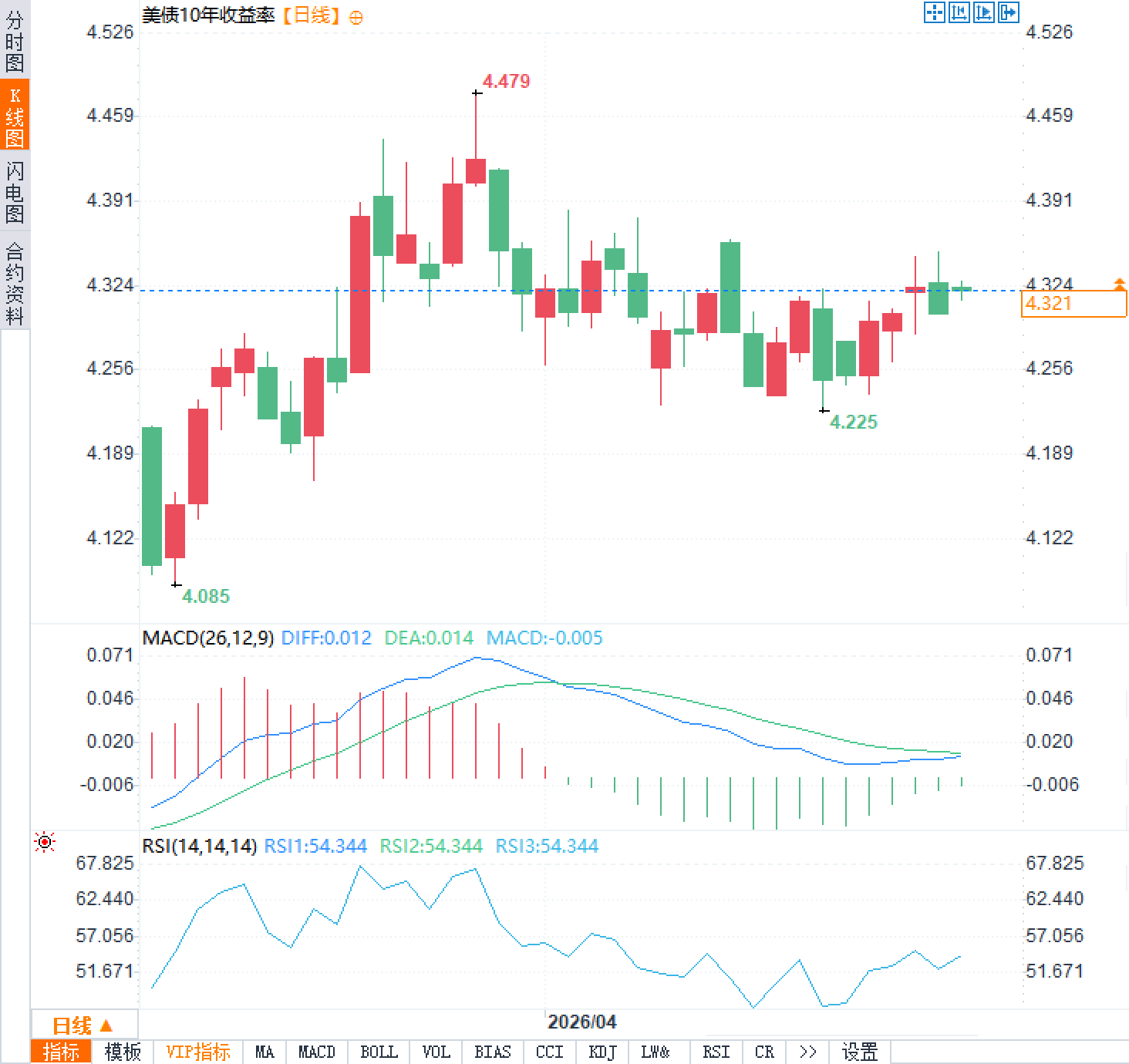
Currently, the 10-year US Treasury yield is stable at around 4.32%, and the US dollar index is hovering around 98.5. Spot gold prices remain around $4710 per ounce, while crude oil prices are influenced by geopolitical factors, with Brent crude around $101 per barrel and WTI crude around $96 per barrel. The VIX index is currently at a low of 18.71, indicating that overall market risk sentiment remains relatively restrained. Given the current macroeconomic backdrop, US economic growth is expected to be around 2.2%, the unemployment rate between 4.3% and 4.5%, and the inflation rate around 2.7%. Coupled with geopolitical tensions, such weekend events are likely to be transmitted to asset pricing through risk premium channels.
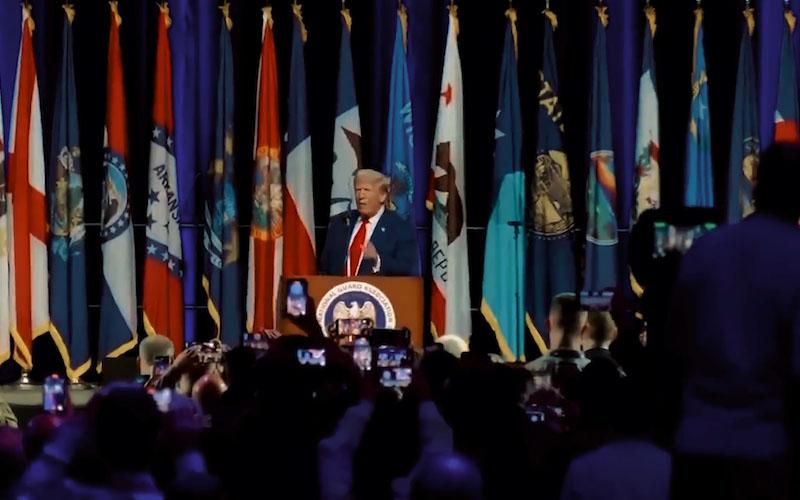
During the dinner, a man from California, carrying multiple weapons, attempted to storm the venue. He was subdued after a shootout with security personnel, causing chaos among the approximately 2,600 attendees. The US president was subsequently escorted away. Following the incident, in a brief address at the White House, the president emphasized the importance of security facilities and mentioned the need to build new, more secure White House facilities to replace the potential risks of external venues. The incident brought to light the assassination attempt on President Reagan at the same hotel in 1981. While no one was injured, the event highlighted the persistent security risks in the political sphere. For financial markets, such events influence investor risk appetite through expectations: in the short term, they may push up tail risk pricing, leading to increased implied volatility in options; in the medium term, they test the continuity of policy implementation, with traders focusing on subtle changes in credit spreads and Treasury term premiums. In the current low VIX environment, such sudden events often initially trigger a resurgence of risk aversion, which is then quickly digested depending on the event's evolution. However, if compounded by geopolitical tensions, they could amplify asymmetries in global capital flows.
Current asset prices have already reflected the technology sector-led rally, but the unpredictability of political and security events could amplify volatility through risk aversion. Downward pressure on Treasury yields may be accompanied by safe-haven buying, while the dollar index will depend on the expected stability of the Federal Reserve's policy path.
Historically, the impact of political and security events on the market has typically been characterized by a "rapid reaction and rapid digestion." Following the assassination attempt on Reagan on March 30, 1981, the Dow Jones Industrial Average fell slightly by about 0.3% the following trading day, but then rebounded fully within a few days, demonstrating the market's resilience to the event itself. A similar event in July 2024 occurred over the weekend; the S&P 500 was essentially flat after the market opened the following Monday, while the VIX briefly jumped before falling back, but the overall technology-driven upward trend remained unchanged. These cases suggest that traders tend to view isolated security events as short-term noise rather than systemic risks, unless the event evolves into long-term policy uncertainty. In the current environment, the VIX is in the 18-19 range. If the event triggers a chain reaction, it may briefly push up to above 22, but the historical mean reversion logic still dominates.
Following the incident, relevant departments stated they would push forward with the construction of new White House facilities, and related legal proposals are already under consideration. While such infrastructure initiatives are limited in scale, they reflect the potential allocation of fiscal resources in the security sector. Given the current US fiscal deficit, additional spending may put marginal pressure on the supply of long-term Treasury bonds; however, its proportion of GDP is small and unlikely to significantly alter the yield curve. At the macro level, the expected economic growth of 2.2% and inflation of 2.7% have already kept the Federal Reserve's policy cautious; any additional uncertainty could reinforce the "data-dependent" model.
Currently, the 10-year US Treasury yield is stable at around 4.32%, and the US dollar index is hovering around 98.5. Spot gold prices remain around $4710 per ounce, while crude oil prices are influenced by geopolitical factors, with Brent crude around $101 per barrel and WTI crude around $96 per barrel. The VIX index is currently at a low of 18.71, indicating that overall market risk sentiment remains relatively restrained. Given the current macroeconomic backdrop, US economic growth is expected to be around 2.2%, the unemployment rate between 4.3% and 4.5%, and the inflation rate around 2.7%. Coupled with geopolitical tensions, such weekend events are likely to be transmitted to asset pricing through risk premium channels.
Event Details and the Transmission Path of Political Uncertainty
During the dinner, a man from California, carrying multiple weapons, attempted to storm the venue. He was subdued after a shootout with security personnel, causing chaos among the approximately 2,600 attendees. The US president was subsequently escorted away. Following the incident, in a brief address at the White House, the president emphasized the importance of security facilities and mentioned the need to build new, more secure White House facilities to replace the potential risks of external venues. The incident brought to light the assassination attempt on President Reagan at the same hotel in 1981. While no one was injured, the event highlighted the persistent security risks in the political sphere. For financial markets, such events influence investor risk appetite through expectations: in the short term, they may push up tail risk pricing, leading to increased implied volatility in options; in the medium term, they test the continuity of policy implementation, with traders focusing on subtle changes in credit spreads and Treasury term premiums. In the current low VIX environment, such sudden events often initially trigger a resurgence of risk aversion, which is then quickly digested depending on the event's evolution. However, if compounded by geopolitical tensions, they could amplify asymmetries in global capital flows.
Latest performance and risk sensitivity of major asset classes
| Asset Classes | Latest level | Changes last Friday | Cumulative performance in April |
|---|---|---|---|
| S&P 500 | 7165 points | +0.8% | +9% or more |
| Nasdaq Index | 24836 points | +1.6% | +15% or more |
| Dow Jones Index | 49230 points | Slight pullback | Relatively stable |
| 10-year Treasury yield | 4.32% | flat | Narrow range fluctuation |
| US Dollar Index | 98.5 | Slight fluctuations | Range consolidation |
| Spot gold | $4710/ounce | Stablize | Rising on geopolitical support |
| Brent crude oil | $101/barrel | Slight increase | Strongly influenced by geopolitics |
Empirical Implications of Similar Historical Events for Financial Markets
Historically, the impact of political and security events on the market has typically been characterized by a "rapid reaction and rapid digestion." Following the assassination attempt on Reagan on March 30, 1981, the Dow Jones Industrial Average fell slightly by about 0.3% the following trading day, but then rebounded fully within a few days, demonstrating the market's resilience to the event itself. A similar event in July 2024 occurred over the weekend; the S&P 500 was essentially flat after the market opened the following Monday, while the VIX briefly jumped before falling back, but the overall technology-driven upward trend remained unchanged. These cases suggest that traders tend to view isolated security events as short-term noise rather than systemic risks, unless the event evolves into long-term policy uncertainty. In the current environment, the VIX is in the 18-19 range. If the event triggers a chain reaction, it may briefly push up to above 22, but the historical mean reversion logic still dominates.
Policy Continuity and Fiscal Dynamics Analysis
Following the incident, relevant departments stated they would push forward with the construction of new White House facilities, and related legal proposals are already under consideration. While such infrastructure initiatives are limited in scale, they reflect the potential allocation of fiscal resources in the security sector. Given the current US fiscal deficit, additional spending may put marginal pressure on the supply of long-term Treasury bonds; however, its proportion of GDP is small and unlikely to significantly alter the yield curve. At the macro level, the expected economic growth of 2.2% and inflation of 2.7% have already kept the Federal Reserve's policy cautious; any additional uncertainty could reinforce the "data-dependent" model.
Frequently Asked Questions
Question 1: Will the security incident at the White House dinner significantly increase market volatility next week?
A: Historical data shows that such isolated events typically only cause a short-term jump of 1-3 points in the VIX, followed by a rapid decline. The current low level of 18.71 indicates strong digestion capacity. However, if combined with existing geopolitical tensions, the short-term risk premium may widen, and the equity market may experience a high opening followed by a decline.
Question 2: How does the market reaction logic differ this time compared to similar events in 1981 and 2024?
A: After the 1981 event, the market rebounded after a short-term minor adjustment. The 2024 event was largely ignored by the market. This time, it is happening against the backdrop of a technology-led upward cycle and a low VIX level. The reaction is expected to be more of an "event-driven short-term risk aversion" rather than a trend reversal.
- Risk Warning and Disclaimer
- The market involves risk, and trading may not be suitable for all investors. This article is for reference only and does not constitute personal investment advice, nor does it take into account certain users’ specific investment objectives, financial situation, or other needs. Any investment decisions made based on this information are at your own risk.