Iranian leaders split over negotiations with the US, shattering Trump's dream of a ceasefire.
2026-04-27 14:57:36
The internal contradictions within Iran's leadership regarding negotiations with the United States have become completely public, posing the biggest obstacle to a reconciliation between the two countries. This fierce struggle over the bottom line of negotiations not only led to the failure of the first round of talks but also mired US President Trump's plan to end the war through diplomatic victory, making its future uncertain.
As early as the first round of negotiations in early April, internal divisions within Iran were already apparent. According to mediators, when the US demanded concrete proposals on issues Iran had previously claimed it was willing to discuss, Iran's negotiating stance suddenly became ambiguous and its position wavered.
As tensions escalate in the Strait of Hormuz, the two sides canceled their planned meeting last week. Although mediators are stepping up preparations for the second round of negotiations, internal divisions within Iran have cast a heavy shadow over the talks.
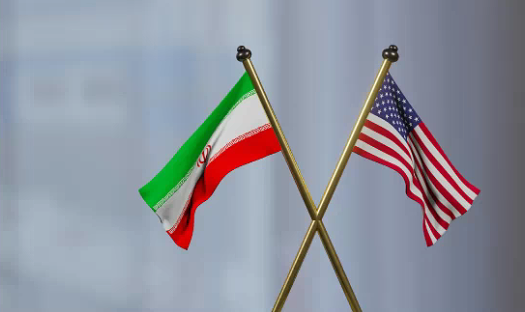
White House Press Secretary Karoline Leavitt said last Friday that U.S. special envoys Steve Witkoff and Jared Kushner will travel to Islamabad to meet with Iranian officials, while Vice President JD Vance is on standby to see how the negotiations progress.
Iranian Foreign Minister Abbas Araghchi has arrived in Islamabad, but Iranian state media denied that any meetings were scheduled. Tasnim News Agency, affiliated with the Islamic Revolutionary Guard Corps, went even further, stating that there are currently no negotiations with the US and that Araghchi's trip is unrelated to these talks.
During the war, the Iranian leadership displayed a high degree of unity externally and maintained strict control over the armed forces. However, as the war reached a stalemate, Iran urgently needed to salvage its collapsing economy by lifting sanctions, leading to a breakdown in internal cohesion and a full-blown tug-of-war between the two camps.
On one side are the hardliners and conservative forces under the control of the Islamic Revolutionary Guard Corps (IRGC), who vehemently oppose compromise with the United States. As a paramilitary force protecting the regime and commanding the war, the IRGC's influence has increased significantly during wartime. Its leader, Ahmad Vahidi, explicitly opposes excessive concessions. Extreme conservative MP Mahmoud Nabavian publicly criticized the negotiating team, accusing Speaker Mohammad Bagher Ghalibaf of making a strategic error by including the nuclear program in the discussions, which he argued would only embolden the United States. The hardliners further used domestic media and social media to fiercely attack Ghalibaf and Araghzi, accusing them of a weak negotiating stance.
On the other side were pragmatic leaders such as Araghzi and Kalibaf, who focused on repairing the severely damaged economy and advocated for the lifting of sanctions through moderate concessions. However, the pragmatics' negotiating space was severely squeezed, and under strong pressure from the hardliners, the negotiating team was caught in a dilemma, unable to reach a consensus.
The key to the ongoing divisions within Iran lies in the absence of a supreme leader. Mojtaba Khamenei, who succeeded his father as Supreme Leader after his assassination, has consistently remained out of the public eye and has been widely perceived as isolated, injured, and unable to effectively lead decision-making.
This situation stands in stark contrast to the end of the Iran-Iraq War in 1988. Back then, Supreme Leader Ayatollah Ruhollah Khomeini, after intense internal debate, made the difficult decision to end the war alone, likening it to "drinking poison." Today, Iran lacks a central figure capable of making decisive decisions and bearing the risks of those decisions; factions are deadlocked, and consensus is difficult to reach.
Mohamed Amersi, an expert at the Wilson Center, bluntly stated that the indecisiveness of Iran's top decision-makers and the intense internal debates about national interests have severely slowed down the negotiation process.
Faced with external accusations of division, Iran's top leadership urgently coordinated its statements. Ghalibaf publicly denied the existence of factions, emphasizing that "there are no extremists or moderates in Iran, only revolutionaries." Araghchi and President Pezeshkian also issued similar statements. However, analysts believe that the hardliners' high-profile pronouncements are actually a tactic to raise demands in negotiations, forcing the US to lift the port blockade and make further concessions.
The breakdown of the first round of negotiations already foreshadowed the potentially fatal impact of these disagreements. The talks continued late into the night in Pakistan, during which Kushner briefly left to call Trump and Secretary of State Marco Rubio, who were preparing to watch a mixed martial arts match. Upon Kushner's return, the US demanded that Iran suspend its uranium enrichment activities for 20 years, and the negotiations immediately ended.
Raz Zimmt, an expert at the Israeli National Security Institute, pointed out that the public emergence of internal divisions has made the Iranian regime appear vulnerable, further weakening its negotiating leverage. The Trump administration has identified internal divisions in Iran as a core obstacle to negotiations, making a breakthrough in US-Iran peace talks unlikely in the short term, and the war may descend into a prolonged stalemate.
Overall , the deep divisions within Iran's leadership have become the biggest obstacle to reconciliation between the US and Iran. The uncompromising stance of hardliners, the economic demands of pragmatists, and the absence of the Supreme Leader—these three factors intertwine to prevent Iran from forming a unified negotiating position.
Trump's goal of ending the war through diplomacy is becoming increasingly distant as internal strife in Iran intensifies, and the Middle East may be shrouded in the shadow of conflict for a long time to come.
Negotiation deadlock begins to emerge: cracks already appeared in the first round of exchanges.
As early as the first round of negotiations in early April, internal divisions within Iran were already apparent. According to mediators, when the US demanded concrete proposals on issues Iran had previously claimed it was willing to discuss, Iran's negotiating stance suddenly became ambiguous and its position wavered.
As tensions escalate in the Strait of Hormuz, the two sides canceled their planned meeting last week. Although mediators are stepping up preparations for the second round of negotiations, internal divisions within Iran have cast a heavy shadow over the talks.
White House Press Secretary Karoline Leavitt said last Friday that U.S. special envoys Steve Witkoff and Jared Kushner will travel to Islamabad to meet with Iranian officials, while Vice President JD Vance is on standby to see how the negotiations progress.
Iranian Foreign Minister Abbas Araghchi has arrived in Islamabad, but Iranian state media denied that any meetings were scheduled. Tasnim News Agency, affiliated with the Islamic Revolutionary Guard Corps, went even further, stating that there are currently no negotiations with the US and that Araghchi's trip is unrelated to these talks.
Factional antagonism intensifies: Hardliners and pragmatists engage in fierce competition.
During the war, the Iranian leadership displayed a high degree of unity externally and maintained strict control over the armed forces. However, as the war reached a stalemate, Iran urgently needed to salvage its collapsing economy by lifting sanctions, leading to a breakdown in internal cohesion and a full-blown tug-of-war between the two camps.
On one side are the hardliners and conservative forces under the control of the Islamic Revolutionary Guard Corps (IRGC), who vehemently oppose compromise with the United States. As a paramilitary force protecting the regime and commanding the war, the IRGC's influence has increased significantly during wartime. Its leader, Ahmad Vahidi, explicitly opposes excessive concessions. Extreme conservative MP Mahmoud Nabavian publicly criticized the negotiating team, accusing Speaker Mohammad Bagher Ghalibaf of making a strategic error by including the nuclear program in the discussions, which he argued would only embolden the United States. The hardliners further used domestic media and social media to fiercely attack Ghalibaf and Araghzi, accusing them of a weak negotiating stance.
On the other side were pragmatic leaders such as Araghzi and Kalibaf, who focused on repairing the severely damaged economy and advocated for the lifting of sanctions through moderate concessions. However, the pragmatics' negotiating space was severely squeezed, and under strong pressure from the hardliners, the negotiating team was caught in a dilemma, unable to reach a consensus.
The absence of a core decision-making body: The vacuum of supreme leadership amplifies divisions.
The key to the ongoing divisions within Iran lies in the absence of a supreme leader. Mojtaba Khamenei, who succeeded his father as Supreme Leader after his assassination, has consistently remained out of the public eye and has been widely perceived as isolated, injured, and unable to effectively lead decision-making.
This situation stands in stark contrast to the end of the Iran-Iraq War in 1988. Back then, Supreme Leader Ayatollah Ruhollah Khomeini, after intense internal debate, made the difficult decision to end the war alone, likening it to "drinking poison." Today, Iran lacks a central figure capable of making decisive decisions and bearing the risks of those decisions; factions are deadlocked, and consensus is difficult to reach.
Mohamed Amersi, an expert at the Wilson Center, bluntly stated that the indecisiveness of Iran's top decision-makers and the intense internal debates about national interests have severely slowed down the negotiation process.
Faced with external accusations of division, Iran's top leadership urgently coordinated its statements. Ghalibaf publicly denied the existence of factions, emphasizing that "there are no extremists or moderates in Iran, only revolutionaries." Araghchi and President Pezeshkian also issued similar statements. However, analysts believe that the hardliners' high-profile pronouncements are actually a tactic to raise demands in negotiations, forcing the US to lift the port blockade and make further concessions.
Negotiation prospects are bleak: Internal divisions have become an intractable deadlock.
The breakdown of the first round of negotiations already foreshadowed the potentially fatal impact of these disagreements. The talks continued late into the night in Pakistan, during which Kushner briefly left to call Trump and Secretary of State Marco Rubio, who were preparing to watch a mixed martial arts match. Upon Kushner's return, the US demanded that Iran suspend its uranium enrichment activities for 20 years, and the negotiations immediately ended.
Raz Zimmt, an expert at the Israeli National Security Institute, pointed out that the public emergence of internal divisions has made the Iranian regime appear vulnerable, further weakening its negotiating leverage. The Trump administration has identified internal divisions in Iran as a core obstacle to negotiations, making a breakthrough in US-Iran peace talks unlikely in the short term, and the war may descend into a prolonged stalemate.
Overall , the deep divisions within Iran's leadership have become the biggest obstacle to reconciliation between the US and Iran. The uncompromising stance of hardliners, the economic demands of pragmatists, and the absence of the Supreme Leader—these three factors intertwine to prevent Iran from forming a unified negotiating position.
Trump's goal of ending the war through diplomacy is becoming increasingly distant as internal strife in Iran intensifies, and the Middle East may be shrouded in the shadow of conflict for a long time to come.
- Risk Warning and Disclaimer
- The market involves risk, and trading may not be suitable for all investors. This article is for reference only and does not constitute personal investment advice, nor does it take into account certain users’ specific investment objectives, financial situation, or other needs. Any investment decisions made based on this information are at your own risk.