Amidst rising inflationary pressures and the risk of economic recession, Goldman Sachs predicts the Bank of Japan may flexibly adjust its interest rate hike timing around July.
2026-04-29 14:45:39
The outlook for Japan's monetary policy is currently at a critical juncture. Goldman Sachs analysts believe that against the backdrop of gradually rising inflationary pressures, the Bank of Japan may raise interest rates earlier than previously expected, possibly as early as July. This assessment is primarily based on factors such as rising imported inflation, energy price volatility, and improved wage growth expectations. These variables collectively drive structural changes in Japan's inflationary environment, increasing the necessity for monetary policy normalization.

However, in contrast to rising inflation, the downside risks facing the Japanese economy are equally significant. Fluctuations in global energy prices and increased uncertainty in external demand could worsen Japan's terms of trade, putting pressure on economic growth. Against this backdrop, if economic activity slows significantly or even enters a technical recession, the Bank of Japan may choose to postpone interest rate hikes, delaying policy adjustments until the second half of the year to avoid additional shocks to the economic recovery.
From a policy perspective, the Bank of Japan is currently grappling with a dual dilemma: "inflation-driven growth" and "growth constraints." On the one hand, persistent inflationary pressures necessitate a gradual exit from easing policies to prevent runaway price increases; on the other hand, the still-fragile economic foundation makes the central bank cautious when tightening policy. It is against this backdrop of uncertainty that the timing of interest rate hikes exhibits considerable flexibility.
At the market level, this policy uncertainty directly impacts the yen's exchange rate. If the market anticipates an earlier-than-expected interest rate hike, it will help narrow the interest rate differential with other major economies, thus supporting the yen; conversely, if the rate hike is delayed, it may exacerbate the yen's downward pressure. Furthermore, global energy price trends and changes in external demand will indirectly influence the Bank of Japan's decision-making path through inflation and trade channels.
From a technical perspective, yen-related currency pairs remain in a weak, oscillating pattern, with short-term direction depending on changes in policy expectations. If the market strengthens its expectations of interest rate hikes, the yen may experience a temporary rebound; however, if economic data continues to be weak, the exchange rate may maintain its weak trend.
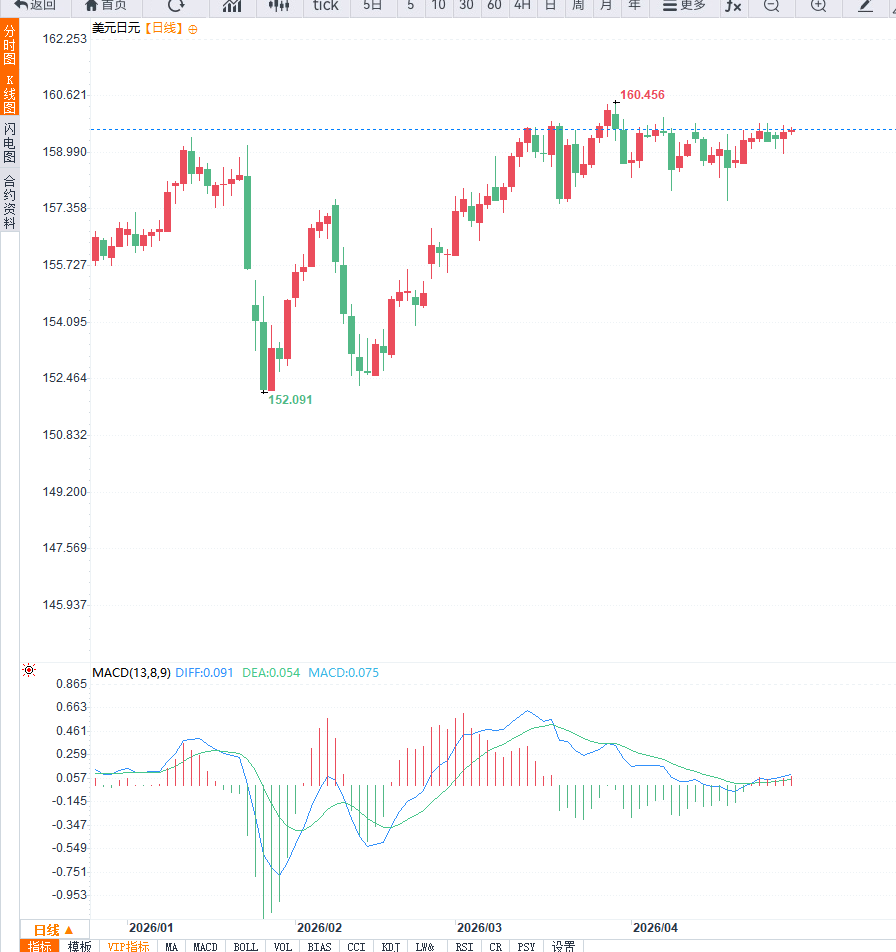
Editor's Summary : Overall, the Bank of Japan's interest rate hike path faces significant uncertainty. Inflationary pressures provide a basis for policy tightening, but economic growth risks limit its room for maneuver. The future pace of policy will depend on dynamic changes in inflation and economic performance. In the short term, the market will closely monitor Japanese inflation data, wage growth, and changes in the external environment to determine whether interest rate hikes will be implemented ahead of schedule. Overall, Japan's monetary policy is likely to maintain a flexible pace of adjustment to balance the relationship between inflation and growth.
However, in contrast to rising inflation, the downside risks facing the Japanese economy are equally significant. Fluctuations in global energy prices and increased uncertainty in external demand could worsen Japan's terms of trade, putting pressure on economic growth. Against this backdrop, if economic activity slows significantly or even enters a technical recession, the Bank of Japan may choose to postpone interest rate hikes, delaying policy adjustments until the second half of the year to avoid additional shocks to the economic recovery.
From a policy perspective, the Bank of Japan is currently grappling with a dual dilemma: "inflation-driven growth" and "growth constraints." On the one hand, persistent inflationary pressures necessitate a gradual exit from easing policies to prevent runaway price increases; on the other hand, the still-fragile economic foundation makes the central bank cautious when tightening policy. It is against this backdrop of uncertainty that the timing of interest rate hikes exhibits considerable flexibility.
At the market level, this policy uncertainty directly impacts the yen's exchange rate. If the market anticipates an earlier-than-expected interest rate hike, it will help narrow the interest rate differential with other major economies, thus supporting the yen; conversely, if the rate hike is delayed, it may exacerbate the yen's downward pressure. Furthermore, global energy price trends and changes in external demand will indirectly influence the Bank of Japan's decision-making path through inflation and trade channels.
From a technical perspective, yen-related currency pairs remain in a weak, oscillating pattern, with short-term direction depending on changes in policy expectations. If the market strengthens its expectations of interest rate hikes, the yen may experience a temporary rebound; however, if economic data continues to be weak, the exchange rate may maintain its weak trend.
Editor's Summary : Overall, the Bank of Japan's interest rate hike path faces significant uncertainty. Inflationary pressures provide a basis for policy tightening, but economic growth risks limit its room for maneuver. The future pace of policy will depend on dynamic changes in inflation and economic performance. In the short term, the market will closely monitor Japanese inflation data, wage growth, and changes in the external environment to determine whether interest rate hikes will be implemented ahead of schedule. Overall, Japan's monetary policy is likely to maintain a flexible pace of adjustment to balance the relationship between inflation and growth.
- Risk Warning and Disclaimer
- The market involves risk, and trading may not be suitable for all investors. This article is for reference only and does not constitute personal investment advice, nor does it take into account certain users’ specific investment objectives, financial situation, or other needs. Any investment decisions made based on this information are at your own risk.