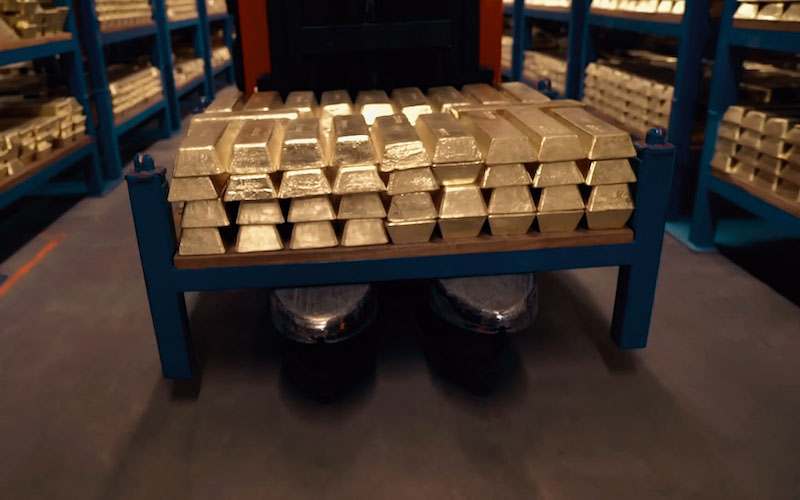
Unauthorized war, skyrocketing military spending, and a major reshuffle of high-ranking officials: US congressional questioning directly addresses all the pain points of war.
2026-04-29 20:13:14
Since the outbreak of the war with Iran, Defense Minister Peter Hegseth is about to face his first parliamentary interrogation. This parliamentary inquiry focuses on the course of the war and the defense budget, and is an important tool for observing and tracking the geopolitical situation, as well as an important reference for gold and crude oil trading.
Hegses will be questioned by the House Armed Services Committee on Wednesday, marking the first time a senior Pentagon official has faced congressional questioning since the Trump administration launched its war against Iran on February 28.
The Democratic Party has already made it clear that it questions whether this unauthorized military action constitutes a "costly selective conflict," and that the resulting sharp fluctuations in the energy market are continuing to impact the stability of the global financial system.

The core issue of this hearing is the government's historic $1.5 trillion defense budget proposal for fiscal year 2027.
Hegsays and Chairman of the Joint Chiefs of Staff General Dan Kane are expected to emphasize the need to expand the deployment of drones, missile defense systems, and warships—an arms expansion plan that not only concerns the progress of the Middle East conflict but also reflects the global geopolitical situation from the U.S. perspective.
It is worth noting that Iran's blockade of the Strait of Hormuz, a vital global oil shipping route, directly led to a surge in international oil prices, putting both political and economic pressure on the Republican Party ahead of the midterm elections.
In response, the United States launched a naval blockade of Iranian shipping and massively increased its troop presence in the Middle East, deploying three aircraft carriers for the first time in more than 20 years. While this move was intended to exert pressure, it further increased the risk of military confrontation in the region and exacerbated volatility in the energy market.
Democratic lawmakers will likely shift their questioning focus to the controversies surrounding the war itself: from the out-of-control costs of the war and the massive depletion of the U.S. military's critical munitions stockpile to school bombings that have resulted in child casualties, these could all become key points of their questioning.
Some lawmakers will also question the vulnerabilities in the U.S. military's defenses, following previous incidents where Iranian drones breached defenses and caused U.S. casualties.
On Wednesday, the defense secretary will face intense questioning from Congress, and on Thursday he will also be questioned by the Senate Armed Services Committee.
The lawmakers' questions may extend beyond the budget and war, reaching into Hegses' recent flurry of personnel changes at the top of the military—such uncertainty in the exercise of power is becoming a significant factor influencing market expectations for the continuity of defense policy.
In addition to the resignation of Navy Secretary John Ferran last week, Hegsays recently dismissed Army General Randy George and several other senior generals and admirals, triggering a major upheaval in the Pentagon's power structure.
Although the current ceasefire agreement has taken effect, the decision by the US-Israeli coalition to launch a military strike bypassing congressional oversight has raised concerns in the market about the expansion of executive power in the White House and the Department of Defense.
Democrats in both the House and Senate have repeatedly pushed for war powers resolutions that would require the Trump administration to suspend military operations until authorized by Congress; however, none of these proposals have been passed, and this policy uncertainty continues to suppress market risk appetite.
While Republicans have stated that they will support Trump’s wartime leadership at this stage, citing reasons such as the strategic threat of Iran’s nuclear program, the possibility of resuming negotiations, and the risk of a geopolitical vacuum caused by troop withdrawal, party members also hope that the conflict will subside as soon as possible.
If the conflict continues to drag on, subsequent elections could become a crucial test of the president's governance, with the results potentially triggering midterm elections, influencing the distribution of seats in the House and Senate, and even initiating political accountability proceedings against the president.
The US and Iran are currently locked in a strategic stalemate, with the Trump administration explicitly rejecting Iran's proposal to "end the war, lift the blockade, and postpone nuclear negotiations" in exchange for the reopening of the Strait of Hormuz.
This geopolitical stalemate continues to drive up oil prices and the valuation of safe-haven assets, creating ongoing disruptions to global commodity, foreign exchange, and equity markets.
Previously, Hegsays had avoided public questioning from Congress on war issues, only releasing information through Pentagon television press conferences and primarily giving interviews to conservative media outlets, even quoting religious texts to attack mainstream media.
This opaque information dissemination model has raised questions in the market about the transparency of government decision-making, directly affecting investors' pricing efficiency of geopolitical risks.
North Carolina Republican Senator Tom Tillis bluntly stated, "Please explain the reasons for the dismissals. These are critical positions, and we are at war with Iran."
The criticism directly targets the impact of the stability of military decision-making on market confidence.
As a key voter who confirmed Hogues's appointment as Secretary of Defense, Tillis further stated that Hogues's management of the Pentagon has shaken his initial support, and this political uncertainty is being transmitted to financial markets through risk premiums.
Tillis added, "He may be able to clean up the mess, but on the surface, such a large-scale replacement of highly respected senior officers, admirals, and generals will inevitably damage the stability of the military command structure."
His remarks reflect concerns within the Republican Party about the disarray in defense management, and this internal division could directly affect the approval process for subsequent defense budgets.
Georgia Republican Representative Austin Scott also publicly condemned the decision to remove General George from his post at a House Armed Services Committee hearing last week, saying, "Our questioning of this matter will not stop here."
Its tough stance highlights Congress’s strong dissatisfaction with the personnel changes at the top of the military.
Scott emphasized, "I believe that firing General George has seriously damaged the U.S. Army. This move was reckless and not only weakened military command capabilities but could also affect market assessments of the U.S. military's effectiveness in Middle East operations, thereby changing the pricing logic of geopolitical risks."
Hegses will be questioned by the House Armed Services Committee on Wednesday, marking the first time a senior Pentagon official has faced congressional questioning since the Trump administration launched its war against Iran on February 28.
The Democratic Party has already made it clear that it questions whether this unauthorized military action constitutes a "costly selective conflict," and that the resulting sharp fluctuations in the energy market are continuing to impact the stability of the global financial system.
Democrats pinpoint the core issues: out-of-control war costs and exposed defense vulnerabilities.
The core issue of this hearing is the government's historic $1.5 trillion defense budget proposal for fiscal year 2027.
Hegsays and Chairman of the Joint Chiefs of Staff General Dan Kane are expected to emphasize the need to expand the deployment of drones, missile defense systems, and warships—an arms expansion plan that not only concerns the progress of the Middle East conflict but also reflects the global geopolitical situation from the U.S. perspective.
It is worth noting that Iran's blockade of the Strait of Hormuz, a vital global oil shipping route, directly led to a surge in international oil prices, putting both political and economic pressure on the Republican Party ahead of the midterm elections.
In response, the United States launched a naval blockade of Iranian shipping and massively increased its troop presence in the Middle East, deploying three aircraft carriers for the first time in more than 20 years. While this move was intended to exert pressure, it further increased the risk of military confrontation in the region and exacerbated volatility in the energy market.
Democratic lawmakers will likely shift their questioning focus to the controversies surrounding the war itself: from the out-of-control costs of the war and the massive depletion of the U.S. military's critical munitions stockpile to school bombings that have resulted in child casualties, these could all become key points of their questioning.
Some lawmakers will also question the vulnerabilities in the U.S. military's defenses, following previous incidents where Iranian drones breached defenses and caused U.S. casualties.
On Wednesday, the defense secretary will face intense questioning from Congress, and on Thursday he will also be questioned by the Senate Armed Services Committee.
The lawmakers' questions may extend beyond the budget and war, reaching into Hegses' recent flurry of personnel changes at the top of the military—such uncertainty in the exercise of power is becoming a significant factor influencing market expectations for the continuity of defense policy.
In addition to the resignation of Navy Secretary John Ferran last week, Hegsays recently dismissed Army General Randy George and several other senior generals and admirals, triggering a major upheaval in the Pentagon's power structure.
A ceasefire cannot bridge political divisions, and policy uncertainty suppresses risk appetite.
Although the current ceasefire agreement has taken effect, the decision by the US-Israeli coalition to launch a military strike bypassing congressional oversight has raised concerns in the market about the expansion of executive power in the White House and the Department of Defense.
Democrats in both the House and Senate have repeatedly pushed for war powers resolutions that would require the Trump administration to suspend military operations until authorized by Congress; however, none of these proposals have been passed, and this policy uncertainty continues to suppress market risk appetite.
While Republicans have stated that they will support Trump’s wartime leadership at this stage, citing reasons such as the strategic threat of Iran’s nuclear program, the possibility of resuming negotiations, and the risk of a geopolitical vacuum caused by troop withdrawal, party members also hope that the conflict will subside as soon as possible.
If the conflict continues to drag on, subsequent elections could become a crucial test of the president's governance, with the results potentially triggering midterm elections, influencing the distribution of seats in the House and Senate, and even initiating political accountability proceedings against the president.
The US and Iran are locked in a strategic stalemate, and geopolitical risk premiums continue to rise.
The US and Iran are currently locked in a strategic stalemate, with the Trump administration explicitly rejecting Iran's proposal to "end the war, lift the blockade, and postpone nuclear negotiations" in exchange for the reopening of the Strait of Hormuz.
This geopolitical stalemate continues to drive up oil prices and the valuation of safe-haven assets, creating ongoing disruptions to global commodity, foreign exchange, and equity markets.
Previously, Hegsays had avoided public questioning from Congress on war issues, only releasing information through Pentagon television press conferences and primarily giving interviews to conservative media outlets, even quoting religious texts to attack mainstream media.
This opaque information dissemination model has raised questions in the market about the transparency of government decision-making, directly affecting investors' pricing efficiency of geopolitical risks.
There has also been a significant backlash within the Republican Party:
North Carolina Republican Senator Tom Tillis bluntly stated, "Please explain the reasons for the dismissals. These are critical positions, and we are at war with Iran."
The criticism directly targets the impact of the stability of military decision-making on market confidence.
As a key voter who confirmed Hogues's appointment as Secretary of Defense, Tillis further stated that Hogues's management of the Pentagon has shaken his initial support, and this political uncertainty is being transmitted to financial markets through risk premiums.
Tillis added, "He may be able to clean up the mess, but on the surface, such a large-scale replacement of highly respected senior officers, admirals, and generals will inevitably damage the stability of the military command structure."
His remarks reflect concerns within the Republican Party about the disarray in defense management, and this internal division could directly affect the approval process for subsequent defense budgets.
Georgia Republican Representative Austin Scott also publicly condemned the decision to remove General George from his post at a House Armed Services Committee hearing last week, saying, "Our questioning of this matter will not stop here."
Its tough stance highlights Congress’s strong dissatisfaction with the personnel changes at the top of the military.
Scott emphasized, "I believe that firing General George has seriously damaged the U.S. Army. This move was reckless and not only weakened military command capabilities but could also affect market assessments of the U.S. military's effectiveness in Middle East operations, thereby changing the pricing logic of geopolitical risks."
- Risk Warning and Disclaimer
- The market involves risk, and trading may not be suitable for all investors. This article is for reference only and does not constitute personal investment advice, nor does it take into account certain users’ specific investment objectives, financial situation, or other needs. Any investment decisions made based on this information are at your own risk.