Is the war nearing its end? Iran urgently reviews a one-page US memorandum; two knots remain untied.
2026-05-07 08:56:40
Iranian officials stated on Wednesday (May 6) that they are seriously considering a peace plan proposed by the United States aimed at ending the war. According to multiple sources, the plan centers on a one-page memorandum attempting to chart a path from a ceasefire to formal negotiations. However, despite the seemingly open window for talks, two key US demands—namely, the suspension of Iran's nuclear program and the reopening of the strategically important Strait of Hormuz—remain unresolved, representing major obstacles to an agreement.
According to a source from Pakistan and another familiar with the mediation process, the United States and Iran are close to reaching a preliminary agreement on a brief memorandum aimed at formally ending the conflict. This extremely concise document does not primarily aim to resolve all complex disputes, but rather serves as a "ticket" to initiate further, in-depth negotiations. Once signed, the memorandum will immediately begin 30 days of detailed talks to discuss a range of substantive issues.
These issues include: restoring the smooth flow of traffic in the Strait of Hormuz, lifting several U.S. economic sanctions against Iran, unfreezing frozen Iranian funds overseas, and imposing certain restrictions on Iran's nuclear program, with the aim of suspending or halting its uranium enrichment activities.
It is worth noting that it is currently unclear how this memorandum proposed by the US differs from Iran's fourteen-point peace plan, which it put forward last week.
While the memorandum created an opportunity for dialogue, the fundamental contradictions that led to the conflict remain unresolved. The US insists that Iran make clear concessions on its nuclear activities and fully open the Strait of Hormuz—a strait that, before the war, carried about one-fifth of the world's oil and gas traffic, its strategic value being self-evident.
However, judging from statements from Iran, the US proposal has not been accepted by Tehran. Iran's semi-official Tasnim News Agency, citing an unnamed source, reported that the US proposal contained some "unacceptable clauses." Stronger criticism came from within the Iranian parliament: Ibrahim Rezaei, a member of the parliament's Foreign Policy and National Security Committee, publicly described the text on social media as "less realistic than a wish list from the US," and stated firmly, "In this war that the US is losing, they cannot obtain anything they failed to obtain in face-to-face negotiations."
Across the ocean, the statements from the United States have been quite intriguing. On May 6, President Trump gave reporters an optimistic signal in the Oval Office of the White House, saying that the two sides had had "very good talks" in the past 24 hours and asserting that "they (Iran) want to make a deal, and we are very likely to make a deal."
However, earlier that same day, Trump made a completely different statement on his self-created "Truth Social" platform, threatening to resume bombing operations against Iran and admitting that the possibility of Iran agreeing to the latest US proposal was merely a "bold assumption." This dramatic shift from pessimistic threats to optimistic expectations within a single day reflects the US's uncertain assessment of its attitude towards Iran and its complex strategy of simultaneously applying pressure and promoting talks.
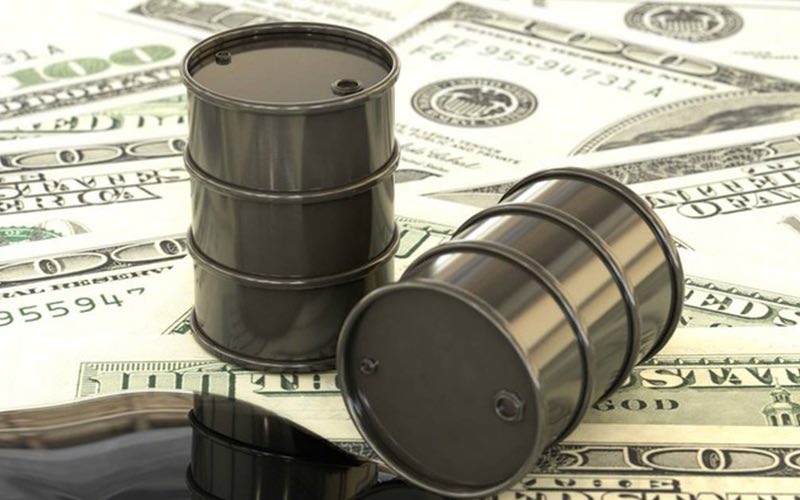
These diplomatic moves quickly spread to global financial markets. Given the prolonged disruption to energy supplies caused by the conflict, any signal of a ceasefire or agreement triggered sharp price fluctuations. Stimulated by reports that the US and Iran might be close to a preliminary agreement, international oil prices plummeted, with Brent crude futures prices plunging by about 12% to a near two-week low of around $96.75 per barrel. Although they subsequently recovered somewhat to above $100, market expectations for a supply recovery were already clear. Meanwhile, global stock markets surged due to optimism that the war was nearing its end, while bond yields, considered safe-haven assets, fell accordingly. The market cast a vote of confidence in the prospects for peace with real money, but the validity of this vote still depends on Tehran's final response.
Besides the direct parties involved—the US and Iran—other relevant countries are also closely monitoring the situation. An anonymous Israeli source revealed that Israel is unaware of the specific details of a potential agreement between Trump and Iran, and the Israeli military is preparing for a possible escalation of hostilities, demonstrating its high vigilance regarding changes in the regional security landscape. Meanwhile, the South Korean presidential office stated that after US President Trump suspended an initiative called "Project Freedom," South Korea has suspended its consideration of participating in US escort operations in the Strait of Hormuz. This indicates that the US's adjustments to its regional military deployments are influencing the decision-making pace of its allies.
In conclusion, the US peace proposal currently being considered by Iran offers a glimmer of hope for a diplomatic solution to the conflict that has lasted for more than two months. However, from the Iranian parliament's hardline rhetoric to Trump's fluctuating stance, from control of the Strait of Hormuz to restrictions on the nuclear program, all indicate that a significant gap remains between the two sides on core interests. Whether that one-page memorandum can transform from a "wish list" into a real roadmap depends on the content of Iran's official response in the coming days, and whether the US is willing to compromise on key issues not included in the memorandum, such as missile programs and proxy forces. The dramatic fluctuations in global markets due to this report precisely illustrate how precious the prospect of peace is, but the path to a genuine ceasefire and long-term stability remains fraught with difficulties.
Question 1: How exactly does the "one-page memorandum" proposed by the United States intend to achieve a ceasefire? How does it differ from the 14-point plan previously proposed by Iran?
A: The core design of this memorandum is as a "ceasefire framework" rather than a final agreement. If both sides sign the memorandum, military confrontation will cease first, followed by 30 days of formal negotiations to specifically address substantive issues such as navigation in the Strait of Hormuz, the lifting of sanctions, the unfreezing of funds, and restrictions on the nuclear program. Regarding the differences from Iran's 14-point plan, the report explicitly states that it is "not yet clear," but it can be inferred that Iran's plan likely emphasizes prior concessions from the US (such as an unconditional ceasefire and a complete withdrawal of troops), while the US memorandum adopts a gradual logic of "ceasefire first, then phased negotiations," setting the nuclear issue and control of the Strait as preconditions.
Question 2: While Iranian officials say they are "reviewing the plan," some lawmakers criticize it as a "wish list" from the United States. Which attitude represents the true position?
A: These two voices are not contradictory; rather, they reflect the differentiated reactions to the same proposal at different levels within Iran. The "review plan" released by the Iranian Foreign Ministry through the Students' News Agency is an official procedural statement, indicating that Tehran has not directly rejected it, leaving room for diplomatic maneuver. The fierce criticism from parliamentarians, however, represents the position of the legislative body and conservative forces, intended to pressure the US and project a tough stance domestically. The final decision rests with the Supreme National Security Council and the Supreme Leader. The Foreign Ministry is currently reviewing the proposal, meaning a formal response requires coordination of opinions from all parties within the organization.
Question 3: On the same day, Trump first threatened to resume bombing, and then said that a deal was "very likely." What impact would this erratic statement have on the negotiations?
A: This "carrot and stick" tactic is typical of the Trump administration's diplomatic style. The earlier threats (bombing warnings, calling Iran's agreement a "bold assumption") were intended to pressure Tehran, demonstrating that the US had no shortage of military options and urging Iran to accept US conditions as quickly as possible. The subsequent optimistic statements aimed to reassure markets, boost public expectations for peace, and show Iran the prospect of "gaining the benefits of an agreement by making concessions." However, this wavering also undermines the credibility of US commitments, making Iran doubt whether the US is truly sincere in negotiations or is merely using public opinion to exert pressure.
Question 4: If the US and Iran do reach an agreement on the memorandum, what immediate changes will occur in the global economy and energy markets?
A: In the short term, the most direct reaction will be a further decline and stabilization of oil prices, as the expectation of the Strait of Hormuz reopening will eliminate the panic premium associated with supply disruptions. Simultaneously, the gradual unfreezing of frozen Iranian overseas funds will improve its economic situation, and the lifting of some US sanctions will also allow Iranian crude oil to return to the global market, further depressing oil prices. The energy sector in global stock markets may face pressure, but oil-consuming industries such as aviation and transportation will benefit. In the bond market, decreased safe-haven demand will lead to a moderate rise in government bond yields. However, with a comprehensive agreement yet to be reached, the market will remain cautious after the initial euphoria.
Question 5: Why does Israel claim to be "unaware" and "preparing for an escalation of hostilities"? What potential threat does this pose to US-Iran negotiations?
A: Israel views Iran's nuclear program and its proxy forces in Syria, Lebanon, and other regions as a direct existential threat. A compromise between the US and Iran might ease restrictions on Iran's nuclear activities or tacitly allow Iran's military presence in certain areas, which is unacceptable to Israel. Therefore, Israel's statement of "ignorance" is essentially a signal of dissatisfaction to the US, implying its exclusion from the decision-making process; while the "preparation for escalation" serves as a warning: if the agreement reached by the US does not meet Israel's security red lines, Israel might take unilateral military action (such as airstrikes on Iranian nuclear facilities), thereby completely destroying the results of the US-Iran negotiations. This necessitates that any agreement between the US and Iran take into account Israel's tolerance limits, greatly increasing the complexity.
Details of the US proposal: A one-page memorandum outlines a path to a ceasefire.
According to a source from Pakistan and another familiar with the mediation process, the United States and Iran are close to reaching a preliminary agreement on a brief memorandum aimed at formally ending the conflict. This extremely concise document does not primarily aim to resolve all complex disputes, but rather serves as a "ticket" to initiate further, in-depth negotiations. Once signed, the memorandum will immediately begin 30 days of detailed talks to discuss a range of substantive issues.
These issues include: restoring the smooth flow of traffic in the Strait of Hormuz, lifting several U.S. economic sanctions against Iran, unfreezing frozen Iranian funds overseas, and imposing certain restrictions on Iran's nuclear program, with the aim of suspending or halting its uranium enrichment activities.
It is worth noting that it is currently unclear how this memorandum proposed by the US differs from Iran's fourteen-point peace plan, which it put forward last week.
Key disagreements remain unresolved: Nuclear ambitions and control of the Taiwan Strait are locked in a deadlock.
While the memorandum created an opportunity for dialogue, the fundamental contradictions that led to the conflict remain unresolved. The US insists that Iran make clear concessions on its nuclear activities and fully open the Strait of Hormuz—a strait that, before the war, carried about one-fifth of the world's oil and gas traffic, its strategic value being self-evident.
However, judging from statements from Iran, the US proposal has not been accepted by Tehran. Iran's semi-official Tasnim News Agency, citing an unnamed source, reported that the US proposal contained some "unacceptable clauses." Stronger criticism came from within the Iranian parliament: Ibrahim Rezaei, a member of the parliament's Foreign Policy and National Security Committee, publicly described the text on social media as "less realistic than a wish list from the US," and stated firmly, "In this war that the US is losing, they cannot obtain anything they failed to obtain in face-to-face negotiations."
Trump's stance wavers: Optimistic statements coexist with threats of force.
Across the ocean, the statements from the United States have been quite intriguing. On May 6, President Trump gave reporters an optimistic signal in the Oval Office of the White House, saying that the two sides had had "very good talks" in the past 24 hours and asserting that "they (Iran) want to make a deal, and we are very likely to make a deal."
However, earlier that same day, Trump made a completely different statement on his self-created "Truth Social" platform, threatening to resume bombing operations against Iran and admitting that the possibility of Iran agreeing to the latest US proposal was merely a "bold assumption." This dramatic shift from pessimistic threats to optimistic expectations within a single day reflects the US's uncertain assessment of its attitude towards Iran and its complex strategy of simultaneously applying pressure and promoting talks.
Global markets reacted sharply: oil prices plummeted while risk assets rose.
These diplomatic moves quickly spread to global financial markets. Given the prolonged disruption to energy supplies caused by the conflict, any signal of a ceasefire or agreement triggered sharp price fluctuations. Stimulated by reports that the US and Iran might be close to a preliminary agreement, international oil prices plummeted, with Brent crude futures prices plunging by about 12% to a near two-week low of around $96.75 per barrel. Although they subsequently recovered somewhat to above $100, market expectations for a supply recovery were already clear. Meanwhile, global stock markets surged due to optimism that the war was nearing its end, while bond yields, considered safe-haven assets, fell accordingly. The market cast a vote of confidence in the prospects for peace with real money, but the validity of this vote still depends on Tehran's final response.
External parties are closely watching: Israel prepares for war, South Korea suspends operations.
Besides the direct parties involved—the US and Iran—other relevant countries are also closely monitoring the situation. An anonymous Israeli source revealed that Israel is unaware of the specific details of a potential agreement between Trump and Iran, and the Israeli military is preparing for a possible escalation of hostilities, demonstrating its high vigilance regarding changes in the regional security landscape. Meanwhile, the South Korean presidential office stated that after US President Trump suspended an initiative called "Project Freedom," South Korea has suspended its consideration of participating in US escort operations in the Strait of Hormuz. This indicates that the US's adjustments to its regional military deployments are influencing the decision-making pace of its allies.
Summary and Outlook: The dawn of peace is breaking, but the road ahead remains fraught with difficulties.
In conclusion, the US peace proposal currently being considered by Iran offers a glimmer of hope for a diplomatic solution to the conflict that has lasted for more than two months. However, from the Iranian parliament's hardline rhetoric to Trump's fluctuating stance, from control of the Strait of Hormuz to restrictions on the nuclear program, all indicate that a significant gap remains between the two sides on core interests. Whether that one-page memorandum can transform from a "wish list" into a real roadmap depends on the content of Iran's official response in the coming days, and whether the US is willing to compromise on key issues not included in the memorandum, such as missile programs and proxy forces. The dramatic fluctuations in global markets due to this report precisely illustrate how precious the prospect of peace is, but the path to a genuine ceasefire and long-term stability remains fraught with difficulties.
Frequently Asked Questions
Question 1: How exactly does the "one-page memorandum" proposed by the United States intend to achieve a ceasefire? How does it differ from the 14-point plan previously proposed by Iran?
A: The core design of this memorandum is as a "ceasefire framework" rather than a final agreement. If both sides sign the memorandum, military confrontation will cease first, followed by 30 days of formal negotiations to specifically address substantive issues such as navigation in the Strait of Hormuz, the lifting of sanctions, the unfreezing of funds, and restrictions on the nuclear program. Regarding the differences from Iran's 14-point plan, the report explicitly states that it is "not yet clear," but it can be inferred that Iran's plan likely emphasizes prior concessions from the US (such as an unconditional ceasefire and a complete withdrawal of troops), while the US memorandum adopts a gradual logic of "ceasefire first, then phased negotiations," setting the nuclear issue and control of the Strait as preconditions.
Question 2: While Iranian officials say they are "reviewing the plan," some lawmakers criticize it as a "wish list" from the United States. Which attitude represents the true position?
A: These two voices are not contradictory; rather, they reflect the differentiated reactions to the same proposal at different levels within Iran. The "review plan" released by the Iranian Foreign Ministry through the Students' News Agency is an official procedural statement, indicating that Tehran has not directly rejected it, leaving room for diplomatic maneuver. The fierce criticism from parliamentarians, however, represents the position of the legislative body and conservative forces, intended to pressure the US and project a tough stance domestically. The final decision rests with the Supreme National Security Council and the Supreme Leader. The Foreign Ministry is currently reviewing the proposal, meaning a formal response requires coordination of opinions from all parties within the organization.
Question 3: On the same day, Trump first threatened to resume bombing, and then said that a deal was "very likely." What impact would this erratic statement have on the negotiations?
A: This "carrot and stick" tactic is typical of the Trump administration's diplomatic style. The earlier threats (bombing warnings, calling Iran's agreement a "bold assumption") were intended to pressure Tehran, demonstrating that the US had no shortage of military options and urging Iran to accept US conditions as quickly as possible. The subsequent optimistic statements aimed to reassure markets, boost public expectations for peace, and show Iran the prospect of "gaining the benefits of an agreement by making concessions." However, this wavering also undermines the credibility of US commitments, making Iran doubt whether the US is truly sincere in negotiations or is merely using public opinion to exert pressure.
Question 4: If the US and Iran do reach an agreement on the memorandum, what immediate changes will occur in the global economy and energy markets?
A: In the short term, the most direct reaction will be a further decline and stabilization of oil prices, as the expectation of the Strait of Hormuz reopening will eliminate the panic premium associated with supply disruptions. Simultaneously, the gradual unfreezing of frozen Iranian overseas funds will improve its economic situation, and the lifting of some US sanctions will also allow Iranian crude oil to return to the global market, further depressing oil prices. The energy sector in global stock markets may face pressure, but oil-consuming industries such as aviation and transportation will benefit. In the bond market, decreased safe-haven demand will lead to a moderate rise in government bond yields. However, with a comprehensive agreement yet to be reached, the market will remain cautious after the initial euphoria.
Question 5: Why does Israel claim to be "unaware" and "preparing for an escalation of hostilities"? What potential threat does this pose to US-Iran negotiations?
A: Israel views Iran's nuclear program and its proxy forces in Syria, Lebanon, and other regions as a direct existential threat. A compromise between the US and Iran might ease restrictions on Iran's nuclear activities or tacitly allow Iran's military presence in certain areas, which is unacceptable to Israel. Therefore, Israel's statement of "ignorance" is essentially a signal of dissatisfaction to the US, implying its exclusion from the decision-making process; while the "preparation for escalation" serves as a warning: if the agreement reached by the US does not meet Israel's security red lines, Israel might take unilateral military action (such as airstrikes on Iranian nuclear facilities), thereby completely destroying the results of the US-Iran negotiations. This necessitates that any agreement between the US and Iran take into account Israel's tolerance limits, greatly increasing the complexity.
- Risk Warning and Disclaimer
- The market involves risk, and trading may not be suitable for all investors. This article is for reference only and does not constitute personal investment advice, nor does it take into account certain users’ specific investment objectives, financial situation, or other needs. Any investment decisions made based on this information are at your own risk.