Employment resilience vs. Japanese intervention: How much upward pressure will US Treasury yields face?
2026-05-08 21:59:26
On Friday, May 8th, traders were closely watching the ripple effects of the US Labor Department's April jobs report and the latest Federal Reserve custody data. April's nonfarm payrolls increased by 115,000, exceeding market expectations of approximately 62,000, while March's figure was revised upwards to 185,000. Although this data demonstrated some resilience in the labor market, interest rate futures pricing saw a significant adjustment, with the probability of a December rate hike declining.
Meanwhile, the Federal Reserve's holdings of tradable U.S. Treasury securities held by foreign official and international accounts declined for the first time in a month, decreasing by $8.7 billion to $2.73 trillion. The market widely believes this is highly correlated with Japan's potential intervention in the yen, which is expected to cost approximately $54.7 billion during the same period. These changes are simultaneously reshaping short-term interest rate expectations, the supply and demand dynamics of U.S. Treasury securities, and the pace of USD/JPY exchange rate fluctuations. Traders are closely monitoring the interaction between policy paths and cross-border capital flows.
Data from the U.S. Bureau of Labor Statistics showed that nonfarm payrolls increased by 115,000 in April, revised down from 185,000 in March, while economists had generally expected only 62,000 new jobs. The unemployment rate remained unchanged at 4.3%. By sector, healthcare, transportation and warehousing, and retail trade contributed the majority of the increase, while federal government employment continued to decline.
This data exceeded expectations, indicating that the labor market remains resilient, but the growth rate is significantly slower than the 2025 average. Average hourly earnings rose slightly month-over-month, while the year-over-year increase remained within a moderate range. The report's impact on the Federal Reserve's policy path was immediate. According to the CME FedWatch tool, the market's probability of a rate hike at the December meeting fell from 23% in the previous trading day to 18%, while the probability of keeping rates unchanged rose from 70.1% to 74.1%. Traders are weighing the situation: while the employment data was stronger than expected, it was insufficient to significantly increase expectations of a rate hike, especially given high oil prices and concerns about fiscal deficits; balancing inflation risks with slowing growth is crucial.
The data suggests that signs of a cooling job market coexist with resilience, which may make the Federal Reserve cautious in its decision-making.
Federal Reserve data shows that in the week ending May 6, foreign official and international accounts reduced their holdings of tradable U.S. Treasury securities by $8.7 billion to $2.73 trillion. This is the first decline in recent times, coinciding closely with the period of potential foreign exchange intervention by Japan. It is estimated that Japan's Ministry of Finance spent approximately $54.7 billion to buy yen to support the exchange rate during this period.
Japan is the largest foreign holder of U.S. Treasury bonds, and its reserve management strategy directly impacts the supply and demand of U.S. Treasuries. Market participants are discussing whether Japan will fund intervention by selling U.S. Treasuries. The National Australia Bank notes that this account change appears to coincide with the timing of the Japanese Ministry of Finance's instruction to the Bank of Japan to intervene. Such interventions may occur sporadically, but if they become routine, they could exert potential pressure on the U.S. Treasury market.
JPMorgan analysts believe that the Bank of Japan, acting as an agent of the Ministry of Finance, can utilize the New York Fed's reserves to operate during the US trading session, when liquidity in the US Treasury market is at its peak. They tend to use short-term Treasury bills rather than long-term bonds to minimize market disruption.
Since 2022, Japan has spent over $200 billion to support the yen's exchange rate. Bank of America's Tokyo-based foreign exchange and interest rate strategist points out that if this intervention does not significantly deplete cash reserves, it could lead to a deterioration in the supply and demand situation of the relevant bond market by approximately $70 billion, primarily affecting US Treasuries.
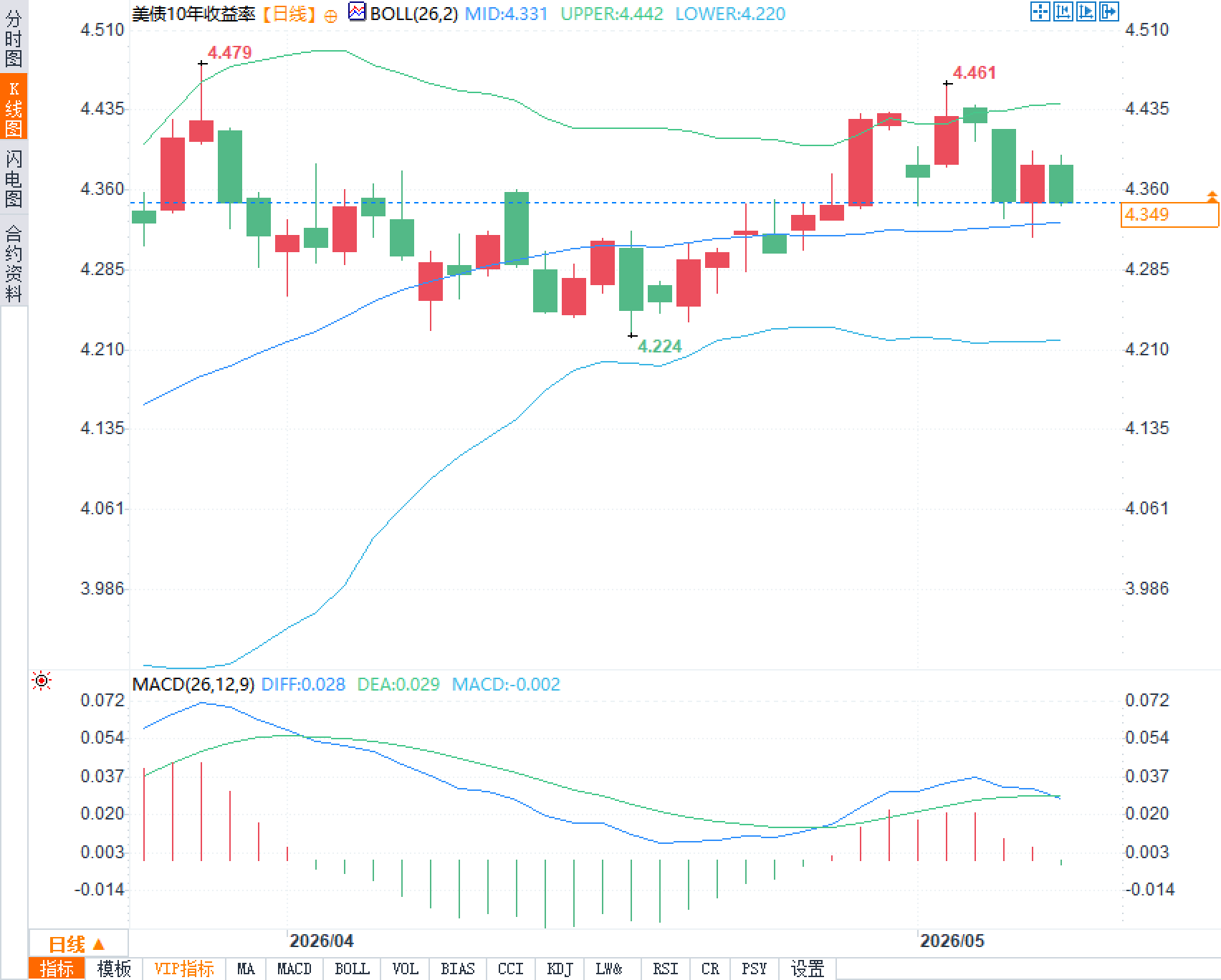
The US Treasury market is facing supply-side pressure due to employment data and rumors of intervention. The 10-year Treasury yield has recently hovered around 4.37% to 4.39%. High oil prices, driven by geopolitical factors, are further pushing up inflation expectations and supporting yields. Meanwhile, concerns about widening fiscal deficits are exacerbating anxieties about the supply of long-term bonds.
If Japan continues or intensifies its intervention, the likelihood of reducing its holdings of US Treasury bonds will further push up the yield curve, especially at the medium and long end. Traders are closely watching the Federal Reserve's custody data as an indirect indicator of Japanese intervention, as well as the upcoming visit to Japan by US Treasury Secretary Scott Bessenter, which may involve discussions on the latest developments in the currency market.
This dynamic highlights the interconnectedness between global reserve management and domestic monetary policy. The Bank of Japan, through its operations at the Federal Reserve Bank of New York, has ensured the efficiency of its intervention while attempting to minimize the impact on US Treasury liquidity. However, in the long run, the interaction between exchange rate pressures and the structure of US Treasury holdings could amplify market volatility.
The yen has recently fluctuated around 156 to 157, suggesting that Japanese authorities have limited tolerance for a weak exchange rate. The intervention not only aims to stabilize the exchange rate but also reflects considerations of import costs and economic spillover effects. Against the backdrop of adjustments in Federal Reserve policy expectations, the relative strength of the dollar may persist, but the introduction of intervention variables adds uncertainty to the foreign exchange market.
Historical intervention cases show that the yen often rebounds in the short term, but its sustainability depends on fundamentals and policy coordination. Traders need to incorporate cross-border capital flows and reserve asset adjustments into their models when assessing interest rate futures and foreign exchange positions. Going forward, the correlation between US Treasury yields and the USD/JPY exchange rate may be strengthened by intervention.
Meanwhile, the Federal Reserve's holdings of tradable U.S. Treasury securities held by foreign official and international accounts declined for the first time in a month, decreasing by $8.7 billion to $2.73 trillion. The market widely believes this is highly correlated with Japan's potential intervention in the yen, which is expected to cost approximately $54.7 billion during the same period. These changes are simultaneously reshaping short-term interest rate expectations, the supply and demand dynamics of U.S. Treasury securities, and the pace of USD/JPY exchange rate fluctuations. Traders are closely monitoring the interaction between policy paths and cross-border capital flows.
April employment data: Exceeded expectations but sends complex signals
Data from the U.S. Bureau of Labor Statistics showed that nonfarm payrolls increased by 115,000 in April, revised down from 185,000 in March, while economists had generally expected only 62,000 new jobs. The unemployment rate remained unchanged at 4.3%. By sector, healthcare, transportation and warehousing, and retail trade contributed the majority of the increase, while federal government employment continued to decline.
This data exceeded expectations, indicating that the labor market remains resilient, but the growth rate is significantly slower than the 2025 average. Average hourly earnings rose slightly month-over-month, while the year-over-year increase remained within a moderate range. The report's impact on the Federal Reserve's policy path was immediate. According to the CME FedWatch tool, the market's probability of a rate hike at the December meeting fell from 23% in the previous trading day to 18%, while the probability of keeping rates unchanged rose from 70.1% to 74.1%. Traders are weighing the situation: while the employment data was stronger than expected, it was insufficient to significantly increase expectations of a rate hike, especially given high oil prices and concerns about fiscal deficits; balancing inflation risks with slowing growth is crucial.
| index | April actual | Market expectations | March revision |
|---|---|---|---|
| Non-farm payrolls increase (in ten thousands) | 11.5 | 6.2 | 18.5 |
| unemployment rate(%) | 4.3 | 4.3 | 4.3 |
Suspicion of Japanese Intervention: Implications of Declining Custodial Holdings of US Treasury Bonds
Federal Reserve data shows that in the week ending May 6, foreign official and international accounts reduced their holdings of tradable U.S. Treasury securities by $8.7 billion to $2.73 trillion. This is the first decline in recent times, coinciding closely with the period of potential foreign exchange intervention by Japan. It is estimated that Japan's Ministry of Finance spent approximately $54.7 billion to buy yen to support the exchange rate during this period.
Japan is the largest foreign holder of U.S. Treasury bonds, and its reserve management strategy directly impacts the supply and demand of U.S. Treasuries. Market participants are discussing whether Japan will fund intervention by selling U.S. Treasuries. The National Australia Bank notes that this account change appears to coincide with the timing of the Japanese Ministry of Finance's instruction to the Bank of Japan to intervene. Such interventions may occur sporadically, but if they become routine, they could exert potential pressure on the U.S. Treasury market.
JPMorgan analysts believe that the Bank of Japan, acting as an agent of the Ministry of Finance, can utilize the New York Fed's reserves to operate during the US trading session, when liquidity in the US Treasury market is at its peak. They tend to use short-term Treasury bills rather than long-term bonds to minimize market disruption.
Since 2022, Japan has spent over $200 billion to support the yen's exchange rate. Bank of America's Tokyo-based foreign exchange and interest rate strategist points out that if this intervention does not significantly deplete cash reserves, it could lead to a deterioration in the supply and demand situation of the relevant bond market by approximately $70 billion, primarily affecting US Treasuries.
Upward pressure on US Treasury yields: Multiple factors combined
The US Treasury market is facing supply-side pressure due to employment data and rumors of intervention. The 10-year Treasury yield has recently hovered around 4.37% to 4.39%. High oil prices, driven by geopolitical factors, are further pushing up inflation expectations and supporting yields. Meanwhile, concerns about widening fiscal deficits are exacerbating anxieties about the supply of long-term bonds.
If Japan continues or intensifies its intervention, the likelihood of reducing its holdings of US Treasury bonds will further push up the yield curve, especially at the medium and long end. Traders are closely watching the Federal Reserve's custody data as an indirect indicator of Japanese intervention, as well as the upcoming visit to Japan by US Treasury Secretary Scott Bessenter, which may involve discussions on the latest developments in the currency market.
This dynamic highlights the interconnectedness between global reserve management and domestic monetary policy. The Bank of Japan, through its operations at the Federal Reserve Bank of New York, has ensured the efficiency of its intervention while attempting to minimize the impact on US Treasury liquidity. However, in the long run, the interaction between exchange rate pressures and the structure of US Treasury holdings could amplify market volatility.
The interaction between exchange rate intervention and interest rate expectations
The yen has recently fluctuated around 156 to 157, suggesting that Japanese authorities have limited tolerance for a weak exchange rate. The intervention not only aims to stabilize the exchange rate but also reflects considerations of import costs and economic spillover effects. Against the backdrop of adjustments in Federal Reserve policy expectations, the relative strength of the dollar may persist, but the introduction of intervention variables adds uncertainty to the foreign exchange market.
Historical intervention cases show that the yen often rebounds in the short term, but its sustainability depends on fundamentals and policy coordination. Traders need to incorporate cross-border capital flows and reserve asset adjustments into their models when assessing interest rate futures and foreign exchange positions. Going forward, the correlation between US Treasury yields and the USD/JPY exchange rate may be strengthened by intervention.
- Risk Warning and Disclaimer
- The market involves risk, and trading may not be suitable for all investors. This article is for reference only and does not constitute personal investment advice, nor does it take into account certain users’ specific investment objectives, financial situation, or other needs. Any investment decisions made based on this information are at your own risk.