PPI Strike Hard Against Rate Cut Dreams: US Treasuries and the Dollar Set Up Ambushes on Both Sides, Markets Are Voting Again with Their Feet
2026-05-13 20:48:45
On Wednesday (May 13), the U.S. Department of Labor released the April Producer Price Index (PPI) data. The final demand PPI rose 6.0% year-on-year, significantly higher than the market expectation of 4.9%; it rose 1.4% month-on-month, compared to an expected 0.5%. Excluding food, energy, and trade services, the core PPI rose 4.4% year-on-year and 0.6% month-on-month. The core PPI, excluding food and energy, rose 5.2% year-on-year (expected 4.3%) and 1.0% month-on-month (expected 0.3%).

Prior to the data release, market expectations for the inflation path were relatively mild, with some institutions believing that previous energy price pressures may have eased somewhat. Following the data release, US stock futures quickly corrected, with S&P 500 futures turning negative and Dow futures extending their losses. The 10-year US Treasury yield rose to 4.487%, the US dollar index briefly surged before retreating, and spot gold fluctuated slightly before largely recovering its losses. Overall, the better-than-expected PPI data reinforced market expectations that the Federal Reserve would maintain current interest rate levels.
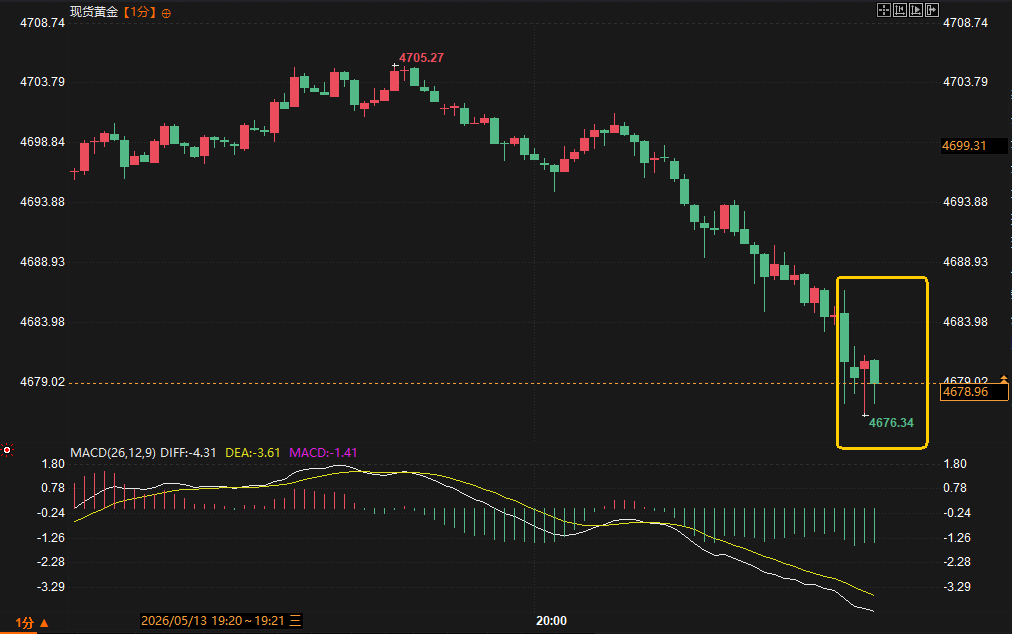
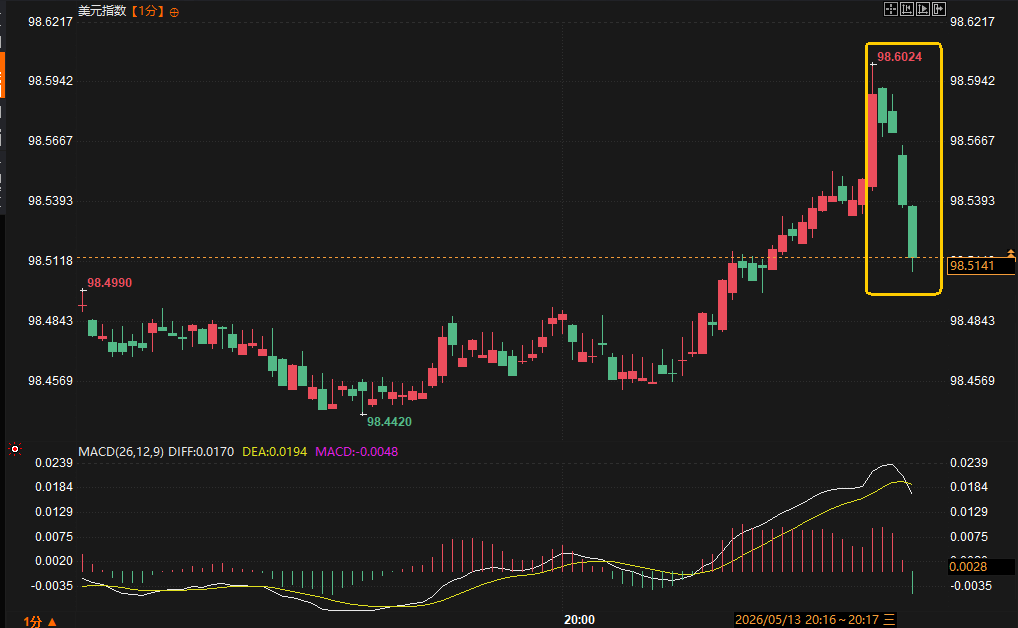
This PPI data presented several unexpected features, with both year-on-year and month-on-month growth rates significantly exceeding consensus. Key indicators also showed that price pressures were spreading to the service sector and intermediate links. This contrasts with historical trends: while the PPI had experienced periods of decline in recent months, the current reading has returned to a relatively high range, indicating that upstream cost transmission continues.
From a fundamental perspective, as a leading indicator of CPI, a rapid rise in PPI will impact corporate profit margins and pricing power. Prior to the release, most institutional views leaned towards "the data may be moderate, and the Fed still has room to observe"; some macroeconomic accounts expected core PPI growth to be controlled at around 4.3%, believing that pressures outside of energy were manageable. Retail investor discussions were more dispersed, with some focusing on the impact of geopolitical factors on the energy chain, while others anticipated a rebound in risk assets after the data release.
Following the data release, institutional perspectives quickly shifted to caution. Multiple analyses pointed out that the core PPI reading of 5.2% indicates that price pressures have extended beyond energy and food, reaching areas such as transportation, services, and business costs, thus placing stronger constraints on the Federal Reserve's policy path. Real-time feedback showed that prominent macro traders and institutional accounts emphasized "limited Fed action" and "high interest rates remaining for a longer period becoming the baseline scenario," while retail investor sentiment shifted from anticipated optimism to a reassessment of risk asset valuations, with some discussions focusing on the yield curve and short-term support for the US dollar.
Technically, the US dollar index briefly tested the 98.60 level after the data release before retreating, indicating intensified short-term bullish and bearish competition. Rising US Treasury yields reflect adjustments in interest rate expectations, but the yield curve remains positive. Stock and futures markets reacted relatively restrainedly, with the technology sector showing some resilience, but overall indices remained under pressure, reflecting the market's valuation sensitivity under high interest rate expectations. Historically, in similar scenarios of higher-than-expected PPI, asset prices often experience short-term fluctuations before reassessing their direction based on subsequent CPI and employment data; this time is no exception.
Overall, this data reinforced the market's perception of sticky inflation, but did not trigger an extreme one-sided trend, reflecting that the market has already adapted to the Fed's "data-dependent" framework to some extent.
In the short term, market focus will shift to subsequent CPI data and statements from Federal Reserve officials. Better-than-expected PPI may continue to support the dollar and yields within their current range, while US stock indices face valuation adjustment pressure. However, without a series of negative factors, the overall downside potential may be limited. In the medium to long term, the pace of price pressure transmission to end-users will determine the balance between economic and policy measures. Market movements will revolve around the "data-expectations-pricing" logic, with volatility likely to remain high until more evidence becomes clearer.
Q: What are the main driving factors behind the better-than-expected PPI data?
A: The data shows both month-on-month and year-on-year acceleration, and key indicators also exceeded expectations, indicating that price pressure comes not only from volatile items such as energy, but also extends to a wider range of production and service sectors. This is related to the recent accumulation of upstream costs, and the market needs to pay attention to the subsequent transmission effects.
Q: What are the differences in opinions between institutional and retail investors before and after the data was released?
A: Before the announcement, most institutions expected a moderate reading and focused on the policy observation window; retail investors' discussions leaned towards event-driven opportunities. After the announcement, institutions quickly emphasized the constraints on the Fed's policy, while retail investors discussed the immediate reaction of asset prices and changes in risk appetite more, with the overall trend shifting from divergence to a stronger consensus on tightening expectations.
Q: What impact will the rise in PPI have on US Treasury bonds and the US dollar?
A: The short-term rise in yields reflects an adjustment in the interest rate path, providing support for the US dollar but without a one-sided breakout. This is consistent with historical high inflation data; while pricing in higher interest rates, the market is also awaiting more confirmation signals.
Q: Why has the stock market reacted relatively restrainedly?
A: Futures prices turned downward, but the decline was limited, and some sectors showed resilience, indicating that the market has partially priced in previous expectations, and the focus remains on subsequent data releases. Historical experience shows that a single PPI data point usually triggers volatility rather than a trend reversal.
Q: Which indicators should we focus on monitoring in the future to determine market trends?
A: The next phase of CPI, employment data, and Fed communications will be crucial. The transmission relationship between PPI and CPI, the trends of core indicators, and the correlation of economic activity indicators will collectively shape market expectations in the short to medium term. Investors should continue to monitor the data closely and avoid over-interpreting any single event.
Prior to the data release, market expectations for the inflation path were relatively mild, with some institutions believing that previous energy price pressures may have eased somewhat. Following the data release, US stock futures quickly corrected, with S&P 500 futures turning negative and Dow futures extending their losses. The 10-year US Treasury yield rose to 4.487%, the US dollar index briefly surged before retreating, and spot gold fluctuated slightly before largely recovering its losses. Overall, the better-than-expected PPI data reinforced market expectations that the Federal Reserve would maintain current interest rate levels.
Deep interconnect analysis
This PPI data presented several unexpected features, with both year-on-year and month-on-month growth rates significantly exceeding consensus. Key indicators also showed that price pressures were spreading to the service sector and intermediate links. This contrasts with historical trends: while the PPI had experienced periods of decline in recent months, the current reading has returned to a relatively high range, indicating that upstream cost transmission continues.
From a fundamental perspective, as a leading indicator of CPI, a rapid rise in PPI will impact corporate profit margins and pricing power. Prior to the release, most institutional views leaned towards "the data may be moderate, and the Fed still has room to observe"; some macroeconomic accounts expected core PPI growth to be controlled at around 4.3%, believing that pressures outside of energy were manageable. Retail investor discussions were more dispersed, with some focusing on the impact of geopolitical factors on the energy chain, while others anticipated a rebound in risk assets after the data release.
Following the data release, institutional perspectives quickly shifted to caution. Multiple analyses pointed out that the core PPI reading of 5.2% indicates that price pressures have extended beyond energy and food, reaching areas such as transportation, services, and business costs, thus placing stronger constraints on the Federal Reserve's policy path. Real-time feedback showed that prominent macro traders and institutional accounts emphasized "limited Fed action" and "high interest rates remaining for a longer period becoming the baseline scenario," while retail investor sentiment shifted from anticipated optimism to a reassessment of risk asset valuations, with some discussions focusing on the yield curve and short-term support for the US dollar.
Technically, the US dollar index briefly tested the 98.60 level after the data release before retreating, indicating intensified short-term bullish and bearish competition. Rising US Treasury yields reflect adjustments in interest rate expectations, but the yield curve remains positive. Stock and futures markets reacted relatively restrainedly, with the technology sector showing some resilience, but overall indices remained under pressure, reflecting the market's valuation sensitivity under high interest rate expectations. Historically, in similar scenarios of higher-than-expected PPI, asset prices often experience short-term fluctuations before reassessing their direction based on subsequent CPI and employment data; this time is no exception.
Overall, this data reinforced the market's perception of sticky inflation, but did not trigger an extreme one-sided trend, reflecting that the market has already adapted to the Fed's "data-dependent" framework to some extent.
Trend Outlook
In the short term, market focus will shift to subsequent CPI data and statements from Federal Reserve officials. Better-than-expected PPI may continue to support the dollar and yields within their current range, while US stock indices face valuation adjustment pressure. However, without a series of negative factors, the overall downside potential may be limited. In the medium to long term, the pace of price pressure transmission to end-users will determine the balance between economic and policy measures. Market movements will revolve around the "data-expectations-pricing" logic, with volatility likely to remain high until more evidence becomes clearer.
Frequently Asked Questions
Q: What are the main driving factors behind the better-than-expected PPI data?
A: The data shows both month-on-month and year-on-year acceleration, and key indicators also exceeded expectations, indicating that price pressure comes not only from volatile items such as energy, but also extends to a wider range of production and service sectors. This is related to the recent accumulation of upstream costs, and the market needs to pay attention to the subsequent transmission effects.
Q: What are the differences in opinions between institutional and retail investors before and after the data was released?
A: Before the announcement, most institutions expected a moderate reading and focused on the policy observation window; retail investors' discussions leaned towards event-driven opportunities. After the announcement, institutions quickly emphasized the constraints on the Fed's policy, while retail investors discussed the immediate reaction of asset prices and changes in risk appetite more, with the overall trend shifting from divergence to a stronger consensus on tightening expectations.
Q: What impact will the rise in PPI have on US Treasury bonds and the US dollar?
A: The short-term rise in yields reflects an adjustment in the interest rate path, providing support for the US dollar but without a one-sided breakout. This is consistent with historical high inflation data; while pricing in higher interest rates, the market is also awaiting more confirmation signals.
Q: Why has the stock market reacted relatively restrainedly?
A: Futures prices turned downward, but the decline was limited, and some sectors showed resilience, indicating that the market has partially priced in previous expectations, and the focus remains on subsequent data releases. Historical experience shows that a single PPI data point usually triggers volatility rather than a trend reversal.
Q: Which indicators should we focus on monitoring in the future to determine market trends?
A: The next phase of CPI, employment data, and Fed communications will be crucial. The transmission relationship between PPI and CPI, the trends of core indicators, and the correlation of economic activity indicators will collectively shape market expectations in the short to medium term. Investors should continue to monitor the data closely and avoid over-interpreting any single event.
- Risk Warning and Disclaimer
- The market involves risk, and trading may not be suitable for all investors. This article is for reference only and does not constitute personal investment advice, nor does it take into account certain users’ specific investment objectives, financial situation, or other needs. Any investment decisions made based on this information are at your own risk.