Major Changes to the Rules of Passage in the Hormuz: Iran Implements Selective Controls, Several Countries Reach Tacit Understanding on Resumption of Flights
2026-05-14 11:08:31
Two and a half months after the US-Israel military strikes against Iran, Iran has begun selectively controlling oil tanker traffic in the Strait of Hormuz, signifying that this global energy chokepoint can no longer be restored to the unconditional free passage it enjoyed before February 28. Iraq and Pakistan, as the countries most severely impacted by the strait blockade, have each reached separate navigation agreements with Iran on a case-by-case basis to ensure the export of oil and gas supplies.
With US-Iran negotiations deadlocked, Iran seeks to control the operation of the Strait of Hormuz, the shipping order in the Strait is breaking away from the traditional regulatory framework, and the global energy landscape is undergoing a long-term structural reshaping.
As the situation remains deadlocked, Iran has effectively taken control of shipping operations in the Strait of Hormuz, abandoning the previous fully open passage model. Iraq and Pakistan, which were most severely impacted by the near-shutdown of shipping through the strait, have proactively engaged in pragmatic negotiations with Iran, seeking passage for their own and related oil and gas vessels through case-by-case consultations. This has become the new operating model for shipping through the strait.
As OPEC's second-largest oil producer, Iraq's economy is heavily reliant on crude oil exports, and the Strait of Hormuz was originally the core channel for transporting Basra's crude oil. Affected by the Middle East conflict, Iraq was forced to reduce its upstream crude oil production, and can only transport a small amount of crude oil to Turkey's Mediterranean coast via overland pipelines. Its traditional main export ports are severely constrained by the strait blockade, and its fiscal revenue and foreign trade economy have suffered a severe blow.
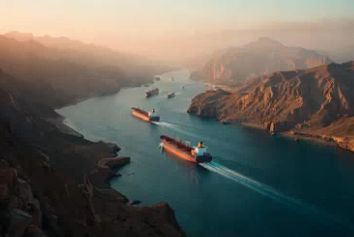
Since the outbreak of the conflict, Iraq has gradually secured some access routes for oil tankers to the east through bilateral communication with Iran. Recently, the two sides formally reached an agreement to open a safe passage for two very large crude carriers (VLCCs), each carrying approximately 2 million barrels of crude oil, which successfully sailed out of the Strait of Hormuz over the weekend.
Iraqi oil ministry officials said this week that they are still in ongoing consultations with Iran in hopes of securing navigation rights for more oil tankers. With approximately 95% of the country's budget reliant on oil revenues and limited overland pipeline capacity, normal navigation through the Strait of Hormuz is crucial to maintaining the nation's economic lifeline, making proactive negotiations for navigation access an inevitable choice.
As a mediator in the recent US-Iran talks, Pakistan, Iran's eastern neighbor, is also mired in an energy crisis. The country has long relied on a stable supply of liquefied natural gas (LNG) from Qatar. However, due to the Middle East conflict and the blockade of the Strait of Hormuz, Qatar's LNG production and exports have stalled, leading to a surge in domestic problems in Pakistan, including power shortages and rationed fuel supplies.
To alleviate the energy crisis, Pakistan and Iran reached a bilateral agreement, and two ships carrying Qatari liquefied natural gas (LNG) recently passed smoothly through the Strait of Hormuz, heading towards Pakistani ports. This marks the first resumption of Qatari LNG shipments to Pakistan since the outbreak of the conflict. Related information indicates that neither Iraq nor Pakistan paid any additional passage fees to Iran or related armed forces.
Helima Croft, Global Head of Commodities and Middle East & North Africa Research at RBC Capital Markets, analyzed that the US-Iran negotiations have stalled, with Iran leaning towards a framework similar to the 2015 nuclear agreement while seeking operational control of the Strait of Hormuz. US President Trump has explicitly rejected Iran's response to the US agreement framework, making a reconciliation unlikely.
This week, maritime intelligence firm Windward analyzed that the current commercial shipping operation model in the Strait of Hormuz has gradually deviated from the traditional shipping supervision and information disclosure system, with the rules of operation now dominated by geopolitical games and bilateral tacit understandings.
Overall, the Strait of Hormuz has moved beyond the era of unconditional freedom of navigation. Iran now holds selective control, while Iraq and Pakistan have facilitated oil and gas transport routes through one-on-one negotiations. With US-Iran talks stalled, Iran seeking dominance in the strait, and shipping regulations moving away from traditional oversight, the global energy transport landscape is undergoing a long-term transformation. Future developments in strait traffic rules and geopolitical dynamics will continue to influence the supply of crude oil and liquefied natural gas, profoundly impacting global inflation and commodity prices.
With US-Iran negotiations deadlocked, Iran seeks to control the operation of the Strait of Hormuz, the shipping order in the Strait is breaking away from the traditional regulatory framework, and the global energy landscape is undergoing a long-term structural reshaping.
Iran takes control of the Strait of Hormuz, ushering in an era of selective passage.
As the situation remains deadlocked, Iran has effectively taken control of shipping operations in the Strait of Hormuz, abandoning the previous fully open passage model. Iraq and Pakistan, which were most severely impacted by the near-shutdown of shipping through the strait, have proactively engaged in pragmatic negotiations with Iran, seeking passage for their own and related oil and gas vessels through case-by-case consultations. This has become the new operating model for shipping through the strait.
As OPEC's second-largest oil producer, Iraq's economy is heavily reliant on crude oil exports, and the Strait of Hormuz was originally the core channel for transporting Basra's crude oil. Affected by the Middle East conflict, Iraq was forced to reduce its upstream crude oil production, and can only transport a small amount of crude oil to Turkey's Mediterranean coast via overland pipelines. Its traditional main export ports are severely constrained by the strait blockade, and its fiscal revenue and foreign trade economy have suffered a severe blow.
Iraq and Iran reach an agreement allowing supertankers to pass safely.
Since the outbreak of the conflict, Iraq has gradually secured some access routes for oil tankers to the east through bilateral communication with Iran. Recently, the two sides formally reached an agreement to open a safe passage for two very large crude carriers (VLCCs), each carrying approximately 2 million barrels of crude oil, which successfully sailed out of the Strait of Hormuz over the weekend.
Iraqi oil ministry officials said this week that they are still in ongoing consultations with Iran in hopes of securing navigation rights for more oil tankers. With approximately 95% of the country's budget reliant on oil revenues and limited overland pipeline capacity, normal navigation through the Strait of Hormuz is crucial to maintaining the nation's economic lifeline, making proactive negotiations for navigation access an inevitable choice.
Pakistan mediates conflict to open up a liquefied natural gas transport route to Qatar.
As a mediator in the recent US-Iran talks, Pakistan, Iran's eastern neighbor, is also mired in an energy crisis. The country has long relied on a stable supply of liquefied natural gas (LNG) from Qatar. However, due to the Middle East conflict and the blockade of the Strait of Hormuz, Qatar's LNG production and exports have stalled, leading to a surge in domestic problems in Pakistan, including power shortages and rationed fuel supplies.
To alleviate the energy crisis, Pakistan and Iran reached a bilateral agreement, and two ships carrying Qatari liquefied natural gas (LNG) recently passed smoothly through the Strait of Hormuz, heading towards Pakistani ports. This marks the first resumption of Qatari LNG shipments to Pakistan since the outbreak of the conflict. Related information indicates that neither Iraq nor Pakistan paid any additional passage fees to Iran or related armed forces.
US-Iran negotiations stalled, and shipping across the Taiwan Straits has fallen out of the traditional regulatory framework.
Helima Croft, Global Head of Commodities and Middle East & North Africa Research at RBC Capital Markets, analyzed that the US-Iran negotiations have stalled, with Iran leaning towards a framework similar to the 2015 nuclear agreement while seeking operational control of the Strait of Hormuz. US President Trump has explicitly rejected Iran's response to the US agreement framework, making a reconciliation unlikely.
This week, maritime intelligence firm Windward analyzed that the current commercial shipping operation model in the Strait of Hormuz has gradually deviated from the traditional shipping supervision and information disclosure system, with the rules of operation now dominated by geopolitical games and bilateral tacit understandings.
Summarize
Overall, the Strait of Hormuz has moved beyond the era of unconditional freedom of navigation. Iran now holds selective control, while Iraq and Pakistan have facilitated oil and gas transport routes through one-on-one negotiations. With US-Iran talks stalled, Iran seeking dominance in the strait, and shipping regulations moving away from traditional oversight, the global energy transport landscape is undergoing a long-term transformation. Future developments in strait traffic rules and geopolitical dynamics will continue to influence the supply of crude oil and liquefied natural gas, profoundly impacting global inflation and commodity prices.
- Risk Warning and Disclaimer
- The market involves risk, and trading may not be suitable for all investors. This article is for reference only and does not constitute personal investment advice, nor does it take into account certain users’ specific investment objectives, financial situation, or other needs. Any investment decisions made based on this information are at your own risk.