Senior analyst: The Federal Reserve may raise interest rates in July to ease sentiment in the bond market.
2026-05-19 10:07:48
While many in the market initially expected new Federal Reserve Chairman Kevin Warsh to implement interest rate cuts, senior market analysts have offered a different perspective, arguing that to solidify his policy credibility, he should instead adopt a tightening stance favoring rate hikes. With inflation currently rising again and the bond market extremely sensitive, if policy statements fail to align with market realities, US Treasury yields will likely continue to climb.
Amid internal disagreements and a reversal in market expectations, the Federal Reserve's policy approach is facing a major adjustment window, and a hawkish stance in the short term may be the best option to balance the demands of all parties.
Ed Yardeni, a veteran expert in the industry specializing in capital market trends and the originator of the "bond militia" theory, stated that the current market environment no longer provides conditions for interest rate cuts. The new Federal Reserve Chairman must adjust his stance to adapt to the changing situation in order to maintain his position. He added that if the Fed leadership fails to clearly signal its concern about inflation risks, negative market sentiment will continue to fester, directly driving up US Treasury yields and further disrupting the overall financial market order.
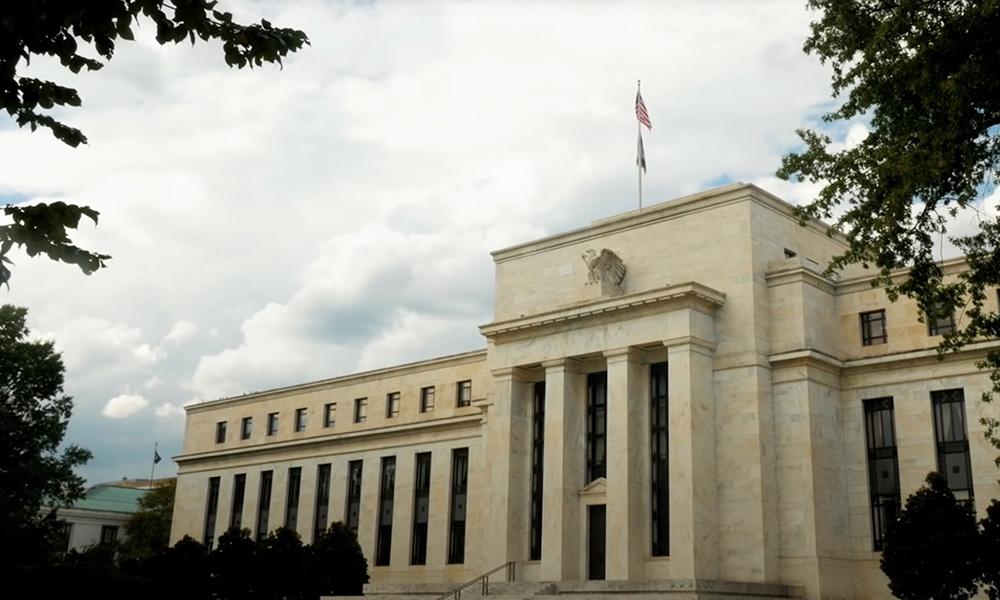
On Monday (May 18), Ed Yardeni, head of the Yardeni Research Institute, published an analysis stating that Kevin Warsh will chair the June Federal Open Market Committee (FOMC) meeting, but the actual driving force of monetary policy has already shifted towards the bond market. Among the Fed policymakers, Warsh's stance, which insists on an accommodative approach, is quite isolated, and his pro-rate-cutting attitude has been met with clear resistance from the bond market, with market funds expressing their dissatisfaction through actual trading activities.
Before officially assuming office, Warsh publicly expressed his view that the Federal Reserve could lower the current benchmark interest rate, which is in the range of 3.5% to 3.75%. However, recently, due to the situation in Iran and multiple deep-seated economic factors, global inflation has risen rapidly again, and market predictions about interest rate trends have been completely rewritten.
The US Treasury market experienced significant volatility in the previous trading day, with long-term yields surging. The 30-year Treasury yield broke through 5%, reaching a new high in nearly a year, closing at 5.123% on Monday. Meanwhile, the two-year short-term Treasury yield, which is more sensitive to changes in Federal Reserve policy, fell slightly, closing at 4.045% on Monday. This divergence in interest rate trends between long and short-term rates directly reflects the complex shifts in market expectations.
With the new Federal Reserve Chairman officially taking office, the overall policy landscape has become increasingly complex. Currently, the market is no longer optimistic about interest rate cuts, and the probability of a rate hike this year continues to rise. According to statistics from the Chicago Mercantile Exchange's interest rate monitoring tool, market pricing indicates that the probability of a Fed rate hike by the end of this year has reached 42%.
Ed Yardeni offered a clear policy timeline prediction, believing that the June FOMC meeting will most likely maintain current interest rates, but the Fed is very likely to raise rates by 25 basis points in July . In addition, the Fed, led by Warsh, could preemptively adjust its policy by removing forward guidance statements from the meeting statement that could be interpreted by the market as indicating subsequent rate cuts, thus releasing an initial tightening signal.
Yardeni stated that the Fed's policy pace must align with the bond market's direction to prevent overall borrowing costs from spiraling out of control, while simultaneously calming anxieties in the bond market. Currently, the market prefers a clear tightening policy direction rather than an ambiguous neutral stance; timely interest rate hikes would better meet the prevailing market demand.
Industry insiders believe that the new Federal Reserve Chair's initial hawkish stance can effectively calm anxieties in the bond market, stabilize yields on both short- and long-term bonds, and leave ample room for flexible adjustments to monetary policy later. Taking an early tightening stance, from a long-term perspective, can actually achieve the White House's goal of lowering actual financing costs, pushing down mortgage rates, alleviating financing pressures on businesses, and contributing to positive economic development through a steady decline in long-term interest rates.
However, this prediction deviates significantly from the mainstream market view. Interest rate monitoring data shows that the market currently estimates the probability of a rate hike in July at only 4.2%, a significant gap between the two expectations.
Overall, the rebound in inflation and strong pressure from the bond market have completely disrupted the new Federal Reserve Chairman's original plans for interest rate cuts. His personal dovish philosophy is severely out of step with the current market reality, and only by promptly changing his stance and signaling a tightening stance can he rebuild policy credibility. In the short term, adjusting policy wording and raising interest rates slightly when appropriate can stabilize market sentiment, alleviate upward pressure on long-term interest rates, and balance the development needs of various parties. Every subsequent policy statement from the Federal Reserve will continue to influence the direction of global financial markets.
Amid internal disagreements and a reversal in market expectations, the Federal Reserve's policy approach is facing a major adjustment window, and a hawkish stance in the short term may be the best option to balance the demands of all parties.
Policy expectations have completely reversed, and the easing stance has met with market resistance.
Ed Yardeni, a veteran expert in the industry specializing in capital market trends and the originator of the "bond militia" theory, stated that the current market environment no longer provides conditions for interest rate cuts. The new Federal Reserve Chairman must adjust his stance to adapt to the changing situation in order to maintain his position. He added that if the Fed leadership fails to clearly signal its concern about inflation risks, negative market sentiment will continue to fester, directly driving up US Treasury yields and further disrupting the overall financial market order.
On Monday (May 18), Ed Yardeni, head of the Yardeni Research Institute, published an analysis stating that Kevin Warsh will chair the June Federal Open Market Committee (FOMC) meeting, but the actual driving force of monetary policy has already shifted towards the bond market. Among the Fed policymakers, Warsh's stance, which insists on an accommodative approach, is quite isolated, and his pro-rate-cutting attitude has been met with clear resistance from the bond market, with market funds expressing their dissatisfaction through actual trading activities.
Before officially assuming office, Warsh publicly expressed his view that the Federal Reserve could lower the current benchmark interest rate, which is in the range of 3.5% to 3.75%. However, recently, due to the situation in Iran and multiple deep-seated economic factors, global inflation has risen rapidly again, and market predictions about interest rate trends have been completely rewritten.
US Treasury yields fluctuated dramatically, with long-term and short-term trends diverging.
The US Treasury market experienced significant volatility in the previous trading day, with long-term yields surging. The 30-year Treasury yield broke through 5%, reaching a new high in nearly a year, closing at 5.123% on Monday. Meanwhile, the two-year short-term Treasury yield, which is more sensitive to changes in Federal Reserve policy, fell slightly, closing at 4.045% on Monday. This divergence in interest rate trends between long and short-term rates directly reflects the complex shifts in market expectations.
With the new Federal Reserve Chairman officially taking office, the overall policy landscape has become increasingly complex. Currently, the market is no longer optimistic about interest rate cuts, and the probability of a rate hike this year continues to rise. According to statistics from the Chicago Mercantile Exchange's interest rate monitoring tool, market pricing indicates that the probability of a Fed rate hike by the end of this year has reached 42%.
Industry insiders predict a wait-and-see approach to policy in June, with a high probability of an interest rate hike in July.
Ed Yardeni offered a clear policy timeline prediction, believing that the June FOMC meeting will most likely maintain current interest rates, but the Fed is very likely to raise rates by 25 basis points in July . In addition, the Fed, led by Warsh, could preemptively adjust its policy by removing forward guidance statements from the meeting statement that could be interpreted by the market as indicating subsequent rate cuts, thus releasing an initial tightening signal.
Yardeni stated that the Fed's policy pace must align with the bond market's direction to prevent overall borrowing costs from spiraling out of control, while simultaneously calming anxieties in the bond market. Currently, the market prefers a clear tightening policy direction rather than an ambiguous neutral stance; timely interest rate hikes would better meet the prevailing market demand.
Hawkish statements reveal deeper meaning, balancing policy objectives with White House demands.
Industry insiders believe that the new Federal Reserve Chair's initial hawkish stance can effectively calm anxieties in the bond market, stabilize yields on both short- and long-term bonds, and leave ample room for flexible adjustments to monetary policy later. Taking an early tightening stance, from a long-term perspective, can actually achieve the White House's goal of lowering actual financing costs, pushing down mortgage rates, alleviating financing pressures on businesses, and contributing to positive economic development through a steady decline in long-term interest rates.
However, this prediction deviates significantly from the mainstream market view. Interest rate monitoring data shows that the market currently estimates the probability of a rate hike in July at only 4.2%, a significant gap between the two expectations.
Summarize
Overall, the rebound in inflation and strong pressure from the bond market have completely disrupted the new Federal Reserve Chairman's original plans for interest rate cuts. His personal dovish philosophy is severely out of step with the current market reality, and only by promptly changing his stance and signaling a tightening stance can he rebuild policy credibility. In the short term, adjusting policy wording and raising interest rates slightly when appropriate can stabilize market sentiment, alleviate upward pressure on long-term interest rates, and balance the development needs of various parties. Every subsequent policy statement from the Federal Reserve will continue to influence the direction of global financial markets.
- Risk Warning and Disclaimer
- The market involves risk, and trading may not be suitable for all investors. This article is for reference only and does not constitute personal investment advice, nor does it take into account certain users’ specific investment objectives, financial situation, or other needs. Any investment decisions made based on this information are at your own risk.