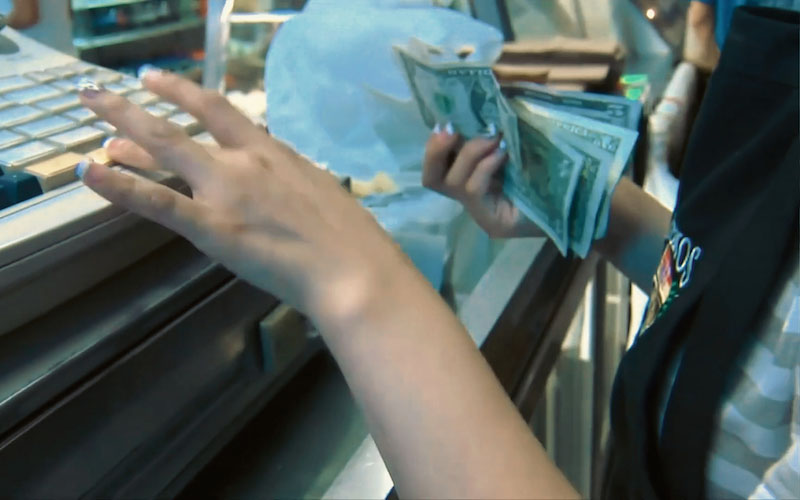
Resurgence of inflation is impacting people's livelihoods, with holiday spending costs rising across the board in the United States.
2026-05-25 10:13:20
The geopolitical conflict between the US and Iran has disrupted the energy market, directly pushing up US inflation again.
During the Memorial Day holiday, people's spending on daily necessities, travel, leisure, and other aspects of life all increased. The sharp rise in prices not only squeezed residents' real income but also caused consumer confidence to plummet. Prices for food, transportation, accommodation, and entertainment fluctuated across the board, putting pressure on industry operations. Consumer behavior adjusted accordingly, and the overall consumer market experienced a significant cooling.
Recent official statistics released by the U.S. government show that consumer prices rose 3.8% year-on-year in April, marking the highest annual increase since 2023. With the summer peak season approaching, price increases were particularly pronounced in travel, leisure, and food categories, further increasing the burden of living expenses for consumers.

Stephen Juneau, a senior economist at Bank of America, said that soaring prices will make people feel the real pressure of life, and complaints about rising costs will increase significantly during holiday shopping trips.
A survey released by the University of Michigan showed that the consumer confidence index hit a record low in May, with the three-month-long turmoil in the Middle East pushing up international oil prices, becoming the core factor dampening people's economic expectations.
Faced with a sluggish consumer market, many companies have proactively adjusted their business strategies. Elf Beauty announced that, given soaring fuel costs increasing the burden on consumers, the brand has decided to lower the prices of some products. McDonald's CEO Chris Kempczinski stated that persistently high inflation is making the overall operating situation of the restaurant industry increasingly difficult.
Due to a decrease in cattle inventory and rising fertilizer prices, the cost of barbecue ingredients has increased significantly this summer. Compared with the same period last year, the price of beef-related products has increased by up to 16%, and the price of hot dog meat products has risen by nearly 11%. The prices of fresh fruits and vegetables have fluctuated even more, with the price of tomatoes rising by nearly 40%, lettuce prices rising in tandem, and the prices of various seasonings and ingredients also steadily increasing.
Prices of desserts and beverages also showed an upward trend, with pastry and snack prices rising slightly, carbonated beverage prices steadily increasing, and coffee prices rising sharply. Even though market demand has declined somewhat, beer prices have continued to rise slightly, resulting in an overall increase in the cost of food consumption.
Holiday travel is expected to reach a new high, with tens of millions of Americans choosing long-distance trips, and driving remaining the most popular mode of transportation. Geopolitical conflicts have triggered a sharp rise in gasoline prices, with the average price of gasoline across the United States climbing to a four-year high. Gasoline prices have increased by more than 28% year-on-year , directly increasing the cost of driving.
Air travel costs have also risen sharply, with ticket prices hitting a four-year high . Disruptions to shipping through the Strait of Hormuz have driven up fuel costs, prompting major airlines to raise fares. Low-cost carrier Spirit Airlines, burdened by high costs, has ceased operations, further creating potential for price increases due to changes in the industry landscape. Hotel accommodation costs have also increased year-on-year, resulting in a significant rise in overall travel expenses.
Faced with high travel costs, public attitudes have become clearly divided. Some consumers are sticking to their original travel plans, while many others are choosing to shorten their trips and travel to nearby destinations to reduce travel expenses and offset the economic pressure brought about by rising fuel prices.
Many people chose to stay home and spend their holidays, and the cultural and entertainment consumption sector was also affected by inflation. Ticket prices for cinemas, theaters, and performances steadily increased, while ticket prices for sporting events declined. Prices for outdoor cycling and sports equipment rose, while prices for home leisure goods such as gardening tools and plants also increased, resulting in differentiated fluctuations in the cost of various leisure activities.
Geopolitical conflicts triggered energy price fluctuations, leading to a synchronized rise in prices across the United States, affecting everything from food and transportation to leisure. Rising prices severely damaged consumer confidence, posing multiple challenges to businesses, and prompting consumers to proactively adjust their spending patterns and reduce expenditures.
Inflationary pressures are unlikely to subside quickly in the short term, and the US holiday consumer market will remain in a state of high costs and tight demand for a long time.
During the Memorial Day holiday, people's spending on daily necessities, travel, leisure, and other aspects of life all increased. The sharp rise in prices not only squeezed residents' real income but also caused consumer confidence to plummet. Prices for food, transportation, accommodation, and entertainment fluctuated across the board, putting pressure on industry operations. Consumer behavior adjusted accordingly, and the overall consumer market experienced a significant cooling.
Inflation data rebounded significantly while consumer confidence plummeted.
Recent official statistics released by the U.S. government show that consumer prices rose 3.8% year-on-year in April, marking the highest annual increase since 2023. With the summer peak season approaching, price increases were particularly pronounced in travel, leisure, and food categories, further increasing the burden of living expenses for consumers.
Stephen Juneau, a senior economist at Bank of America, said that soaring prices will make people feel the real pressure of life, and complaints about rising costs will increase significantly during holiday shopping trips.
A survey released by the University of Michigan showed that the consumer confidence index hit a record low in May, with the three-month-long turmoil in the Middle East pushing up international oil prices, becoming the core factor dampening people's economic expectations.
Faced with a sluggish consumer market, many companies have proactively adjusted their business strategies. Elf Beauty announced that, given soaring fuel costs increasing the burden on consumers, the brand has decided to lower the prices of some products. McDonald's CEO Chris Kempczinski stated that persistently high inflation is making the overall operating situation of the restaurant industry increasingly difficult.
Food prices have generally risen, leading to a significant increase in daily food expenses.
Due to a decrease in cattle inventory and rising fertilizer prices, the cost of barbecue ingredients has increased significantly this summer. Compared with the same period last year, the price of beef-related products has increased by up to 16%, and the price of hot dog meat products has risen by nearly 11%. The prices of fresh fruits and vegetables have fluctuated even more, with the price of tomatoes rising by nearly 40%, lettuce prices rising in tandem, and the prices of various seasonings and ingredients also steadily increasing.
Prices of desserts and beverages also showed an upward trend, with pastry and snack prices rising slightly, carbonated beverage prices steadily increasing, and coffee prices rising sharply. Even though market demand has declined somewhat, beer prices have continued to rise slightly, resulting in an overall increase in the cost of food consumption.
Travel costs have soared across the board, leading to a divergence in public willingness to travel.
Holiday travel is expected to reach a new high, with tens of millions of Americans choosing long-distance trips, and driving remaining the most popular mode of transportation. Geopolitical conflicts have triggered a sharp rise in gasoline prices, with the average price of gasoline across the United States climbing to a four-year high. Gasoline prices have increased by more than 28% year-on-year , directly increasing the cost of driving.
Air travel costs have also risen sharply, with ticket prices hitting a four-year high . Disruptions to shipping through the Strait of Hormuz have driven up fuel costs, prompting major airlines to raise fares. Low-cost carrier Spirit Airlines, burdened by high costs, has ceased operations, further creating potential for price increases due to changes in the industry landscape. Hotel accommodation costs have also increased year-on-year, resulting in a significant rise in overall travel expenses.
Faced with high travel costs, public attitudes have become clearly divided. Some consumers are sticking to their original travel plans, while many others are choosing to shorten their trips and travel to nearby destinations to reduce travel expenses and offset the economic pressure brought about by rising fuel prices.
Leisure consumption prices diverge, home entertainment costs and pressures
Many people chose to stay home and spend their holidays, and the cultural and entertainment consumption sector was also affected by inflation. Ticket prices for cinemas, theaters, and performances steadily increased, while ticket prices for sporting events declined. Prices for outdoor cycling and sports equipment rose, while prices for home leisure goods such as gardening tools and plants also increased, resulting in differentiated fluctuations in the cost of various leisure activities.
Summarize
Geopolitical conflicts triggered energy price fluctuations, leading to a synchronized rise in prices across the United States, affecting everything from food and transportation to leisure. Rising prices severely damaged consumer confidence, posing multiple challenges to businesses, and prompting consumers to proactively adjust their spending patterns and reduce expenditures.
Inflationary pressures are unlikely to subside quickly in the short term, and the US holiday consumer market will remain in a state of high costs and tight demand for a long time.
- Risk Warning and Disclaimer
- The market involves risk, and trading may not be suitable for all investors. This article is for reference only and does not constitute personal investment advice, nor does it take into account certain users’ specific investment objectives, financial situation, or other needs. Any investment decisions made based on this information are at your own risk.