European Central Bank officials have signaled a hawkish stance, essentially confirming a June rate hike.
2026-05-27 11:30:13
Affected by the escalating situation in the Middle East and the disruption of shipping in the Strait of Hormuz, international oil prices surged, and inflation in the Eurozone rebounded, completely reversing the previous downward trend.
Senior European Central Bank officials have publicly signaled a hawkish policy stance, clearly stating their intention to utilize all monetary policy tools to bring inflation back to the 2% medium-term target. The market widely anticipates that the ECB will begin raising interest rates in June, with tightening measures expected to intensify throughout the year. Coupled with energy shocks and policy adjustments, the Eurozone economy and capital markets face new challenges.
Before the joint US-Israeli strike on Iran on February 28th and the outbreak of the Middle East conflict, inflationary pressures in the Eurozone had eased somewhat, with the inflation rate falling to 1.9%, slightly below the ECB's 2% policy target. However, with the obstruction of passage through the Strait of Hormuz and the continued surge in international oil prices, the downward trend in inflation was completely reversed. The Eurozone's inflation rate rose to 2.6% in March and further climbed to 3% in April, showing a rapid rebound in short-term prices.
As a net energy importer heavily reliant on imports, Europe is extremely sensitive to energy price fluctuations. Recently, the prices of gasoline, diesel, and jet fuel have surged across the board, prompting many countries to introduce market intervention policies. Meanwhile, industry insiders warn that a shortage of aviation fuel this summer may lead to large-scale flight cancellations, further increasing pressure on people's livelihoods and the industrial chain.
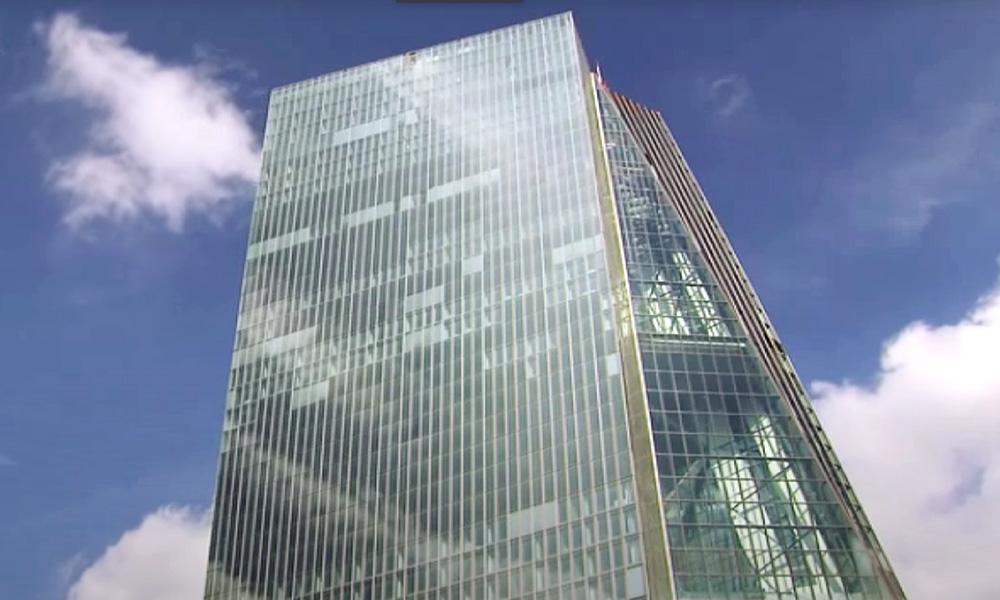
Francois Villeroy de Galhau, a member of the European Central Bank's Governing Council and Governor of the Bank of France, stated in an interview in Singapore on Tuesday (May 26) that the ECB will adhere to its independent monetary policy stance and implement all necessary measures to steadily reduce inflation to the 2% target range in the medium term. He indicated that the market can fully trust the ECB's determination to control inflation.
He further analyzed that the energy price increase brought about by the Middle East conflict is the first round of inflationary shock. The core responsibility of the central bank is to take proactive measures to prevent the price increase from being transmitted to areas such as wages and services, which could trigger a second round of inflationary effects and prevent inflation from becoming a long-term fixed trend.
Global government bond markets experienced significant volatility due to rising inflation expectations and anticipated tightening monetary policy. The yield on Germany's benchmark 10-year government bond rose by approximately 32 basis points, with other bonds in the region exhibiting even greater fluctuations. Since bond yields move inversely to prices, the continued rise in yields fully reflects the market's pricing in high inflation and hawkish policy expectations.
François Villeroy de Gallo stated that the European Central Bank maintained its benchmark interest rate at 2% last month primarily because it had not yet gathered key data such as core inflation, wage growth, and market inflation expectations, making it impossible to confirm whether a second round of inflation transmission risk had emerged. Current data indicates that the current inflation surge is still mainly driven by the initial effects of the energy shock, but the central bank will remain highly vigilant and prepared to adjust its policy at any time.
Data from the London Stock Exchange Group shows that the market is largely certain that the ECB will raise interest rates at its June policy meeting, with most trading institutions predicting that the cumulative rate hikes this year will reach at least 50 basis points.
As early as the end of March, European Central Bank President Christine Lagarde made it clear at the Frankfurt meeting in Germany that even if the current rebound in inflation is a short-term phenomenon, the central bank will adjust its policies appropriately. If it allows inflation to exceed the target without taking action, it will seriously damage the credibility of the central bank's policies.
At the International Monetary Fund's spring meetings in Washington last month, Bundesbank President Joachim Nagel stated that the sharp fluctuations in oil prices have put the European Central Bank (ECB) in a dilemma between baseline expectations and negative risks in its policy-making. Martins Kazaks, a member of the ECB's Governing Council and Governor of the Central Bank of Latvia, also warned that the current overlapping economic shocks may create a "multi-layered pressure structure," continuously impacting the Eurozone's economic fundamentals and adding multiple uncertainties to subsequent monetary policy adjustments.
In summary, the Middle East energy shock has completely disrupted the cooling trend of inflation in the Eurozone, and a new round of inflationary pressures has taken shape. The European Central Bank has clearly stated its policy stance of prioritizing inflation control, and a rate hike cycle is about to begin.
Against the backdrop of high and volatile energy prices and multiple overlapping economic risks, European monetary policy will continue to tighten, aiming to curb stagnant inflation while maintaining economic stability. This will lead to a continued increase in the difficulty of subsequent policy adjustments and market volatility risks.
Senior European Central Bank officials have publicly signaled a hawkish policy stance, clearly stating their intention to utilize all monetary policy tools to bring inflation back to the 2% medium-term target. The market widely anticipates that the ECB will begin raising interest rates in June, with tightening measures expected to intensify throughout the year. Coupled with energy shocks and policy adjustments, the Eurozone economy and capital markets face new challenges.
Energy crisis drives up inflation; Eurozone prices rebound sharply.
Before the joint US-Israeli strike on Iran on February 28th and the outbreak of the Middle East conflict, inflationary pressures in the Eurozone had eased somewhat, with the inflation rate falling to 1.9%, slightly below the ECB's 2% policy target. However, with the obstruction of passage through the Strait of Hormuz and the continued surge in international oil prices, the downward trend in inflation was completely reversed. The Eurozone's inflation rate rose to 2.6% in March and further climbed to 3% in April, showing a rapid rebound in short-term prices.
As a net energy importer heavily reliant on imports, Europe is extremely sensitive to energy price fluctuations. Recently, the prices of gasoline, diesel, and jet fuel have surged across the board, prompting many countries to introduce market intervention policies. Meanwhile, industry insiders warn that a shortage of aviation fuel this summer may lead to large-scale flight cancellations, further increasing pressure on people's livelihoods and the industrial chain.
The European Central Bank has set clear bottom lines to prevent a second wave of inflation.
Francois Villeroy de Galhau, a member of the European Central Bank's Governing Council and Governor of the Bank of France, stated in an interview in Singapore on Tuesday (May 26) that the ECB will adhere to its independent monetary policy stance and implement all necessary measures to steadily reduce inflation to the 2% target range in the medium term. He indicated that the market can fully trust the ECB's determination to control inflation.
He further analyzed that the energy price increase brought about by the Middle East conflict is the first round of inflationary shock. The core responsibility of the central bank is to take proactive measures to prevent the price increase from being transmitted to areas such as wages and services, which could trigger a second round of inflationary effects and prevent inflation from becoming a long-term fixed trend.
Global government bond markets experienced significant volatility due to rising inflation expectations and anticipated tightening monetary policy. The yield on Germany's benchmark 10-year government bond rose by approximately 32 basis points, with other bonds in the region exhibiting even greater fluctuations. Since bond yields move inversely to prices, the continued rise in yields fully reflects the market's pricing in high inflation and hawkish policy expectations.
The policy remains cautious and wait-and-see approach as the window for interest rate hikes draws near.
François Villeroy de Gallo stated that the European Central Bank maintained its benchmark interest rate at 2% last month primarily because it had not yet gathered key data such as core inflation, wage growth, and market inflation expectations, making it impossible to confirm whether a second round of inflation transmission risk had emerged. Current data indicates that the current inflation surge is still mainly driven by the initial effects of the energy shock, but the central bank will remain highly vigilant and prepared to adjust its policy at any time.
Data from the London Stock Exchange Group shows that the market is largely certain that the ECB will raise interest rates at its June policy meeting, with most trading institutions predicting that the cumulative rate hikes this year will reach at least 50 basis points.
As early as the end of March, European Central Bank President Christine Lagarde made it clear at the Frankfurt meeting in Germany that even if the current rebound in inflation is a short-term phenomenon, the central bank will adjust its policies appropriately. If it allows inflation to exceed the target without taking action, it will seriously damage the credibility of the central bank's policies.
Multiple risks combined exacerbate the pressure on the Eurozone economy.
At the International Monetary Fund's spring meetings in Washington last month, Bundesbank President Joachim Nagel stated that the sharp fluctuations in oil prices have put the European Central Bank (ECB) in a dilemma between baseline expectations and negative risks in its policy-making. Martins Kazaks, a member of the ECB's Governing Council and Governor of the Central Bank of Latvia, also warned that the current overlapping economic shocks may create a "multi-layered pressure structure," continuously impacting the Eurozone's economic fundamentals and adding multiple uncertainties to subsequent monetary policy adjustments.
Summarize
In summary, the Middle East energy shock has completely disrupted the cooling trend of inflation in the Eurozone, and a new round of inflationary pressures has taken shape. The European Central Bank has clearly stated its policy stance of prioritizing inflation control, and a rate hike cycle is about to begin.
Against the backdrop of high and volatile energy prices and multiple overlapping economic risks, European monetary policy will continue to tighten, aiming to curb stagnant inflation while maintaining economic stability. This will lead to a continued increase in the difficulty of subsequent policy adjustments and market volatility risks.
- Risk Warning and Disclaimer
- The market involves risk, and trading may not be suitable for all investors. This article is for reference only and does not constitute personal investment advice, nor does it take into account certain users’ specific investment objectives, financial situation, or other needs. Any investment decisions made based on this information are at your own risk.