A Panoramic View of Four Major Asset Classes: The Exclusive Advantages of US Hegemony and Signals of Trading Turning Points
2026-05-27 21:39:06
In traditional macroeconomic models, the US Dollar Index (DXY) is primarily driven by interest rate differentials between the Federal Reserve and other central banks (such as the US-Germany interest rate differential) and global risk appetite. However, after experiencing tariff wars and geopolitical conflicts, the US dollar has exhibited a unique "political premium":
Events such as the US-EU trade negotiations demonstrate that Europe and other allies' absolute dependence on US security protection forces them to unilaterally accept US tariff terms, making the dollar exhibit a dual effect of binding the market and security.
Furthermore, the US dollar exhibits asymmetry in the foreign exchange market: when the US uses tariffs as a tool of coercion, the economic expectations and currencies of the affected countries (such as the euro and the pound sterling) will collapse first, while the US dollar, as the currency of the "pressure party," will strengthen due to capital repatriation and safe-haven demand. This gives the US dollar index a natural asymmetric advantage in trade conflicts.
However, it is worth noting that if core US allies in Europe or Asia seek substantial security independence (for example, if Europe makes a milestone in defense autonomy), or if the non-US camp successfully establishes a bilateral/multilateral clearing mechanism for physical commodities that completely bypasses the dollar and has sufficient liquidity, this asymmetry will be weakened.
At the same time, once allies are no longer willing to sacrifice "markets" for the "security" provided by the United States, the United States' ability to impose "entry taxes" will decline, the political premium of the dollar index will be weakened, and the DXY will return to its mediocre pro-cyclical nature. Under the current US-Iran conflict, the United States' control over the Middle East market is being weakened.
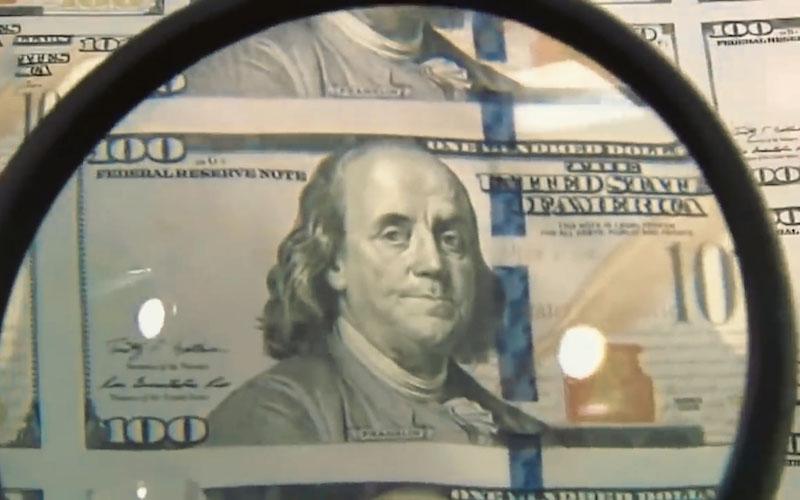
US Treasury bonds are "passive recipients" of global capital repatriation. At the same time, there is a counterintuitive underlying detail about US Treasury bonds: the core function of Wall Street is not to export capital, but to mobilize and attract global funds to the United States.
This means that even if the United States abuses financial sanctions (such as freezing foreign exchange reserves), major wealthy countries and surplus countries (including even potential adversaries) still have to lock up their huge amounts of capital in the US Treasury market because they lack other asset pools with the same depth and liquidity.
The U.S. government can implement rule-breaking tariff policies while simultaneously using geopolitical pressure to ensure that allies (such as Japan, South Korea, and Europe) continue to buy U.S. Treasury bonds, thereby securing the privilege of low-cost financing.
However, this structure is expected to be broken when the proportion of gold and physical assets in the foreign exchange reserves of non-US central banks begins to shift away from US Treasuries. Coincidentally, the auction ratio of long-term US Treasuries (10Y/30Y) has recently shown a continuous "undersubscription (sharp drop in the bid-to-cover ratio)," which also confirms that the attractiveness of US Treasuries is decreasing.
However, when countries holding US Treasury bonds collectively sell them due to a lack of dollars or in retaliation, the US Treasury yield curve will steepen, causing US fiscal interest payments to skyrocket.
The US stock market continues to absorb global profits, accompanied by valuation monopolies, and its weight in global equity indices has reached the highest level in 50 years. This is supported by strong macro capital flows, and is entirely based on fundamentals.
Fundamentals and funding conditions are often decoupled. When the United States imposes tariffs and trade barriers on the world, the profit expectations of overseas multinational corporations and domestic manufacturers are damaged.
In order to avoid risks, the most rational choice for global capital is to "join the fight if you can't win"—to liquidate domestic assets, convert them into US dollars, and flow into US stocks to enjoy the benefits of the protected US domestic market.
This has resulted in strong capital inflows into the US stock market even amid high interest rates and high valuations.
However, anti-globalization sentiment in the United States has evolved into severe breakups of domestic tech giants or extreme tax policies, or the importation inflation brought about by tariffs has completely spiraled out of control, forcing the Federal Reserve to push real interest rates to levels that stifle the real economy.
The strength of US stocks is highly dependent on the fact that global funds have nowhere else to go. Once the political divisions in the United States lead to cracks in its own business environment and property rights protection, and the "black hole effect" of global capital ends, US stocks may face a severe mean reversion to the valuation bubble of the past few decades.
In the commodity sector, although the United States does not have an absolute resource monopoly (especially in certain key minerals and rare earths), it possesses the world's largest and most powerful "final consumer demand".
By exploiting the "demand" of weaponization, the United States can forcibly reshape the flow of global supply chains.
In other words, if trading partners want to retain their share of exports to the United States, they must readjust their commodity supply chains and production capacity layout in accordance with the will of the United States.
Russia maintained its fighting strength for four years despite heavy financial sanctions by relying on oil exports, proving that "control of physical assets is far more important than the numbers on Wall Street's books."
Currently, the United States relies on the dollar, US Treasury bonds, US stocks, and consumer demand to build its economic hegemony. Under geopolitical and trade conflicts, the dollar tends to strengthen, US Treasury bonds absorb global safe-haven funds, US stocks continue to attract foreign investment, and commodities are dominated by US demand.
However, the turning point of hegemony has slowly emerged, with allies seeking autonomy, the progress of de-dollarization, a cooling of US Treasury bonds, increasing concerns about US stocks, and the highlighting of the value of real assets.
In the short term, traders can capitalize on the safe-haven rally in the US dollar, US Treasury bonds, and US stocks. At the same time, they should closely monitor inflection signals such as European defense developments, foreign exchange reserve structure, US Treasury auctions, US policies, and inflation, and make early arrangements for a shift in focus while taking precautions against risks. They should also pay attention to opportunities in gold and other precious metals.
Events such as the US-EU trade negotiations demonstrate that Europe and other allies' absolute dependence on US security protection forces them to unilaterally accept US tariff terms, making the dollar exhibit a dual effect of binding the market and security.
Furthermore, the US dollar exhibits asymmetry in the foreign exchange market: when the US uses tariffs as a tool of coercion, the economic expectations and currencies of the affected countries (such as the euro and the pound sterling) will collapse first, while the US dollar, as the currency of the "pressure party," will strengthen due to capital repatriation and safe-haven demand. This gives the US dollar index a natural asymmetric advantage in trade conflicts.
However, it is worth noting that if core US allies in Europe or Asia seek substantial security independence (for example, if Europe makes a milestone in defense autonomy), or if the non-US camp successfully establishes a bilateral/multilateral clearing mechanism for physical commodities that completely bypasses the dollar and has sufficient liquidity, this asymmetry will be weakened.
At the same time, once allies are no longer willing to sacrifice "markets" for the "security" provided by the United States, the United States' ability to impose "entry taxes" will decline, the political premium of the dollar index will be weakened, and the DXY will return to its mediocre pro-cyclical nature. Under the current US-Iran conflict, the United States' control over the Middle East market is being weakened.
US Treasury bonds: The world's only "super capital vacuum cleaner"
US Treasury bonds are "passive recipients" of global capital repatriation. At the same time, there is a counterintuitive underlying detail about US Treasury bonds: the core function of Wall Street is not to export capital, but to mobilize and attract global funds to the United States.
This means that even if the United States abuses financial sanctions (such as freezing foreign exchange reserves), major wealthy countries and surplus countries (including even potential adversaries) still have to lock up their huge amounts of capital in the US Treasury market because they lack other asset pools with the same depth and liquidity.
The U.S. government can implement rule-breaking tariff policies while simultaneously using geopolitical pressure to ensure that allies (such as Japan, South Korea, and Europe) continue to buy U.S. Treasury bonds, thereby securing the privilege of low-cost financing.
However, this structure is expected to be broken when the proportion of gold and physical assets in the foreign exchange reserves of non-US central banks begins to shift away from US Treasuries. Coincidentally, the auction ratio of long-term US Treasuries (10Y/30Y) has recently shown a continuous "undersubscription (sharp drop in the bid-to-cover ratio)," which also confirms that the attractiveness of US Treasuries is decreasing.
However, when countries holding US Treasury bonds collectively sell them due to a lack of dollars or in retaliation, the US Treasury yield curve will steepen, causing US fiscal interest payments to skyrocket.
US Equities: A Safe Haven for Global Beta Premium
The US stock market continues to absorb global profits, accompanied by valuation monopolies, and its weight in global equity indices has reached the highest level in 50 years. This is supported by strong macro capital flows, and is entirely based on fundamentals.
Fundamentals and funding conditions are often decoupled. When the United States imposes tariffs and trade barriers on the world, the profit expectations of overseas multinational corporations and domestic manufacturers are damaged.
In order to avoid risks, the most rational choice for global capital is to "join the fight if you can't win"—to liquidate domestic assets, convert them into US dollars, and flow into US stocks to enjoy the benefits of the protected US domestic market.
This has resulted in strong capital inflows into the US stock market even amid high interest rates and high valuations.
However, anti-globalization sentiment in the United States has evolved into severe breakups of domestic tech giants or extreme tax policies, or the importation inflation brought about by tariffs has completely spiraled out of control, forcing the Federal Reserve to push real interest rates to levels that stifle the real economy.
The strength of US stocks is highly dependent on the fact that global funds have nowhere else to go. Once the political divisions in the United States lead to cracks in its own business environment and property rights protection, and the "black hole effect" of global capital ends, US stocks may face a severe mean reversion to the valuation bubble of the past few decades.
Commodities: From "financial attributes" back to "physical control"
In the commodity sector, although the United States does not have an absolute resource monopoly (especially in certain key minerals and rare earths), it possesses the world's largest and most powerful "final consumer demand".
By exploiting the "demand" of weaponization, the United States can forcibly reshape the flow of global supply chains.
In other words, if trading partners want to retain their share of exports to the United States, they must readjust their commodity supply chains and production capacity layout in accordance with the will of the United States.
Russia maintained its fighting strength for four years despite heavy financial sanctions by relying on oil exports, proving that "control of physical assets is far more important than the numbers on Wall Street's books."
Summarize:
Currently, the United States relies on the dollar, US Treasury bonds, US stocks, and consumer demand to build its economic hegemony. Under geopolitical and trade conflicts, the dollar tends to strengthen, US Treasury bonds absorb global safe-haven funds, US stocks continue to attract foreign investment, and commodities are dominated by US demand.
However, the turning point of hegemony has slowly emerged, with allies seeking autonomy, the progress of de-dollarization, a cooling of US Treasury bonds, increasing concerns about US stocks, and the highlighting of the value of real assets.
In the short term, traders can capitalize on the safe-haven rally in the US dollar, US Treasury bonds, and US stocks. At the same time, they should closely monitor inflection signals such as European defense developments, foreign exchange reserve structure, US Treasury auctions, US policies, and inflation, and make early arrangements for a shift in focus while taking precautions against risks. They should also pay attention to opportunities in gold and other precious metals.
- Risk Warning and Disclaimer
- The market involves risk, and trading may not be suitable for all investors. This article is for reference only and does not constitute personal investment advice, nor does it take into account certain users’ specific investment objectives, financial situation, or other needs. Any investment decisions made based on this information are at your own risk.