The war with Iran is reshaping the global energy landscape, with natural gas investment soaring to $330 billion, a ten-year high.
2026-05-28 15:00:48
The International Energy Agency's (IEA) latest "Global Energy Investments 2026" report shows that against the backdrop of escalating tensions in the Middle East and disruptions to the global energy supply chain, the structure of capital expenditure in the global energy sector is undergoing significant changes. Energy companies are gradually reducing investment in traditional oil while accelerating expansion in areas such as natural gas, liquefied natural gas (LNG), renewable energy, and coal to strengthen global energy security.

The IEA projects that global natural gas project investment will grow by more than 10% year-on-year in 2026, reaching approximately $330 billion, the highest level in the past decade. Meanwhile, upstream oil investment will decline for the third consecutive year, with the overall investment scale expected to be less than $500 billion. The report points out that the expansion of US LNG projects is one of the main drivers of global natural gas investment growth. As European and Asian countries continue to strengthen their energy security strategies, global market demand for LNG supply continues to increase.
However, as the conflict in Iran continues to disrupt global energy markets, some natural gas importers in Asia are becoming more cautious about over-reliance on LNG. Analysts believe that the recent escalation of the situation in the Middle East has exposed the fragility of the global energy transportation chain, especially as the risks in the Strait of Hormuz are changing the energy security strategies of various countries.
The Strait of Hormuz handles approximately 20% of global seaborne crude oil transport and a significant amount of liquefied natural gas exports. Disruptions to this region could cause global energy prices to rise rapidly, impacting energy supply stability in Asian countries. Against this backdrop, an increasing number of energy companies are accelerating their investments outside the Middle East, including in energy-exporting regions such as North America, Africa, and Australia, to mitigate supply disruptions caused by geopolitical risks.
The IEA projects that global capital expenditure in the energy sector will grow by approximately 5% to reach $3.4 trillion by 2026. Of this, about $2.2 trillion will flow to clean energy sectors such as renewable energy, energy storage systems, grid upgrades, and low-emission fuels. Analysts point out that the global energy industry is gradually shifting from simply pursuing low costs to placing greater emphasis on "supply security" and "energy independence." Following the escalation of conflicts in the Middle East, governments and energy companies are paying more attention to the stability of energy supply, rather than just energy prices themselves.
Meanwhile, coal investment has also rebounded significantly. IEA data shows that global coal investment is expected to reach $180 billion in 2026, the highest level in 14 years. Although the long-term global energy transition still leans towards decarbonization, some countries are increasing their coal reserves and coal-fired power investments to ensure stable energy supply amid current geopolitical risks and energy supply instability.
Furthermore, global nuclear energy investment is also showing signs of recovery. The IEA projects that global nuclear energy investment will reach $80 billion this year. Due to the dual advantages of low carbon emissions and stable power supply, more and more countries are beginning to reassess the role of nuclear energy in their energy security systems. However, the outlook for energy investment in the Middle East itself has deteriorated. The IEA projects that Middle Eastern oil and gas investment will decline by about 1% in 2026. Ongoing wars have led to infrastructure damage, decreased fiscal revenue, and production disruptions, limiting the capital deployment capacity of some energy-exporting countries.
Analysts believe that the logic behind global energy investment has undergone a profound shift. Over the past decade, the global energy industry has primarily focused on "low cost" and "green transition," while now, "supply chain security" and "geopolitical risks" are increasingly becoming crucial considerations for capital allocation. Looking at international market performance, recent volatility in international oil prices has significantly intensified. WTI crude oil has remained consistently high around $90, indicating continued market vigilance regarding the stability of future energy supply.
At the same time, natural gas price volatility has also increased significantly. European and Asian natural gas importers have begun to reassess long-term procurement contracts and strategic reserve levels to mitigate the risk of future supply disruptions. From an energy market structure perspective, the global energy industry is gradually forming a trend of "diversified investment." While traditional oil investment is declining, natural gas, nuclear power, coal, and new energy sources are expanding simultaneously, reflecting that the global energy system is entering a new adjustment phase.
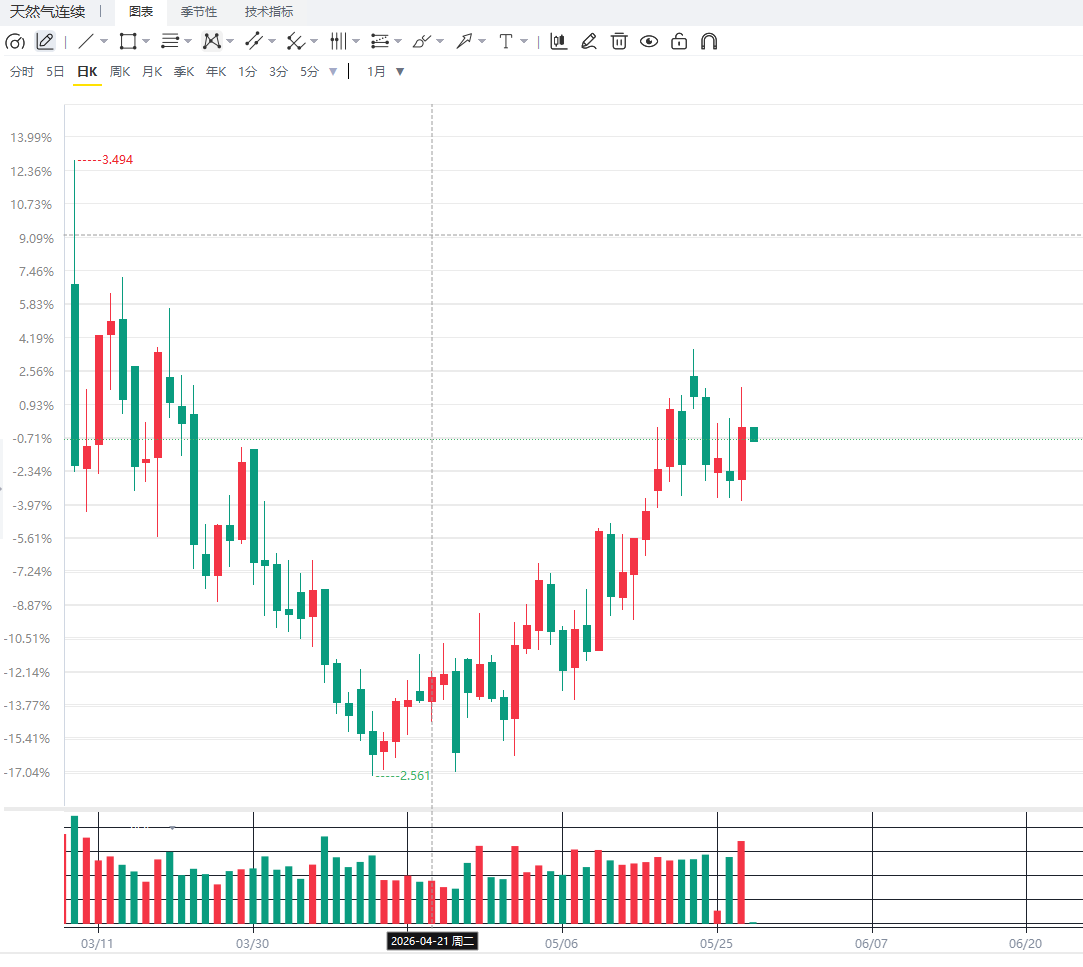
In addition, the trend of the natural gas market is also worth noting. With the continued growth of global LNG investment, natural gas supply capacity is expected to improve significantly in the next few years, but short-term geopolitical risks may still lead to sharp price fluctuations.
Overall, the global energy industry has entered a new phase characterized by both "high security needs" and "diversified investment," and changes in the Middle East situation will continue to profoundly influence the future flow of global energy capital and market structure.
Editor's Summary : The global energy investment structure is currently undergoing a significant transformation. As the Middle East conflict continues to disrupt global energy markets, energy companies and governments are placing greater emphasis on supply security and energy independence. Capital inflows are simultaneously flowing into natural gas, nuclear power, coal, and renewable energy, reflecting an accelerated shift in the global energy system from a single-sector to a diversified one. At the same time, the continued decline in traditional oil investment suggests a potential long-term tightening risk in global crude oil supply. If the situation in the Middle East continues to deteriorate, energy price volatility may further increase, having a lasting impact on global inflation and economic growth. Future investors should focus on the Middle East situation, global energy transportation security, the expansion of US LNG exports, and changes in national energy policies. These factors will determine the long-term landscape and capital flows of the global energy market in the coming years.
The IEA projects that global natural gas project investment will grow by more than 10% year-on-year in 2026, reaching approximately $330 billion, the highest level in the past decade. Meanwhile, upstream oil investment will decline for the third consecutive year, with the overall investment scale expected to be less than $500 billion. The report points out that the expansion of US LNG projects is one of the main drivers of global natural gas investment growth. As European and Asian countries continue to strengthen their energy security strategies, global market demand for LNG supply continues to increase.
However, as the conflict in Iran continues to disrupt global energy markets, some natural gas importers in Asia are becoming more cautious about over-reliance on LNG. Analysts believe that the recent escalation of the situation in the Middle East has exposed the fragility of the global energy transportation chain, especially as the risks in the Strait of Hormuz are changing the energy security strategies of various countries.
The Strait of Hormuz handles approximately 20% of global seaborne crude oil transport and a significant amount of liquefied natural gas exports. Disruptions to this region could cause global energy prices to rise rapidly, impacting energy supply stability in Asian countries. Against this backdrop, an increasing number of energy companies are accelerating their investments outside the Middle East, including in energy-exporting regions such as North America, Africa, and Australia, to mitigate supply disruptions caused by geopolitical risks.
The IEA projects that global capital expenditure in the energy sector will grow by approximately 5% to reach $3.4 trillion by 2026. Of this, about $2.2 trillion will flow to clean energy sectors such as renewable energy, energy storage systems, grid upgrades, and low-emission fuels. Analysts point out that the global energy industry is gradually shifting from simply pursuing low costs to placing greater emphasis on "supply security" and "energy independence." Following the escalation of conflicts in the Middle East, governments and energy companies are paying more attention to the stability of energy supply, rather than just energy prices themselves.
Meanwhile, coal investment has also rebounded significantly. IEA data shows that global coal investment is expected to reach $180 billion in 2026, the highest level in 14 years. Although the long-term global energy transition still leans towards decarbonization, some countries are increasing their coal reserves and coal-fired power investments to ensure stable energy supply amid current geopolitical risks and energy supply instability.
Furthermore, global nuclear energy investment is also showing signs of recovery. The IEA projects that global nuclear energy investment will reach $80 billion this year. Due to the dual advantages of low carbon emissions and stable power supply, more and more countries are beginning to reassess the role of nuclear energy in their energy security systems. However, the outlook for energy investment in the Middle East itself has deteriorated. The IEA projects that Middle Eastern oil and gas investment will decline by about 1% in 2026. Ongoing wars have led to infrastructure damage, decreased fiscal revenue, and production disruptions, limiting the capital deployment capacity of some energy-exporting countries.
Analysts believe that the logic behind global energy investment has undergone a profound shift. Over the past decade, the global energy industry has primarily focused on "low cost" and "green transition," while now, "supply chain security" and "geopolitical risks" are increasingly becoming crucial considerations for capital allocation. Looking at international market performance, recent volatility in international oil prices has significantly intensified. WTI crude oil has remained consistently high around $90, indicating continued market vigilance regarding the stability of future energy supply.
At the same time, natural gas price volatility has also increased significantly. European and Asian natural gas importers have begun to reassess long-term procurement contracts and strategic reserve levels to mitigate the risk of future supply disruptions. From an energy market structure perspective, the global energy industry is gradually forming a trend of "diversified investment." While traditional oil investment is declining, natural gas, nuclear power, coal, and new energy sources are expanding simultaneously, reflecting that the global energy system is entering a new adjustment phase.
In addition, the trend of the natural gas market is also worth noting. With the continued growth of global LNG investment, natural gas supply capacity is expected to improve significantly in the next few years, but short-term geopolitical risks may still lead to sharp price fluctuations.
Overall, the global energy industry has entered a new phase characterized by both "high security needs" and "diversified investment," and changes in the Middle East situation will continue to profoundly influence the future flow of global energy capital and market structure.
Editor's Summary : The global energy investment structure is currently undergoing a significant transformation. As the Middle East conflict continues to disrupt global energy markets, energy companies and governments are placing greater emphasis on supply security and energy independence. Capital inflows are simultaneously flowing into natural gas, nuclear power, coal, and renewable energy, reflecting an accelerated shift in the global energy system from a single-sector to a diversified one. At the same time, the continued decline in traditional oil investment suggests a potential long-term tightening risk in global crude oil supply. If the situation in the Middle East continues to deteriorate, energy price volatility may further increase, having a lasting impact on global inflation and economic growth. Future investors should focus on the Middle East situation, global energy transportation security, the expansion of US LNG exports, and changes in national energy policies. These factors will determine the long-term landscape and capital flows of the global energy market in the coming years.
- Risk Warning and Disclaimer
- The market involves risk, and trading may not be suitable for all investors. This article is for reference only and does not constitute personal investment advice, nor does it take into account certain users’ specific investment objectives, financial situation, or other needs. Any investment decisions made based on this information are at your own risk.