The Middle East conflict has triggered a global supply chain crisis, significantly impacting five major commodities.
2026-06-02 11:48:08
The ongoing geopolitical conflict in the Middle East has created a comprehensive supply shock to the global commodity market, widely affecting core industries such as energy, petrochemicals, agriculture, shipping, and non-ferrous metals. As a key global energy and raw material transportation route, the obstruction of navigation in the Strait of Hormuz has not only caused short-term shortages of supplies but also inflicted long-term damage on Middle Eastern energy infrastructure, with some facilities requiring repairs for several years.
Even if the international community continues to push for de-escalation, the war risk premium will continue to support the rise in commodity prices in the long term. The five major categories of commodities, namely crude oil, liquefied natural gas, fertilizers, petrochemical raw materials, and aluminum products, will be most significantly impacted, and the global industrial and supply chains will face continuous structural pressure.

Crude oil is the commodity most severely affected by the current geopolitical conflict. Nearly 20% of global crude oil consumption and transportation relies on the Strait of Hormuz. The export trade of Middle Eastern oil-producing countries such as Saudi Arabia, Iraq, and the UAE is highly dependent on this route, and major Asian crude oil-importing economies are significantly impacted. Short-term oil price movements are entirely driven by geopolitical tensions; the easing or escalation of tensions directly dominates market fluctuations. In the long term, replenishment of strategic reserves by various countries, resource stockpiling, and logistical delays caused by shipping lane congestion will continue to support oil prices.
If the Strait of Hormuz remains blocked for an extended period, a catastrophic global supply shortage will occur, commercial crude oil inventories will continue to deplete, spot premiums will rise sharply, and Brent crude oil prices may experience a significant jump. Meanwhile, the tanker route around the Cape of Good Hope will significantly increase shipping time and insurance costs, further pushing up spot crude oil prices.

Qatar, a top global exporter of liquefied natural gas (LNG), accounts for 20% of the world's total production capacity and has long provided a stable gas supply to the Asian and European markets. The vast majority of its cargo routes pass through the Strait of Hormuz. While the increase in LNG production capacity in the United States has temporarily offset the short-term pressure from gas supply disruptions in the Middle East, the market structure for this product is far more strained than that for crude oil. LNG storage and transportation are highly dependent on dedicated liquefaction plants and receiving/regasification terminals, making it difficult to flexibly change transportation channels and methods like crude oil.
Limited incremental production capacity from non-Middle Eastern producing regions such as the United States and Australia cannot fully compensate for the supply gap in the Middle East. As a result, spot natural gas prices in Asia are likely to rise sharply, which may even force industrial production restrictions and power regulation in order to balance market supply and demand.

The market risks in the fertilizer sector have long been underestimated. The Middle East is the core export destination for agricultural inputs such as urea, synthetic ammonia, and phosphate fertilizers, while the Strait of Hormuz carries one-third of the world's maritime fertilizer trade.
Fertilizer production is highly dependent on natural gas resources. Geopolitical conflicts leading to damage to energy infrastructure and shipping lane blockades have directly triggered global fertilizer supply shortages and soaring prices. Currently, the wholesale price of nitrogen fertilizer in the United States has increased by 30% to 40%, and global agricultural input prices are generally rising. Major agricultural countries in Africa and South Asia lack import alternatives, resulting in soaring production costs and seriously threatening food production capacity and food security. Meanwhile, the European fertilizer industry relies on domestic natural gas production capacity, and gas shortages are also continuously pushing up European fertilizer manufacturing costs.

The conflict has caused a significant contraction in global naphtha supply, directly pushing up petrochemical feedstock costs. Asian cracking units have been forced to reduce production, leading to a comprehensive price increase for downstream products such as plastics and medical consumables. Currently, naphtha processing profits in Asia have surged, with prices of core raw materials such as plastic resins rising by over 30%, and related commodities in major Asian countries' domestic futures markets seeing increases exceeding 35%.
Asia's petrochemical industry relies on imports of over 60% of its naphtha from the Middle East. The disruption of shipping routes has caused a stagnation of trade worth hundreds of billions of dollars, leading not only to reduced production and shutdowns for companies, but also triggering a chain reaction in the industrial chain. Shortages and price increases have occurred in sectors such as food packaging in Japan and medical rubber and plastic consumables globally.
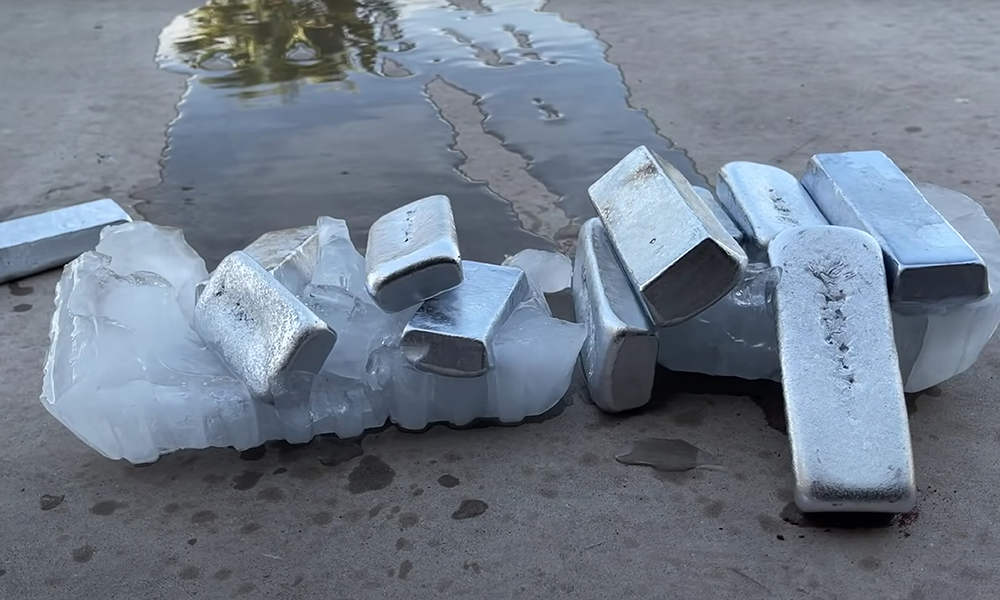
This geopolitical conflict has triggered the most severe supply crisis in the global aluminum market in 25 years. The impact and damage to core smelting facilities in the Middle East, coupled with shipping lane blockades, has directly led to the shutdown of 5% of global primary aluminum production capacity, and overseas aluminum raw material transportation channels have been almost completely disrupted. The reconstruction period for damaged smelters will be as long as 12 to 18 months, and production capacity cannot be restored in the short term. Analysts predict that the global refined aluminum supply-demand gap will exceed 2 million tons by the end of 2026.
Nearly 20% of aluminum products in Europe and the United States are imported from the Middle East. Due to trade barriers and tariff restrictions, they are unable to quickly switch to alternative sources, and the pressure on the industrial manufacturing supply chain continues to intensify.
Overall, the impact of Middle East geopolitical conflicts on commodities is comprehensive and long-term, completely reshaping the supply and demand landscape of the five core commodity categories. While short-term markets may fluctuate due to news events, the medium- to long-term outlook remains one of continued supply shortages and high costs, further exacerbating global inflationary pressures and supply chain risks.
Even if the international community continues to push for de-escalation, the war risk premium will continue to support the rise in commodity prices in the long term. The five major categories of commodities, namely crude oil, liquefied natural gas, fertilizers, petrochemical raw materials, and aluminum products, will be most significantly impacted, and the global industrial and supply chains will face continuous structural pressure.
Crude oil market volatility intensifies, and the risk of supply-demand imbalance continues to accumulate.
Crude oil is the commodity most severely affected by the current geopolitical conflict. Nearly 20% of global crude oil consumption and transportation relies on the Strait of Hormuz. The export trade of Middle Eastern oil-producing countries such as Saudi Arabia, Iraq, and the UAE is highly dependent on this route, and major Asian crude oil-importing economies are significantly impacted. Short-term oil price movements are entirely driven by geopolitical tensions; the easing or escalation of tensions directly dominates market fluctuations. In the long term, replenishment of strategic reserves by various countries, resource stockpiling, and logistical delays caused by shipping lane congestion will continue to support oil prices.
If the Strait of Hormuz remains blocked for an extended period, a catastrophic global supply shortage will occur, commercial crude oil inventories will continue to deplete, spot premiums will rise sharply, and Brent crude oil prices may experience a significant jump. Meanwhile, the tanker route around the Cape of Good Hope will significantly increase shipping time and insurance costs, further pushing up spot crude oil prices.
The liquefied natural gas (LNG) market is tightening, and alternative supplies are struggling to fill the gap.
Qatar, a top global exporter of liquefied natural gas (LNG), accounts for 20% of the world's total production capacity and has long provided a stable gas supply to the Asian and European markets. The vast majority of its cargo routes pass through the Strait of Hormuz. While the increase in LNG production capacity in the United States has temporarily offset the short-term pressure from gas supply disruptions in the Middle East, the market structure for this product is far more strained than that for crude oil. LNG storage and transportation are highly dependent on dedicated liquefaction plants and receiving/regasification terminals, making it difficult to flexibly change transportation channels and methods like crude oil.
Limited incremental production capacity from non-Middle Eastern producing regions such as the United States and Australia cannot fully compensate for the supply gap in the Middle East. As a result, spot natural gas prices in Asia are likely to rise sharply, which may even force industrial production restrictions and power regulation in order to balance market supply and demand.
Fertilizer prices have surged, putting pressure on global food security.
The market risks in the fertilizer sector have long been underestimated. The Middle East is the core export destination for agricultural inputs such as urea, synthetic ammonia, and phosphate fertilizers, while the Strait of Hormuz carries one-third of the world's maritime fertilizer trade.
Fertilizer production is highly dependent on natural gas resources. Geopolitical conflicts leading to damage to energy infrastructure and shipping lane blockades have directly triggered global fertilizer supply shortages and soaring prices. Currently, the wholesale price of nitrogen fertilizer in the United States has increased by 30% to 40%, and global agricultural input prices are generally rising. Major agricultural countries in Africa and South Asia lack import alternatives, resulting in soaring production costs and seriously threatening food production capacity and food security. Meanwhile, the European fertilizer industry relies on domestic natural gas production capacity, and gas shortages are also continuously pushing up European fertilizer manufacturing costs.
Petrochemical raw material shortages escalate, leading to widespread inflation in downstream industries.
The conflict has caused a significant contraction in global naphtha supply, directly pushing up petrochemical feedstock costs. Asian cracking units have been forced to reduce production, leading to a comprehensive price increase for downstream products such as plastics and medical consumables. Currently, naphtha processing profits in Asia have surged, with prices of core raw materials such as plastic resins rising by over 30%, and related commodities in major Asian countries' domestic futures markets seeing increases exceeding 35%.
Asia's petrochemical industry relies on imports of over 60% of its naphtha from the Middle East. The disruption of shipping routes has caused a stagnation of trade worth hundreds of billions of dollars, leading not only to reduced production and shutdowns for companies, but also triggering a chain reaction in the industrial chain. Shortages and price increases have occurred in sectors such as food packaging in Japan and medical rubber and plastic consumables globally.
The aluminum industry is facing an epic shortage, and the non-ferrous metals supply chain is broken.
This geopolitical conflict has triggered the most severe supply crisis in the global aluminum market in 25 years. The impact and damage to core smelting facilities in the Middle East, coupled with shipping lane blockades, has directly led to the shutdown of 5% of global primary aluminum production capacity, and overseas aluminum raw material transportation channels have been almost completely disrupted. The reconstruction period for damaged smelters will be as long as 12 to 18 months, and production capacity cannot be restored in the short term. Analysts predict that the global refined aluminum supply-demand gap will exceed 2 million tons by the end of 2026.
Nearly 20% of aluminum products in Europe and the United States are imported from the Middle East. Due to trade barriers and tariff restrictions, they are unable to quickly switch to alternative sources, and the pressure on the industrial manufacturing supply chain continues to intensify.
Summarize
Overall, the impact of Middle East geopolitical conflicts on commodities is comprehensive and long-term, completely reshaping the supply and demand landscape of the five core commodity categories. While short-term markets may fluctuate due to news events, the medium- to long-term outlook remains one of continued supply shortages and high costs, further exacerbating global inflationary pressures and supply chain risks.
- Risk Warning and Disclaimer
- The market involves risk, and trading may not be suitable for all investors. This article is for reference only and does not constitute personal investment advice, nor does it take into account certain users’ specific investment objectives, financial situation, or other needs. Any investment decisions made based on this information are at your own risk.