Oil prices fell more than 5% as the US made a rare concession; the US and Iran signed an agreement on Friday to allow air traffic.
2026-06-15 18:43:52
On Monday (June 15), during the Asian and European sessions, international oil prices opened sharply lower and continued to decline, with WTI oil prices falling by about 5% and currently trading around 80.37.
As a vital artery for global oil transportation, every change to the navigation rules of the Strait of Hormuz affects the international oil trading market. The memorandum of understanding between the US and Iran to be signed on Friday is expected to enable direct and complete passage through the strait. The core contents of the memorandum of understanding include a permanent ceasefire, the resumption of navigation through the Strait of Hormuz, and the advancement of negotiations on outstanding issues such as the Iranian nuclear issue within 60 days.
Meanwhile, today, Iran disclosed through Fars News Agency that, according to the core terms of the relevant memorandum of understanding reached between the US and Iran, the management of maritime affairs in the Strait of Hormuz will undergo major adjustments in the future. Iran and Oman will jointly assume management responsibilities, and Iran will officially obtain the right to collect navigation fees 60 days after the agreement takes effect. This news represents either a concession by the US on the matter or a test by Iran to obtain further negotiation results.
This statement, combined with President Trump's earlier remarks to The New York Times on the 14th that Iran would be allowed to conduct limited low-level uranium enrichment activities and that the new US-Iran agreement would ensure that "Iran's uranium enrichment can only be used for non-military purposes," suggests that Trump has conceded on Iran's demand for "zero uranium enrichment."
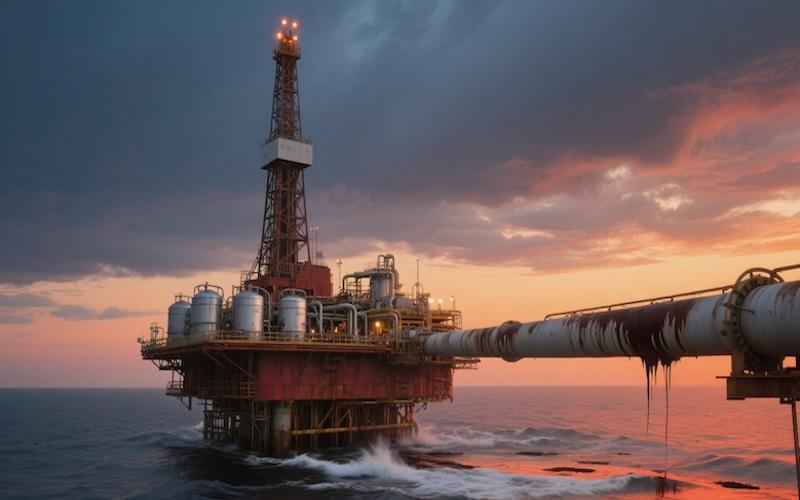
Early Monday morning, the United States and Iran reached a temporary framework agreement on a ceasefire through multilateral mediation. The two sides agreed to extend the current ceasefire and reopen the Strait of Hormuz for navigation, marking a significant breakthrough in easing regional tensions.
The consensus document, first disclosed by Pakistan, the core mediator, is scheduled to be formally signed in Switzerland this Friday , with Qatar playing a key role as another mediator.
The core contents of the agreement include permanently ending military operations on all fronts, including Lebanon, lifting the previous US blockade of the Strait of Hormuz, and conducting follow-up consultations on deep-seated differences such as Iran's nuclear program within the next 60 days. If no agreement is reached, the negotiation period can be extended.
As a key global energy waterway, the reopening of the Strait of Hormuz will allow scarce crude oil and natural gas to flow back into the international market, which is of great significance in alleviating global energy supply pressure.
However, both the US and Iran have made it clear that all implementation actions can only begin after the formal signing of the agreement on Friday. Iran also revealed that, according to the understanding, it will jointly manage maritime affairs in the Straits with Oman and will have the right to collect navigation fees after 60 days.
However, the implementation of the agreement still faces multiple practical obstacles, among which Israel's tough stance has become the core point of contention.
Following the announcement of the agreement, Israeli Defense Minister Israel Katz immediately and explicitly refused to withdraw from the occupied territories in Lebanon, Syria, and the Gaza Strip, declaring that Israel would maintain its actual control over these areas, totaling 1,000 square kilometers (slightly smaller than the entire area of New York City), indefinitely.
It is worth noting that Iran has made a complete cessation of Israel's military strikes against Hezbollah in Lebanon a prerequisite for the implementation of the agreement. Israel had previously launched airstrikes on the southern outskirts of Beirut on Sunday, and the armed conflict between the two sides had brought the negotiations to the brink of collapse.
Katz also issued a strong warning that if Iran retaliates against Israel's actions in Lebanon, Israel will launch a powerful military strike against Iran.
The international community has generally sent positive signals regarding this ceasefire agreement.
Chinese Foreign Ministry spokesperson Lin Jian stated that China expects the US and Iran to sign the agreement as scheduled and welcomes the early resumption of safe and smooth navigation in the Strait of Hormuz.
French Foreign Minister Jean-Noël Barro praised the agreement as a potential end to the multi-front conflict, emphasized the need for all parties to strictly adhere to its terms, and proposed that multiple countries send escort ships to safeguard navigation rights in the strait.
EU High Representative for Foreign Affairs and Security Policy Kaya Karas said that global markets urgently need the strait to resume navigation, and the EU will fully support subsequent consultations;
British Prime Minister Keir Starmer stated that he would work with the international community to push for the implementation of the agreement and build a long-term stable regional structure.
However, some EU officials, such as Luxembourg's Foreign Minister Xavier Bettel, cautioned that there are still several days until the signing, and the variables during that period are still unpredictable.
In addition, details regarding the participation of both the US and Iran are still being finalized, and the Iranian representative to sign the agreement in Switzerland has not yet been determined. US Vice President JD Vance revealed that he plans to attend the meeting, and the president may also attend in person. However, US Republican lawmakers have expressed concerns in advance, believing that there are significant discrepancies between Iran's and the US's interpretation of the agreement.
Pakistani Prime Minister Shahbaz Sharif revealed that the mediation team will organize several meetings this week to lay the foundation for subsequent professional-level negotiations. The Qatari mediation team has also completed intensive consultations in Tehran and will also conduct preliminary unilateral talks in Doha this week.
As a vital artery for global energy supply, the navigation status of the Strait of Hormuz directly affects the international crude oil market.
The previous long-term closure of the strait had led to a sharp rise in the prices of essential commodities such as fuel and fertilizers worldwide, putting significant pressure on the economies of various countries.
If the US-Iran armistice agreement is successfully signed and the Strait of Hormuz resumes normal navigation, the global oil supply shortage will be effectively alleviated, and international oil prices are expected to gradually fall back to a more reasonable range, injecting stable momentum into the global economic recovery.
However, if the conflict between Israel and Iran cannot be resolved and there are setbacks in the implementation of the agreement, the crude oil market will still face volatility caused by geopolitical risks.
From a technical perspective, WTI oil prices have fallen to around 80, a key support level from the previous period of high volume. Around this level, investors can look for opportunities to buy on dips or when prices do not fall despite negative news.
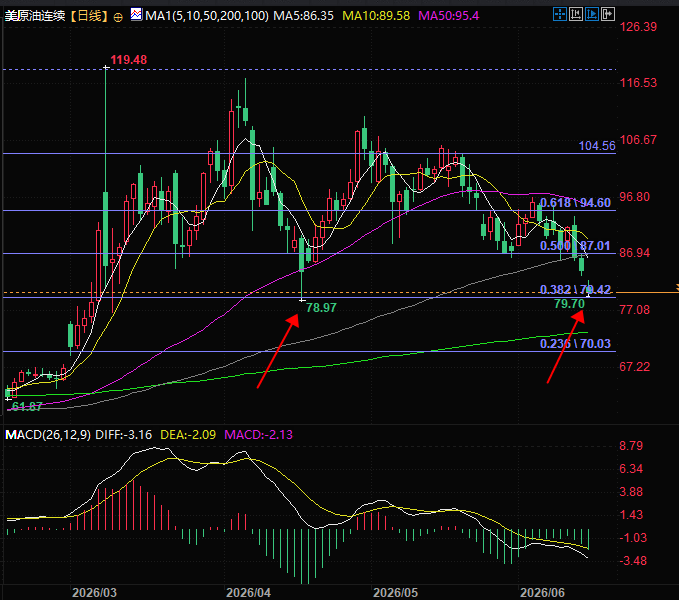
(WTI crude oil futures daily chart, source: EasyForex)
At 18:41 Beijing time, WTI crude oil futures were trading at $80.47 per barrel.
As a vital artery for global oil transportation, every change to the navigation rules of the Strait of Hormuz affects the international oil trading market. The memorandum of understanding between the US and Iran to be signed on Friday is expected to enable direct and complete passage through the strait. The core contents of the memorandum of understanding include a permanent ceasefire, the resumption of navigation through the Strait of Hormuz, and the advancement of negotiations on outstanding issues such as the Iranian nuclear issue within 60 days.
Meanwhile, today, Iran disclosed through Fars News Agency that, according to the core terms of the relevant memorandum of understanding reached between the US and Iran, the management of maritime affairs in the Strait of Hormuz will undergo major adjustments in the future. Iran and Oman will jointly assume management responsibilities, and Iran will officially obtain the right to collect navigation fees 60 days after the agreement takes effect. This news represents either a concession by the US on the matter or a test by Iran to obtain further negotiation results.
This statement, combined with President Trump's earlier remarks to The New York Times on the 14th that Iran would be allowed to conduct limited low-level uranium enrichment activities and that the new US-Iran agreement would ensure that "Iran's uranium enrichment can only be used for non-military purposes," suggests that Trump has conceded on Iran's demand for "zero uranium enrichment."
A breakthrough agreement reached through multi-party mediation was signed in Switzerland on Friday.
Early Monday morning, the United States and Iran reached a temporary framework agreement on a ceasefire through multilateral mediation. The two sides agreed to extend the current ceasefire and reopen the Strait of Hormuz for navigation, marking a significant breakthrough in easing regional tensions.
The consensus document, first disclosed by Pakistan, the core mediator, is scheduled to be formally signed in Switzerland this Friday , with Qatar playing a key role as another mediator.
Core contents of the agreement: ceasefire, resumption of air traffic, and subsequent consultations.
The core contents of the agreement include permanently ending military operations on all fronts, including Lebanon, lifting the previous US blockade of the Strait of Hormuz, and conducting follow-up consultations on deep-seated differences such as Iran's nuclear program within the next 60 days. If no agreement is reached, the negotiation period can be extended.
As a key global energy waterway, the reopening of the Strait of Hormuz will allow scarce crude oil and natural gas to flow back into the international market, which is of great significance in alleviating global energy supply pressure.
However, both the US and Iran have made it clear that all implementation actions can only begin after the formal signing of the agreement on Friday. Iran also revealed that, according to the understanding, it will jointly manage maritime affairs in the Straits with Oman and will have the right to collect navigation fees after 60 days.
Key Obstacle: Israel's Refusal to Withdraw Troops Leaves Risk of Conflict Persist
However, the implementation of the agreement still faces multiple practical obstacles, among which Israel's tough stance has become the core point of contention.
Following the announcement of the agreement, Israeli Defense Minister Israel Katz immediately and explicitly refused to withdraw from the occupied territories in Lebanon, Syria, and the Gaza Strip, declaring that Israel would maintain its actual control over these areas, totaling 1,000 square kilometers (slightly smaller than the entire area of New York City), indefinitely.
It is worth noting that Iran has made a complete cessation of Israel's military strikes against Hezbollah in Lebanon a prerequisite for the implementation of the agreement. Israel had previously launched airstrikes on the southern outskirts of Beirut on Sunday, and the armed conflict between the two sides had brought the negotiations to the brink of collapse.
Katz also issued a strong warning that if Iran retaliates against Israel's actions in Lebanon, Israel will launch a powerful military strike against Iran.
International Community: Widespread Welcome Coexistes with Cautious Concerns
The international community has generally sent positive signals regarding this ceasefire agreement.
Chinese Foreign Ministry spokesperson Lin Jian stated that China expects the US and Iran to sign the agreement as scheduled and welcomes the early resumption of safe and smooth navigation in the Strait of Hormuz.
French Foreign Minister Jean-Noël Barro praised the agreement as a potential end to the multi-front conflict, emphasized the need for all parties to strictly adhere to its terms, and proposed that multiple countries send escort ships to safeguard navigation rights in the strait.
EU High Representative for Foreign Affairs and Security Policy Kaya Karas said that global markets urgently need the strait to resume navigation, and the EU will fully support subsequent consultations;
British Prime Minister Keir Starmer stated that he would work with the international community to push for the implementation of the agreement and build a long-term stable regional structure.
However, some EU officials, such as Luxembourg's Foreign Minister Xavier Bettel, cautioned that there are still several days until the signing, and the variables during that period are still unpredictable.
Follow-up: Participants to be finalized; preliminary discussions to begin.
In addition, details regarding the participation of both the US and Iran are still being finalized, and the Iranian representative to sign the agreement in Switzerland has not yet been determined. US Vice President JD Vance revealed that he plans to attend the meeting, and the president may also attend in person. However, US Republican lawmakers have expressed concerns in advance, believing that there are significant discrepancies between Iran's and the US's interpretation of the agreement.
Pakistani Prime Minister Shahbaz Sharif revealed that the mediation team will organize several meetings this week to lay the foundation for subsequent professional-level negotiations. The Qatari mediation team has also completed intensive consultations in Tehran and will also conduct preliminary unilateral talks in Doha this week.
Market Interaction: Crude oil prices are directly affected by the navigation conditions in the Taiwan Strait.
As a vital artery for global energy supply, the navigation status of the Strait of Hormuz directly affects the international crude oil market.
The previous long-term closure of the strait had led to a sharp rise in the prices of essential commodities such as fuel and fertilizers worldwide, putting significant pressure on the economies of various countries.
If the US-Iran armistice agreement is successfully signed and the Strait of Hormuz resumes normal navigation, the global oil supply shortage will be effectively alleviated, and international oil prices are expected to gradually fall back to a more reasonable range, injecting stable momentum into the global economic recovery.
However, if the conflict between Israel and Iran cannot be resolved and there are setbacks in the implementation of the agreement, the crude oil market will still face volatility caused by geopolitical risks.
From a technical perspective, WTI oil prices have fallen to around 80, a key support level from the previous period of high volume. Around this level, investors can look for opportunities to buy on dips or when prices do not fall despite negative news.
(WTI crude oil futures daily chart, source: EasyForex)
At 18:41 Beijing time, WTI crude oil futures were trading at $80.47 per barrel.
- Risk Warning and Disclaimer
- The market involves risk, and trading may not be suitable for all investors. This article is for reference only and does not constitute personal investment advice, nor does it take into account certain users’ specific investment objectives, financial situation, or other needs. Any investment decisions made based on this information are at your own risk.