Iran hasn't collapsed, nuclear weapons haven't been handed over, and Israel has "turned its back"—can the US-Iran agreement survive the summer?
2026-06-16 09:29:40
US President Donald Trump said on Monday (June 15) that the United States and Iran have signed a preliminary agreement to end the conflict in the Gulf, but specific details have not yet been released. This development is seen as an important step in easing the conflict and stabilizing the global energy market; however, key aspects of the agreement remain highly uncertain, and there are significant disagreements among the parties regarding its implementation and impact.
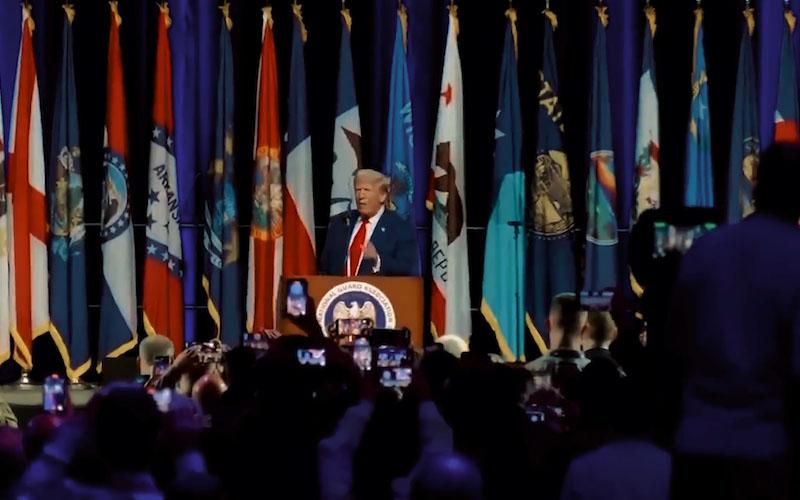
"The agreement has been fully signed," Trump said upon arriving in France for the G7 summit, adding that Vice President Vance would attend the formal signing ceremony in Geneva on Friday.
The agreement would reopen the previously blocked Strait of Hormuz and extend the ceasefire for 60 days, allowing negotiators to address thorny issues such as Iran's nuclear program. Oil prices fell to their lowest level since March 10 after the conflict cut off one-fifth of the world's oil supply.
US and Iranian officials said the agreement could ultimately bring substantial economic benefits to Iran by lifting sanctions, unfreezing overseas assets, and establishing a $300 billion reconstruction fund funded by its Gulf neighbors.
But U.S. officials (speaking anonymously) indicated that Iran must meet U.S. demands—including a commitment never to develop nuclear weapons and to cut off support for proxy militias such as Hezbollah—in order to obtain these benefits. U.S. officials stated that specific details would be released within the next two days.
Trump appears to have failed to achieve most of the goals he set when he launched the joint airstrikes against Iran with Israel on February 28. Iran's theocratic government remains in place, and his demands for Iran to dismantle its ballistic missile program and cease supporting regional armed groups such as Hezbollah have not been met.
The agreement also failed to resolve the fate of Iran's uranium stockpile. Iran has long denied any intention to develop nuclear weapons and has stated that its concessions have been limited.
Although the agreement lifts Iran's restrictions on control of the Strait of Hormuz, it only restores the pre-war status quo. Shipping companies say they will only resume sailing once security is guaranteed.
Iran has hinted that it will continue to jointly control the strait with Oman. The United States, on the other hand, has stated that the strait will be open to "toll-free" passage for 60 days and hopes that this clause will be included in the final agreement.
The parallel war between Iran and Israel-backed Hezbollah in Lebanon remains a difficult issue, and the conflict has displaced 1.2 million people.
Iran says the agreement calls for a complete cessation of hostilities in the region, but Israeli Prime Minister Benjamin Netanyahu says Israel will continue to maintain a military presence in southern Lebanon and reserves the right to respond to Hezbollah attacks. “Iran wants us to withdraw, but my position is firm,” he said at a press conference, acknowledging his disagreements with Trump on the conflict.
A U.S. official said that Israel's withdrawal of troops from Lebanon was not a condition of the agreement.
Security sources say fighting has eased somewhat since the agreement was announced, but has not completely stopped.
Lebanese state media reported that an Israeli drone struck a car in the southern Lebanese town of Qaft Bunit, killing the driver. Netanyahu stated that the Israeli military killed four "militants."
Iranian Foreign Minister Araqchi stated that Israel's attacks must stop immediately.
Israeli officials privately hold a negative view of the agreement. A senior official, who requested anonymity, said the agreement was "very bad for Israel," an assessment that is widespread within the government, from Netanyahu down the ranks.
This preliminary US-Iran agreement provides a short-term framework for easing regional conflict and stabilizing energy supplies by extending the ceasefire and reopening the Strait of Hormuz. It also pledges to lift sanctions and provide a $300 billion reconstruction fund in exchange for Iranian concessions on its nuclear program and proxy support. However, the core differences remain: the fate of Iran's nuclear capabilities and uranium stockpile is uncertain, Israel's hardline stance on the Hezbollah conflict differs significantly from the US position, and fighting continues in some areas. The long-term effectiveness of the agreement depends on whether the negotiations over the next 60 days can bridge the differences among the parties regarding security guarantees, control, and enforcement. The global energy market and the Middle East geopolitical landscape still face considerable uncertainty.
Q1: What are the core contents of this preliminary agreement between the US and Iran?
The agreement primarily includes an immediate 60-day extension of the ceasefire, the reopening of the Strait of Hormuz (a vital oil shipping route for about one-fifth of the world's oil), which was previously blocked due to the conflict, and paves the way for a formal signing ceremony. Trump announced the agreement had been signed, and Vice President Vance will attend the Geneva ceremony. Iran may receive the lifting of sanctions, the unfreezing of assets, and a $300 billion reconstruction fund from its Gulf neighbors, but these economic benefits are directly linked to conditions such as Iran's commitment to never develop nuclear weapons and to cut off support for proxy armed groups like Hezbollah. The core objective is to temporarily ease military confrontation and buy time for negotiations on difficult issues such as the nuclear issue.
Q2: What direct impact will the agreement have on the global energy market and oil prices?
The strait's blockade during the conflict disrupted oil supplies, causing oil prices to surge. Since the agreement to reopen the strait, oil prices have fallen to their lowest level since March 10. Shipping companies say they will only resume operations after security guarantees are in place, but the US hopes to achieve a toll-free passage within 60 days. This would help stabilize the global energy supply chain and reduce pressure on energy prices, but market volatility could still occur if implementation is inconsistent.
Q3: What concessions did Iran make in the agreement, and were all of the US's core demands met?
Iran agreed to a ceasefire, opened the Strait of Hormuz, and hinted at continued negotiations on the nuclear issue, but has long denied developing nuclear weapons, stating only that its concessions were limited. The United States demanded that Iran never develop nuclear weapons, dismantle its ballistic missile program, and cease supporting regional proxies, but the agreement did not fully achieve the goals set by Trump in the joint Israeli airstrikes on February 28. Iran's theocratic government remains in power, the fate of its uranium stockpile remains unresolved, and US officials acknowledged that details will be released in the next two days, with implementation still uncertain.
Q4: What is Israel's attitude towards the agreement, and why has it become a major obstacle?
Israeli Prime Minister Benjamin Netanyahu has explicitly opposed the withdrawal of troops from southern Lebanon and reserved the right to respond to Hezbollah attacks, citing disagreements with President Trump on the issue. Israeli officials privately believe the agreement is "very detrimental to Israel." The parallel conflict between Iran and Hezbollah has already displaced 1.2 million people. While the agreement calls for a cessation of hostilities, Israeli drone strikes continue, and fighting has not completely stopped. This has become the biggest obstacle to the agreement's implementation, and the United States has also stated that Israeli troop withdrawal is not a condition of the agreement.
Q5: What is the outlook for the agreement, and what are the main risks it faces?
In the short term, the agreement may help ease tensions and stabilize markets, but its long-term prospects depend on the 60-day nuclear negotiations, control of the Strait of Hormuz (Iran hinted at joint control with Oman), and the resolution of proxy conflicts. Israeli discontent, disagreements between the US and Iran on core demands, and ongoing localized fighting could all lead to the agreement's collapse or poor implementation. Global attention is focused on whether it can truly sever Iran's nuclear path and achieve lasting regional stability; otherwise, energy security and geopolitical tensions will escalate again.
Trump announced the signing of the agreement, with subsequent negotiations focusing on the nuclear issue.
"The agreement has been fully signed," Trump said upon arriving in France for the G7 summit, adding that Vice President Vance would attend the formal signing ceremony in Geneva on Friday.
The agreement would reopen the previously blocked Strait of Hormuz and extend the ceasefire for 60 days, allowing negotiators to address thorny issues such as Iran's nuclear program. Oil prices fell to their lowest level since March 10 after the conflict cut off one-fifth of the world's oil supply.
Economic interests are linked to conditions, and the core demands remain unresolved.
US and Iranian officials said the agreement could ultimately bring substantial economic benefits to Iran by lifting sanctions, unfreezing overseas assets, and establishing a $300 billion reconstruction fund funded by its Gulf neighbors.
But U.S. officials (speaking anonymously) indicated that Iran must meet U.S. demands—including a commitment never to develop nuclear weapons and to cut off support for proxy militias such as Hezbollah—in order to obtain these benefits. U.S. officials stated that specific details would be released within the next two days.
Trump appears to have failed to achieve most of the goals he set when he launched the joint airstrikes against Iran with Israel on February 28. Iran's theocratic government remains in place, and his demands for Iran to dismantle its ballistic missile program and cease supporting regional armed groups such as Hezbollah have not been met.
The agreement also failed to resolve the fate of Iran's uranium stockpile. Iran has long denied any intention to develop nuclear weapons and has stated that its concessions have been limited.
Control of the Strait of Hormuz remains in dispute.
Although the agreement lifts Iran's restrictions on control of the Strait of Hormuz, it only restores the pre-war status quo. Shipping companies say they will only resume sailing once security is guaranteed.
Iran has hinted that it will continue to jointly control the strait with Oman. The United States, on the other hand, has stated that the strait will be open to "toll-free" passage for 60 days and hopes that this clause will be included in the final agreement.
The conflict between Israel and Iranian proxies has become a major challenge.
The parallel war between Iran and Israel-backed Hezbollah in Lebanon remains a difficult issue, and the conflict has displaced 1.2 million people.
Iran says the agreement calls for a complete cessation of hostilities in the region, but Israeli Prime Minister Benjamin Netanyahu says Israel will continue to maintain a military presence in southern Lebanon and reserves the right to respond to Hezbollah attacks. “Iran wants us to withdraw, but my position is firm,” he said at a press conference, acknowledging his disagreements with Trump on the conflict.
A U.S. official said that Israel's withdrawal of troops from Lebanon was not a condition of the agreement.
The fighting has not completely stopped, and Israel has privately expressed its dissatisfaction.
Security sources say fighting has eased somewhat since the agreement was announced, but has not completely stopped.
Lebanese state media reported that an Israeli drone struck a car in the southern Lebanese town of Qaft Bunit, killing the driver. Netanyahu stated that the Israeli military killed four "militants."
Iranian Foreign Minister Araqchi stated that Israel's attacks must stop immediately.
Israeli officials privately hold a negative view of the agreement. A senior official, who requested anonymity, said the agreement was "very bad for Israel," an assessment that is widespread within the government, from Netanyahu down the ranks.
Editor's Summary
This preliminary US-Iran agreement provides a short-term framework for easing regional conflict and stabilizing energy supplies by extending the ceasefire and reopening the Strait of Hormuz. It also pledges to lift sanctions and provide a $300 billion reconstruction fund in exchange for Iranian concessions on its nuclear program and proxy support. However, the core differences remain: the fate of Iran's nuclear capabilities and uranium stockpile is uncertain, Israel's hardline stance on the Hezbollah conflict differs significantly from the US position, and fighting continues in some areas. The long-term effectiveness of the agreement depends on whether the negotiations over the next 60 days can bridge the differences among the parties regarding security guarantees, control, and enforcement. The global energy market and the Middle East geopolitical landscape still face considerable uncertainty.
Frequently Asked Questions
Q1: What are the core contents of this preliminary agreement between the US and Iran?
The agreement primarily includes an immediate 60-day extension of the ceasefire, the reopening of the Strait of Hormuz (a vital oil shipping route for about one-fifth of the world's oil), which was previously blocked due to the conflict, and paves the way for a formal signing ceremony. Trump announced the agreement had been signed, and Vice President Vance will attend the Geneva ceremony. Iran may receive the lifting of sanctions, the unfreezing of assets, and a $300 billion reconstruction fund from its Gulf neighbors, but these economic benefits are directly linked to conditions such as Iran's commitment to never develop nuclear weapons and to cut off support for proxy armed groups like Hezbollah. The core objective is to temporarily ease military confrontation and buy time for negotiations on difficult issues such as the nuclear issue.
Q2: What direct impact will the agreement have on the global energy market and oil prices?
The strait's blockade during the conflict disrupted oil supplies, causing oil prices to surge. Since the agreement to reopen the strait, oil prices have fallen to their lowest level since March 10. Shipping companies say they will only resume operations after security guarantees are in place, but the US hopes to achieve a toll-free passage within 60 days. This would help stabilize the global energy supply chain and reduce pressure on energy prices, but market volatility could still occur if implementation is inconsistent.
Q3: What concessions did Iran make in the agreement, and were all of the US's core demands met?
Iran agreed to a ceasefire, opened the Strait of Hormuz, and hinted at continued negotiations on the nuclear issue, but has long denied developing nuclear weapons, stating only that its concessions were limited. The United States demanded that Iran never develop nuclear weapons, dismantle its ballistic missile program, and cease supporting regional proxies, but the agreement did not fully achieve the goals set by Trump in the joint Israeli airstrikes on February 28. Iran's theocratic government remains in power, the fate of its uranium stockpile remains unresolved, and US officials acknowledged that details will be released in the next two days, with implementation still uncertain.
Q4: What is Israel's attitude towards the agreement, and why has it become a major obstacle?
Israeli Prime Minister Benjamin Netanyahu has explicitly opposed the withdrawal of troops from southern Lebanon and reserved the right to respond to Hezbollah attacks, citing disagreements with President Trump on the issue. Israeli officials privately believe the agreement is "very detrimental to Israel." The parallel conflict between Iran and Hezbollah has already displaced 1.2 million people. While the agreement calls for a cessation of hostilities, Israeli drone strikes continue, and fighting has not completely stopped. This has become the biggest obstacle to the agreement's implementation, and the United States has also stated that Israeli troop withdrawal is not a condition of the agreement.
Q5: What is the outlook for the agreement, and what are the main risks it faces?
In the short term, the agreement may help ease tensions and stabilize markets, but its long-term prospects depend on the 60-day nuclear negotiations, control of the Strait of Hormuz (Iran hinted at joint control with Oman), and the resolution of proxy conflicts. Israeli discontent, disagreements between the US and Iran on core demands, and ongoing localized fighting could all lead to the agreement's collapse or poor implementation. Global attention is focused on whether it can truly sever Iran's nuclear path and achieve lasting regional stability; otherwise, energy security and geopolitical tensions will escalate again.
- Risk Warning and Disclaimer
- The market involves risk, and trading may not be suitable for all investors. This article is for reference only and does not constitute personal investment advice, nor does it take into account certain users’ specific investment objectives, financial situation, or other needs. Any investment decisions made based on this information are at your own risk.