Is the Bank of Japan about to unleash its most aggressive interest rate hike in 31 years, ending the yen's depreciation?
2026-06-16 10:02:24
The Bank of Japan is expected to raise its policy rate from the current 0.75% to 1% at its monetary policy meeting this week. This level would be the highest interest rate in Japan since 1995, or 31 years ago. This move signifies that the Bank of Japan is accelerating its shift from the massive monetary easing policies of the past decade to a traditional role of inflation control, aligning with the recent tightening of monetary policy by other major economies such as the European Central Bank.
It is worth noting that this meeting will conclude on Tuesday (June 16), lasting two days. However, Bank of Japan Governor Kazuo Ueda is currently hospitalized for two weeks due to a liver cyst infection and will be unable to attend the meeting. This adds a layer of uncertainty to the market: will the central bank's policy direction change in the absence of its key leader?
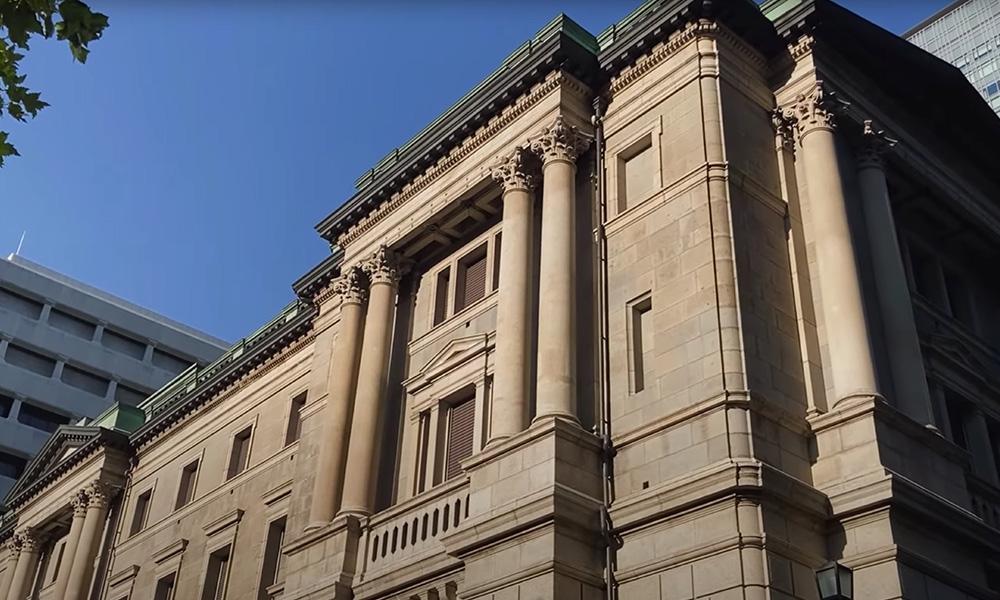
Due to Governor Ueda's absence, Deputy Governor Shinichi Uchida will chair the media briefing to be held at 2:30 PM Beijing time on Tuesday. The market is paying close attention, as investors need to glean insights into the pace and magnitude of future interest rate hikes from Uchida's remarks. Although Uchida is generally considered a dovish member of the central bank's policy-making committee, analysts believe he may release a more hawkish signal in his speech to mitigate the risk of further yen depreciation.
Saisuke Sakai, senior economist at Mizuho Research Institute, pointed out that Ueda's hospitalization will not affect the central bank's institutional decision-making priorities—the core issue at present is the escalating risk of inflation, rather than the threat to economic growth posed by the Middle East conflict. In fact, most of the Bank of Japan's policymakers have already warned of rising price pressures, making an interest rate hike to 1% highly probable.
This rate hike will be the first adjustment since last December, driven primarily by three factors: the energy shock, rising import costs due to the yen's depreciation, and wage pressures from a tight labor market. Japan's wholesale prices rose 6.3% year-on-year in May, the fastest pace in three years. Analysts expect this price pressure could push core consumer inflation well above the 2% target level later this year.
Meanwhile, the yen hovered around a low of 160 against the dollar, with the market widely believing that the Bank of Japan's slow pace of interest rate hikes was a major reason for the yen's weakness. The yen's depreciation further pushed up the prices of imported goods, creating a vicious cycle of inflation. Nobuyasu Atago, chief economist at Rakuten Securities Research Institute, commented that although Shinichi Uchida usually holds a moderate stance, he may have deliberately appeared more hawkish at this press conference to avoid triggering further unpopular yen depreciation. This is indeed a dilemma: the central bank is unwilling to make pre-commitments about the specific timing of future actions, but if it is too cautious about the next interest rate hike, it may exacerbate the yen's depreciation, push up prices, and ultimately lead to the risk of policy lag.
According to surveys, economists generally expect the Bank of Japan (BOJ) to raise interest rates to 1.25% in the fourth quarter, following its June increase to 1%. However, sources within the BOJ indicate that it currently sees no need for accelerated or consecutive rate hikes. This is partly due to the continued uncertainty surrounding the economic impact of the Middle East conflict. A rate of 1% would approach the lower end of the BOJ's estimated nominal neutral interest rate range (1.1%-2.5%). This would mean that monetary policy is approaching a point where it neither stimulates nor inhibits the economy, thus requiring the central bank to act more cautiously.
In addition to interest rate decisions, this meeting will also review the current tapering program for bond purchases, which is scheduled to continue until March next year, and formulate a new bond-buying framework for fiscal year 2027 and beyond. Sources indicate that, given the increased inflation risks and volatility in the bond market due to the Middle East war, the Bank of Japan will consider pausing the tapering of its bond purchases from April 2027 to stabilize the bond market. This potential shift suggests that while raising interest rates, the central bank may not want to excessively tighten liquidity in the financial markets, thereby avoiding triggering sharp fluctuations in the bond market.
In conclusion, the Bank of Japan is about to reach its highest interest rate since 1995, marking a fundamental shift in its monetary policy stance. Although Governor Kazuo Ueda is absent from the meeting due to health issues, the decision-making process is not expected to be disrupted. Deputy Governor Shinichi Uchida's post-meeting remarks will be the focus of the market, and he may deliberately release hawkish signals within his dovish stance to support the yen. Future interest rate hikes will be gradual, and the central bank is also considering pausing its tapering of bond purchases at an appropriate time to balance inflation control and financial market stability. For investors, understanding the Bank of Japan's dilemma under multiple pressures will be key to navigating the yen's asset price movements.
Question 1: Why did the Bank of Japan insist on raising interest rates while its governor was hospitalized? Couldn't they have waited until Kazuo Ueda recovered before making a decision?
A: Because inflationary pressures wait for no one. Japan's wholesale prices rose 6.3% year-on-year in May, the fastest pace in three years, and the depreciation of the yen has led to a continued increase in import costs. Most of the eight members of the Bank of Japan's policy-making committee have warned of price risks, and delaying interest rate hikes could cause inflation to spiral out of control. Governor Ueda's absence does not affect the institution's decision-making process; Deputy Governor Shinichi Uchida has the authority to preside over and implement the established policy direction.
Question 2: Shinichi Uchida is usually a dove, so why might he be sending hawkish signals this time? Does this count as inconsistent words and deeds?
A: That's not contradictory. Uchida's dovish stance means he favors a slow and moderate tightening of policy. However, the yen has already fallen to around 160 against the dollar, and overly dovish rhetoric would exacerbate the depreciation and push up import prices. Therefore, he may be "tactically" expressing concern about inflation and openness to future interest rate hikes, with the aim of stabilizing exchange rate expectations, rather than truly changing the nature of his gradual interest rate hikes.
Question 3: What does a 1% interest rate mean for ordinary Japanese people? Will mortgage rates immediately surge?
A: A 1% interest rate remains historically low (having previously been near zero for a long period). For those with floating-rate mortgages, monthly payments may increase slightly, but the impact will be limited. More importantly, the signal of a rate hike implies a potential slight increase in deposit interest rates, while higher corporate financing costs could dampen investment. Overall, the Bank of Japan is maintaining interest rates below the lower bound of the neutral range to protect the economic recovery.
Question 4: Why does the depreciation of the yen force the central bank to accelerate interest rate hikes? Doesn't depreciation benefit exports?
A: While a weaker yen does benefit export-oriented businesses, for Japan's highly import-dependent economy, depreciation significantly increases the import costs of energy, food, and raw materials. These costs are ultimately passed on to consumers, causing inflation to exceed the central bank's target. When depreciation begins to threaten price stability, the central bank must raise interest rates to support the currency's exchange rate and curb imported inflation.
Question 5: The Bank of Japan plans to pause tapering of its bond purchases starting in April 2027. Does this contradict the interest rate hike?
A: No, they are not contradictory. Raising interest rates is to control inflation, while bond purchases (quantitative easing) mainly affect long-term interest rates and financial market liquidity. Pausing the tapering of bond purchases is to prevent the bond market from fluctuating sharply due to war and inflation expectations, and to ensure the stability of long-term interest rates. This combination of "raising interest rates but not accelerating balance sheet reduction" reflects the central bank's cautious strategy of wanting to exit easing moderately and avoid a repeat of the 2023 banking crisis in Europe and the United States.
At 10:00 Beijing time, the USD/JPY exchange rate is currently at 160.15/16.
It is worth noting that this meeting will conclude on Tuesday (June 16), lasting two days. However, Bank of Japan Governor Kazuo Ueda is currently hospitalized for two weeks due to a liver cyst infection and will be unable to attend the meeting. This adds a layer of uncertainty to the market: will the central bank's policy direction change in the absence of its key leader?
Vice President Shinichi Uchida takes over: Market focuses on his post-meeting remarks.
Due to Governor Ueda's absence, Deputy Governor Shinichi Uchida will chair the media briefing to be held at 2:30 PM Beijing time on Tuesday. The market is paying close attention, as investors need to glean insights into the pace and magnitude of future interest rate hikes from Uchida's remarks. Although Uchida is generally considered a dovish member of the central bank's policy-making committee, analysts believe he may release a more hawkish signal in his speech to mitigate the risk of further yen depreciation.
Saisuke Sakai, senior economist at Mizuho Research Institute, pointed out that Ueda's hospitalization will not affect the central bank's institutional decision-making priorities—the core issue at present is the escalating risk of inflation, rather than the threat to economic growth posed by the Middle East conflict. In fact, most of the Bank of Japan's policymakers have already warned of rising price pressures, making an interest rate hike to 1% highly probable.
Inflationary pressures behind interest rate hikes and the yen's predicament
This rate hike will be the first adjustment since last December, driven primarily by three factors: the energy shock, rising import costs due to the yen's depreciation, and wage pressures from a tight labor market. Japan's wholesale prices rose 6.3% year-on-year in May, the fastest pace in three years. Analysts expect this price pressure could push core consumer inflation well above the 2% target level later this year.
Meanwhile, the yen hovered around a low of 160 against the dollar, with the market widely believing that the Bank of Japan's slow pace of interest rate hikes was a major reason for the yen's weakness. The yen's depreciation further pushed up the prices of imported goods, creating a vicious cycle of inflation. Nobuyasu Atago, chief economist at Rakuten Securities Research Institute, commented that although Shinichi Uchida usually holds a moderate stance, he may have deliberately appeared more hawkish at this press conference to avoid triggering further unpopular yen depreciation. This is indeed a dilemma: the central bank is unwilling to make pre-commitments about the specific timing of future actions, but if it is too cautious about the next interest rate hike, it may exacerbate the yen's depreciation, push up prices, and ultimately lead to the risk of policy lag.
Future interest rate hike pace: gradual rather than aggressive
According to surveys, economists generally expect the Bank of Japan (BOJ) to raise interest rates to 1.25% in the fourth quarter, following its June increase to 1%. However, sources within the BOJ indicate that it currently sees no need for accelerated or consecutive rate hikes. This is partly due to the continued uncertainty surrounding the economic impact of the Middle East conflict. A rate of 1% would approach the lower end of the BOJ's estimated nominal neutral interest rate range (1.1%-2.5%). This would mean that monetary policy is approaching a point where it neither stimulates nor inhibits the economy, thus requiring the central bank to act more cautiously.
New developments in tapering the bond-buying program
In addition to interest rate decisions, this meeting will also review the current tapering program for bond purchases, which is scheduled to continue until March next year, and formulate a new bond-buying framework for fiscal year 2027 and beyond. Sources indicate that, given the increased inflation risks and volatility in the bond market due to the Middle East war, the Bank of Japan will consider pausing the tapering of its bond purchases from April 2027 to stabilize the bond market. This potential shift suggests that while raising interest rates, the central bank may not want to excessively tighten liquidity in the financial markets, thereby avoiding triggering sharp fluctuations in the bond market.
Summary: Cautious Steps in a Historic Turning Point
In conclusion, the Bank of Japan is about to reach its highest interest rate since 1995, marking a fundamental shift in its monetary policy stance. Although Governor Kazuo Ueda is absent from the meeting due to health issues, the decision-making process is not expected to be disrupted. Deputy Governor Shinichi Uchida's post-meeting remarks will be the focus of the market, and he may deliberately release hawkish signals within his dovish stance to support the yen. Future interest rate hikes will be gradual, and the central bank is also considering pausing its tapering of bond purchases at an appropriate time to balance inflation control and financial market stability. For investors, understanding the Bank of Japan's dilemma under multiple pressures will be key to navigating the yen's asset price movements.
Frequently Asked Questions
Question 1: Why did the Bank of Japan insist on raising interest rates while its governor was hospitalized? Couldn't they have waited until Kazuo Ueda recovered before making a decision?
A: Because inflationary pressures wait for no one. Japan's wholesale prices rose 6.3% year-on-year in May, the fastest pace in three years, and the depreciation of the yen has led to a continued increase in import costs. Most of the eight members of the Bank of Japan's policy-making committee have warned of price risks, and delaying interest rate hikes could cause inflation to spiral out of control. Governor Ueda's absence does not affect the institution's decision-making process; Deputy Governor Shinichi Uchida has the authority to preside over and implement the established policy direction.
Question 2: Shinichi Uchida is usually a dove, so why might he be sending hawkish signals this time? Does this count as inconsistent words and deeds?
A: That's not contradictory. Uchida's dovish stance means he favors a slow and moderate tightening of policy. However, the yen has already fallen to around 160 against the dollar, and overly dovish rhetoric would exacerbate the depreciation and push up import prices. Therefore, he may be "tactically" expressing concern about inflation and openness to future interest rate hikes, with the aim of stabilizing exchange rate expectations, rather than truly changing the nature of his gradual interest rate hikes.
Question 3: What does a 1% interest rate mean for ordinary Japanese people? Will mortgage rates immediately surge?
A: A 1% interest rate remains historically low (having previously been near zero for a long period). For those with floating-rate mortgages, monthly payments may increase slightly, but the impact will be limited. More importantly, the signal of a rate hike implies a potential slight increase in deposit interest rates, while higher corporate financing costs could dampen investment. Overall, the Bank of Japan is maintaining interest rates below the lower bound of the neutral range to protect the economic recovery.
Question 4: Why does the depreciation of the yen force the central bank to accelerate interest rate hikes? Doesn't depreciation benefit exports?
A: While a weaker yen does benefit export-oriented businesses, for Japan's highly import-dependent economy, depreciation significantly increases the import costs of energy, food, and raw materials. These costs are ultimately passed on to consumers, causing inflation to exceed the central bank's target. When depreciation begins to threaten price stability, the central bank must raise interest rates to support the currency's exchange rate and curb imported inflation.
Question 5: The Bank of Japan plans to pause tapering of its bond purchases starting in April 2027. Does this contradict the interest rate hike?
A: No, they are not contradictory. Raising interest rates is to control inflation, while bond purchases (quantitative easing) mainly affect long-term interest rates and financial market liquidity. Pausing the tapering of bond purchases is to prevent the bond market from fluctuating sharply due to war and inflation expectations, and to ensure the stability of long-term interest rates. This combination of "raising interest rates but not accelerating balance sheet reduction" reflects the central bank's cautious strategy of wanting to exit easing moderately and avoid a repeat of the 2023 banking crisis in Europe and the United States.
At 10:00 Beijing time, the USD/JPY exchange rate is currently at 160.15/16.
- Risk Warning and Disclaimer
- The market involves risk, and trading may not be suitable for all investors. This article is for reference only and does not constitute personal investment advice, nor does it take into account certain users’ specific investment objectives, financial situation, or other needs. Any investment decisions made based on this information are at your own risk.