The G7 summit addressed multiple issues simultaneously: implementation of the Iran agreement, supply chain restructuring, and Trump's unpredictability.
2026-06-16 16:42:25
Leaders of the G7 countries began arriving at the French lakeside resort of Evian-les-Bains on Monday (June 15). While the preliminary agreement reached between the US and Iran to end the war with Iran brought some relief, US President Trump's latest tariff threats continue to cause unease among nations.
At the summit to be held from June 15 to 17, world leaders will also seek to reach consensus on issues such as the situation between Russia and Ukraine, global economic imbalances, and the diversification of key mineral supply chains.
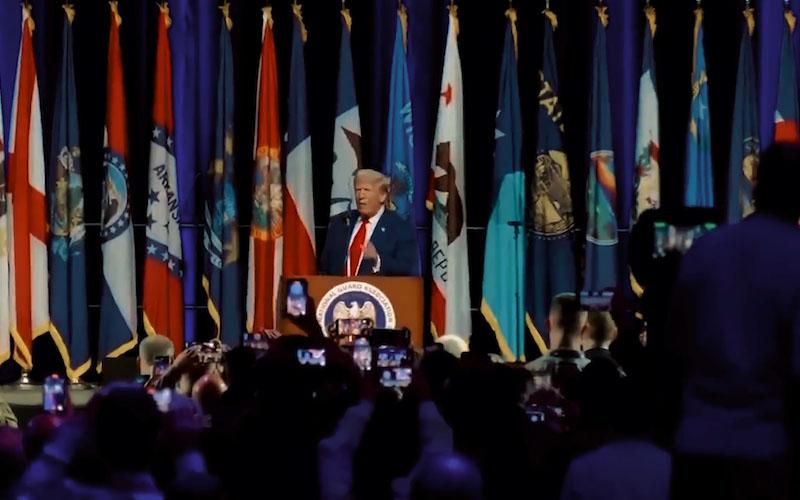
In a media interview before his departure, Trump warned that unless France lifted its digital tax on U.S. tech giants, he would have "no choice" but to impose a 100% tariff on French wine.
This series of tough statements directly impacted the cooperative atmosphere of the G7 summit, causing the atmosphere, which had eased slightly due to the preliminary agreement between the US and Iran, to become tense again.
French President Emmanuel Macron, as the host, responded swiftly, stating in an interview with French television channel TF1 that France would not yield to Trump's tariff threats and emphasizing that "tariffs benefit no one, especially tariffs among G7 members."
Macron's statement not only demonstrated the firm stance of European countries but also highlighted his determination as the summit's host to uphold multilateral rules. This summit is a major diplomatic event in Macron's second and final term, before he steps down next year; therefore, he hopes to use the summit to consolidate Europe's influence in global governance.
Trump's tariff threats are not an isolated incident, but rather a continuation of his consistent unilateralist diplomatic style. Similar moves have repeatedly drawn criticism from allies. In private discussions ahead of the summit, world leaders generally expressed concerns about the uncertainty surrounding US policy.
Analysts point out that Trump's move aims to pressure France into making concessions on the digital tax issue, but it may also weaken the G7's cohesion in addressing global challenges. Faced with this situation, European countries may seek to strengthen coordination with other G7 members to balance the US's influence.
Trump's comments on tariffs once again highlight why other G7 leaders view him as an unpredictable partner. Trump's unilateral decisions have impacted the Middle East, global trade, and diplomatic order. French officials were relieved by his confirmed attendance, but leaders' vigilance continues to rise, given his early departure from last year's G7 summit in Canada.
During the summit, Trump will meet with Middle Eastern leaders and hold a working meeting with Ukrainian President Zelensky.
Trump's unpredictability has become a shared challenge within the G7. His unilateralist approach not only affects trade relations but also impacts security and diplomacy. European leaders worry that if Trump continues his "America First" policy, the G7's effectiveness as a multilateral coordination platform will further decline. On the other hand, Trump has also attempted to use the summit platform to demonstrate America's leadership in mediating international conflicts, such as pushing for the implementation of the US-Iran agreement. However, this style has led to decreased trust among allies, and countries may face greater disagreements when drafting joint statements.
Experts believe that Trump's actions reflect the dilemma of balancing domestic political considerations with international obligations, and that under election pressure, his policies tend to be more short-term profit-oriented.
The preliminary agreement reached between the US and Iran, and subsequent measures, will be a key topic of discussion among world leaders. The two sides plan to sign a memorandum of understanding in Switzerland on Friday, but specific terms remain unclear. Trump stated that the Strait of Hormuz, which Iran has effectively blocked for months, will reopen on Friday, and the US will also end its blockade of Iranian ports.
France and the UK are considering sending a contingent to the region to assist in reopening the Strait of Hormuz. All parties are closely monitoring the details of the agreement's implementation and the pace of subsequent nuclear negotiations. This agreement is seen as a significant step in alleviating the global energy crisis, but uncertainties remain regarding its implementation. As a crucial global oil shipping route, the reopening of the Strait of Hormuz will directly impact oil prices and supply chain stability.
G7 leaders hope that the summit discussions will ensure the agreement is not just a paper promise, but a reality. European countries are particularly focused on the progress of subsequent negotiations on the nuclear issue. Israel's opposition has also become a focal point of discussion. While the Trump administration is pushing for an agreement, internal coordination and concerns from allies could affect its final outcome.
Analysts point out that if the Strait reopens smoothly, it will significantly alleviate global energy pressures; conversely, if there are setbacks, energy market volatility will intensify again. During the summit, parties are expected to reach some consensus on monitoring mechanisms and risk management to enhance the reliability of the agreement.
Besides the Iran issue, G7 leaders will also seek consensus on a number of global issues. Zelensky is seeking more US support, but the prospects are uncertain; at the global economic level, countries will discuss coordinated solutions to address trade imbalances and inflationary pressures. In the area of key mineral supply chains, the G7 plans to explore diversified sources.
The Russia-Ukraine conflict has dragged on for over four years, placing a heavy burden on the European economy. Zelenskyy hopes to secure more military and economic aid through the summit, but Trump's shift in priorities towards the Middle East may disappoint him. G7 members need to balance support for Ukraine with their own economic pressures and find a balance between sanctions and peace negotiations.
In the economic sphere, the global recovery is uneven, inflationary risks are high, and trade protectionism is on the rise, presenting common challenges. Countries are planning to coordinate monetary and fiscal measures to stabilize market expectations. Diversification of key mineral supply chains is also a strategic priority.
These issues are intertwined, testing the G7's coordination capabilities. Trump's unilateral tendencies may increase the difficulty of negotiations, but shared interests may drive some progress. The summit's final communiqué is expected to cover these areas, providing guidance for global governance.
During the G7 summit, Trump's tariff threats and immigration rhetoric dampened the atmosphere of cooperation, while Macron's tough response highlighted the differences between Europe and the United States. Although the preliminary US-Iran agreement brought some easing, uncertainties remain regarding the details of reopening the Strait of Hormuz and the prospects for nuclear negotiations. Meanwhile, the Russia-Ukraine situation, global economic imbalances, and the diversification of key mineral supply chains became key issues. The summit reflected the tension between multilateralism and unilateralism, highlighting the need for all parties to seek consensus in a complex geopolitical environment to address global challenges.
Q1: Why did Trump issue tariff threats before the G7 summit?
Trump warned that if France does not lift its digital services tax targeting U.S. tech giants, he will impose a 100% tariff on French wine. This reflects his consistent "America First" trade policy, aimed at protecting the interests of American companies through pressure while projecting a tough image in domestic politics. However, this move exacerbates tensions at the summit and clashes with the spirit of multilateral cooperation within the G7.
Q2: How did Macron respond to Trump's tariff threats?
Macron made it clear that France would not back down, emphasizing that tariffs would not benefit any G7 member country. As the summit's host, Macron hoped to uphold European dignity and multilateral rules, and his tough stance also served to shape his diplomatic legacy at the end of his term.
Q3: What is the status of the Iran agreement at the G7 summit?
The Iran nuclear deal and the reopening schedule of the Strait of Hormuz have become the focus. Trump stated that the strait would reopen on Friday, but specific terms remained unclear. France and the UK are considering sending a contingent to assist, but this requires Iranian approval. Countries are monitoring the stability of the agreement's implementation and the progress of subsequent nuclear negotiations to assess the impact on global energy markets.
At the summit to be held from June 15 to 17, world leaders will also seek to reach consensus on issues such as the situation between Russia and Ukraine, global economic imbalances, and the diversification of key mineral supply chains.
Trump's tariff threats disrupted the summit atmosphere; Macron responded firmly.
In a media interview before his departure, Trump warned that unless France lifted its digital tax on U.S. tech giants, he would have "no choice" but to impose a 100% tariff on French wine.
This series of tough statements directly impacted the cooperative atmosphere of the G7 summit, causing the atmosphere, which had eased slightly due to the preliminary agreement between the US and Iran, to become tense again.
French President Emmanuel Macron, as the host, responded swiftly, stating in an interview with French television channel TF1 that France would not yield to Trump's tariff threats and emphasizing that "tariffs benefit no one, especially tariffs among G7 members."
Macron's statement not only demonstrated the firm stance of European countries but also highlighted his determination as the summit's host to uphold multilateral rules. This summit is a major diplomatic event in Macron's second and final term, before he steps down next year; therefore, he hopes to use the summit to consolidate Europe's influence in global governance.
Trump's tariff threats are not an isolated incident, but rather a continuation of his consistent unilateralist diplomatic style. Similar moves have repeatedly drawn criticism from allies. In private discussions ahead of the summit, world leaders generally expressed concerns about the uncertainty surrounding US policy.
Analysts point out that Trump's move aims to pressure France into making concessions on the digital tax issue, but it may also weaken the G7's cohesion in addressing global challenges. Faced with this situation, European countries may seek to strengthen coordination with other G7 members to balance the US's influence.
Trump remains unpredictable; unilateralism is impacting the global order.
Trump's comments on tariffs once again highlight why other G7 leaders view him as an unpredictable partner. Trump's unilateral decisions have impacted the Middle East, global trade, and diplomatic order. French officials were relieved by his confirmed attendance, but leaders' vigilance continues to rise, given his early departure from last year's G7 summit in Canada.
During the summit, Trump will meet with Middle Eastern leaders and hold a working meeting with Ukrainian President Zelensky.
Trump's unpredictability has become a shared challenge within the G7. His unilateralist approach not only affects trade relations but also impacts security and diplomacy. European leaders worry that if Trump continues his "America First" policy, the G7's effectiveness as a multilateral coordination platform will further decline. On the other hand, Trump has also attempted to use the summit platform to demonstrate America's leadership in mediating international conflicts, such as pushing for the implementation of the US-Iran agreement. However, this style has led to decreased trust among allies, and countries may face greater disagreements when drafting joint statements.
Experts believe that Trump's actions reflect the dilemma of balancing domestic political considerations with international obligations, and that under election pressure, his policies tend to be more short-term profit-oriented.
Details of the Iran agreement are in focus, while the reopening schedule for the Straits remains to be clarified.
The preliminary agreement reached between the US and Iran, and subsequent measures, will be a key topic of discussion among world leaders. The two sides plan to sign a memorandum of understanding in Switzerland on Friday, but specific terms remain unclear. Trump stated that the Strait of Hormuz, which Iran has effectively blocked for months, will reopen on Friday, and the US will also end its blockade of Iranian ports.
France and the UK are considering sending a contingent to the region to assist in reopening the Strait of Hormuz. All parties are closely monitoring the details of the agreement's implementation and the pace of subsequent nuclear negotiations. This agreement is seen as a significant step in alleviating the global energy crisis, but uncertainties remain regarding its implementation. As a crucial global oil shipping route, the reopening of the Strait of Hormuz will directly impact oil prices and supply chain stability.
G7 leaders hope that the summit discussions will ensure the agreement is not just a paper promise, but a reality. European countries are particularly focused on the progress of subsequent negotiations on the nuclear issue. Israel's opposition has also become a focal point of discussion. While the Trump administration is pushing for an agreement, internal coordination and concerns from allies could affect its final outcome.
Analysts point out that if the Strait reopens smoothly, it will significantly alleviate global energy pressures; conversely, if there are setbacks, energy market volatility will intensify again. During the summit, parties are expected to reach some consensus on monitoring mechanisms and risk management to enhance the reliability of the agreement.
Multiple issues running concurrently: Russia-Ukraine situation, supply chain restructuring, and global economic imbalances.
Besides the Iran issue, G7 leaders will also seek consensus on a number of global issues. Zelensky is seeking more US support, but the prospects are uncertain; at the global economic level, countries will discuss coordinated solutions to address trade imbalances and inflationary pressures. In the area of key mineral supply chains, the G7 plans to explore diversified sources.
The Russia-Ukraine conflict has dragged on for over four years, placing a heavy burden on the European economy. Zelenskyy hopes to secure more military and economic aid through the summit, but Trump's shift in priorities towards the Middle East may disappoint him. G7 members need to balance support for Ukraine with their own economic pressures and find a balance between sanctions and peace negotiations.
In the economic sphere, the global recovery is uneven, inflationary risks are high, and trade protectionism is on the rise, presenting common challenges. Countries are planning to coordinate monetary and fiscal measures to stabilize market expectations. Diversification of key mineral supply chains is also a strategic priority.
These issues are intertwined, testing the G7's coordination capabilities. Trump's unilateral tendencies may increase the difficulty of negotiations, but shared interests may drive some progress. The summit's final communiqué is expected to cover these areas, providing guidance for global governance.
Editor's Summary
During the G7 summit, Trump's tariff threats and immigration rhetoric dampened the atmosphere of cooperation, while Macron's tough response highlighted the differences between Europe and the United States. Although the preliminary US-Iran agreement brought some easing, uncertainties remain regarding the details of reopening the Strait of Hormuz and the prospects for nuclear negotiations. Meanwhile, the Russia-Ukraine situation, global economic imbalances, and the diversification of key mineral supply chains became key issues. The summit reflected the tension between multilateralism and unilateralism, highlighting the need for all parties to seek consensus in a complex geopolitical environment to address global challenges.
Frequently Asked Questions
Q1: Why did Trump issue tariff threats before the G7 summit?
Trump warned that if France does not lift its digital services tax targeting U.S. tech giants, he will impose a 100% tariff on French wine. This reflects his consistent "America First" trade policy, aimed at protecting the interests of American companies through pressure while projecting a tough image in domestic politics. However, this move exacerbates tensions at the summit and clashes with the spirit of multilateral cooperation within the G7.
Q2: How did Macron respond to Trump's tariff threats?
Macron made it clear that France would not back down, emphasizing that tariffs would not benefit any G7 member country. As the summit's host, Macron hoped to uphold European dignity and multilateral rules, and his tough stance also served to shape his diplomatic legacy at the end of his term.
Q3: What is the status of the Iran agreement at the G7 summit?
The Iran nuclear deal and the reopening schedule of the Strait of Hormuz have become the focus. Trump stated that the strait would reopen on Friday, but specific terms remained unclear. France and the UK are considering sending a contingent to assist, but this requires Iranian approval. Countries are monitoring the stability of the agreement's implementation and the progress of subsequent nuclear negotiations to assess the impact on global energy markets.
- Risk Warning and Disclaimer
- The market involves risk, and trading may not be suitable for all investors. This article is for reference only and does not constitute personal investment advice, nor does it take into account certain users’ specific investment objectives, financial situation, or other needs. Any investment decisions made based on this information are at your own risk.