With the US-Iran interim agreement about to be signed, how far is the Middle East from true peace?
2026-06-17 08:27:24
More details emerged on Tuesday (June 16) regarding the interim agreement reached between the United States and Iran to end the Middle East conflict.
US President Trump declared that the agreement would effectively prevent Tehran from acquiring nuclear weapons, while US officials confirmed that the agreement would allow Iran to resume oil exports.
Despite positive signals from both sides, the core differences on the nuclear issue, the conflict between Israel and Hezbollah, and the uncertainty surrounding the final agreement all introduce considerable uncertainty into the subsequent negotiations. The agreement is scheduled to be formally signed in Switzerland on Friday.
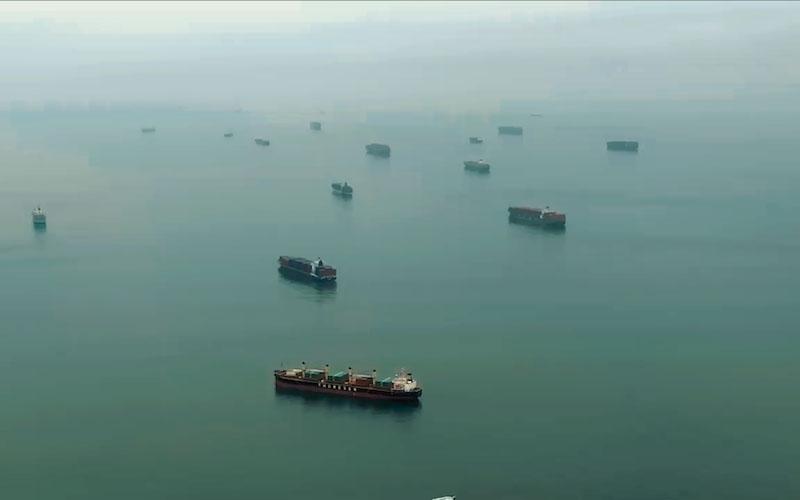
According to information disclosed on Tuesday, the interim agreement aims to extend the fragile ceasefire announced in April for 60 days and reopen the Strait of Hormuz, which has been effectively blocked by Iran since February.
At the G7 summit in France, Trump stated that the text of the agreement clearly stipulates that Iran cannot possess nuclear weapons, and the full agreement will be officially released soon.
He also revealed his support for submitting the agreement to Congress for consideration—a proposal that responded to demands from some Republican lawmakers.
A senior U.S. official further explained that the agreement allows Iran to immediately begin selling oil and fuel, and provides corresponding banking, transportation, and insurance services to facilitate the transactions. However, the official emphasized that all benefits come with strict conditions: “Iran can only enjoy any benefits of the memorandum of understanding if it complies with all the terms it agreed to—including not possessing nuclear weapons, destroying its enriched materials, and not interfering with freedom of navigation in the Strait of Hormuz.”
Following the formal signing of the framework agreement on Friday, the next phase of negotiations will begin immediately in Switzerland. Iranian Foreign Minister Araqchi confirmed that negotiators will directly address thorny issues such as the future of Iran's nuclear program. However, two other reasons that Trump and Netanyahu have used to justify the war—ending Iran's support for regional armed proxies and curbing its missile program—are believed not to be on the agenda for this round of negotiations.
Trump expressed optimism about the upcoming negotiations, saying that "Iran wants an agreement as soon as possible" and that "relations between the two countries are now normalized," anticipating rapid progress. He described the agreement as "a barrier on Iran's path to nuclear weapons." Vice President Vance and Iran's chief negotiator, Ghalibaf, will attend the signing ceremony on Friday.
Iran, however, has been more cautious in its statements. Iranian President Peskhchiyan stated on social media that the interim agreement was an "important step" towards a ceasefire, but also noted that a final agreement aimed at achieving a lasting ceasefire "has not yet taken shape." Vance also acknowledged that the signed memorandum was only a "very general document."
Both U.S. and Iranian officials have stated that the agreement is expected to bring substantial economic benefits to Iran by lifting sanctions and unfreezing overseas assets. Furthermore, the agreement may establish a $300 billion reconstruction fund provided by neighboring Gulf states—countries that not only host U.S. military bases but have also suffered Iranian attacks during the war.
However, for Iran to obtain these benefits, it must meet US demands: refrain from developing nuclear weapons and cease support for militia groups such as Hezbollah in Lebanon. Iranian officials have consistently denied any intention to develop nuclear weapons, stating that agreeing to resume diplomatic consultations regarding the uranium enrichment program represents almost no substantial concession from their perspective.
Both sides confirmed that the Strait of Hormuz will remain open from Friday. This strait typically handles about one-fifth of the world's oil and liquefied natural gas trade.
On Tuesday, Iranian state television reported on the lifting of the maritime blockade, while emphasizing that the ships still needed to coordinate with the Iranian Revolutionary Guard.
Trump stated that oil tankers have begun leaving the strait, while media reports indicate that the US previously imposed its own blockade on Iranian ports and has been monitoring clandestine ship-to-ship crude oil transfers to ensure unimpeded Gulf exports. The US indicated the strait would be open free of charge for 60 days and hopes to include this clause in the final agreement; Iran, however, stated it would retain control of the strait jointly with Oman.
Cargo owners expect the return of shipping traffic to normal to be a gradual process.
The conflict between Israel and Hezbollah, an Iranian ally in Lebanon, has displaced 1.2 million people, becoming another complicating factor in the implementation of the agreement.
Iran stated that the agreement requires a complete cessation of hostilities in the region, but Israeli Prime Minister Netanyahu emphasized that Israel will maintain its military presence in southern Lebanon and reserves the right to retaliate against Hezbollah attacks.
Trump expressed “dissatisfaction” with Israel’s military action on Tuesday, but a U.S. official pointed out that Israel’s withdrawal from Lebanon—which it invaded in March—was not a condition of the agreement.
Iranian Foreign Minister Araqchi stated unequivocally that Israel's attacks must stop immediately.
This interim US-Iran agreement provides a short-term framework for easing tensions in the Middle East by extending the ceasefire, opening the Strait of Hormuz, and allowing Iran to resume oil exports. The US emphasizes core conditions such as nuclear non-proliferation and freedom of navigation, while Iran sees it as an economic respite. Deep-seated differences, such as details of the nuclear program and the Israel-Hezbollah conflict, remain unresolved, and the final agreement faces uncertainty. Regional stability depends on substantial progress in subsequent negotiations in Switzerland and the extent to which all parties adhere to their commitments.
Q1: What is the main purpose of this interim agreement?
A: The agreement aims to extend the fragile ceasefire in April by 60 days while reopening the Strait of Hormuz, which had been blocked by Iran since February. This strait handles approximately 20% of global oil and liquefied natural gas trade, and its reopening will alleviate pressure on energy markets. The United States allowed Iran to immediately resume oil exports and unfreeze its assets in exchange for Iran adhering to its commitments not to develop nuclear weapons and to destroy enriched materials, laying the foundation for a lasting ceasefire.
Q2: How does the Trump administration view the Iranian nuclear issue?
A: Trump explicitly stated that the agreement text prohibits Iran from possessing nuclear weapons, describing it as "a barrier on the road to nuclear weapons." US officials emphasized that all economic benefits (such as oil sales and banking services) come with strict conditions, which Iran can only obtain if it fully complies. Subsequent negotiations will focus on the future of Iran's nuclear program, while ending proxy support and missile programs are not currently on the agenda, reflecting the US's priority on nuclear issues.
Q3: What concessions did Iran make in the agreement? How does Iran evaluate it?
A: Iran has agreed to resume diplomatic consultations on its uranium enrichment program, open the Strait of Hormuz, and pledge not to develop nuclear weapons. Iranian officials consider these concessions limited, deny any intention to develop nuclear weapons, and view the agreement as an important step toward ending hostilities. President Pezechzian emphasized that a final and lasting ceasefire agreement has not yet been reached, indicating Iran's cautious optimism, primarily anticipating economic benefits such as the lifting of sanctions and a $300 billion reconstruction fund.
Q4: What impact will the reopening of the Strait of Hormuz have on the global energy market?
A: After the Straits reopen, oil tankers can gradually resume normal navigation. The US stated it will open the Straits free of charge for 60 days, while Iran and Oman will jointly retain control. Although the resumption of shipping will be a gradual process, it will significantly reduce the risks of global energy transportation and promote oil exports. The agreement also involves lifting the US blockade of Iranian ports and monitoring ship-to-ship transshipment, which will help stabilize international oil prices in the short term.
Q5: How will the conflict between Israel and Hezbollah affect the implementation of the agreement?
A: The Israel-Hezbollah conflict has displaced 1.2 million people, complicating the implementation of the agreement. Iran demands a complete cessation of regional hostilities and an immediate end to Israeli attacks, while Israeli Prime Minister Netanyahu insists on maintaining a military presence in southern Lebanon and the right to retaliate. The US has stated that Israeli troop withdrawal is not a condition of the agreement, a statement Trump has expressed dissatisfaction with. This indicates that the situation in Lebanon remains a potential risk and could test the stability of the interim agreement.
US President Trump declared that the agreement would effectively prevent Tehran from acquiring nuclear weapons, while US officials confirmed that the agreement would allow Iran to resume oil exports.
Despite positive signals from both sides, the core differences on the nuclear issue, the conflict between Israel and Hezbollah, and the uncertainty surrounding the final agreement all introduce considerable uncertainty into the subsequent negotiations. The agreement is scheduled to be formally signed in Switzerland on Friday.
Core content of the agreement and the US position
According to information disclosed on Tuesday, the interim agreement aims to extend the fragile ceasefire announced in April for 60 days and reopen the Strait of Hormuz, which has been effectively blocked by Iran since February.
At the G7 summit in France, Trump stated that the text of the agreement clearly stipulates that Iran cannot possess nuclear weapons, and the full agreement will be officially released soon.
He also revealed his support for submitting the agreement to Congress for consideration—a proposal that responded to demands from some Republican lawmakers.
A senior U.S. official further explained that the agreement allows Iran to immediately begin selling oil and fuel, and provides corresponding banking, transportation, and insurance services to facilitate the transactions. However, the official emphasized that all benefits come with strict conditions: “Iran can only enjoy any benefits of the memorandum of understanding if it complies with all the terms it agreed to—including not possessing nuclear weapons, destroying its enriched materials, and not interfering with freedom of navigation in the Strait of Hormuz.”
Subsequent negotiations: Nuclear program becomes the focus, differences remain significant.
Following the formal signing of the framework agreement on Friday, the next phase of negotiations will begin immediately in Switzerland. Iranian Foreign Minister Araqchi confirmed that negotiators will directly address thorny issues such as the future of Iran's nuclear program. However, two other reasons that Trump and Netanyahu have used to justify the war—ending Iran's support for regional armed proxies and curbing its missile program—are believed not to be on the agenda for this round of negotiations.
Trump expressed optimism about the upcoming negotiations, saying that "Iran wants an agreement as soon as possible" and that "relations between the two countries are now normalized," anticipating rapid progress. He described the agreement as "a barrier on Iran's path to nuclear weapons." Vice President Vance and Iran's chief negotiator, Ghalibaf, will attend the signing ceremony on Friday.
Iran, however, has been more cautious in its statements. Iranian President Peskhchiyan stated on social media that the interim agreement was an "important step" towards a ceasefire, but also noted that a final agreement aimed at achieving a lasting ceasefire "has not yet taken shape." Vance also acknowledged that the signed memorandum was only a "very general document."
Economic interests and Iran's concessions
Both U.S. and Iranian officials have stated that the agreement is expected to bring substantial economic benefits to Iran by lifting sanctions and unfreezing overseas assets. Furthermore, the agreement may establish a $300 billion reconstruction fund provided by neighboring Gulf states—countries that not only host U.S. military bases but have also suffered Iranian attacks during the war.
However, for Iran to obtain these benefits, it must meet US demands: refrain from developing nuclear weapons and cease support for militia groups such as Hezbollah in Lebanon. Iranian officials have consistently denied any intention to develop nuclear weapons, stating that agreeing to resume diplomatic consultations regarding the uranium enrichment program represents almost no substantial concession from their perspective.
Strait of Hormuz Resumes Navigation
Both sides confirmed that the Strait of Hormuz will remain open from Friday. This strait typically handles about one-fifth of the world's oil and liquefied natural gas trade.
On Tuesday, Iranian state television reported on the lifting of the maritime blockade, while emphasizing that the ships still needed to coordinate with the Iranian Revolutionary Guard.
Trump stated that oil tankers have begun leaving the strait, while media reports indicate that the US previously imposed its own blockade on Iranian ports and has been monitoring clandestine ship-to-ship crude oil transfers to ensure unimpeded Gulf exports. The US indicated the strait would be open free of charge for 60 days and hopes to include this clause in the final agreement; Iran, however, stated it would retain control of the strait jointly with Oman.
Cargo owners expect the return of shipping traffic to normal to be a gradual process.
The situation in Lebanon: unresolved complexities
The conflict between Israel and Hezbollah, an Iranian ally in Lebanon, has displaced 1.2 million people, becoming another complicating factor in the implementation of the agreement.
Iran stated that the agreement requires a complete cessation of hostilities in the region, but Israeli Prime Minister Netanyahu emphasized that Israel will maintain its military presence in southern Lebanon and reserves the right to retaliate against Hezbollah attacks.
Trump expressed “dissatisfaction” with Israel’s military action on Tuesday, but a U.S. official pointed out that Israel’s withdrawal from Lebanon—which it invaded in March—was not a condition of the agreement.
Iranian Foreign Minister Araqchi stated unequivocally that Israel's attacks must stop immediately.
Editor's Summary
This interim US-Iran agreement provides a short-term framework for easing tensions in the Middle East by extending the ceasefire, opening the Strait of Hormuz, and allowing Iran to resume oil exports. The US emphasizes core conditions such as nuclear non-proliferation and freedom of navigation, while Iran sees it as an economic respite. Deep-seated differences, such as details of the nuclear program and the Israel-Hezbollah conflict, remain unresolved, and the final agreement faces uncertainty. Regional stability depends on substantial progress in subsequent negotiations in Switzerland and the extent to which all parties adhere to their commitments.
Frequently Asked Questions
Q1: What is the main purpose of this interim agreement?
A: The agreement aims to extend the fragile ceasefire in April by 60 days while reopening the Strait of Hormuz, which had been blocked by Iran since February. This strait handles approximately 20% of global oil and liquefied natural gas trade, and its reopening will alleviate pressure on energy markets. The United States allowed Iran to immediately resume oil exports and unfreeze its assets in exchange for Iran adhering to its commitments not to develop nuclear weapons and to destroy enriched materials, laying the foundation for a lasting ceasefire.
Q2: How does the Trump administration view the Iranian nuclear issue?
A: Trump explicitly stated that the agreement text prohibits Iran from possessing nuclear weapons, describing it as "a barrier on the road to nuclear weapons." US officials emphasized that all economic benefits (such as oil sales and banking services) come with strict conditions, which Iran can only obtain if it fully complies. Subsequent negotiations will focus on the future of Iran's nuclear program, while ending proxy support and missile programs are not currently on the agenda, reflecting the US's priority on nuclear issues.
Q3: What concessions did Iran make in the agreement? How does Iran evaluate it?
A: Iran has agreed to resume diplomatic consultations on its uranium enrichment program, open the Strait of Hormuz, and pledge not to develop nuclear weapons. Iranian officials consider these concessions limited, deny any intention to develop nuclear weapons, and view the agreement as an important step toward ending hostilities. President Pezechzian emphasized that a final and lasting ceasefire agreement has not yet been reached, indicating Iran's cautious optimism, primarily anticipating economic benefits such as the lifting of sanctions and a $300 billion reconstruction fund.
Q4: What impact will the reopening of the Strait of Hormuz have on the global energy market?
A: After the Straits reopen, oil tankers can gradually resume normal navigation. The US stated it will open the Straits free of charge for 60 days, while Iran and Oman will jointly retain control. Although the resumption of shipping will be a gradual process, it will significantly reduce the risks of global energy transportation and promote oil exports. The agreement also involves lifting the US blockade of Iranian ports and monitoring ship-to-ship transshipment, which will help stabilize international oil prices in the short term.
Q5: How will the conflict between Israel and Hezbollah affect the implementation of the agreement?
A: The Israel-Hezbollah conflict has displaced 1.2 million people, complicating the implementation of the agreement. Iran demands a complete cessation of regional hostilities and an immediate end to Israeli attacks, while Israeli Prime Minister Netanyahu insists on maintaining a military presence in southern Lebanon and the right to retaliate. The US has stated that Israeli troop withdrawal is not a condition of the agreement, a statement Trump has expressed dissatisfaction with. This indicates that the situation in Lebanon remains a potential risk and could test the stability of the interim agreement.
- Risk Warning and Disclaimer
- The market involves risk, and trading may not be suitable for all investors. This article is for reference only and does not constitute personal investment advice, nor does it take into account certain users’ specific investment objectives, financial situation, or other needs. Any investment decisions made based on this information are at your own risk.