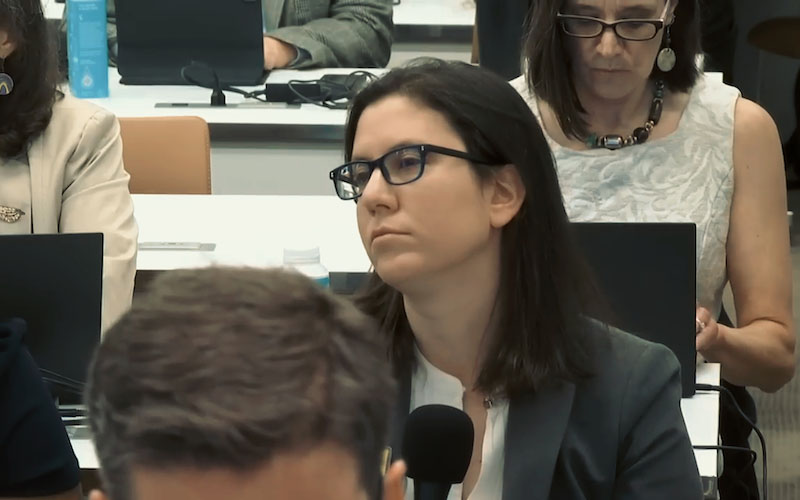
The first interest rate meeting of the Warsh meeting saw a heated clash of opinions from various parties.
2026-06-17 11:12:22
With less than 24 hours to go before new Federal Reserve Chairman Kevin Warsh announces his first interest rate decision, the market has already priced in maintaining the current interest rate level.
The key focus of this meeting was not the interest rate outcome, but rather Warsh's policy rhetoric, his assessment of the economy and inflation, and whether the Fed's independence was weakening. Several industry insiders offered widely divergent assessments: precious metals may face short-term pressure from a hawkish stance, but multiple structural positive factors support the long-term upside potential for gold.
Kevin Grady, president of Phoenix Futures and Options, said that Warsh's tone would not be significantly different from that of his predecessor Powell, and that monetary policy would be adjusted entirely based on economic data.
Grady said, "At the beginning of the year, the market generally bet on interest rate cuts, but the recent rebound in inflation and energy prices has fueled expectations of interest rate hikes. Simply following market opinions is not objective. Warsh will objectively interpret all economic data and formulate policies based on the real situation."
He also suggested that there was no need to be overly concerned about the direction of White House intervention policies, and that Warsh would maintain a neutral and pragmatic assessment, without deliberately pandering to the president's demands. Commentators who have long predicted economic downturns have repeatedly failed to deliver, leading to a continuous decline in the credibility of their views. The exaggerated claims of the Federal Reserve being politically influenced lack any data support.
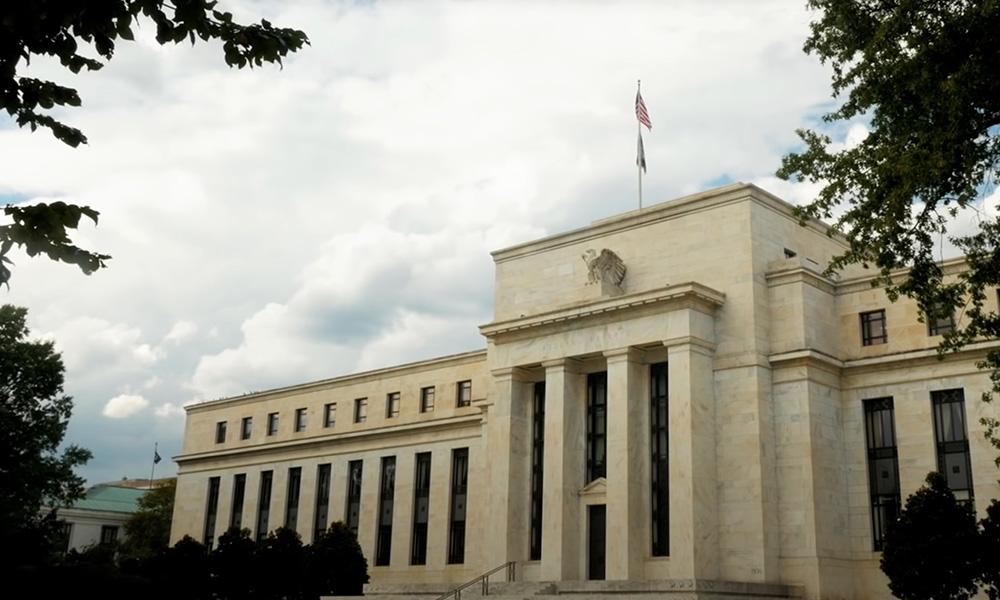
John Murillo, Chief Commercial Officer of B2BROKER, said that the real factor affecting the market at this meeting was the policy forward guidance, with a focus on whether Walsh would confirm that policies would remain tight until 2027.
Murillo said, "If the dot plot and policy wording send hawkish signals, US Treasury yields will rise first, pushing up the dollar and putting short-term pressure on gold prices."
However, he emphasized that the short-term pullback will not reverse the long-term trend of gold. Multiple structural bullish factors, including central banks' continued gold purchases to optimize foreign exchange reserves, safe-haven demand driven by the Iranian geopolitical conflict, and the persistently high US fiscal deficit, will not be altered by a single monetary policy move. In fact, a short-term decline in gold prices will attract long-term investment, with market volatility transmission occurring in the order of US Treasury bonds, the US dollar, and then gold.
Barchart senior market analyst Darin Newsom holds the exact opposite view, believing that the Federal Reserve has lost market credibility and that its policy direction is being dominated by the White House.
Newsom said, "The market expects the next rate hike to be delayed until December, and policy will not be tightened before the November midterm elections. Warsh has no independent decision-making space, and there are many members on the committee whose positions are aligned with the president. Even if there are dissenting votes, they cannot change the final result."
He judged that the meeting would keep interest rates unchanged, and a rate cut was unlikely in the short term. Even though Warsh repeatedly emphasized central bank independence and close monitoring of inflation and employment, he struggled to gain the trust of global investors, which is the core reason why central banks around the world continue to increase their gold holdings.
Daniel Pavilonis, a senior commodities broker at Stonex Group, said that Walsh is currently more inclined to adjust market expectations through verbal communication rather than implementing any substantial interest rate cuts. Instead, he will use a variety of tools to indirectly lower market interest rates.
Pavilonis said, "If the US and Iran reach a long-term peace agreement, the rapid increase in crude oil supply and the sharp drop in energy prices will lead to a significant cooling of inflation, and FOMC members who were originally inclined to raise interest rates may change their stance."
He added that oil prices fluctuate extremely rapidly, and a easing of geopolitical tensions would quickly correct energy inflationary pressures. He also predicted that the executive branch would introduce policies favorable to the stock market before the November midterm elections to maintain the positive performance of the capital market.
In summary , the market consensus is that the Federal Reserve will maintain its current interest rate policy. The main points of contention lie in policy independence, the medium- to long-term interest rate path, and the gold price trend. A short-term hawkish bias may lead to a pullback in gold prices, but long-term supporting factors such as central bank gold purchases, geopolitical factors, and fiscal deficits remain. The anticipated cooling of inflation following the US-Iran agreement also leaves room for further easing by the Federal Reserve.
The key focus of this meeting was not the interest rate outcome, but rather Warsh's policy rhetoric, his assessment of the economy and inflation, and whether the Fed's independence was weakening. Several industry insiders offered widely divergent assessments: precious metals may face short-term pressure from a hawkish stance, but multiple structural positive factors support the long-term upside potential for gold.
Market neutrals: Policy is data-driven; the risk of political interference is exaggerated.
Kevin Grady, president of Phoenix Futures and Options, said that Warsh's tone would not be significantly different from that of his predecessor Powell, and that monetary policy would be adjusted entirely based on economic data.
Grady said, "At the beginning of the year, the market generally bet on interest rate cuts, but the recent rebound in inflation and energy prices has fueled expectations of interest rate hikes. Simply following market opinions is not objective. Warsh will objectively interpret all economic data and formulate policies based on the real situation."
He also suggested that there was no need to be overly concerned about the direction of White House intervention policies, and that Warsh would maintain a neutral and pragmatic assessment, without deliberately pandering to the president's demands. Commentators who have long predicted economic downturns have repeatedly failed to deliver, leading to a continuous decline in the credibility of their views. The exaggerated claims of the Federal Reserve being politically influenced lack any data support.
From a trading institution's perspective: Hawkish statements may put short-term pressure on gold, but the foundation for long-term gains remains solid.
John Murillo, Chief Commercial Officer of B2BROKER, said that the real factor affecting the market at this meeting was the policy forward guidance, with a focus on whether Walsh would confirm that policies would remain tight until 2027.
Murillo said, "If the dot plot and policy wording send hawkish signals, US Treasury yields will rise first, pushing up the dollar and putting short-term pressure on gold prices."
However, he emphasized that the short-term pullback will not reverse the long-term trend of gold. Multiple structural bullish factors, including central banks' continued gold purchases to optimize foreign exchange reserves, safe-haven demand driven by the Iranian geopolitical conflict, and the persistently high US fiscal deficit, will not be altered by a single monetary policy move. In fact, a short-term decline in gold prices will attract long-term investment, with market volatility transmission occurring in the order of US Treasury bonds, the US dollar, and then gold.
Pessimistic analysts: The Federal Reserve is losing credibility, and policy dominance has shifted to the White House.
Barchart senior market analyst Darin Newsom holds the exact opposite view, believing that the Federal Reserve has lost market credibility and that its policy direction is being dominated by the White House.
Newsom said, "The market expects the next rate hike to be delayed until December, and policy will not be tightened before the November midterm elections. Warsh has no independent decision-making space, and there are many members on the committee whose positions are aligned with the president. Even if there are dissenting votes, they cannot change the final result."
He judged that the meeting would keep interest rates unchanged, and a rate cut was unlikely in the short term. Even though Warsh repeatedly emphasized central bank independence and close monitoring of inflation and employment, he struggled to gain the trust of global investors, which is the core reason why central banks around the world continue to increase their gold holdings.
Commodity brokers: Easing geopolitical tensions could cool inflation, with policy leaning towards easing.
Daniel Pavilonis, a senior commodities broker at Stonex Group, said that Walsh is currently more inclined to adjust market expectations through verbal communication rather than implementing any substantial interest rate cuts. Instead, he will use a variety of tools to indirectly lower market interest rates.
Pavilonis said, "If the US and Iran reach a long-term peace agreement, the rapid increase in crude oil supply and the sharp drop in energy prices will lead to a significant cooling of inflation, and FOMC members who were originally inclined to raise interest rates may change their stance."
He added that oil prices fluctuate extremely rapidly, and a easing of geopolitical tensions would quickly correct energy inflationary pressures. He also predicted that the executive branch would introduce policies favorable to the stock market before the November midterm elections to maintain the positive performance of the capital market.
In summary , the market consensus is that the Federal Reserve will maintain its current interest rate policy. The main points of contention lie in policy independence, the medium- to long-term interest rate path, and the gold price trend. A short-term hawkish bias may lead to a pullback in gold prices, but long-term supporting factors such as central bank gold purchases, geopolitical factors, and fiscal deficits remain. The anticipated cooling of inflation following the US-Iran agreement also leaves room for further easing by the Federal Reserve.
- Risk Warning and Disclaimer
- The market involves risk, and trading may not be suitable for all investors. This article is for reference only and does not constitute personal investment advice, nor does it take into account certain users’ specific investment objectives, financial situation, or other needs. Any investment decisions made based on this information are at your own risk.