Starmer's future remains uncertain, prompting a reassessment of policy continuity.
2026-06-22 15:00:56
On Monday, June 22, the British political landscape was undergoing significant upheaval. Rumors continued to circulate that Prime Minister Keir Starmer might announce an earlier-than-expected timetable for his departure, causing markets to reprice the premium for political stability in the UK. While uncertainty remains regarding these statements, multiple signals indicate a shift in the core leadership's assessment of their ability to maintain power. Simultaneously, the rapid rise of potential successor Andy Burnham has shifted the political trajectory from "stable expectations" to "high-frequency volatility expectations," directly impacting risk assessment frameworks in financial markets.

The key to the current situation lies not in the fate of a single leader, but in the structural changes that could lead to the UK entering its seventh prime ministerial cycle in the near future. The frequent changes of leadership over the past decade have created a path dependency, making policy continuity a long-term market variable. The unique aspect of this round of changes lies in the accelerated power restructuring driven by the ruling party, which has partially weakened the constraints of the traditional electoral cycle through internal political maneuvering.
From a pricing perspective, a decline in political stability typically occurs through three pathways: rising government debt financing costs, delayed long-term investment decisions, and adjustments in foreign investment allocation weights. The current market reaction leans more towards an expectation adjustment phase than a liquidity shock phase, but there are signs of an increase in the central volatility level.
The policy framework established by the Starmer government after the 2024 election essentially relied on a strong parliamentary majority and expectations of fiscal discipline. However, local election losses and declining internal support have caused a significant dip in the policy implementation curve.
While the policy orientation of potential successor Burnham is not yet fully clear, the market is more focused on the potential shift in the direction of fiscal redistribution. This uncertainty regarding the fiscal path directly impacts the slope of the Treasury yield curve, particularly the potential repricing of medium- and long-term term premiums.
In addition, the expectation that the position of the chief treasurer may change concurrently has led the market to discount the continuity of the future budget framework, a factor that is gradually being embedded in the pricing system of interest rate derivatives.
In terms of asset price performance, the market typically reflects political risk through three types of tools: currency exchange rate fluctuations, changes in long-term government bond yields, and sector rotation in the stock market.
In the current context, the foreign exchange market is more sensitive to policy uncertainty, while the bond market is more focused on changes in the probability of a loosening of fiscal discipline. In the stock market, the divergence in expectations among public services, infrastructure, and financial sectors is widening, reflecting advance positioning by funds in anticipation of changes in policy direction.
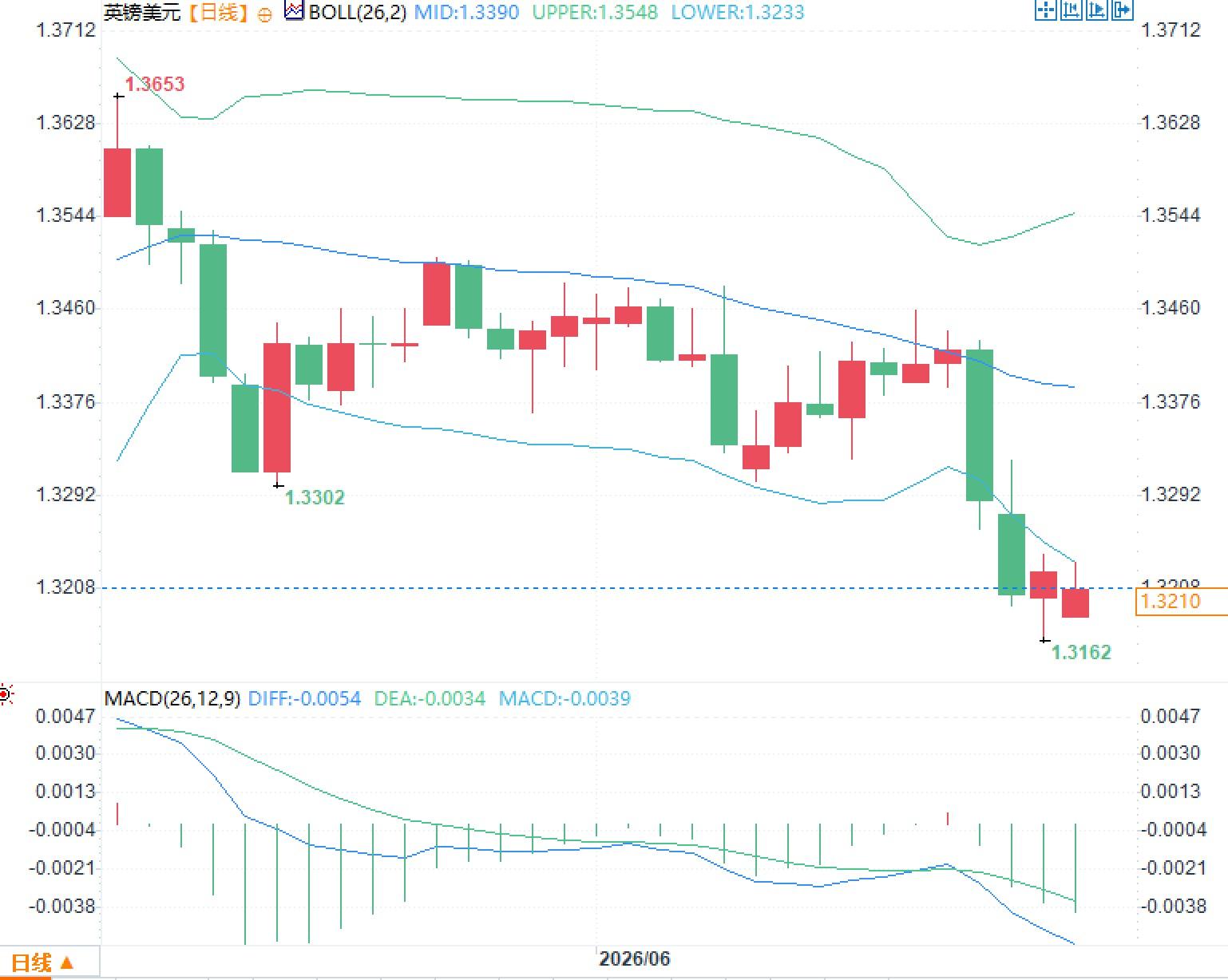
It is worth noting that rising political uncertainty often leads to an increase in the allocation of safe-haven assets, but the reaction in this round has been relatively mild, indicating that the market is still waiting for a clearer confirmation of the path of power transition.
The internal discussions within the ruling party regarding the transfer of power have evolved from a simple personnel issue to a matter of restructuring the governance structure. Some members favor a rapid transition to reduce the costs of uncertainty, while others worry about the potential governance risks posed by a new leadership whose policies have not been fully validated.
Meanwhile, disagreements among different policy factions on fiscal policy, immigration policy, and public service spending pose challenges to future policy consistency. This increased internal coordination cost will be directly reflected in decreased policy implementation efficiency and further impact market expectations for the medium-term growth path.
Question 1: What is the core risk of this political change?
A: The core risk lies in the increased uncertainty of policy path brought about by the possible change of leadership, especially the possible adjustment of fiscal discipline and expenditure structure, which will affect the long-term financing environment and market risk pricing.
Question 2: Through which channels does the market primarily reflect the impact of this event?
A: It is mainly reflected through three paths: exchange rate fluctuations, changes in long-term government bond yields, and sector rotation, among which changes in the yield curve are the most sensitive.
Question 3: What are the most important variables for the market to focus on in the short term?
A: The key lies in whether the timetable for the transfer of power is clear and whether the policy framework of the new leadership is formed quickly, which will determine whether market volatility will continue to rise.
A Political Cycle Breakdown and a Reassessment of Institutional Stability
The key to the current situation lies not in the fate of a single leader, but in the structural changes that could lead to the UK entering its seventh prime ministerial cycle in the near future. The frequent changes of leadership over the past decade have created a path dependency, making policy continuity a long-term market variable. The unique aspect of this round of changes lies in the accelerated power restructuring driven by the ruling party, which has partially weakened the constraints of the traditional electoral cycle through internal political maneuvering.
From a pricing perspective, a decline in political stability typically occurs through three pathways: rising government debt financing costs, delayed long-term investment decisions, and adjustments in foreign investment allocation weights. The current market reaction leans more towards an expectation adjustment phase than a liquidity shock phase, but there are signs of an increase in the central volatility level.
The impact of leadership transition on policy expectations.
The policy framework established by the Starmer government after the 2024 election essentially relied on a strong parliamentary majority and expectations of fiscal discipline. However, local election losses and declining internal support have caused a significant dip in the policy implementation curve.
While the policy orientation of potential successor Burnham is not yet fully clear, the market is more focused on the potential shift in the direction of fiscal redistribution. This uncertainty regarding the fiscal path directly impacts the slope of the Treasury yield curve, particularly the potential repricing of medium- and long-term term premiums.
In addition, the expectation that the position of the chief treasurer may change concurrently has led the market to discount the continuity of the future budget framework, a factor that is gradually being embedded in the pricing system of interest rate derivatives.
The capital market's repricing mechanism for political risk
In terms of asset price performance, the market typically reflects political risk through three types of tools: currency exchange rate fluctuations, changes in long-term government bond yields, and sector rotation in the stock market.
In the current context, the foreign exchange market is more sensitive to policy uncertainty, while the bond market is more focused on changes in the probability of a loosening of fiscal discipline. In the stock market, the divergence in expectations among public services, infrastructure, and financial sectors is widening, reflecting advance positioning by funds in anticipation of changes in policy direction.
It is worth noting that rising political uncertainty often leads to an increase in the allocation of safe-haven assets, but the reaction in this round has been relatively mild, indicating that the market is still waiting for a clearer confirmation of the path of power transition.
The power struggle structure and rising costs of intra-party coordination
The internal discussions within the ruling party regarding the transfer of power have evolved from a simple personnel issue to a matter of restructuring the governance structure. Some members favor a rapid transition to reduce the costs of uncertainty, while others worry about the potential governance risks posed by a new leadership whose policies have not been fully validated.
Meanwhile, disagreements among different policy factions on fiscal policy, immigration policy, and public service spending pose challenges to future policy consistency. This increased internal coordination cost will be directly reflected in decreased policy implementation efficiency and further impact market expectations for the medium-term growth path.
Five Frequently Asked Questions
Question 1: What is the core risk of this political change?
A: The core risk lies in the increased uncertainty of policy path brought about by the possible change of leadership, especially the possible adjustment of fiscal discipline and expenditure structure, which will affect the long-term financing environment and market risk pricing.
Question 2: Through which channels does the market primarily reflect the impact of this event?
A: It is mainly reflected through three paths: exchange rate fluctuations, changes in long-term government bond yields, and sector rotation, among which changes in the yield curve are the most sensitive.
Question 3: What are the most important variables for the market to focus on in the short term?
A: The key lies in whether the timetable for the transfer of power is clear and whether the policy framework of the new leadership is formed quickly, which will determine whether market volatility will continue to rise.
- Risk Warning and Disclaimer
- The market involves risk, and trading may not be suitable for all investors. This article is for reference only and does not constitute personal investment advice, nor does it take into account certain users’ specific investment objectives, financial situation, or other needs. Any investment decisions made based on this information are at your own risk.