Oil prices continue to fall: Trump defies opposition within his party, using Middle East compromises to gain voter support.
2026-06-24 22:04:09
On Wednesday (June 24) during the Asian and European sessions, oil prices continued to fall recently, as Trump regained some ground in the midterm elections.
Trump’s recent “astonishing concessions” on Iran and the “strong backlash” within the Republican Party are seamlessly interwoven with the rise of the far left of the New York Democratic Party, demonstrating layer by layer how this seemingly backyard crisis has, in turn, handed the initiative in the November midterm elections back to Trump’s reach.
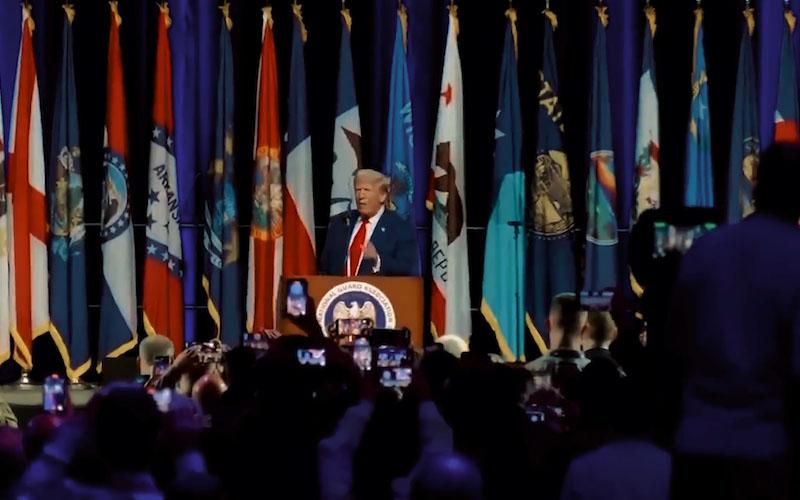
As we pass the halfway point of 2026, the political balance in Washington is undergoing a complex and dramatic shift.
President Trump, known for his "maximum pressure" approach, surprisingly offered a "moderate solution" on the Iran issue: lifting oil sanctions and providing $300 billion in reconstruction funds.
This "dovish concession," strikingly similar to Obama's 2015 Iran nuclear deal, instantly ignited a firestorm on Capitol Hill, prompting a united front of Republican traditional security hawks and fiscal conservatives to turn against it.
However, focusing solely on this "tea cup storm" in the Republican backyard could easily lead to a misjudgment of the national picture in the November midterm elections.
Behind this seemingly unfavorable intra-party conflict, the "deep blue civil war" erupting in the Democratic Party's New York stronghold is quietly building an impregnable election defense for Trump, keeping the outcome of the entire midterm election firmly within Trump's reach.
It must be objectively recognized that the anger of congressional Republicans towards Trump is essentially an establishment battle over the "right to know" and "fiscal cuts," rather than a complete break with grassroots voters.
Lindsey Graham and other hawkish lawmakers, including Don Bacon, condemned the White House for "strategic weakness" and betrayal of Israel.
Freedom Caucus member Burleigh, however, is blocking the Pentagon’s $78 billion contingency operational budget, demanding that the U.S. military conduct a full-domain compliance audit first.
The underlying logic of this game is that Congress cannot accept the White House's approach of bypassing legislative review and exerting pressure unilaterally.
But for the core Republican voters at the grassroots level—especially Christian evangelicals who have a staunch support for Israel based on the religious "apocalyptic scenario"—Trump's "chosen one" absolution still works.
As long as Trump maintains his strongman stance of "being ready to flip the table and restart airstrikes at any time," there is absolutely no possibility that this core base will defect in November.
In contrast to the Republican Party's policy divisions, which are limited to the upper echelons of Congress, the Democratic Party is experiencing a fundamental structural infighting.
In Tuesday's New York Democratic primary, Zohran Mamdani, the 34-year-old leader of the Democratic Socialist movement and mayor of New York City, led the progressive camp to a complete annihilation of the party's establishment.
Avila Shevalli, who spearheaded Columbia University's support for Palestinian protests against Israel, and Brad Rand, who has a strong affinity for democratic socialism, unexpectedly ousted two sitting members of the House of Representatives.
House Democratic Leader Hakim Jeffries personally campaigned on the issue, but ultimately still suffered a complete defeat.
This comprehensive leftward shift within the deep blue camp is tantamount to a catastrophe for the Democratic Party's national base:
The Mamdani faction's complete victory directly confirms the Republican Party's long-standing characterization of the Democratic Party as "radical, socialist, and anti-Israel."
Panic among swing voters: Left-wing winners who openly called for “genocide” on the Gaza issue and advocated for radical housing policies will become the perfect “negative examples” for Trump when he advertises in key swing states such as Pennsylvania and Wisconsin, directly scaring away suburban middle-class and independent voters who are tired of ideological fanaticism.
The New York Democratic branch's "big win" in deep blue districts turned into a "big loss" when they faced Trump in swing states.
In this grand political calculation, the reason why Trump dared to push through the ceasefire memorandum despite the accusations of betraying allies and showing weakness to Tehran is because he understands better than anyone the ultimate iron law of American elections: at the critical juncture of the midterm elections, the thunderous gunfire in the Middle East can never outweigh the numbers at gas stations; suppressing inflation and oil prices is the White House's top priority.
The long-standing military standoff between the US and Iran and the obstruction of shipping routes in the Strait of Hormuz are the fundamental powder keg that has led to persistently high core inflation in the US and widespread discontent among independent voters over the government in recent times.
The reason why Trump was willing to use $300 billion in reconstruction funds and lift oil sanctions in exchange for 60 days of consultations between the US and Iran is essentially to use a geopolitical "strategic retreat" to offset the "fatal flaws" in the domestic economy.
Following the official announcement of the first round of framework agreements, international crude oil prices immediately plummeted. For American commuters who are under daily pressure, this is a more convincing and tangible benefit than any diplomatic rhetoric.
By short-term "cutting off" parts of Israel's hardline stance, Trump successfully transformed geopolitical advantages into a domestic economic remedy.
As long as oil prices remain firmly within a moderate range before the November election, independent voters in swing states who hold the decisive votes will cast their ballots for a strongman government that can afford to fill up their tanks.
This seemingly self-inflicted concession in the Middle East is actually an extremely realistic maneuver by Trump to leverage low oil prices and internal strife within the Democratic Party's left wing, securing his victory in the midterm elections ahead of time.
Red State die-hards (evangelicals): They are already deeply bound to us and won't leave no matter what we do.
Congressional hawks (Graham, etc.): They think he backed down, but when it comes to the election, he still has to obediently return to the side in order to fight against the Democrats.
Independent voters (swing states): Vote for whoever can bring down oil prices and whoever can prevent the United States from getting bogged down in the Middle East.
Therefore, Trump's strategy of sacrificing a portion of his hardline stance on Israel in exchange for peace and lower oil prices is, from a political mathematical perspective, a "sure-win" deal. He's using the privilege of having a loyal base in red states that he'll never lose to gamble on the hard-earned money of independent voters in swing states. This is precisely where his brilliance and worldliness lie.
Trump’s recent “astonishing concessions” on Iran and the “strong backlash” within the Republican Party are seamlessly interwoven with the rise of the far left of the New York Democratic Party, demonstrating layer by layer how this seemingly backyard crisis has, in turn, handed the initiative in the November midterm elections back to Trump’s reach.
A major reshuffle in the 2026 midterm elections: Trump's "Middle East gamble" and the Democrats' "deep blue civil war."
As we pass the halfway point of 2026, the political balance in Washington is undergoing a complex and dramatic shift.
President Trump, known for his "maximum pressure" approach, surprisingly offered a "moderate solution" on the Iran issue: lifting oil sanctions and providing $300 billion in reconstruction funds.
This "dovish concession," strikingly similar to Obama's 2015 Iran nuclear deal, instantly ignited a firestorm on Capitol Hill, prompting a united front of Republican traditional security hawks and fiscal conservatives to turn against it.
However, focusing solely on this "tea cup storm" in the Republican backyard could easily lead to a misjudgment of the national picture in the November midterm elections.
Behind this seemingly unfavorable intra-party conflict, the "deep blue civil war" erupting in the Democratic Party's New York stronghold is quietly building an impregnable election defense for Trump, keeping the outcome of the entire midterm election firmly within Trump's reach.
The Republican Party's internal conflict: a power struggle over unequal revenue sharing.
It must be objectively recognized that the anger of congressional Republicans towards Trump is essentially an establishment battle over the "right to know" and "fiscal cuts," rather than a complete break with grassroots voters.
Lindsey Graham and other hawkish lawmakers, including Don Bacon, condemned the White House for "strategic weakness" and betrayal of Israel.
Freedom Caucus member Burleigh, however, is blocking the Pentagon’s $78 billion contingency operational budget, demanding that the U.S. military conduct a full-domain compliance audit first.
The underlying logic of this game is that Congress cannot accept the White House's approach of bypassing legislative review and exerting pressure unilaterally.
But for the core Republican voters at the grassroots level—especially Christian evangelicals who have a staunch support for Israel based on the religious "apocalyptic scenario"—Trump's "chosen one" absolution still works.
As long as Trump maintains his strongman stance of "being ready to flip the table and restart airstrikes at any time," there is absolutely no possibility that this core base will defect in November.
The Democratic Party's Achilles' heel: A "bullet of public opinion" gifted by the rise of the New York left.
In contrast to the Republican Party's policy divisions, which are limited to the upper echelons of Congress, the Democratic Party is experiencing a fundamental structural infighting.
In Tuesday's New York Democratic primary, Zohran Mamdani, the 34-year-old leader of the Democratic Socialist movement and mayor of New York City, led the progressive camp to a complete annihilation of the party's establishment.
Avila Shevalli, who spearheaded Columbia University's support for Palestinian protests against Israel, and Brad Rand, who has a strong affinity for democratic socialism, unexpectedly ousted two sitting members of the House of Representatives.
House Democratic Leader Hakim Jeffries personally campaigned on the issue, but ultimately still suffered a complete defeat.
This comprehensive leftward shift within the deep blue camp is tantamount to a catastrophe for the Democratic Party's national base:
The Mamdani faction's complete victory directly confirms the Republican Party's long-standing characterization of the Democratic Party as "radical, socialist, and anti-Israel."
Panic among swing voters: Left-wing winners who openly called for “genocide” on the Gaza issue and advocated for radical housing policies will become the perfect “negative examples” for Trump when he advertises in key swing states such as Pennsylvania and Wisconsin, directly scaring away suburban middle-class and independent voters who are tired of ideological fanaticism.
The New York Democratic branch's "big win" in deep blue districts turned into a "big loss" when they faced Trump in swing states.
Ultimate Calculation: Lowering oil prices is the only true solution in the medium term.
In this grand political calculation, the reason why Trump dared to push through the ceasefire memorandum despite the accusations of betraying allies and showing weakness to Tehran is because he understands better than anyone the ultimate iron law of American elections: at the critical juncture of the midterm elections, the thunderous gunfire in the Middle East can never outweigh the numbers at gas stations; suppressing inflation and oil prices is the White House's top priority.
The long-standing military standoff between the US and Iran and the obstruction of shipping routes in the Strait of Hormuz are the fundamental powder keg that has led to persistently high core inflation in the US and widespread discontent among independent voters over the government in recent times.
The reason why Trump was willing to use $300 billion in reconstruction funds and lift oil sanctions in exchange for 60 days of consultations between the US and Iran is essentially to use a geopolitical "strategic retreat" to offset the "fatal flaws" in the domestic economy.
Following the official announcement of the first round of framework agreements, international crude oil prices immediately plummeted. For American commuters who are under daily pressure, this is a more convincing and tangible benefit than any diplomatic rhetoric.
By short-term "cutting off" parts of Israel's hardline stance, Trump successfully transformed geopolitical advantages into a domestic economic remedy.
As long as oil prices remain firmly within a moderate range before the November election, independent voters in swing states who hold the decisive votes will cast their ballots for a strongman government that can afford to fill up their tanks.
This seemingly self-inflicted concession in the Middle East is actually an extremely realistic maneuver by Trump to leverage low oil prices and internal strife within the Democratic Party's left wing, securing his victory in the midterm elections ahead of time.
Trump is very clear about his voter structure:
Red State die-hards (evangelicals): They are already deeply bound to us and won't leave no matter what we do.
Congressional hawks (Graham, etc.): They think he backed down, but when it comes to the election, he still has to obediently return to the side in order to fight against the Democrats.
Independent voters (swing states): Vote for whoever can bring down oil prices and whoever can prevent the United States from getting bogged down in the Middle East.
Therefore, Trump's strategy of sacrificing a portion of his hardline stance on Israel in exchange for peace and lower oil prices is, from a political mathematical perspective, a "sure-win" deal. He's using the privilege of having a loyal base in red states that he'll never lose to gamble on the hard-earned money of independent voters in swing states. This is precisely where his brilliance and worldliness lie.
- Risk Warning and Disclaimer
- The market involves risk, and trading may not be suitable for all investors. This article is for reference only and does not constitute personal investment advice, nor does it take into account certain users’ specific investment objectives, financial situation, or other needs. Any investment decisions made based on this information are at your own risk.