Silver has tested a second bottom; a short-term oversold rebound is possible?
2026-06-30 15:10:06
Silver prices continued their weak performance during the Asian trading session, briefly dipping to around $56.60 per ounce before a technical rebound. However, prices remained under pressure around $58.80 , with a daily gain exceeding 1%. Silver's current price action is still being pressured by both macroeconomic interest rate expectations and a strengthening US dollar.
From a fundamental perspective, the market's repricing of the Federal Reserve's monetary policy path continues to take effect. According to interest rate futures markets, traders expect a near 80% probability of at least one rate hike by the Fed this year, a expectation that significantly suppresses the performance of non-yielding assets. Since silver itself does not generate interest income, its attractiveness as an investment has clearly decreased in a high-interest-rate environment, becoming a key reason for its recent continued weakness.
Meanwhile, the market is awaiting further confirmation from US labor market data. The upcoming JOLTS job openings data is expected to show around 7.3 million , a slight decrease from the previous figure, but still at a relatively high level overall. This week's more crucial US non-farm payroll data will be the core variable determining the short-term direction of the dollar and interest rate expectations.
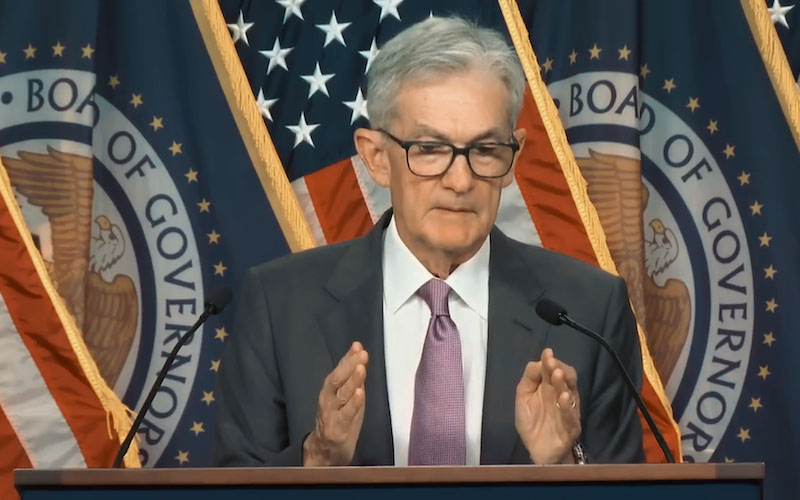
At the policy level, the statements from the new Federal Reserve Chairman reinforced the view that "the applicability of forward guidance is declining," making the market more reliant on data-driven adjustments to interest rate expectations. Against this backdrop, marginal changes in employment data have a significantly amplified impact on precious metal prices.
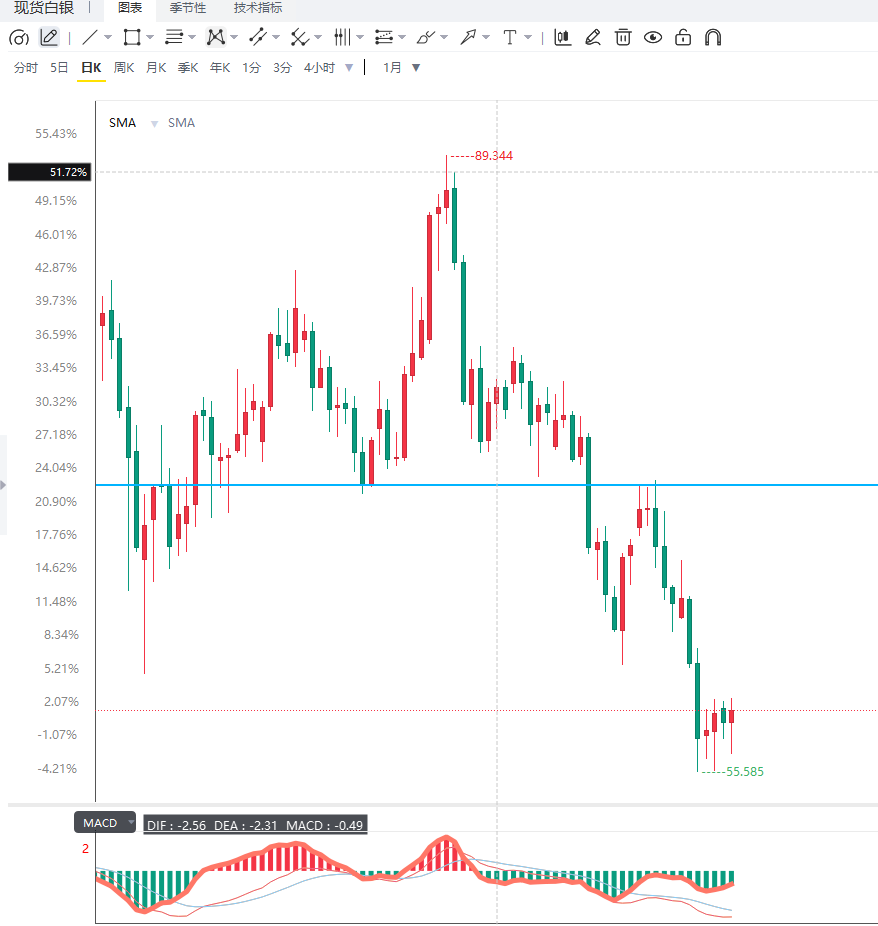
From a market structure perspective, silver has clearly broken below the $64 area near the 20-day exponential moving average (EMA), indicating that the short-to-medium-term trend has turned bearish and is currently in a technically weak channel. The current price is far from the moving average system, suggesting that while the downward momentum has slowed somewhat, the overall market is still dominated by bears.
From a daily chart perspective, silver is currently in a continuation phase of its mid-term correction. After breaking through key support, the price entered a low-level consolidation range following an accelerated decline. The current key support level is around $54.80 , a previous significant structural low. A break below this level could open up further downside potential towards the $50 psychological level. Initial resistance is at $61.00 , with stronger resistance concentrated in the $64.50–$65.00 area, which also coincides with a dense resistance zone of the 20-day moving average.
From a 4-hour chart perspective, silver's short-term structure remains weak. The moving average system maintains a bearish alignment, but the downward slope has slowed. The RSI indicator is nearing oversold territory, indicating a short-term technical correction is needed, but the upside potential remains limited. If the price fails to rise above $60, the overall weak structure will be difficult to change; a break below $54.80 could trigger a new round of accelerated decline.
Editor's Summary:
In summary, silver's current price movement is primarily constrained by the strengthening expectations of a Fed rate hike and a stronger dollar, further reinforcing the downward pressure on non-interest-bearing assets. Although short-term technical indicators show signs of oversold correction, the overall trend remains bearish. The market's short-term focus is on the repricing impact of US employment data on interest rate expectations. Before the data release, silver is likely to maintain a low-level, weak, and volatile trading pattern. In the medium term, if interest rate expectations remain hawkish, silver still faces further downside risks, with $54.80 becoming a key support/resistance level.
From a fundamental perspective, the market's repricing of the Federal Reserve's monetary policy path continues to take effect. According to interest rate futures markets, traders expect a near 80% probability of at least one rate hike by the Fed this year, a expectation that significantly suppresses the performance of non-yielding assets. Since silver itself does not generate interest income, its attractiveness as an investment has clearly decreased in a high-interest-rate environment, becoming a key reason for its recent continued weakness.
Meanwhile, the market is awaiting further confirmation from US labor market data. The upcoming JOLTS job openings data is expected to show around 7.3 million , a slight decrease from the previous figure, but still at a relatively high level overall. This week's more crucial US non-farm payroll data will be the core variable determining the short-term direction of the dollar and interest rate expectations.
At the policy level, the statements from the new Federal Reserve Chairman reinforced the view that "the applicability of forward guidance is declining," making the market more reliant on data-driven adjustments to interest rate expectations. Against this backdrop, marginal changes in employment data have a significantly amplified impact on precious metal prices.
From a market structure perspective, silver has clearly broken below the $64 area near the 20-day exponential moving average (EMA), indicating that the short-to-medium-term trend has turned bearish and is currently in a technically weak channel. The current price is far from the moving average system, suggesting that while the downward momentum has slowed somewhat, the overall market is still dominated by bears.
From a daily chart perspective, silver is currently in a continuation phase of its mid-term correction. After breaking through key support, the price entered a low-level consolidation range following an accelerated decline. The current key support level is around $54.80 , a previous significant structural low. A break below this level could open up further downside potential towards the $50 psychological level. Initial resistance is at $61.00 , with stronger resistance concentrated in the $64.50–$65.00 area, which also coincides with a dense resistance zone of the 20-day moving average.
From a 4-hour chart perspective, silver's short-term structure remains weak. The moving average system maintains a bearish alignment, but the downward slope has slowed. The RSI indicator is nearing oversold territory, indicating a short-term technical correction is needed, but the upside potential remains limited. If the price fails to rise above $60, the overall weak structure will be difficult to change; a break below $54.80 could trigger a new round of accelerated decline.
Editor's Summary:
In summary, silver's current price movement is primarily constrained by the strengthening expectations of a Fed rate hike and a stronger dollar, further reinforcing the downward pressure on non-interest-bearing assets. Although short-term technical indicators show signs of oversold correction, the overall trend remains bearish. The market's short-term focus is on the repricing impact of US employment data on interest rate expectations. Before the data release, silver is likely to maintain a low-level, weak, and volatile trading pattern. In the medium term, if interest rate expectations remain hawkish, silver still faces further downside risks, with $54.80 becoming a key support/resistance level.
- Risk Warning and Disclaimer
- The market involves risk, and trading may not be suitable for all investors. This article is for reference only and does not constitute personal investment advice, nor does it take into account certain users’ specific investment objectives, financial situation, or other needs. Any investment decisions made based on this information are at your own risk.