The yen hit a new low against the dollar since 1986, sharply increasing the risk of Japanese intervention.
2026-07-01 11:42:16
On Wednesday (July 1), the foreign exchange market saw a significant breakout, with the USD/JPY pair continuing its strong upward momentum from the previous trading day, reaching a new multi-decade high. As of 11:40, the pair had reached a high of 162.84.
The continued strengthening of the exchange rate is due to a confluence of factors, including the significant divergence in monetary policies between the US and Japan, a shift in market expectations for interest rate hikes, and geopolitical disturbances. At the same time, the continued depreciation of the yen has also increased the risk of Japanese government intervention in the foreign exchange market, becoming a core focus of the current foreign exchange market.
The current strong rally in the USD/JPY exchange rate has been remarkably sustained. As of Wednesday's trading session, the exchange rate has stabilized near the 162.70 level, marking three consecutive days of gains. Overall market sentiment is bullish, while traders are highly vigilant for any potential sudden market intervention by the Japanese government.
Faced with the continued irrational depreciation of the yen, Japanese officials have repeatedly issued warning signals. On Tuesday, Chief Cabinet Secretary Minoru Kihara publicly stated that Japan is fully prepared and will take necessary regulatory measures in the foreign exchange market according to market conditions.
At the same time, Japanese Finance Minister Satsuki Katayama also issued a statement to stabilize the market, stating that the Japanese government would take appropriate measures to address any abnormal fluctuations in the exchange rate. However, given the significant interest rate differential between the US and Japan, Japan's repeated verbal interventions failed to alter the market trend, the pressure on the yen to depreciate was not effectively alleviated, and the exchange rate continued its strong downward trend.
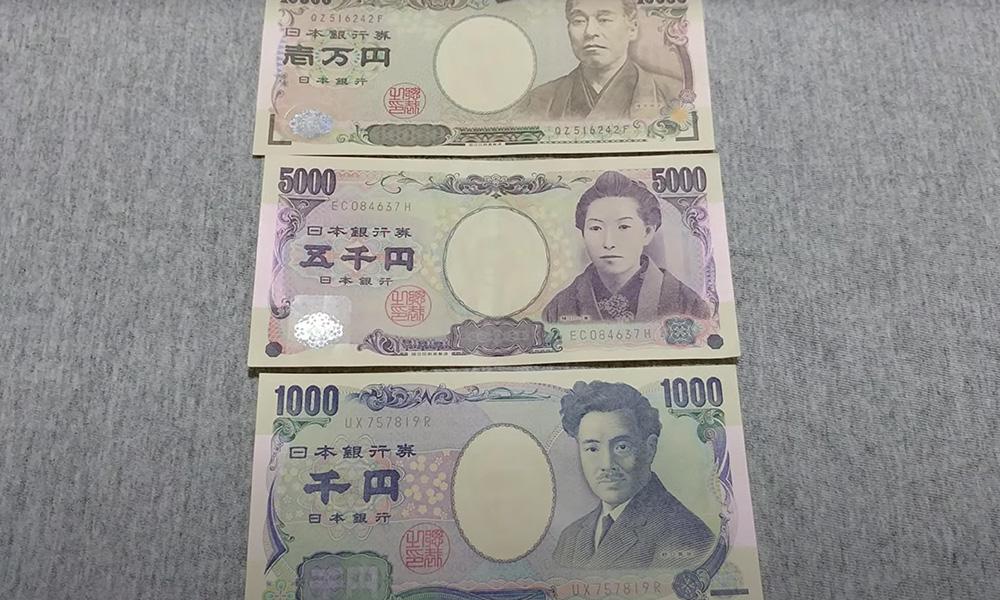
The significant differences in monetary policy between the US and Japan are the fundamental underlying logic behind the current appreciation of the US dollar against the Japanese yen.
The Bank of Japan raised its benchmark interest rate to 1% in June, the highest level since 1995, and will continue to steadily advance the normalization of monetary policy. In contrast, the Federal Reserve has maintained its benchmark interest rate range at 3.5% to 3.75%, but market expectations for further rate hikes by the Fed continue to rise.
The persistently high interest rate differential has fueled the continued popularity of yen carry trades, becoming a key driver of the bullish USD/JPY exchange rate . Coupled with the dollar's own periodic strengthening, this has consistently pushed the USD/JPY exchange rate to new highs, making the bullish trend in the market very solid.
CME Group interest rate monitoring data shows that the market expects the probability of the Federal Reserve raising interest rates this year to be as high as 83%, further solidifying the fundamental support for the strengthening of the US dollar.
External market conditions further contributed to the strengthening of the US dollar. Recently, the US and Iran have accused each other of violating the interim agreement reached in June, escalating regional uncertainty and intensifying risk aversion in global markets.
Meanwhile, the latest U.S. job openings and labor mobility survey data confirms the resilience of the U.S. labor market and the robust performance of the economic fundamentals, thoroughly solidifying market expectations for the Federal Reserve to tighten monetary policy and providing solid support for the continued appreciation of the dollar.
The market will enter a period of intensive data releases and policy statements in the short term, which may further amplify market volatility.
On Wednesday evening Beijing time, Federal Reserve Chairman Kevin Warsh will appear at the European Central Bank Forum in Sintra, Portugal, and his policy statements will directly influence market expectations for interest rate hikes. Meanwhile, the US will release ADP private sector employment data and the ISM Manufacturing Purchasing Managers' Index, guiding the dollar's movement in North American trading. The US non-farm payroll data, due at 20:30 Beijing time on Thursday, will be the core factor determining the medium-term trend of the USD/JPY exchange rate.
Overall, the USD/JPY pair is currently in a clear bullish trend, with the interest rate differential, economic fundamentals differences, and geopolitical risks all contributing to its continued rise to new highs. Despite ongoing intervention signals from the Japanese government, it is unlikely to reverse the market trend in the short term.
Going forward, we need to pay close attention to speeches by Federal Reserve officials and a series of key US economic data, while also being wary of the risk of a market reversal caused by sudden intervention in the Japanese foreign exchange market.
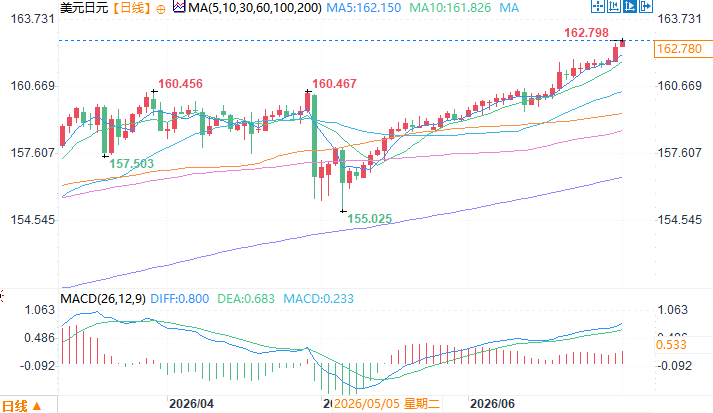
USD/JPY Daily Chart Source: EasyForex
At 11:41 AM Beijing time on July 1, the USD/JPY exchange rate was 162.78/79.
The continued strengthening of the exchange rate is due to a confluence of factors, including the significant divergence in monetary policies between the US and Japan, a shift in market expectations for interest rate hikes, and geopolitical disturbances. At the same time, the continued depreciation of the yen has also increased the risk of Japanese government intervention in the foreign exchange market, becoming a core focus of the current foreign exchange market.
The yen continues to weaken, and verbal intervention by the authorities has had little effect.
The current strong rally in the USD/JPY exchange rate has been remarkably sustained. As of Wednesday's trading session, the exchange rate has stabilized near the 162.70 level, marking three consecutive days of gains. Overall market sentiment is bullish, while traders are highly vigilant for any potential sudden market intervention by the Japanese government.
Faced with the continued irrational depreciation of the yen, Japanese officials have repeatedly issued warning signals. On Tuesday, Chief Cabinet Secretary Minoru Kihara publicly stated that Japan is fully prepared and will take necessary regulatory measures in the foreign exchange market according to market conditions.
At the same time, Japanese Finance Minister Satsuki Katayama also issued a statement to stabilize the market, stating that the Japanese government would take appropriate measures to address any abnormal fluctuations in the exchange rate. However, given the significant interest rate differential between the US and Japan, Japan's repeated verbal interventions failed to alter the market trend, the pressure on the yen to depreciate was not effectively alleviated, and the exchange rate continued its strong downward trend.
The divergence in monetary policies between the US and Japan has laid the foundation for the core pattern of exchange rate movements.
The significant differences in monetary policy between the US and Japan are the fundamental underlying logic behind the current appreciation of the US dollar against the Japanese yen.
The Bank of Japan raised its benchmark interest rate to 1% in June, the highest level since 1995, and will continue to steadily advance the normalization of monetary policy. In contrast, the Federal Reserve has maintained its benchmark interest rate range at 3.5% to 3.75%, but market expectations for further rate hikes by the Fed continue to rise.
The persistently high interest rate differential has fueled the continued popularity of yen carry trades, becoming a key driver of the bullish USD/JPY exchange rate . Coupled with the dollar's own periodic strengthening, this has consistently pushed the USD/JPY exchange rate to new highs, making the bullish trend in the market very solid.
CME Group interest rate monitoring data shows that the market expects the probability of the Federal Reserve raising interest rates this year to be as high as 83%, further solidifying the fundamental support for the strengthening of the US dollar.
Geopolitical and economic data converge, reinforcing expectations of a strong US dollar.
External market conditions further contributed to the strengthening of the US dollar. Recently, the US and Iran have accused each other of violating the interim agreement reached in June, escalating regional uncertainty and intensifying risk aversion in global markets.
Meanwhile, the latest U.S. job openings and labor mobility survey data confirms the resilience of the U.S. labor market and the robust performance of the economic fundamentals, thoroughly solidifying market expectations for the Federal Reserve to tighten monetary policy and providing solid support for the continued appreciation of the dollar.
A flurry of important data releases are set to test the market's future performance.
The market will enter a period of intensive data releases and policy statements in the short term, which may further amplify market volatility.
On Wednesday evening Beijing time, Federal Reserve Chairman Kevin Warsh will appear at the European Central Bank Forum in Sintra, Portugal, and his policy statements will directly influence market expectations for interest rate hikes. Meanwhile, the US will release ADP private sector employment data and the ISM Manufacturing Purchasing Managers' Index, guiding the dollar's movement in North American trading. The US non-farm payroll data, due at 20:30 Beijing time on Thursday, will be the core factor determining the medium-term trend of the USD/JPY exchange rate.
Summarize
Overall, the USD/JPY pair is currently in a clear bullish trend, with the interest rate differential, economic fundamentals differences, and geopolitical risks all contributing to its continued rise to new highs. Despite ongoing intervention signals from the Japanese government, it is unlikely to reverse the market trend in the short term.
Going forward, we need to pay close attention to speeches by Federal Reserve officials and a series of key US economic data, while also being wary of the risk of a market reversal caused by sudden intervention in the Japanese foreign exchange market.
USD/JPY Daily Chart Source: EasyForex
At 11:41 AM Beijing time on July 1, the USD/JPY exchange rate was 162.78/79.
- Risk Warning and Disclaimer
- The market involves risk, and trading may not be suitable for all investors. This article is for reference only and does not constitute personal investment advice, nor does it take into account certain users’ specific investment objectives, financial situation, or other needs. Any investment decisions made based on this information are at your own risk.