Computing power consumes a lot of electricity, and the load on the PJM power grid in the United States is approaching historical extremes.
2026-07-06 10:59:52
Extreme heatwaves swept across the eastern United States, with the electricity load of the PJM regional power grid, the largest in the country, approaching the historical peak of 2006, resulting in an extremely tight power supply and demand situation.
Behind this surge in electricity consumption, the rigid electricity demand from the continuous expansion of data centers is the long-term core driver. This not only drives up real-time electricity prices and reduces grid reserve capacity, but also significantly increases long-term capacity market costs, ultimately borne by ordinary residents. To safeguard the electricity needs of residents and healthcare providers, the U.S. Department of Energy urgently issued its third Power Emergency Directive of the year, granting the grid dispatcher multiple mandatory control powers. In the short term, emergency units and staggered peak hours for residents can mitigate regional power outages, but the long-term electricity shortage will continue to widen.
PJM, short for PJM Interconnection, LLC, is the largest regional transmission organization (RTO) in the United States and a core global organization. It is independently regulated by the Federal Energy Regulatory Commission (FERC) and is a non-profit, neutral operating entity.
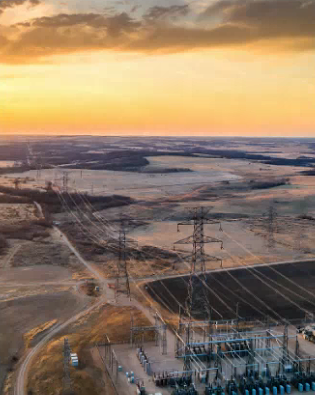
The PJM interconnected power grid, covering 13 states and Washington, D.C., and serving 67 million people, is being hit by a severe heatwave. A widespread heat dome has caused wind chill temperatures in many areas to exceed 110 degrees Fahrenheit (approximately 40.2°C). Last Thursday, the grid's peak instantaneous power consumption reached 163 gigawatts, just shy of the historical record of 165.5 gigawatts set in 2006. Last Wednesday's peak load of 161,910 megawatts also reached a record high. Weather forecasts indicate the heatwave will continue into the Independence Day holiday, with wind chill temperatures in parts of the mid-Atlantic reaching 115 degrees Fahrenheit (approximately 41.9°C), and power demand is expected to continue rising.
Power data monitoring shows that on Thursday last week, the local daytime electricity price exceeded $2,000 per megawatt-hour, and the benchmark electricity price in the western hub nearly tripled compared to the peak of the same period last year. The grid's emergency reserve capacity was halved to 5,091 megawatts in a single day. If a generator unit suddenly disconnects from the grid, the grid will not have enough buffer space to cope with the gap.
The current power supply structure in the United States is mainly based on natural gas, nuclear power, and coal power, with photovoltaic power accounting for only 6%, indicating a weak ability of new energy sources to provide short-term backup.
Last Tuesday, the U.S. Department of Energy issued its third Power Contingency Directive for 2026.
Energy Secretary Chris Wright stated that ensuring affordable, stable, and secure electricity supply within the region is the core bottom line.
This emergency policy includes two key measures: first, allowing thermal power plants to temporarily relax conventional pollutant emission restrictions to increase output; and second, establishing a safety net mechanism that requires large power consumers with peak loads of 50 MW or more to switch to their backup generators within 15 minutes of receiving notification during peak periods, prioritizing the freeing up of grid power for residential buildings and hospitals. Similar dispatch policies were implemented by the government during the power shortage periods of January (cold wave) and May (high temperatures coinciding with unit maintenance).
Almost all of the medium- and long-term electricity growth will come from computing power infrastructure.
PJM officially predicts that the region's peak demand will increase by 32 gigawatts from 2024 to 2030, of which only 2 gigawatts will come from ordinary residential and industrial users, while the rest will be generated by data centers.
Continued expansion has driven up transaction prices in the capacity market, with current unit prices more than 11 times higher than before. Independent market monitoring agencies estimate that 63% of the price increases are driven by electricity consumption for computing power, with a total of approximately $9.3 billion in new costs ultimately passed on to all electricity consumers.
Several local power companies in Maryland have issued energy-saving initiatives, encouraging residents to raise air conditioning temperatures, use high-power appliances during off-peak hours, and reduce indoor electricity consumption by cooking outdoors.
Thanks to the 18 gigawatts of rapid-start backup units, the power grid did not implement rotating power rationing during this extreme heat wave. However, computing power consumption is a long-term, rigid increase, and even without extreme heat waves, the region's peak electricity consumption in the next few years will likely surpass the recent historical record, making power supply and demand imbalance a regular problem.
In summary, this round of high temperatures has merely amplified the existing supply-demand imbalance in the PJM power grid. The continued expansion of data centers is the underlying reason for the long-term increase in electricity load. In the short term, relying on emergency emission relaxation, mandatory switching of computing power companies to their own power sources, and residential electricity conservation can temporarily alleviate the risk of power outages. However, the long-term power supply gap caused by computing power consumption and the upward pressure on electricity prices cannot be eliminated in the short term. Long-term expansion of the eastern power grid and transformation of the energy structure are imminent.
Behind this surge in electricity consumption, the rigid electricity demand from the continuous expansion of data centers is the long-term core driver. This not only drives up real-time electricity prices and reduces grid reserve capacity, but also significantly increases long-term capacity market costs, ultimately borne by ordinary residents. To safeguard the electricity needs of residents and healthcare providers, the U.S. Department of Energy urgently issued its third Power Emergency Directive of the year, granting the grid dispatcher multiple mandatory control powers. In the short term, emergency units and staggered peak hours for residents can mitigate regional power outages, but the long-term electricity shortage will continue to widen.
PJM, short for PJM Interconnection, LLC, is the largest regional transmission organization (RTO) in the United States and a core global organization. It is independently regulated by the Federal Energy Regulatory Commission (FERC) and is a non-profit, neutral operating entity.
Extreme high temperatures drive up instantaneous loads, pushing grid reserve capacity to near its limit.
The PJM interconnected power grid, covering 13 states and Washington, D.C., and serving 67 million people, is being hit by a severe heatwave. A widespread heat dome has caused wind chill temperatures in many areas to exceed 110 degrees Fahrenheit (approximately 40.2°C). Last Thursday, the grid's peak instantaneous power consumption reached 163 gigawatts, just shy of the historical record of 165.5 gigawatts set in 2006. Last Wednesday's peak load of 161,910 megawatts also reached a record high. Weather forecasts indicate the heatwave will continue into the Independence Day holiday, with wind chill temperatures in parts of the mid-Atlantic reaching 115 degrees Fahrenheit (approximately 41.9°C), and power demand is expected to continue rising.
Power data monitoring shows that on Thursday last week, the local daytime electricity price exceeded $2,000 per megawatt-hour, and the benchmark electricity price in the western hub nearly tripled compared to the peak of the same period last year. The grid's emergency reserve capacity was halved to 5,091 megawatts in a single day. If a generator unit suddenly disconnects from the grid, the grid will not have enough buffer space to cope with the gap.
The current power supply structure in the United States is mainly based on natural gas, nuclear power, and coal power, with photovoltaic power accounting for only 6%, indicating a weak ability of new energy sources to provide short-term backup.
The Department of Energy has activated emergency control measures, which can force large data centers to switch to their own power supplies.
Last Tuesday, the U.S. Department of Energy issued its third Power Contingency Directive for 2026.
Energy Secretary Chris Wright stated that ensuring affordable, stable, and secure electricity supply within the region is the core bottom line.
This emergency policy includes two key measures: first, allowing thermal power plants to temporarily relax conventional pollutant emission restrictions to increase output; and second, establishing a safety net mechanism that requires large power consumers with peak loads of 50 MW or more to switch to their backup generators within 15 minutes of receiving notification during peak periods, prioritizing the freeing up of grid power for residential buildings and hospitals. Similar dispatch policies were implemented by the government during the power shortage periods of January (cold wave) and May (high temperatures coinciding with unit maintenance).
Data centers are creating a long-term power shortage and driving up costs across the entire power supply chain.
Almost all of the medium- and long-term electricity growth will come from computing power infrastructure.
PJM officially predicts that the region's peak demand will increase by 32 gigawatts from 2024 to 2030, of which only 2 gigawatts will come from ordinary residential and industrial users, while the rest will be generated by data centers.
Continued expansion has driven up transaction prices in the capacity market, with current unit prices more than 11 times higher than before. Independent market monitoring agencies estimate that 63% of the price increases are driven by electricity consumption for computing power, with a total of approximately $9.3 billion in new costs ultimately passed on to all electricity consumers.
Short-term peak-shifting alleviates the crisis, but long-term load records will eventually be broken.
Several local power companies in Maryland have issued energy-saving initiatives, encouraging residents to raise air conditioning temperatures, use high-power appliances during off-peak hours, and reduce indoor electricity consumption by cooking outdoors.
Thanks to the 18 gigawatts of rapid-start backup units, the power grid did not implement rotating power rationing during this extreme heat wave. However, computing power consumption is a long-term, rigid increase, and even without extreme heat waves, the region's peak electricity consumption in the next few years will likely surpass the recent historical record, making power supply and demand imbalance a regular problem.
Summarize
In summary, this round of high temperatures has merely amplified the existing supply-demand imbalance in the PJM power grid. The continued expansion of data centers is the underlying reason for the long-term increase in electricity load. In the short term, relying on emergency emission relaxation, mandatory switching of computing power companies to their own power sources, and residential electricity conservation can temporarily alleviate the risk of power outages. However, the long-term power supply gap caused by computing power consumption and the upward pressure on electricity prices cannot be eliminated in the short term. Long-term expansion of the eastern power grid and transformation of the energy structure are imminent.
- Risk Warning and Disclaimer
- The market involves risk, and trading may not be suitable for all investors. This article is for reference only and does not constitute personal investment advice, nor does it take into account certain users’ specific investment objectives, financial situation, or other needs. Any investment decisions made based on this information are at your own risk.