Policy windows are opening one after another; analysis of the future performance of the US dollar, euro, and pound sterling.
2026-07-07 02:47:52
This week, the core focus of the foreign exchange market is on the Federal Reserve's policy direction. The first FOMC meeting minutes by new Fed Chairman Kevin Warsh are about to be released, providing key guidance for the dollar's trajectory. Combining the latest market data, central bank statements, and geopolitical policy expectations, the trends of major currencies this week are clear: the dollar remains resilient, the euro's rebound is limited, the pound's direction awaits a resolution to the UK political situation, and the yen continues to be affected by expectations of foreign exchange market intervention. Overall, the market exhibits a divergent pattern.
US Dollar: Hawkish minutes provide support, upside risks persist.
The US market reopened after a long holiday, resulting in relatively quiet trading in the overall foreign exchange market, with G7 currency volatility falling to long-term lows. As the summer trading off-season approaches, carry trade sentiment is heating up, while short-term US dollar deposit rates among G10 currencies remain high, meaning there is insufficient rationale to short the dollar, making it difficult for short positions to expand sustainably.
The weak US jobs data released on Thursday for June did not significantly pressure the dollar, highlighting its resilience. Looking at market fundamentals, short-term US interest rates have been trending upwards since April, and the money market's expectations for a Fed rate hike this year have continued to cool. Current pricing in a 31 basis point hike this year is a significant downward revision from the 43 basis point expectation at the end of last month, indicating a more rational market assessment of the Fed's monetary policy.
The key focus for the market this week is the release of the June FOMC meeting minutes on Wednesday, the first such minutes since Kevin Warsh took over as head of the Federal Reserve. The minutes maintain the concise and succinct writing style of the new team, with significantly reduced content, making it difficult for the market to discern policy disagreements among committee members. However, the core tone is likely to remain hawkish. After failing to achieve its price stability goal for five consecutive years, the Fed's policy focus has shifted back to controlling inflation, with most members inclined to leave open the possibility of further rate hikes, which will continue to support the US dollar.
The USD/JPY exchange rate has gradually stabilized. Last week, the Bank of Japan refrained from any foreign exchange market intervention during the holiday, pushing the USD/JPY exchange rate back up to the 162 level. This reflects the Japanese authorities' cautious approach to using their limited foreign exchange reserves, with a conservative intervention pace. However, market concerns about intervention have not completely subsided. The period leading up to the next public holiday in Japan, July 16-17, remains a potential window for intervention, which may limit the upside potential of the USD/JPY exchange rate.
The key focus today is the US June ISM Services Index. The data is expected to remain generally stable, in line with the US economic growth target of 2%. Meanwhile, the prices paid index is expected to decline from a four-year high, potentially providing a slight short-term relief from inflationary pressures. From a technical perspective, the US dollar index (DXY) has solid support at the 100.60 level, and its overall trend this week is biased towards the upside.
Euro: Upside potential limited; awaiting statements from central bank officials.
The euro is currently holding above 1.1400 against the US dollar, with its movements primarily influenced by global central bank policy expectations, geopolitical tensions, and volatility in the US stock market. Looking at ECB policy expectations, the market anticipates a less than 50% probability of a rate hike in September, but core inflation still carries the risk of recurring fluctuations and is likely to remain volatile at high levels in the coming months. It is difficult to say that inflationary pressures have completely subsided at this stage, and the ECB still retains room for monetary policy tightening.
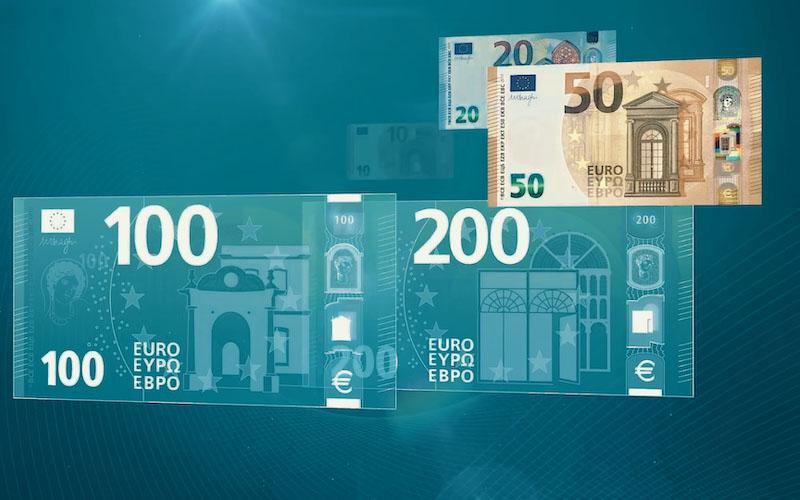
Several key ECB officials, including Isabelle Schnabel and Philip Lane, will deliver public speeches this week, and their policy statements will provide clear guidance for the short-term trend of the euro.
In terms of exchange rate movements, the US dollar strengthened overall this week, supported by hawkish expectations from the Federal Reserve, directly suppressing the euro's rebound momentum. The key short-term resistance level for the euro against the US dollar is at 1.1475, with limited upside potential. Before a clear signal of a new round of interest rate hikes from the Federal Reserve is established, the euro against the US dollar will likely remain range-bound between 1.13 and 1.14, and the market trend may not become fully clear until the end of this quarter.
British Pound: Political situation enters a critical window, with increased volatility risk in the near future.
The euro fell sharply against the pound last week, with its trend being quite indicative. The core driver of this decline was the accumulation of short positions in the pound, coupled with the decline in market volatility during the summer and the stabilization of exchange rates. The market was unwilling to continue bearing the pound's annual 2% financing cost, and the unwinding of carry trades further pressured the pound-related exchange rates. This trading logic will continue to dominate the market this week and is unlikely to reverse in the short term.
The political situation in the UK will be a key variable in the pound's exchange rate later this month. On July 20th, Andy Burnham, the MP for Markfield, is highly likely to become the new Prime Minister, followed by the announcement of the new Chancellor of the Exchequer. Currently, Energy Secretary Ed Miliband is the leading candidate for the position. His policy stance leans left, and the market widely expects him to abandon the gradual policy pace of the previous administrations of Starmer and Reeves, potentially adopting a more aggressive fiscal policy approach.
However, fundamental constraints are significant, and without new tax revenues, the UK's fiscal room for adjustment is extremely limited. Coupled with market expectations that the Bank of England is likely to maintain its interest rate unchanged this year and will not raise it, these multiple negative factors suggest that the recent rally in the pound may face downward pressure.
In the short term, technically, attention should be paid to the 0.8545 support level for the euro against the pound. Whether this level can be held will determine the short-term trend of the pound before the next round of political developments.
US Dollar: Hawkish minutes provide support, upside risks persist.
The US market reopened after a long holiday, resulting in relatively quiet trading in the overall foreign exchange market, with G7 currency volatility falling to long-term lows. As the summer trading off-season approaches, carry trade sentiment is heating up, while short-term US dollar deposit rates among G10 currencies remain high, meaning there is insufficient rationale to short the dollar, making it difficult for short positions to expand sustainably.
The weak US jobs data released on Thursday for June did not significantly pressure the dollar, highlighting its resilience. Looking at market fundamentals, short-term US interest rates have been trending upwards since April, and the money market's expectations for a Fed rate hike this year have continued to cool. Current pricing in a 31 basis point hike this year is a significant downward revision from the 43 basis point expectation at the end of last month, indicating a more rational market assessment of the Fed's monetary policy.
The key focus for the market this week is the release of the June FOMC meeting minutes on Wednesday, the first such minutes since Kevin Warsh took over as head of the Federal Reserve. The minutes maintain the concise and succinct writing style of the new team, with significantly reduced content, making it difficult for the market to discern policy disagreements among committee members. However, the core tone is likely to remain hawkish. After failing to achieve its price stability goal for five consecutive years, the Fed's policy focus has shifted back to controlling inflation, with most members inclined to leave open the possibility of further rate hikes, which will continue to support the US dollar.
The USD/JPY exchange rate has gradually stabilized. Last week, the Bank of Japan refrained from any foreign exchange market intervention during the holiday, pushing the USD/JPY exchange rate back up to the 162 level. This reflects the Japanese authorities' cautious approach to using their limited foreign exchange reserves, with a conservative intervention pace. However, market concerns about intervention have not completely subsided. The period leading up to the next public holiday in Japan, July 16-17, remains a potential window for intervention, which may limit the upside potential of the USD/JPY exchange rate.
The key focus today is the US June ISM Services Index. The data is expected to remain generally stable, in line with the US economic growth target of 2%. Meanwhile, the prices paid index is expected to decline from a four-year high, potentially providing a slight short-term relief from inflationary pressures. From a technical perspective, the US dollar index (DXY) has solid support at the 100.60 level, and its overall trend this week is biased towards the upside.
Euro: Upside potential limited; awaiting statements from central bank officials.
The euro is currently holding above 1.1400 against the US dollar, with its movements primarily influenced by global central bank policy expectations, geopolitical tensions, and volatility in the US stock market. Looking at ECB policy expectations, the market anticipates a less than 50% probability of a rate hike in September, but core inflation still carries the risk of recurring fluctuations and is likely to remain volatile at high levels in the coming months. It is difficult to say that inflationary pressures have completely subsided at this stage, and the ECB still retains room for monetary policy tightening.
Several key ECB officials, including Isabelle Schnabel and Philip Lane, will deliver public speeches this week, and their policy statements will provide clear guidance for the short-term trend of the euro.
In terms of exchange rate movements, the US dollar strengthened overall this week, supported by hawkish expectations from the Federal Reserve, directly suppressing the euro's rebound momentum. The key short-term resistance level for the euro against the US dollar is at 1.1475, with limited upside potential. Before a clear signal of a new round of interest rate hikes from the Federal Reserve is established, the euro against the US dollar will likely remain range-bound between 1.13 and 1.14, and the market trend may not become fully clear until the end of this quarter.
British Pound: Political situation enters a critical window, with increased volatility risk in the near future.
The euro fell sharply against the pound last week, with its trend being quite indicative. The core driver of this decline was the accumulation of short positions in the pound, coupled with the decline in market volatility during the summer and the stabilization of exchange rates. The market was unwilling to continue bearing the pound's annual 2% financing cost, and the unwinding of carry trades further pressured the pound-related exchange rates. This trading logic will continue to dominate the market this week and is unlikely to reverse in the short term.
The political situation in the UK will be a key variable in the pound's exchange rate later this month. On July 20th, Andy Burnham, the MP for Markfield, is highly likely to become the new Prime Minister, followed by the announcement of the new Chancellor of the Exchequer. Currently, Energy Secretary Ed Miliband is the leading candidate for the position. His policy stance leans left, and the market widely expects him to abandon the gradual policy pace of the previous administrations of Starmer and Reeves, potentially adopting a more aggressive fiscal policy approach.
However, fundamental constraints are significant, and without new tax revenues, the UK's fiscal room for adjustment is extremely limited. Coupled with market expectations that the Bank of England is likely to maintain its interest rate unchanged this year and will not raise it, these multiple negative factors suggest that the recent rally in the pound may face downward pressure.
In the short term, technically, attention should be paid to the 0.8545 support level for the euro against the pound. Whether this level can be held will determine the short-term trend of the pound before the next round of political developments.
- Risk Warning and Disclaimer
- The market involves risk, and trading may not be suitable for all investors. This article is for reference only and does not constitute personal investment advice, nor does it take into account certain users’ specific investment objectives, financial situation, or other needs. Any investment decisions made based on this information are at your own risk.