First meet with Zelensky, then arrange a phone call with Putin: Can Trump's "shuttle diplomacy" break the deadlock?
2026-07-07 09:49:44
The Kremlin confirmed on Monday (July 6) that Russian President Vladimir Putin and US President Donald Trump reached an agreement during their weekend phone call to continue contact "in the near future".
This statement foreshadows a possible meeting between the two during or after this week's NATO summit.
Meanwhile, Trump plans to meet with Ukrainian President Zelensky in Turkey on Wednesday, and may follow up with Putin, as the US launches a new round of shuttle diplomacy between Russia and Ukraine.
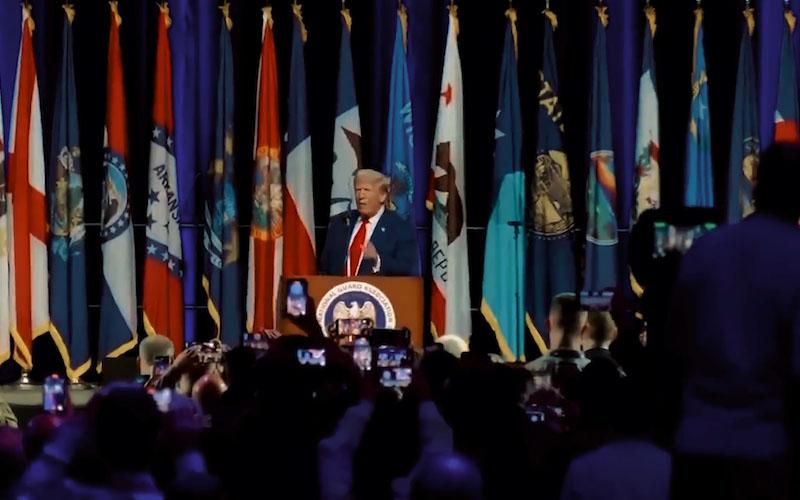
Kremlin spokesman Dmitry Peskov told reporters on Monday that Putin and Trump agreed to continue contact "in the near future" during their weekend phone call.
When asked whether Trump would call Putin after his meeting with Zelensky, Peskov gave an affirmative answer: "Yes, that's right. President Putin and President Trump have both agreed that they will continue to be in contact in the near future."
This statement suggests that direct dialogue channels between the US and Russian leaders remain open and may be reopened during or after this week's NATO summit.
A senior U.S. official revealed on Sunday that Trump plans to meet with Ukrainian President Zelensky on Wednesday during the NATO summit in Türkiye.
The official said the meeting aimed to further push for peace efforts to end the conflict in Ukraine.
According to the plan, after meeting with Zelensky, Trump may follow up with Putin to form a consultation path of "Ukraine first, then Russia".
This will be another important diplomatic mediation attempt by Trump between Russia and Ukraine in the near future.
Peskov refuted external criticisms regarding Trump's wavering stance on the Ukraine issue.
He stated, "As you know, President Trump's position is quite consistent, and all those fabrications about him supposedly changing his position like a weathervane are, of course, untrue."
Peskov further emphasized: "His understanding of the current situation is consistent and firm, but most importantly, he is willing to listen to the messages Putin conveys to him."
This statement demonstrates Russia's approval of Trump's diplomatic style, particularly in maintaining a willingness to engage in dialogue.
The continued dialogue between the US and Russian leaders, and Trump's multilateral mediation within the framework of the NATO summit, reflect the pragmatic considerations of major powers seeking diplomatic solutions to protracted conflicts. This process may affect global energy markets, geopolitical stability, and the international aid landscape, but its ultimate success depends on the substantial concessions and implementation capabilities of both sides and their allies.
Q1: What were the main points and outcomes of the phone call between Putin and Trump over the weekend?
A: The call lasted approximately 85-90 minutes, during which the two sides discussed the situation in Ukraine, Iran, and the Middle East. Trump reiterated his willingness to help find a solution to the conflict, and both sides agreed to continue contact in the near future. This paves the way for further meetings during or after the NATO summit, demonstrating that direct dialogue channels remain open.
Q2: What are the characteristics of Trump's meeting arrangements at the NATO summit?
A: Trump plans to meet with Zelensky in Turkey on Wednesday to advance peace efforts, and may follow up with communications with Putin. This "Ukraine first, Russia later" approach aims to balance the positions of all parties and continue his role as a mediator. Zelensky also stated that both sides agreed to continue discussions on frontline and diplomatic efforts at the summit.
Q3: How does Peskov evaluate Trump's stance?
A: Peskov refuted claims that Trump's stance was wavering, emphasizing that it was "consistent and firm" and that Russia was willing to listen to Putin's opinions. This statement both reassured domestic public opinion and demonstrated Russia's positive perception of Trump's foreign policy, which helps maintain a dialogue atmosphere.
Q4: Given the current Russia-Ukraine conflict, what is the significance of this diplomatic move?
A: The conflict has lasted for years, with both sides escalating military operations. The US is employing shuttle diplomacy to try and open a political window amid the battlefield stalemate. The NATO summit will serve as a platform to test the will of all parties, potentially addressing issues such as defense assistance and ceasefire conditions, and will have a significant impact on global energy security and the geopolitical landscape.
Q5: What challenges are facing the prospects for peace?
A: Core disagreements include territory, security guarantees, and ceasefire monitoring. Ukraine emphasizes its sovereignty and territorial integrity, while Russia insists on its own interests. Despite increased dialogue, battlefield dynamics and differences in allies' positions may delay substantial breakthroughs. Whether Trump's efforts can translate into results depends on subsequent implementation and multilateral coordination.
This statement foreshadows a possible meeting between the two during or after this week's NATO summit.
Meanwhile, Trump plans to meet with Ukrainian President Zelensky in Turkey on Wednesday, and may follow up with Putin, as the US launches a new round of shuttle diplomacy between Russia and Ukraine.
Call confirmation: Both parties agreed to speak again soon.
Kremlin spokesman Dmitry Peskov told reporters on Monday that Putin and Trump agreed to continue contact "in the near future" during their weekend phone call.
When asked whether Trump would call Putin after his meeting with Zelensky, Peskov gave an affirmative answer: "Yes, that's right. President Putin and President Trump have both agreed that they will continue to be in contact in the near future."
This statement suggests that direct dialogue channels between the US and Russian leaders remain open and may be reopened during or after this week's NATO summit.
Meeting Arrangements: Trump will meet with Zelensky during the NATO summit.
A senior U.S. official revealed on Sunday that Trump plans to meet with Ukrainian President Zelensky on Wednesday during the NATO summit in Türkiye.
The official said the meeting aimed to further push for peace efforts to end the conflict in Ukraine.
According to the plan, after meeting with Zelensky, Trump may follow up with Putin to form a consultation path of "Ukraine first, then Russia".
This will be another important diplomatic mediation attempt by Trump between Russia and Ukraine in the near future.
Russian commentator Peskov stated that Trump's stance was "consistent and firm."
Peskov refuted external criticisms regarding Trump's wavering stance on the Ukraine issue.
He stated, "As you know, President Trump's position is quite consistent, and all those fabrications about him supposedly changing his position like a weathervane are, of course, untrue."
Peskov further emphasized: "His understanding of the current situation is consistent and firm, but most importantly, he is willing to listen to the messages Putin conveys to him."
This statement demonstrates Russia's approval of Trump's diplomatic style, particularly in maintaining a willingness to engage in dialogue.
Editor's Summary
The continued dialogue between the US and Russian leaders, and Trump's multilateral mediation within the framework of the NATO summit, reflect the pragmatic considerations of major powers seeking diplomatic solutions to protracted conflicts. This process may affect global energy markets, geopolitical stability, and the international aid landscape, but its ultimate success depends on the substantial concessions and implementation capabilities of both sides and their allies.
Frequently Asked Questions
Q1: What were the main points and outcomes of the phone call between Putin and Trump over the weekend?
A: The call lasted approximately 85-90 minutes, during which the two sides discussed the situation in Ukraine, Iran, and the Middle East. Trump reiterated his willingness to help find a solution to the conflict, and both sides agreed to continue contact in the near future. This paves the way for further meetings during or after the NATO summit, demonstrating that direct dialogue channels remain open.
Q2: What are the characteristics of Trump's meeting arrangements at the NATO summit?
A: Trump plans to meet with Zelensky in Turkey on Wednesday to advance peace efforts, and may follow up with communications with Putin. This "Ukraine first, Russia later" approach aims to balance the positions of all parties and continue his role as a mediator. Zelensky also stated that both sides agreed to continue discussions on frontline and diplomatic efforts at the summit.
Q3: How does Peskov evaluate Trump's stance?
A: Peskov refuted claims that Trump's stance was wavering, emphasizing that it was "consistent and firm" and that Russia was willing to listen to Putin's opinions. This statement both reassured domestic public opinion and demonstrated Russia's positive perception of Trump's foreign policy, which helps maintain a dialogue atmosphere.
Q4: Given the current Russia-Ukraine conflict, what is the significance of this diplomatic move?
A: The conflict has lasted for years, with both sides escalating military operations. The US is employing shuttle diplomacy to try and open a political window amid the battlefield stalemate. The NATO summit will serve as a platform to test the will of all parties, potentially addressing issues such as defense assistance and ceasefire conditions, and will have a significant impact on global energy security and the geopolitical landscape.
Q5: What challenges are facing the prospects for peace?
A: Core disagreements include territory, security guarantees, and ceasefire monitoring. Ukraine emphasizes its sovereignty and territorial integrity, while Russia insists on its own interests. Despite increased dialogue, battlefield dynamics and differences in allies' positions may delay substantial breakthroughs. Whether Trump's efforts can translate into results depends on subsequent implementation and multilateral coordination.
- Risk Warning and Disclaimer
- The market involves risk, and trading may not be suitable for all investors. This article is for reference only and does not constitute personal investment advice, nor does it take into account certain users’ specific investment objectives, financial situation, or other needs. Any investment decisions made based on this information are at your own risk.