Falling inflation may support the Federal Reserve holding rates steady, but market expectations for a year-end rate hike remain divided.
2026-07-24 17:54:58
A recent report by Morgan Stanley strategists points out that recent U.S. economic data has not shown a continued deterioration in inflationary pressures, and the Federal Reserve may choose to continue to wait and see at its July monetary policy meeting, and may keep interest rates unchanged for the remainder of the year. 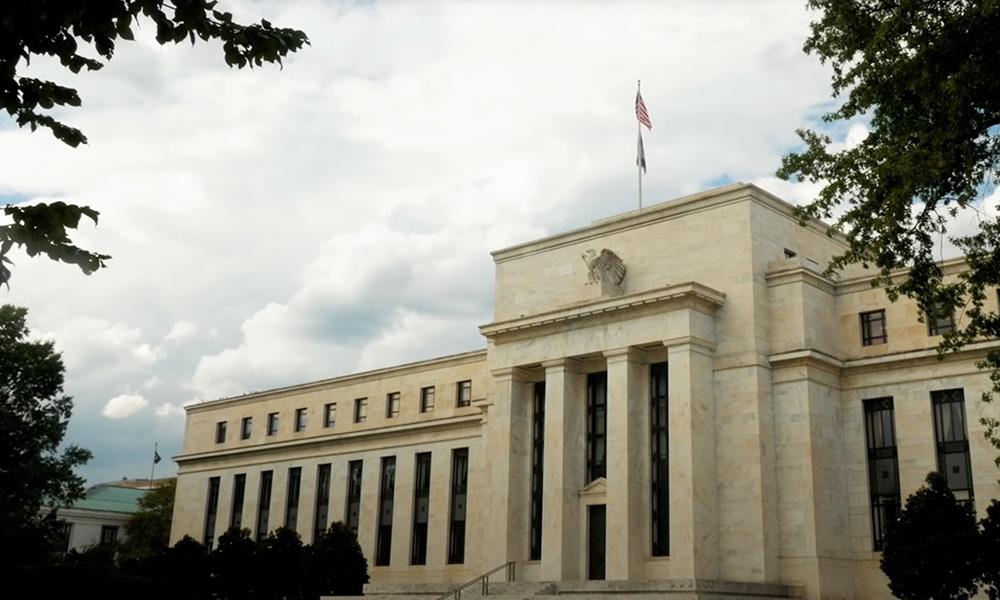 Strategists say the Federal Reserve is gradually losing patience with inflation above its target level, and the inflation trend in the coming months will be a key factor in determining the direction of monetary policy. If inflation continues to decline as expected, the Fed may not restart its rate hike cycle; however, if price pressures rebound, especially with recurring inflation driven by energy costs, the Fed may still raise rates later this year. Currently, there is a clear divergence in the market regarding the Fed's policy path. The money market has already priced in nearly two rate hikes by the end of the year, mainly due to recent increases in international energy prices, which have increased market concerns about a rebound in inflation. However, Morgan Stanley believes that the downward trend in inflation may be an important basis for the Fed to maintain policy stability. The institution expects that if consumer price pressures continue to ease in the coming months, the Fed may choose to keep interest rates unchanged, maintaining the federal funds rate in the 3.50% to 3.75% range. Recent data shows that US inflationary pressures are gradually easing, but changes in the energy market have become a new uncertainty. Rising international oil prices may again affect consumer prices through fuel, transportation, and production costs, thus increasing the difficulty of the Fed's policy decisions. The market is currently focusing on two directions: firstly, whether US economic growth can remain resilient; and secondly, whether the decline in inflation is sustainable. If economic data continues to show stability while price pressures gradually decline, the Federal Reserve may be more inclined to keep interest rates stable. From an asset market perspective, changes in Fed policy expectations will directly affect the dollar, Treasury yields, and the gold market. If the market lowers its expectations for rate hikes again, the dollar may face pressure, while non-interest-bearing assets such as gold may be supported; conversely, if energy-driven inflation rises again, increased expectations for rate hikes could push the dollar stronger. Currently, investors are awaiting key inflation data in the coming months, including the Consumer Price Index (CPI), Producer Price Index (PPI), and Personal Consumption Expenditures Price Index (PCE). These data will determine the market's repricing of the Fed's policy path.
 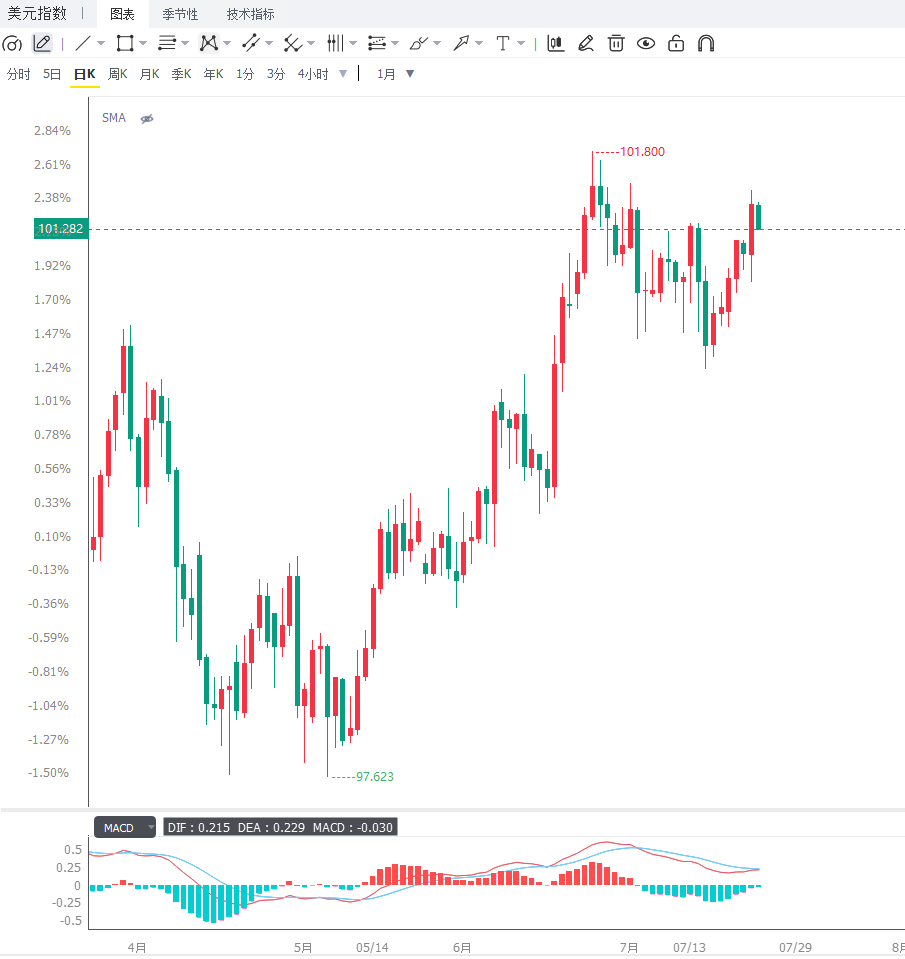 Editor's Summary: Morgan Stanley's view indicates that the core of the Federal Reserve's future policy will still depend on the trend of inflation, rather than changes in individual economic data. While the market is currently betting on a possible rate hike before the end of the year, if inflation continues to decline, the Fed is more likely to choose to maintain stable interest rates. Going forward, the market will need to focus on changes in energy prices, inflation data, and policy statements from Fed officials. If the downward trend in inflation continues, a pause in rate hikes by the Fed may become a key trading logic in the dollar and interest rate markets; however, if energy prices drive a rebound in inflation, expectations of rate hikes may resurface, increasing volatility in financial markets.
Strategists say the Federal Reserve is gradually losing patience with inflation above its target level, and the inflation trend in the coming months will be a key factor in determining the direction of monetary policy. If inflation continues to decline as expected, the Fed may not restart its rate hike cycle; however, if price pressures rebound, especially with recurring inflation driven by energy costs, the Fed may still raise rates later this year. Currently, there is a clear divergence in the market regarding the Fed's policy path. The money market has already priced in nearly two rate hikes by the end of the year, mainly due to recent increases in international energy prices, which have increased market concerns about a rebound in inflation. However, Morgan Stanley believes that the downward trend in inflation may be an important basis for the Fed to maintain policy stability. The institution expects that if consumer price pressures continue to ease in the coming months, the Fed may choose to keep interest rates unchanged, maintaining the federal funds rate in the 3.50% to 3.75% range. Recent data shows that US inflationary pressures are gradually easing, but changes in the energy market have become a new uncertainty. Rising international oil prices may again affect consumer prices through fuel, transportation, and production costs, thus increasing the difficulty of the Fed's policy decisions. The market is currently focusing on two directions: firstly, whether US economic growth can remain resilient; and secondly, whether the decline in inflation is sustainable. If economic data continues to show stability while price pressures gradually decline, the Federal Reserve may be more inclined to keep interest rates stable. From an asset market perspective, changes in Fed policy expectations will directly affect the dollar, Treasury yields, and the gold market. If the market lowers its expectations for rate hikes again, the dollar may face pressure, while non-interest-bearing assets such as gold may be supported; conversely, if energy-driven inflation rises again, increased expectations for rate hikes could push the dollar stronger. Currently, investors are awaiting key inflation data in the coming months, including the Consumer Price Index (CPI), Producer Price Index (PPI), and Personal Consumption Expenditures Price Index (PCE). These data will determine the market's repricing of the Fed's policy path. Editor's Summary: Morgan Stanley's view indicates that the core of the Federal Reserve's future policy will still depend on the trend of inflation, rather than changes in individual economic data. While the market is currently betting on a possible rate hike before the end of the year, if inflation continues to decline, the Fed is more likely to choose to maintain stable interest rates. Going forward, the market will need to focus on changes in energy prices, inflation data, and policy statements from Fed officials. If the downward trend in inflation continues, a pause in rate hikes by the Fed may become a key trading logic in the dollar and interest rate markets; however, if energy prices drive a rebound in inflation, expectations of rate hikes may resurface, increasing volatility in financial markets.
- Risk Warning and Disclaimer
- The market involves risk, and trading may not be suitable for all investors. This article is for reference only and does not constitute personal investment advice, nor does it take into account certain users’ specific investment objectives, financial situation, or other needs. Any investment decisions made based on this information are at your own risk.