The euro faces a "drought stress test": Europe's energy lifeline is in danger, can the bulls hold the last line of defense?
2026-08-03 17:24:51
On Monday (August 3), water levels in several vital European rivers reached critical levels, impacting energy and logistics networks. Hydropower and nuclear power plants in the Danube River basin were forced to reduce production, and navigation bottlenecks on the Rhine River are expected to reach new lows. Soaring freight rates and corporate profit warnings intertwined, raising market concerns that drought will weaken the resilience of the European economy. The euro traded cautiously against the dollar around 1.1520, with market sentiment highly sensitive to both bulls and bears.  This summer, extreme drought is tightening the valves on Europe's energy and transportation systems. Continuous tracking by major foreign media outlets shows that the sharp drop in water levels from the Danube to the Rhine has not only cut off hydropower output but also nearly paralyzed key waterways. Barge freight rates have skyrocketed, nuclear power plants have been forced to shut down, and major corporations have successively lowered their profit guidance. How are these cracks in the real economy being transmitted to your screen? This article decodes publicly available information into language that traders care about most, clarifying the emotional context and potential risks.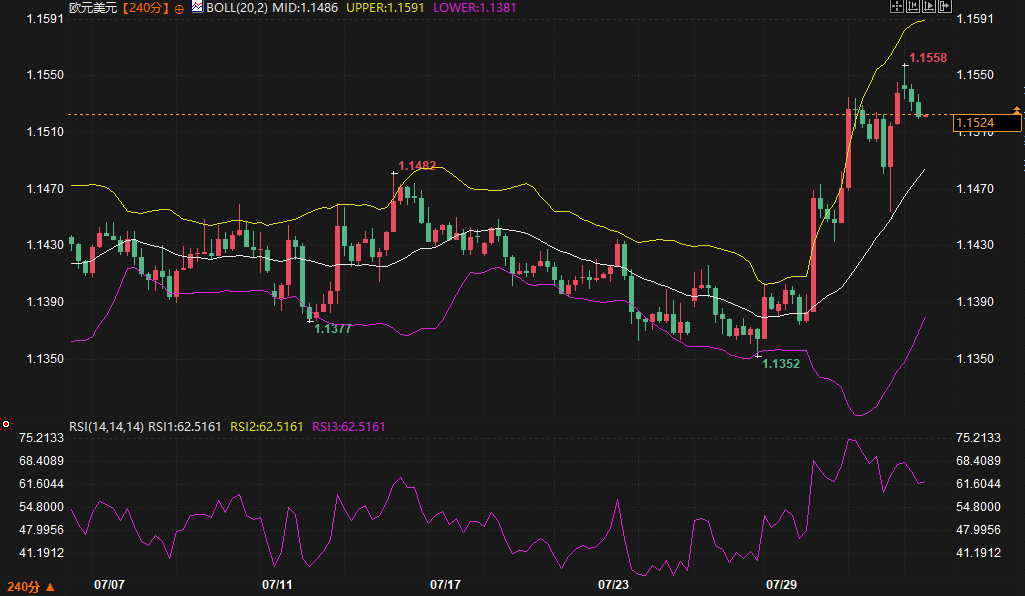
This summer, extreme drought is tightening the valves on Europe's energy and transportation systems. Continuous tracking by major foreign media outlets shows that the sharp drop in water levels from the Danube to the Rhine has not only cut off hydropower output but also nearly paralyzed key waterways. Barge freight rates have skyrocketed, nuclear power plants have been forced to shut down, and major corporations have successively lowered their profit guidance. How are these cracks in the real economy being transmitted to your screen? This article decodes publicly available information into language that traders care about most, clarifying the emotional context and potential risks.Energy supply disruptions: Hydropower and nuclear power plants face water shortages
The drought in the Danube River basin is directly devastating the power supply. Serbia's largest hydroelectric power station is operating at only 20% capacity, Hungary's Pokš nuclear power plant will be shut down for several weeks starting Monday, and Romania's nuclear power plant has also shut down one unit. France is also limiting its nuclear energy exports due to high river temperatures. Countries are being forced to import electricity at high prices, significantly increasing their fiscal burden. The fragility of the energy system is shaking the industrial foundation of the Eurozone and casting a shadow over growth expectations.Logistics bottleneck choked: Rhine River's "shallow water effect" worsens
The Rhine River's Kaub bottleneck level once touched 25 centimeters, and after a slight rebound over the weekend, official forecasts predict it will fall to a new low of 20 centimeters on Thursday. Barges can only carry about 20% of their cargo, and the freight rate for refined petroleum products from Rotterdam to Karlsruhe has surged from €45 per ton at the end of June to around €150. Dry bulk and chemical transport is severely hampered, and supply chain costs are rapidly being passed on to end consumers. This is another factor contributing to persistent inflation, potentially putting the European Central Bank in a dilemma.Corporate Profit Alert: Stress Tests on European Assets
Austrian hydroelectric giants warned that drought would cost them approximately €370 million in profits in the first half of the year. EDF (Électricité de France) forecasts a 10% decline in core profits for the full year. Severe water shortages in Italy's Po River basin directly threaten the safety of rice and drinking water in the north. Negative revisions during the corporate earnings season could not only dampen sentiment in European stock markets but also weaken the euro's appeal beyond interest rate differentials, putting downward pressure on the exchange rate.Euro Technical Profile: Bullish and Bearish Signals in the Battle for the Middle Band
On the 240-minute chart, the euro/dollar pair is currently at 1.1522, with the relative strength index (RSI) at 62.52, indicating a slightly bullish bias. After rebounding from 1.1352, the price briefly broke through the upper Bollinger Band at 1.1591 before retreating slightly. The key support/resistance level is currently at the middle Bollinger Band at 1.1486. If this level holds, the bullish momentum can be maintained; however, a break below this level would reverse the short-term strength, and market sentiment would quickly shift to a defensive stance.Trend Outlook
In the short term, the euro/dollar exchange rate is expected to digest the news impact around the 1.1500 level, with the effectiveness of the middle band support determining the short-term trend. If the Rhine River water level hits a new low this week and triggers more energy alarms, the exchange rate may seek support around 1.1380. In the medium term, close monitoring of water level changes and electricity price increases is necessary, as these will be leading signals of a shift in sentiment.Frequently Asked Questions
How does the drought affect the foreign exchange market? The plummeting water levels have led to reduced hydropower and nuclear power production, soaring shipping costs, pushing up inflation and suppressing growth. Stagflation expectations are weakening the euro's appeal. What technical signals does the euro/dollar exchange rate send? On the 4-hour chart, the price is above the middle Bollinger Band, and the RSI is bullish but not overbought. Key support is at 1.1486; holding above this level favors a bullish bias, while a break below it would weaken the trend. What leading indicators should be closely monitored? The Rhine River's Kolb water level, German and French spot electricity prices, the performance of utility stocks and bonds, and comments from ECB officials regarding their tolerance for inflation.- Risk Warning and Disclaimer
- The market involves risk, and trading may not be suitable for all investors. This article is for reference only and does not constitute personal investment advice, nor does it take into account certain users’ specific investment objectives, financial situation, or other needs. Any investment decisions made based on this information are at your own risk.