Behind the coordinated intervention of the US and Japan in the yen exchange rate, the Federal Reserve, in cooperation with the Treasury Department, is paving the way for US financial diplomacy.
2026-08-04 14:06:53
The continued depreciation of the yen has sparked widespread concern, prompting the Trump administration to push for deeper involvement from the Federal Reserve in efforts to stabilize the yen. US Treasury Secretary Scott Bessent proposed expanding the Fed's FIMA repurchase facility to help Japan intervene in the exchange rate while avoiding impact on the US Treasury market. Newly appointed Fed Chairman Kevin Warsh intends to reshape the cooperation framework between the Fed and the Treasury. Once implemented, the Fed's functions may expand, becoming a crucial force supporting US global financial diplomacy and profoundly impacting the over $30 trillion US Treasury market.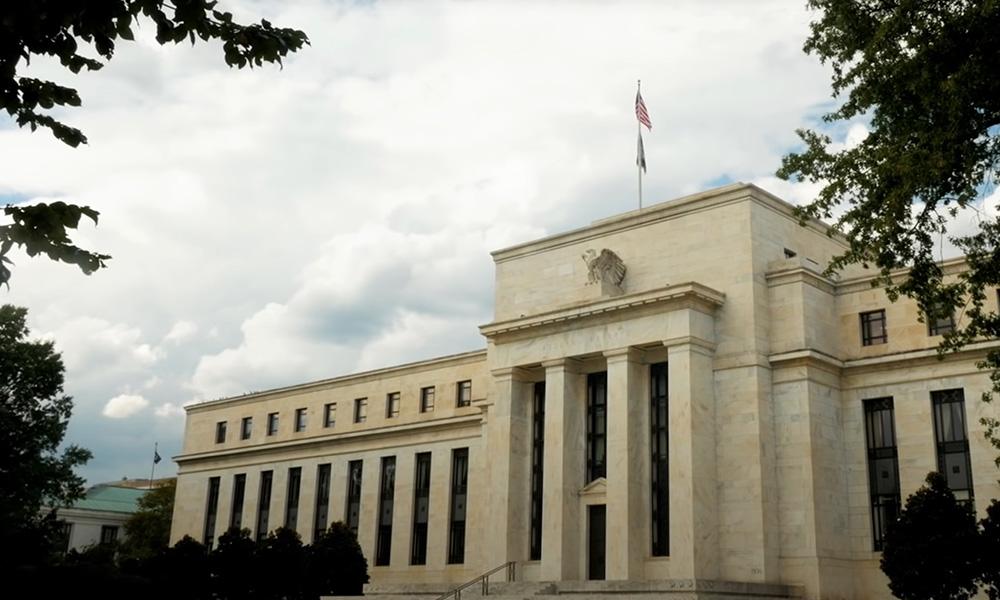
The yen continues to weaken, prompting joint intervention from the US and Japan in the foreign exchange market.
Since 2022, the Japanese yen has entered a long-term downward trend. The US's continued interest rate hikes and Japan's maintained loose monetary policy have created a significant interest rate differential, which has become the core factor driving its depreciation. In addition, factors such as Japan's high government debt, an aging population suppressing economic growth, and rising energy import costs have continued to drag down the yen's performance. Market data shows that last week, the USD/JPY exchange rate touched 1:164, the lowest level for the yen since 1986. To curb the disorderly decline of the yen, the US and Japan launched coordinated foreign exchange intervention. US Treasury Secretary Bessenter stated that the joint intervention on Friday (July 31) effectively calmed the yen's sharp decline. The Treasury Department sold euros and bought yen through the foreign exchange stabilization fund, avoiding direct selling of dollars and thus suppressing the dollar index. The yen briefly touched 155.22 on Monday. This intervention not only stabilized the exchange rate but also considered the US Treasury market. For a long time, yen carry trades have been prevalent, with investors borrowing low-interest yen to buy US Treasury bonds or US stocks for arbitrage. If Japan sells US Treasury bonds to buy yen in exchange for US dollars, it could trigger a large-scale sell-off of US Treasury bonds, pushing up US Treasury yields and increasing borrowing costs across society. This is why Bessant is paying close attention to the 10-year US Treasury yield.The main focus is on expanding the FIMA tool to open up a new model for exchange rate intervention.
Bessant proposed a long-term solution, hoping Japan would make greater use of the Federal Reserve's Foreign and International Monetary Authority Repurchase Facility (FIMA). This tool allows foreign central banks to pledge US Treasury bonds in exchange for short-term dollar liquidity without directly selling US Treasury bonds in the secondary market, thus preventing a concentrated sell-off of US Treasury bonds and a surge in yields. Currently, the daily limit for a single counterparty on this tool is $60 billion. As of May, Japan held approximately $1.1 trillion in US Treasury bonds, and the estimated intervention amount for this round is $60 billion to $80 billion. An existing tool exists in the market: the Federal Reserve's currency swap lines. However, swap lines are conventionally used for dollar liquidity crises and are not suitable for foreign exchange intervention; Japan did not use them this time. Brad Setser, a researcher at the Council on Foreign Relations, stated that existing rules clearly distinguish the usage scenarios of the two types of tools. The authority to expand the FIMA tool rests with the Federal Reserve, and the expansion plan requires a vote by the Federal Open Market Committee (FOMC). Whether the Federal Reserve can reach a consensus remains uncertain.The reshuffling of powers and responsibilities between the Federal Reserve and the Treasury Department is bringing changes to the global financial landscape.
This policy concept aligns with Federal Reserve Chairman Warsh's reformist thinking. Before taking office, Warsh proposed revising the Treasury-Federal Reserve Agreement to adjust the relationship between the two institutions. During his nomination hearing, he clearly stated that the Federal Reserve needs to appropriately cooperate with the executive branch in international financial affairs. Warsh has maintained frequent communication with Treasury Secretary Bessant; in addition to their regular weekly meetings, the two have very close daily exchanges. The impact of this deepened cooperation extends beyond the yen issue; the UAE has already applied for a currency swap line from the Federal Reserve. Following Warsh's approach, the Federal Reserve may be more likely to approve new swap lines in the future, thereby serving the US's foreign financial strategy.Conclusion
In conclusion, the joint US-Japan effort to prop up the yen is merely a symptom; the underlying aim is for the US to establish a normalized exchange rate intervention mechanism that does not disrupt the US Treasury market. Coupled with the restructuring of the relationship between the Federal Reserve and the Treasury Department, this suggests that the Fed's policy boundaries may be expanding. It remains crucial to continuously monitor the FIMA expansion vote results and Warsh's policy inclinations, as these changes will not only influence the yen and US Treasury bond prices but also reshape the global cross-border capital flow landscape.- Risk Warning and Disclaimer
- The market involves risk, and trading may not be suitable for all investors. This article is for reference only and does not constitute personal investment advice, nor does it take into account certain users’ specific investment objectives, financial situation, or other needs. Any investment decisions made based on this information are at your own risk.