Monetary policy perspective: Maintain an open mind
2026-08-05 01:58:51
Philadelphia Federal Reserve President and CEO Anna Paulson published an article outlining her views on the U.S. economy and monetary policy. The following is the full text of the article. Achieving the dual mandate of full employment and price stability is the starting point for my thinking on monetary policy. My team and I analyze various data, communicate with people in the Third District and beyond, assess the current economic situation, and analyze the forces driving economic change. This analytical process, combined with careful discussions with other members of the Federal Open Market Committee (FOMC), forms my policy judgments, striving to achieve the best economic outcomes for the American people. 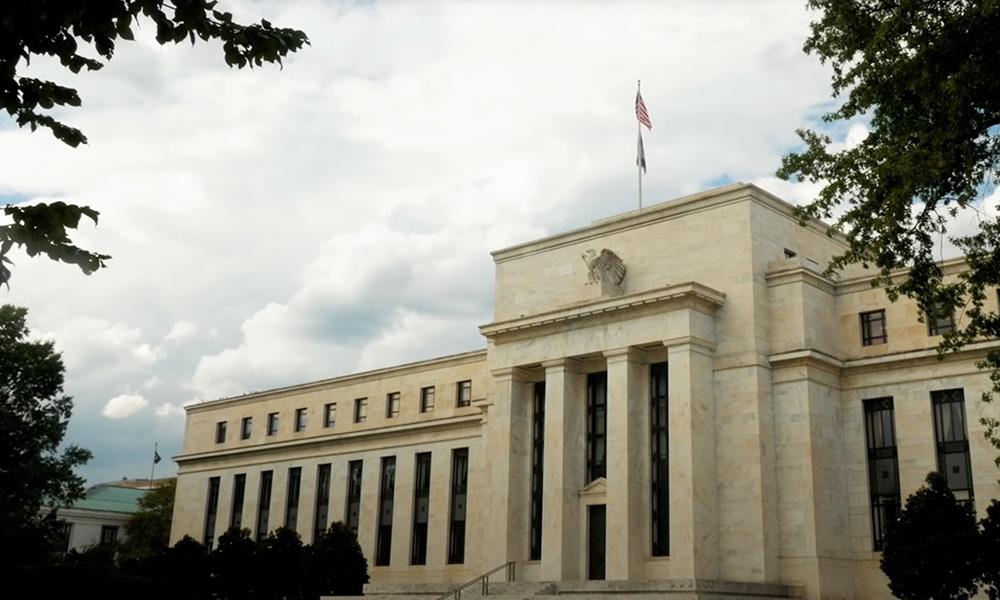 The importance of price stability cannot be overstated. Low, predictable inflation is the cornerstone of economic prosperity. Price stability allows households to plan their monthly expenses and make long-term living arrangements; it allows businesses to efficiently allocate current resources and plan for future investments. Low and stable inflation also contributes to achieving full employment. After five consecutive years of inflation exceeding the target level, we must push inflation back to the 2% target. Against this backdrop, I support the Federal Open Market Committee's decision last week to maintain the target range for the federal funds rate. Recent inflation data has shown some improvement, which is commendable. This is a step in the right direction, but only one step. I will continue to gather more information to clarify the true trajectory of underlying inflation and the impact of supply shocks from energy and tariffs. At the same time, I will remain open-minded to ensure that monetary policy balances both price stability and full employment. Current Situation: The world is volatile, but my economic outlook remains fundamentally stable. Achieving price stability requires first recognizing the current economic situation. Many events have occurred in the past few months. However, based on data, feedback from business executives, and information from workers and consumers, my overall assessment of the economic outlook has not changed substantially. The Middle East conflict has repeatedly subsided and then escalated again; old tariffs have expired and new tariffs have been implemented; numerous artificial intelligence investment projects have been announced, and several new AI models have been launched. Despite these major events, the fundamental economic landscape remains largely unchanged: inflation remains high, and the labor market remains stable. Second-quarter GDP grew moderately by 1.5%, but underlying growth indicators for investment and consumption showed strong performance, suggesting that full-year economic growth is likely to approach 2%. The Middle East conflict and tariffs have brought uncertainty, pushing up inflation; AI infrastructure construction has driven economic growth, while also putting upward pressure on prices in some sectors. However, the long-term impact of artificial intelligence on the economy remains unclear. These familiar variables continue to influence my policy thinking. Examining the current situation from the perspective of a dual mission: the labor market is relatively stable, approaching full employment; inflation remains too high. The latest inflation data brings some positive signals. Affected by the decline in energy prices, overall PCE inflation fell to 3.7% in June. The ceasefire in the Middle East in June temporarily eased pressure on consumers and businesses. However, oil prices subsequently surged again and have remained volatile at high levels. However, the brief period of stability in the Middle East demonstrates that supply shocks can be temporary, supporting the appropriate disregard for such short-term disturbances when formulating monetary policy. Whether supply shocks can be ignored depends to some extent on inflation expectations and potential inflation levels. Currently, inflation expectations are generally well-anchored. However, after excluding short-term disturbances such as tariff increases and energy prices, I estimate the potential inflation level to be around 2.4%–2.8%. This persistently high potential inflation is the indicator I focus on most when assessing progress towards the 2% inflation target. Looking at the other aspect of this dual mandate: the labor market has stabilized. Since June 2024, the unemployment rate has fluctuated narrowly between 4% and 4.5%, currently at 4.2%, close to my understanding of full employment. Employers have reported that layoffs are not common. Even so, surveys show that workers are concerned about job security, and job seekers are pessimistic about finding employment. Risk Assessment: Inflation Remains the Main Risk Based on the assessment of the current situation, the core issue is whether the federal funds rate is appropriately set and whether it can bring inflation back to the 2% target within a reasonable timeframe while maintaining full employment. Combining data and on-the-ground communication, I believe there are two possibilities. The first scenario: The current federal funds rate is at a moderately restrictive level, sufficient to keep inflation at 2% within a reasonable timeframe. Moderate wage growth and weak expectations for future wage growth support this assessment. High mortgage rates and sluggish housing market activity reflect that high interest rates are constraining many households. Although consumption grew by 3.2% in the second quarter, consumption demand from low- and middle-income households has shown signs of weakening. Pressure on the consumer side is also being transmitted to the business level. For example, the CEO of a large consumer goods manufacturing company recently told me that despite rising costs in many areas, consumers are very price-sensitive, so the company has chosen to maintain unchanged product prices. At the same time, small and micro enterprises are facing increased operating pressure, with small businesses serving the real estate industry showing particularly weak performance. AI construction brings some price pressure, but this pressure can be controlled as long as monetary policy is properly adjusted. The above clues point to the current policy's moderately restrictive nature. However, a second scenario exists: the current policy's restrictive力度 is insufficient to achieve the 2% inflation target. The evidence supporting this view is quite straightforward: inflation has been above target for five consecutive years, and even after removing short-term disturbances, the potential decline in inflation over the past year has been very limited. Persistently high inflation suggests that further policy tightening may be necessary. Many businesses have easy access to credit, supporting robust investment, particularly in the AI sector. The huge demand for AI infrastructure is transmitted along the supply chain, pushing up the prices of key production factors and ultimately raising consumer goods prices. The productivity gains brought by AI in the future may mitigate inflation, but such benefits will take time; while the inflationary pressures from the construction phase are already evident. Even if supply shocks subside and no new shocks occur, the above signals indicate that monetary policy may need further tightening to achieve the Fed's goals. Implications of Monetary Policy I remain open-minded regarding the future policy path. As mentioned earlier, there are two reasonable scenarios for the impact of the current policy on inflation. Subsequent economic data will help us see which path reality falls into and determine whether policy adjustments are necessary. How will I discern the actual trend? By continuously observing the accumulation of evidence. If policy is properly calibrated, I will see more signs of a sustained cooling of inflation: inflation data improving for several consecutive months; corporate pricing and hiring behavior reflecting a gradual return of inflation to 2%; pressure from tariffs, energy, and AI being contained rather than exacerbated; and inflation expectations firmly anchored, consistent with the 2% target. Conversely, if underlying inflation remains stubbornly high and no improvement is seen, it means a more restrictive monetary policy will be needed. There will almost always be multiple interpretations of the state of the economy. Therefore, I will carefully assess the policy path based on constantly updated evidence, always maintaining an open mind. My highest priority is to achieve the 2% inflation target while maintaining full employment.
The importance of price stability cannot be overstated. Low, predictable inflation is the cornerstone of economic prosperity. Price stability allows households to plan their monthly expenses and make long-term living arrangements; it allows businesses to efficiently allocate current resources and plan for future investments. Low and stable inflation also contributes to achieving full employment. After five consecutive years of inflation exceeding the target level, we must push inflation back to the 2% target. Against this backdrop, I support the Federal Open Market Committee's decision last week to maintain the target range for the federal funds rate. Recent inflation data has shown some improvement, which is commendable. This is a step in the right direction, but only one step. I will continue to gather more information to clarify the true trajectory of underlying inflation and the impact of supply shocks from energy and tariffs. At the same time, I will remain open-minded to ensure that monetary policy balances both price stability and full employment. Current Situation: The world is volatile, but my economic outlook remains fundamentally stable. Achieving price stability requires first recognizing the current economic situation. Many events have occurred in the past few months. However, based on data, feedback from business executives, and information from workers and consumers, my overall assessment of the economic outlook has not changed substantially. The Middle East conflict has repeatedly subsided and then escalated again; old tariffs have expired and new tariffs have been implemented; numerous artificial intelligence investment projects have been announced, and several new AI models have been launched. Despite these major events, the fundamental economic landscape remains largely unchanged: inflation remains high, and the labor market remains stable. Second-quarter GDP grew moderately by 1.5%, but underlying growth indicators for investment and consumption showed strong performance, suggesting that full-year economic growth is likely to approach 2%. The Middle East conflict and tariffs have brought uncertainty, pushing up inflation; AI infrastructure construction has driven economic growth, while also putting upward pressure on prices in some sectors. However, the long-term impact of artificial intelligence on the economy remains unclear. These familiar variables continue to influence my policy thinking. Examining the current situation from the perspective of a dual mission: the labor market is relatively stable, approaching full employment; inflation remains too high. The latest inflation data brings some positive signals. Affected by the decline in energy prices, overall PCE inflation fell to 3.7% in June. The ceasefire in the Middle East in June temporarily eased pressure on consumers and businesses. However, oil prices subsequently surged again and have remained volatile at high levels. However, the brief period of stability in the Middle East demonstrates that supply shocks can be temporary, supporting the appropriate disregard for such short-term disturbances when formulating monetary policy. Whether supply shocks can be ignored depends to some extent on inflation expectations and potential inflation levels. Currently, inflation expectations are generally well-anchored. However, after excluding short-term disturbances such as tariff increases and energy prices, I estimate the potential inflation level to be around 2.4%–2.8%. This persistently high potential inflation is the indicator I focus on most when assessing progress towards the 2% inflation target. Looking at the other aspect of this dual mandate: the labor market has stabilized. Since June 2024, the unemployment rate has fluctuated narrowly between 4% and 4.5%, currently at 4.2%, close to my understanding of full employment. Employers have reported that layoffs are not common. Even so, surveys show that workers are concerned about job security, and job seekers are pessimistic about finding employment. Risk Assessment: Inflation Remains the Main Risk Based on the assessment of the current situation, the core issue is whether the federal funds rate is appropriately set and whether it can bring inflation back to the 2% target within a reasonable timeframe while maintaining full employment. Combining data and on-the-ground communication, I believe there are two possibilities. The first scenario: The current federal funds rate is at a moderately restrictive level, sufficient to keep inflation at 2% within a reasonable timeframe. Moderate wage growth and weak expectations for future wage growth support this assessment. High mortgage rates and sluggish housing market activity reflect that high interest rates are constraining many households. Although consumption grew by 3.2% in the second quarter, consumption demand from low- and middle-income households has shown signs of weakening. Pressure on the consumer side is also being transmitted to the business level. For example, the CEO of a large consumer goods manufacturing company recently told me that despite rising costs in many areas, consumers are very price-sensitive, so the company has chosen to maintain unchanged product prices. At the same time, small and micro enterprises are facing increased operating pressure, with small businesses serving the real estate industry showing particularly weak performance. AI construction brings some price pressure, but this pressure can be controlled as long as monetary policy is properly adjusted. The above clues point to the current policy's moderately restrictive nature. However, a second scenario exists: the current policy's restrictive力度 is insufficient to achieve the 2% inflation target. The evidence supporting this view is quite straightforward: inflation has been above target for five consecutive years, and even after removing short-term disturbances, the potential decline in inflation over the past year has been very limited. Persistently high inflation suggests that further policy tightening may be necessary. Many businesses have easy access to credit, supporting robust investment, particularly in the AI sector. The huge demand for AI infrastructure is transmitted along the supply chain, pushing up the prices of key production factors and ultimately raising consumer goods prices. The productivity gains brought by AI in the future may mitigate inflation, but such benefits will take time; while the inflationary pressures from the construction phase are already evident. Even if supply shocks subside and no new shocks occur, the above signals indicate that monetary policy may need further tightening to achieve the Fed's goals. Implications of Monetary Policy I remain open-minded regarding the future policy path. As mentioned earlier, there are two reasonable scenarios for the impact of the current policy on inflation. Subsequent economic data will help us see which path reality falls into and determine whether policy adjustments are necessary. How will I discern the actual trend? By continuously observing the accumulation of evidence. If policy is properly calibrated, I will see more signs of a sustained cooling of inflation: inflation data improving for several consecutive months; corporate pricing and hiring behavior reflecting a gradual return of inflation to 2%; pressure from tariffs, energy, and AI being contained rather than exacerbated; and inflation expectations firmly anchored, consistent with the 2% target. Conversely, if underlying inflation remains stubbornly high and no improvement is seen, it means a more restrictive monetary policy will be needed. There will almost always be multiple interpretations of the state of the economy. Therefore, I will carefully assess the policy path based on constantly updated evidence, always maintaining an open mind. My highest priority is to achieve the 2% inflation target while maintaining full employment.
- Risk Warning and Disclaimer
- The market involves risk, and trading may not be suitable for all investors. This article is for reference only and does not constitute personal investment advice, nor does it take into account certain users’ specific investment objectives, financial situation, or other needs. Any investment decisions made based on this information are at your own risk.