Institutions: Gold prices are fluctuating at low levels, and a new round of opportunities is brewing.
2026-08-05 10:50:56
Geopolitical conflicts are increasing energy and inflation risks, the market is pricing in a Fed rate hike this year, and real yields are continuing to rise, keeping gold firmly below $4,200 per ounce recently. Jefferies, through reviewing multiple historical cycles, points out that the shift in interest rate expectations is far more crucial than the absolute value of interest rates . Although there are many short-term negative factors, supported by geopolitical risks and central bank gold purchases, gold and gold mining stocks still have opportunities for valuation repair. Once real interest rate pressures ease, gold prices are expected to rebound.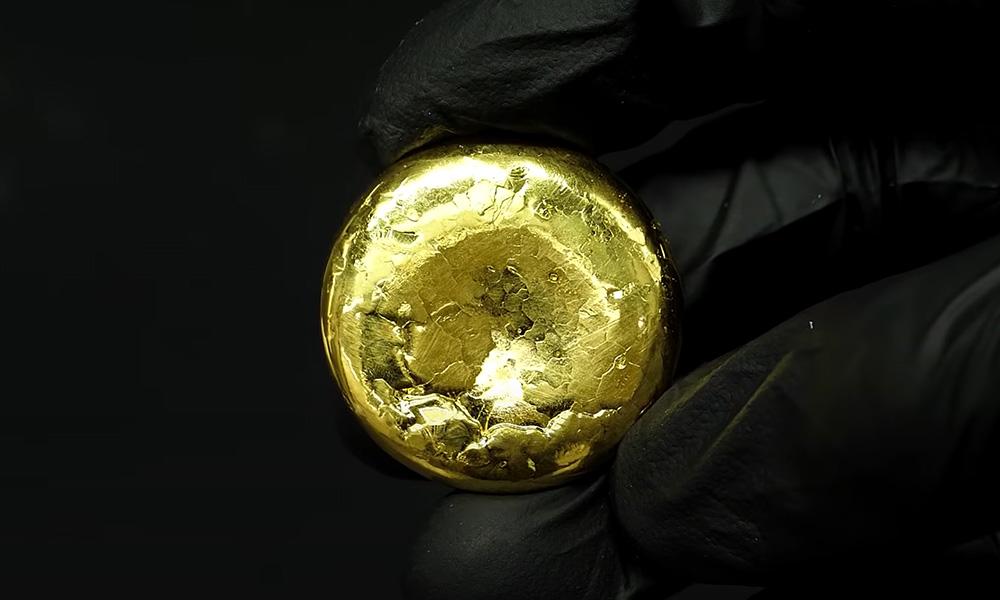 A rapid reversal in interest rate expectations directly pressured gold's performance. Jefferies analysts stated that the real yield on 10-year Treasury Inflation-Protected Securities (TIPS) rose significantly, and market interest rate expectations shifted dramatically from one to two rate cuts at the beginning of the year to one to two rate hikes. This drastic change in expectations pushed gold prices down by approximately 25% from their peak. Gold is a non-interest-bearing asset, and higher real yields increase the opportunity cost of holding gold. Once interest rate expectations adjust rapidly, gold prices are prone to significant corrections. Institutions reviewing multiple historical tightening cycles—the 2013 tapering panic, the 2018 peak in real interest rates, and the 2022 rate hike cycle—have all seen deep short-term pullbacks in both gold and gold mining stocks. However, the performance in the year following these corrections has been highly divergent. The key factor is not whether real interest rates rise, but whether the pressure from subsequent real interest rates can be marginally alleviated.
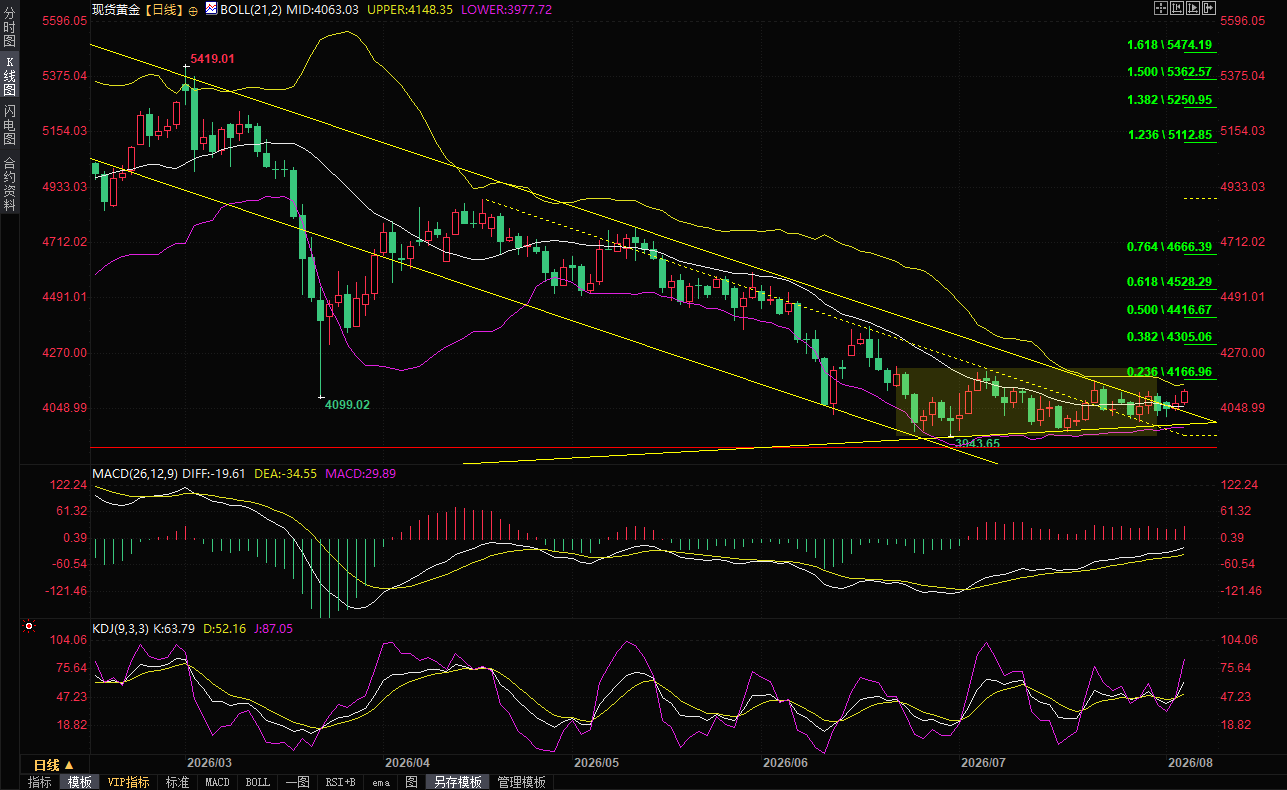 Spot gold daily chart source: FX678. At 10:47 AM Beijing time on August 5th, spot gold was trading at $4128.79 per ounce.
Gold prices are under pressure as interest rate hike expectations rise.
The outbreak of the US-Iran conflict disrupted shipping in the Strait of Hormuz, affecting about 30% of global oil supply. This energy crisis pushed up oil prices and reignited inflation concerns. The market is therefore pricing in two potential interest rate hikes by the Federal Reserve this year, with the first hike most likely occurring in September. Three Fed members voted for a rate hike at the July meeting, further solidifying market expectations of tightening. A rapid reversal in interest rate expectations directly pressured gold's performance. Jefferies analysts stated that the real yield on 10-year Treasury Inflation-Protected Securities (TIPS) rose significantly, and market interest rate expectations shifted dramatically from one to two rate cuts at the beginning of the year to one to two rate hikes. This drastic change in expectations pushed gold prices down by approximately 25% from their peak. Gold is a non-interest-bearing asset, and higher real yields increase the opportunity cost of holding gold. Once interest rate expectations adjust rapidly, gold prices are prone to significant corrections. Institutions reviewing multiple historical tightening cycles—the 2013 tapering panic, the 2018 peak in real interest rates, and the 2022 rate hike cycle—have all seen deep short-term pullbacks in both gold and gold mining stocks. However, the performance in the year following these corrections has been highly divergent. The key factor is not whether real interest rates rise, but whether the pressure from subsequent real interest rates can be marginally alleviated.The negative factors have been fully priced in, and multiple underlying support levels remain solid.
Despite a bearish short-term market environment, Jefferies maintains a relatively optimistic outlook for gold in the latter part of the year. Gold and the gold sector have already undergone a significant valuation repricing, with most negative factors already priced in. The firm emphasizes that the direction of future changes in expected real interest rates is more important than the absolute level of real interest rates. Gold prices cannot be simply determined by real interest rates alone. Continued central bank gold purchases, geopolitical uncertainties, US fiscal risks, the de-dollarization process, and global institutional demand for hard assets collectively form the underlying support for gold prices. Currently, the market generally bets on continued monetary policy tightening, but if the US-Iran conflict eases and inflationary pressures quickly subside, expectations for interest rate hikes will reverse. Historical experience shows that when real interest rate pressures subside, gold and mining stocks often begin an upward trend. Christopher Wood, Global Head of Equity Strategy at Jefferies, stated that if the current AI capital expenditure boom collapses, the Federal Reserve will lose its realistic basis for continuing interest rate hikes. He said, "Based on the above reasons, after a long period of observation and adjustment, investors should now gradually reposition themselves in gold and gold mining stocks. The trading logic of dollar depreciation is only temporarily dormant, not gone." Overall , short-term interest rate hike expectations remain the dominant force suppressing gold prices. However, various negative factors have been largely digested, and the multi-faceted support logic for gold has not failed. The focus going forward will be on monitoring the evolution of the US-Iran situation, US inflation data, and the shift in real interest rate expectations. Once tightening expectations ease, the gold and mining sectors are expected to see a recovery. Latest news indicates that Iran has privately softened its stance on demining. Qatar stated on Tuesday that mediators have made progress in efforts to end the US-Iran conflict, and US Treasury Secretary Bessenter said an agreement could be finalized within two days. Brent crude oil futures have plummeted nearly 12% in two days, easing inflation concerns and pressure from the Fed's interest rate hikes. On Wednesday (August 5th) in early Asian trading, spot gold fluctuated higher, briefly breaking through the $4120 mark, reaching a near two-week high of $4130.04 per ounce as of 10:47. Spot gold daily chart source: FX678. At 10:47 AM Beijing time on August 5th, spot gold was trading at $4128.79 per ounce.- Risk Warning and Disclaimer
- The market involves risk, and trading may not be suitable for all investors. This article is for reference only and does not constitute personal investment advice, nor does it take into account certain users’ specific investment objectives, financial situation, or other needs. Any investment decisions made based on this information are at your own risk.