US debt has started fighting amongst itself! Hormuz's "false dawn" and three traps.
2026-08-05 20:04:53
On Wednesday (August 5), Iranian officials refuted claims that the Strait of Hormuz would soon reopen, creating a standoff with US optimism. Oil prices rebounded from their lows, but long-term US Treasury yields declined, indicating the market is still pricing in a potential agreement. The US dollar weakened slightly, and gold consolidated at high levels. Later in the day, the US ISM Services PMI and quarterly refinancing plans could catalyze volatility in the US market. 
Introduction
The fragile illusion of peace and the ever-reversible geopolitical reality are causing markets to swing wildly between bullish and bearish sentiment. Every piece of news from the Strait of Hormuz directly affects the nerves of crude oil, US Treasury bonds, and gold. This article provides a direct look at the latest developments, translating publicly available news and data into the sentiment, risks, and capital flows that traders care about most, helping you filter out the noise and see the core logic of the current market.Core Analysis
The Straits "Rashomon": Oil Prices Swayed by News
Previously, the market sold off crude oil due to the "imminent agreement," causing Brent crude to quickly retreat from its highs. However, Iranian state media quickly refuted the claim of reopening the Strait of Hormuz, emphasizing that any agreement does not mean an immediate resumption of passage and that Iran reserves the right to retaliate. Coupled with shipping data showing a sharp drop in the number of vessels transiting the Strait of Hormuz to single digits, and many of these being non-standard passages, supply concerns immediately resurfaced. Oil prices subsequently rebounded, completely erasing some of the optimistic losses. This demonstrates that current crude oil pricing power is almost entirely in the hands of geopolitical news, and any unilateral statement can trigger an instant reversal. Even if an agreement is reached, it will take time for shipowners and insurers to return to normalcy, meaning that risk premiums are unlikely to be eliminated in the short term.Bond Market Rush: Trading Implications of Flattening Long-Term Yields
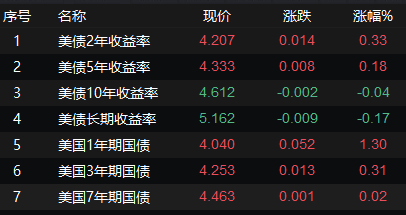
A well-known foreign media analysis points out that long-term US Treasury bonds are rising, and the yield curve is flattening. Some institutional strategies indicate that tactical trading biases are becoming neutral, favoring selling when yields rebound. The logic behind this is that once a Straits Reopening agreement is reached, oil price pressures will ease, and inflation expectations will decline, providing a reason for long-term bonds to rise. Meanwhile, the US fiscal deficit continues to widen, quarterly refinancing issuance is expected to remain high, and real yields have risen to a one-year high, with persistent market concerns about supply pressures. This wave of buying long-term bonds is more of a bet on short-term geopolitical easing than a conviction in a downward trend in interest rates.US Dollar and Gold: The Shift in Safe-Haven Sentiment
The US dollar index weakened slightly below 100, while the yen briefly strengthened before softening again, indicating a divergence in safe-haven demand. If tensions in the Taiwan Strait ease substantially, the market will sell dollars and buy riskier currencies; however, if negotiations break down, the dollar will rebound due to safe-haven demand. Gold is caught in a dilemma: rebounding oil prices and geopolitical uncertainty support gold prices, but high real yields on US Treasury bonds limit its upside potential. Gold prices hovering near historical highs suggest that the market is unwilling to abandon its insurance against black swan events, yet is also hesitant to aggressively chase higher prices.Data and Events: Services PMI and Russia-Ukraine Disturbances
The ISM Services PMI, to be released tonight, is expected to rise slightly. Particular attention should be paid to its price component – the war previously caused this index to surge, and if it remains high, it will reinforce the Federal Reserve's stance of not being in a hurry to ease monetary policy, putting pressure on interest rate-sensitive assets. Furthermore, in the Russia-Ukraine conflict, Russian energy facilities have been attacked again, highlighting the vulnerability of the Black Sea terminal, which provides marginal support from the supply side for diesel crack spreads and crude oil. The Rhine River in Europe has fallen to a record low, which will push up logistics costs within the region, indirectly increasing some of the stickiness of inflation.Trend Outlook
In the short term, the diplomatic game between the US and Iran is dominating. The hopes for a possible reopening of the Hormuz trade talks are clashing with Iran's hardline rhetoric, causing oil prices, US Treasury bonds, and the US dollar to fluctuate wildly. If an agreement is unexpectedly announced, oil prices risk a further downward push, long-term bonds will receive a short-term boost, and gold may experience a brief pullback. However, if no substantial results are achieved before the weekend, a safe-haven gap is likely early next week. From a medium-term perspective, only when shipping traffic in the Strait of Hormuz continues to recover to more than 50% of normal levels can the supply crisis be confirmed as resolved and the inflation premium truly subside. In the long term, fiscal deficits and debt supply will push up real yields, which poses a potential constraint on gold, a non-interest-bearing asset.Frequently Asked Questions
Why didn't oil prices surge after Iran denied the rumors? Because the market was simultaneously constrained by optimism that an agreement might be announced soon. The news created a tug-of-war, keeping oil prices in a rebounding but unbroken equilibrium range. Once there's a substantial diplomatic breakthrough or breakdown, unilateral volatility will immediately amplify. Does the decline in long-term US Treasury yields mean rising expectations of interest rate cuts? Not entirely. This decline is more of a pre-pricing of downward revisions to inflation expectations after the Straits crisis subsides, rather than a bet on economic weakness forcing interest rate cuts. Real yields remain high, indicating that market concerns about fiscal supply haven't dissipated. Why hasn't the US dollar strengthened significantly following safe-haven demand? Because current safe-haven sentiment has eased, and the market is trading on "peace dividends," putting temporary pressure on the dollar as a safe-haven currency. If geopolitical tensions worsen again, the dollar will quickly rebound, creating a two-way swing. Is now a good time to chase gold prices? Caution is advised. Gold prices are pulled by two opposing forces: geopolitical risks and real yields. If the Straits situation truly eases, safe-haven buying will retreat; conversely, if negotiations break down, gold prices will find support. The current market is more likely to consolidate within a wide trading range. Will tonight's data have a significant impact on the market? Possibly. The ISM Services Price Index is the key focus. If the data is bullish, it will negatively impact US Treasuries, support the dollar, indirectly suppress gold and risk assets, and amplify volatility during tonight's US session.- Risk Warning and Disclaimer
- The market involves risk, and trading may not be suitable for all investors. This article is for reference only and does not constitute personal investment advice, nor does it take into account certain users’ specific investment objectives, financial situation, or other needs. Any investment decisions made based on this information are at your own risk.