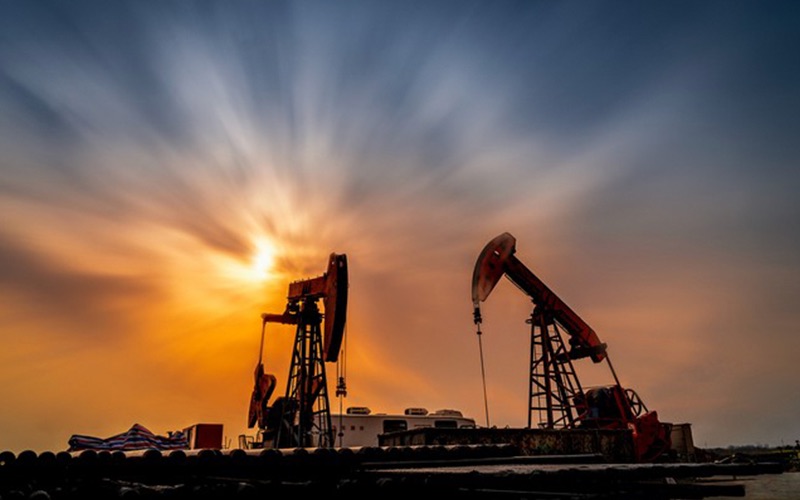
Gasoline and electricity prices both rose, and energy-related issues reshaped the landscape of the US midterm elections.
2026-08-10 13:24:55
With gasoline and residential electricity prices continuing to rise, energy issues have become a core battleground in the November US midterm elections. Climate and environmental issues, which were previously a focus of campaigning, are gradually taking a backseat, with voters increasingly concerned about the financial burden of energy expenditures. The controversy surrounding the high energy consumption of data centers is intensifying, prompting candidates from both parties to adjust their campaign rhetoric, and energy pragmatism is profoundly influencing the election outcomes in various states.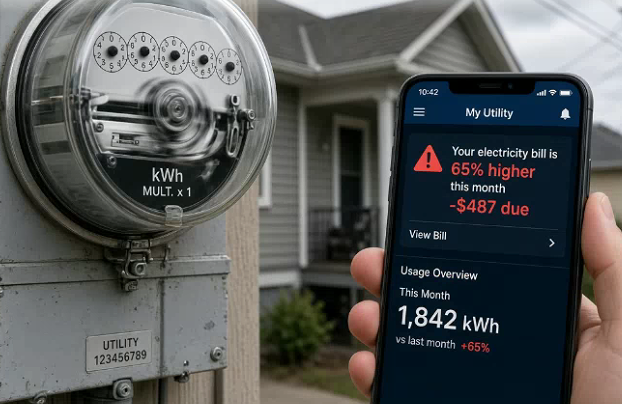
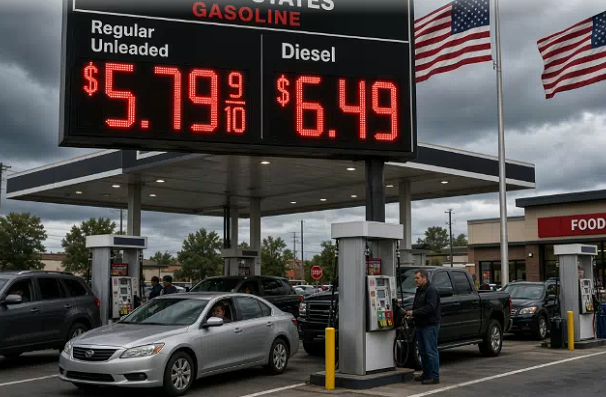
Soaring energy costs have put greater pressure on people's livelihoods than on environmental issues.
Data from S&P Global Market Intelligence shows that U.S. residential electricity prices rose 7% in 2025 compared to the previous year, with 46 states experiencing year-on-year increases, and 12 states and Washington, D.C. seeing double-digit increases. The factors driving up electricity prices are complex, including rising energy and raw material costs, grid infrastructure upgrades, extreme weather, and environmental policy constraints. Meanwhile, the massive energy consumption resulting from the large-scale construction of data centers has also exacerbated the pressure on power supply. In the first quarter of 2026, Hawaii had the highest electricity price in the U.S., reaching 43.91 cents per kilowatt-hour, followed by California and New York, with the national average at 18.70 cents per kilowatt-hour. The conflict with Iran has pushed up international oil prices, and data from the American Automobile Association shows that gasoline prices across the U.S. are nearly $1 higher per gallon than last year. Scott Segal, head of the policy research group at Braithwell law firm, stated that the past election cycles' narratives surrounding climate and fossil fuels have faded, and both parties are now placing the burden of living costs and electricity prices at the core of their campaigns. Faced with high energy costs, many candidates are no longer deliberately emphasizing radical climate proposals, and a pragmatic energy campaign approach is becoming more popular.The elections in each state are divided, and there are significant differences in energy policies.
The shift in energy policy has not resulted in a unified national stance, with state elections displaying drastically different positions. In Alaska, a major oil-producing state, the incumbent Republican candidate advocates for expanding domestic oil production to offset the oil price impact of war; the Democratic challenger argues that war has driven up the cost of living, and Alaska residents should enjoy the benefits of oil production rather than bear the economic costs of conflict. Some incumbent Democratic governors have shifted towards a diversified energy strategy, incorporating natural gas, nuclear power, and renewable energy into a unified development framework. However, in states like Colorado, Democrats who are tolerant of fossil fuels have faced strong resistance in the party primaries. Even in California, a traditionally green development champion, public opinion has reversed, with 60% of voters unwilling to bear higher costs for renewable energy. In the California gubernatorial race, Democratic candidates prioritize cost-effectiveness and have abandoned their commitment to phasing out gasoline-powered vehicles by 2035, while Republican candidates seek to repeal mandatory standards related to renewable energy.Data centers become the focus of public opinion, and AI energy consumption stirs up the political arena.
With soaring electricity bills, data centers, with their enormous energy consumption, have become a focal point of public sentiment. A Brookings Institution poll shows that nearly half of Americans believe data center energy consumption will be a key election issue. The two parties are divided on this issue, with Republicans emphasizing the economic value of data centers and Democrats more concerned about their impact on residential electricity costs. Some counties in Maryland have issued bans on data center construction, while Utah and Florida have called for stronger regulations. The Virginia Senate's decision to eliminate $1.6 billion in tax credits for data center equipment also reflects a shift in policy. Both Democratic and Republican candidates are using public concerns about the high energy consumption of AI to garner votes. In summary , rising oil and electricity prices have reshaped the public discourse surrounding the US election, with traditional climate issues giving way to practical concerns about people's livelihoods, and the data center energy consumption controversy adding a significant new variable. The future trajectory of energy costs will largely determine the final outcome of this midterm election.- Risk Warning and Disclaimer
- The market involves risk, and trading may not be suitable for all investors. This article is for reference only and does not constitute personal investment advice, nor does it take into account certain users’ specific investment objectives, financial situation, or other needs. Any investment decisions made based on this information are at your own risk.